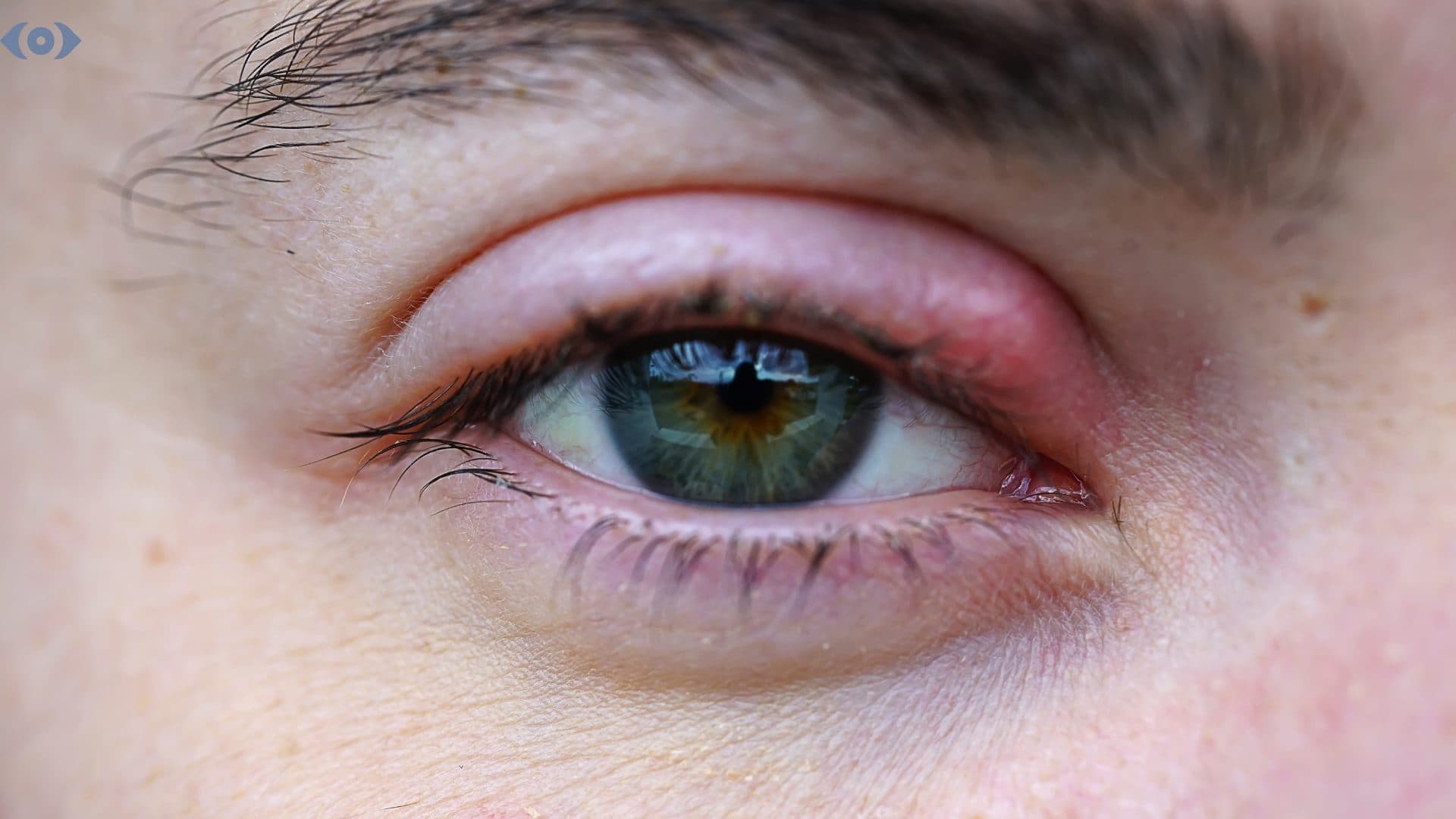
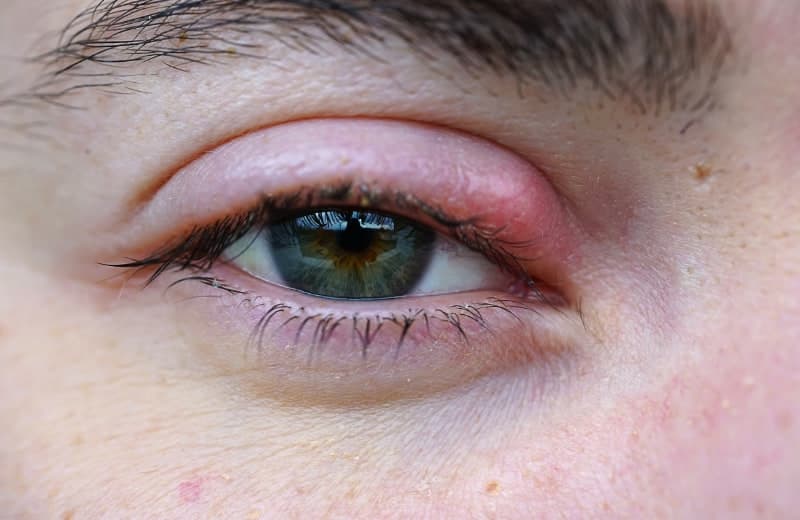
If you are asking, ‘Why do I suddenly keep getting styes?’, you are not alone. This is one of the most common reasons people visit an eye specialist. Recurrent styes usually happen because the oil glands in your eyelids are blocked or inflamed, allowing bacteria to repeatedly build up and cause infection.
For most people, a stye is a one-time thing. It pops up, it annoys you for a week, and then it goes away. But for some people, it becomes a cycle. Just as one lump goes away, another one starts to grow. It can feel like a never-ending battle.
This blog explains the science behind these infections. It will help you tell the difference between a stye and other lumps, and it will show you how to break the cycle for good.
What Exactly Is a Stye?
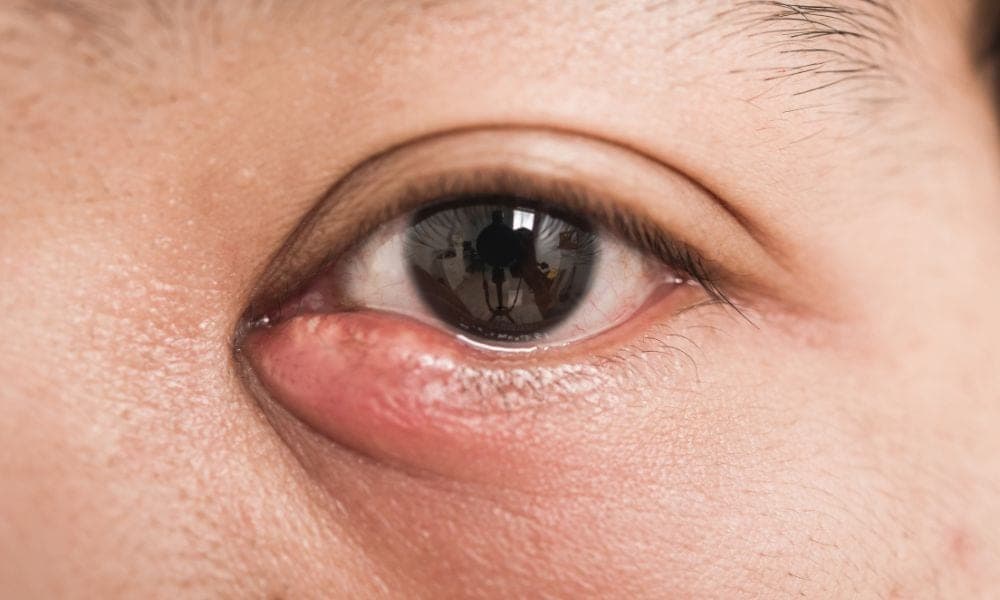
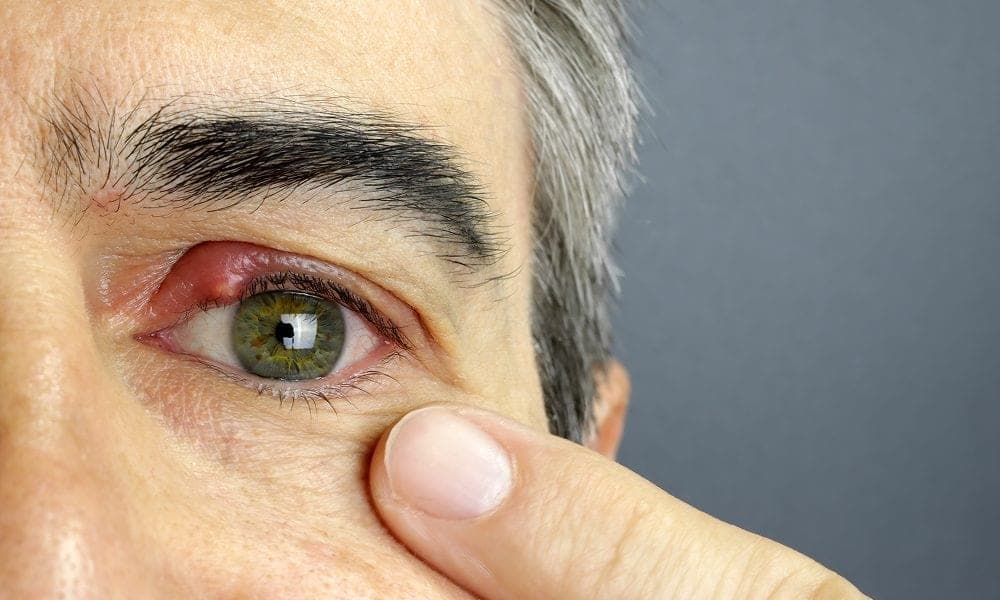
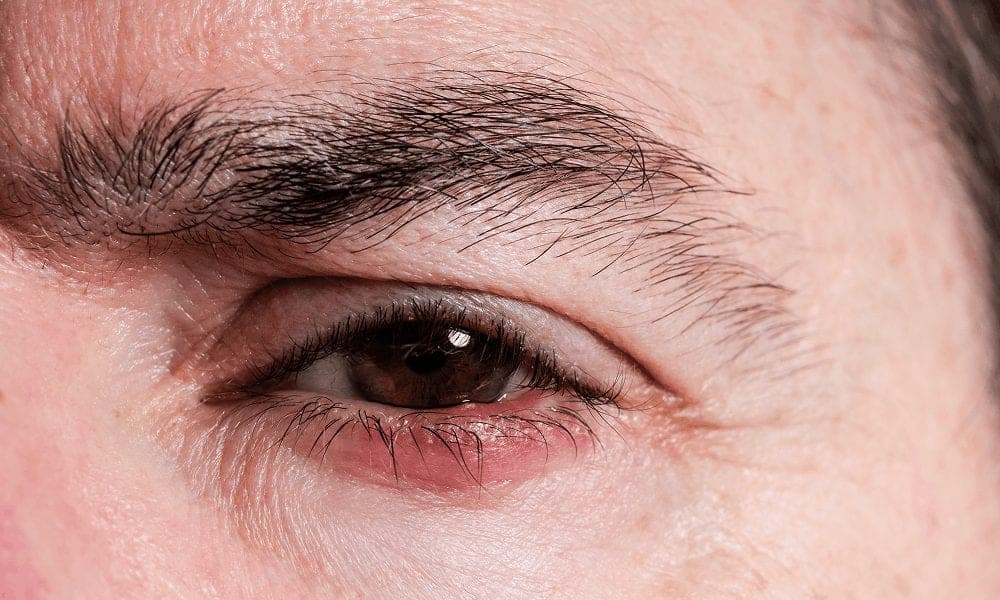
To prevent styes from recurring, it helps to understand what they are. A stye is basically a small pimple on your eyelid. It is an infection. It usually shows up as a red, hot bump at the base of your eyelashes. Sometimes, it happens inside the eyelid. It is caused by bacteria. The bacteria are usually called Staphylococcus. This bacterium lives on everyone's skin. Usually, it causes no harm. But if it gets trapped, it causes trouble. Your eyelids have tiny hairs (eyelashes) and tiny oil glands. If a gland becomes blocked, bacteria get trapped inside. It multiplies. The body tries to fight it, and pus forms. This creates the red, painful lump you see in the mirror.Is It a Stye or Something Else?
It is very important to know the difference between a stye and other eye lumps. They might look similar, but they are different.- The Stye (Active Infection): A stye is angry. It is red, hot, and painful to the touch. It usually appears as a white head, like a spot on your face. It usually bursts and heals within a week.
- The Chalazion (The Hard Lump): A chalazion is different. This happens when a blocked oil gland hardens. It is usually not painful. It feels like a small pea under the skin. It sits further back on the eyelid.
Why Do They Keep Coming Back?
If you keep getting styes, it is rarely random. It usually means the environment of your eyelid needs some help. Here are the five main reasons why styes return.Blepharitis (Eyelid Inflammation)
The most common cause is blepharitis. Think of this like dandruff, but for your eyelashes. It is a chronic inflammation. It happens when there is too much bacteria or tiny mites at the base of the eyelashes. This causes a buildup of crusty debris. This debris falls into the oil glands and blocks them. When the glands are blocked, the oil cannot get out. It gets stuck. Bacteria grow in the trapped oil, and a stye forms. If you don't treat blepharitis, the glands will stay blocked. This means styes will keep returning.Old Makeup
Makeup can be a trap for bacteria. Every time you use a mascara wand, you touch your lashes. Then you put the wand back in the tube. This pushes bacteria into the dark, moist tube. It is the perfect place for germs to grow. Using mascara or eyeliner that is older than three months can introduce bacteria to your eyes. Also, if you do not wash your makeup brushes, they can carry germs from your skin to your eyes. Sleeping in makeup is also a big trigger. The makeup sits on the eyelid all night. It physically blocks the holes through which the oil is supposed to exit.Stress and Hormones
It is not your imagination. Styes often appear when you are stressed. When you are stressed, your body releases hormones. These hormones tell your skin to make more oil. This happens on your face (causing acne) and on your eyelids. This extra oil is often thicker and stickier than normal. It blocks the glands easily. At the same time, stress makes your immune system weaker. This means your body is not as good at fighting off the bacteria.Ocular Rosacea
If you have Rosacea on your face (redness on your cheeks or nose), you might also have it in your eyes. This is called ocular rosacea. This condition affects the oil glands. It makes the oil very thick. Instead of flowing like olive oil, it flows like toothpaste. This thick oil adheres easily. This results in dry eyes and recurring lumps.Screen Time and Rubbing
Using computers and phones can increase the risk of styes. When you stare at a screen, you blink less. Blinking is important. Every time you blink, your eyelids squeeze a tiny bit of fresh oil onto your eye. If you stop blinking enough, the oil sits still. It becomes stale and blocks the gland. Also, when eyes are tired, they feel itchy. You might rub them without thinking. If your hands are not clean, you transfer germs from your keyboard or phone directly to your eyes.How to Break the Cycle?
To prevent styes from recurring, you need a consistent routine. Treating the one you have now is not enough. You have to change the environment of the eyelid.Step 1: The Warm Compress
This is the best way to prevent styes. Heat helps in two ways.- It helps the body fight the infection by bringing blood to the area.
- It melts the hardened oil.
How to do it properly: Using a wet flannel is usually insufficient because it cools too quickly. It is better to use a heated eye mask (microwaved). Keep it on your eyes for 10 minutes. Do this every night. It keeps the oil flowing freely.
Step 2: Eyelid Hygiene
You need to keep the base of the eyelashes clean. You can buy special lid wipes from the chemist. Or, you can use a tiny drop of baby shampoo mixed with warm water. Use a cotton bud or a clean pad. Gently scrub the roots of your eyelashes. This removes the crust, the dead skin, and the old makeup. It unblocks the holes so the glands can work properly. If you have Blepharitis, doing this daily is essential.Step 3: Contact Lens Care
Contact lenses do not cause styes, but dirty hands do. Never put lenses in if you haven't washed your hands. And never wear your lenses while you have an active stye. Bacteria can adhere to the lens and re-infect the eye. Switch to glasses until the lump is completely gone.When Should You See a Specialist?
Most styes go away with home care. But there are times when you need to see a doctor.The Lump Won't Go Away
If you have had a lump for a few weeks and it has hardened, it may be a Chalazion. These cysts have a hard shell. The body often cannot eliminate them on its own. A specialist can perform a quick procedure to remove it. They make a tiny cut (usually on the inside of the lid, so there is no scar) and drain it. You can learn more about eyelid lump & bump removal to see how simple this is.The Infection is Spreading
A stye should stay on the lump. If your whole eyelid turns red and puffy, or if you cannot open your eye, the infection is spreading. This is called Cellulitis. You will need antibiotic tablets to stop it from getting worse.Your Vision Changes
A stye should not affect your vision. If your vision gets blurry or you see double, you need to see an eye doctor immediately.It Looks Unusual
Very rarely, a lump that bleeds or changes shape is not a stye. It could be something more serious, such as eyelid cancer. See a doctor for safety if you lose lashes there or if it looks different from a regular pimple.Could It Be Something Else?
Sometimes, people think they have a stye, but it is actually something else.- Puffy Eyes: If you have swelling under your eyes that never goes away, it is likely not an infection. It might be fat pads or fluid. This is often confused with being tired or sick. You can read about bags under your eyes to see if this matches your symptoms.
- Droopy Eyelids: If your eyelids feel heavy or seem to hang down, it could be loose skin or a stretched muscle.
Summary: Taking Control of Your Eye Health
Recurrent styes are your body's way of telling you that your eyelids need extra care. It is usually a sign of blocked glands or inflammation. Identify the trigger, such as old makeup, stress, or insufficient blinking. This way, you can stop them from coming back. Using a warm mask and cleaning your lids daily are the best ways to break the cycle. However, eyes are delicate. If home remedies are not working, or if the lump is hard and stubborn, seeing a specialist is the safest choice. A correct diagnosis means you can get the right treatment and get back to feeling like yourself.Good to know
Frequently asked questions
Still unsure? Our team is glad to talk you through anything before you book.
- You cannot catch a stye just by looking at someone. However, the bacteria in the pus are contagious. It is best not to share towels, pillows, or face cloths. This stops the bacteria from spreading to other people or back to your other eye.
- No. Never do this. Squeezing a stye can push the infection deeper into the eyelid. This can cause a very serious infection. Also, using a needle near your eye is dangerous. Let it burst on its own or see a doctor.
- A fresh stye usually goes away in 7 to 10 days. If the lump remains after the pain has gone, it is likely a chalazion. These can last for months. If a lump has been there for more than two weeks, it usually needs help to go away.
- Stress makes your body produce more oil. It also weakens your immune system. This combination makes it easier for glands to get blocked and infected.
- The lenses themselves do not cause styes. But putting them in with dirty hands does. If you have a stye, stop wearing your lenses immediately. Wait until the eye is completely healed before wearing them again.
- Some research suggests that consuming excessive sugar can increase inflammation. Eating foods rich in omega-3s (such as salmon or seeds) helps improve the quality of the oil in your eyes. This can prevent it from thickening and becoming blocked