
Bags Under Eyes: Causes and Types
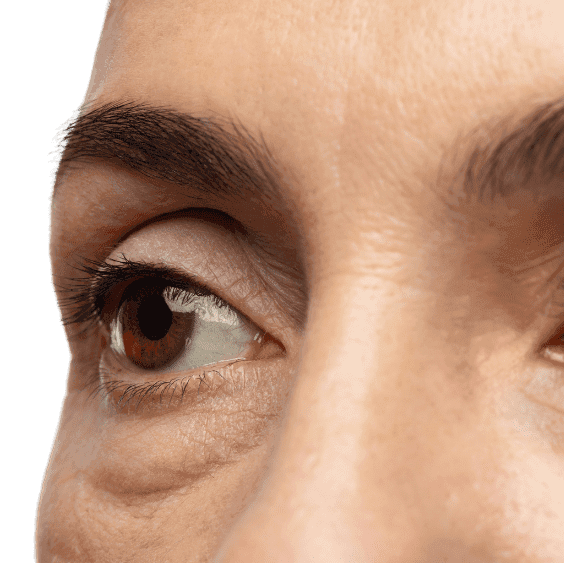
Bags under the eyes are swellings below the lower eyelids. Most are caused by ageing, as the fat that cushions the eye moves forward and the skin and muscle loosen, but fluid, allergies, sleep and genetics play a part. They are usually harmless. Puffiness that comes and goes often improves at home; permanent bags may need treatment.
Accredited & recognised by







Eye bags at a glance
- What they are
- Swelling under the eyes, from fat moving forward, loosening skin or fluid build-up.
- How common
- Very common with age. They can run in families and appear from the twenties.
- Is it serious?
- Usually not. Rarely, swelling around the eyes is linked to thyroid, kidney or skin conditions.
- Do they go away?
- Puffiness from fluid often settles. Bags from fat or loose skin are usually permanent.
- When to get it checked
- If swelling is sudden, painful, red or itchy, affects one side, or comes with other symptoms.
What are bags under the eyes?
Under eye bags are swellings below the lower eyelids that can make you look tired or older than you feel. The area under the eye is cushioned by fat held in place by a thin layer of tissue called the orbital septum. With age, that tissue and the muscle in front of it weaken, so the fat bulges forward and the skin loosens.
Bags under the eyes are not the same as puffy eyes. Puffiness is fluid that builds up, often overnight or after salt, alcohol or crying, and goes down during the day. Eye bags are more permanent and are caused by fat and loose skin, though fluid can make them look worse. Many people have a mix of both.
Signs of eye bags
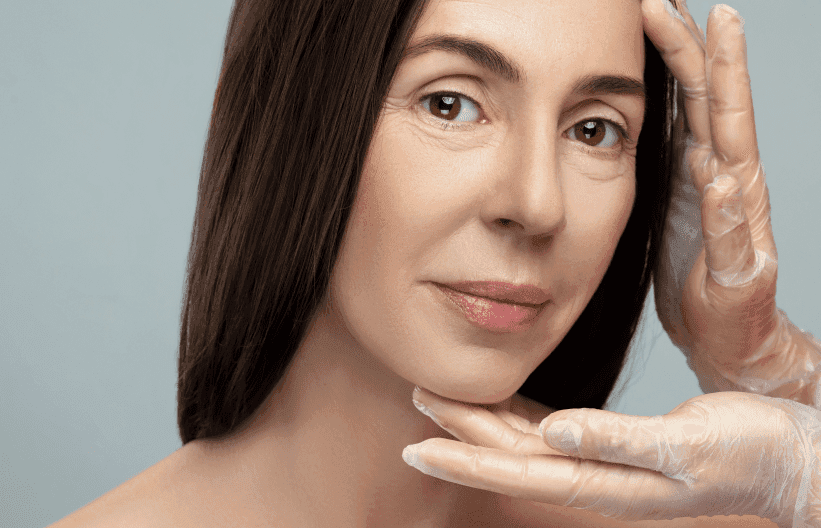
Eye bags can be mild or prominent. You may notice:
Swelling under the eyes
Soft bulges below one or both lower lids, often most visible in overhead light.
Puffiness worse in the morning
Swelling that is worst on waking and eases during the day points to fluid.
Loose or crepey skin
Thin, wrinkled skin over the bulge, sometimes with fine lines.
A shadow beneath
A groove or dark shadow below the bag, where the lower lid meets the cheek.
A tired appearance
Looking tired even when well rested is often the main thing people notice.
Swelling on the cheekbone
Swelling lower down, on the upper cheek, may be malar bags or festoons, which are treated differently.
Eye bags causes and risk factors
Ageing
The supporting tissue and muscle weaken with age, so the fat around the eye bulges forward and the skin loosens.
Genetics
Prominent fat under the eyes often runs in families and can show from the twenties.
Fluid retention
Salt, alcohol, hormonal changes and lying flat overnight can make the area puffy.
Allergies
Hay fever and other allergies cause swelling and lead to rubbing.
Lack of sleep
Poor sleep makes puffiness and shadows more noticeable.
Smoking
Smoking speeds up the breakdown of collagen in the thin skin under the eyes.
Medical conditions
Thyroid eye disease, kidney problems and dermatitis can cause swelling around the eyes.
Sun damage
UV exposure weakens the skin's collagen and elastin over time.
Puffy eyes or eye bags?
Fluid and fat both cause swelling under the eyes, but they behave differently and are treated differently.
| Puffy eyes | Eye bags | |
|---|---|---|
| Cause | Fluid building up in the tissue | Fat bulging forward, with loose skin and muscle |
| Pattern | Worse in the morning or after salt, alcohol or crying; varies day to day | There most of the time, and slowly increase with age |
| Home care | Often improves with sleep, less salt, cold compresses and treating allergies | Helps a little at most |
| Treatment | Treating the cause, such as an allergy | Filler for a hollow beneath, or lower eyelid surgery for the fat and skin |
When to see a doctor about swelling around your eyes
Most eye bags are harmless. Swelling around the eyes that behaves like this needs checking.
Get help the same day if
- The swelling is sudden, red, hot or painful
- It comes with a high temperature, or spreads across the eyelid and cheek
- Your vision changes, or moving your eye hurts
- Your face, lips or tongue swell, or you find it hard to breathe: call 999
Book an assessment if
- Swelling affects one eye only, or keeps coming back
- Your eyes look as if they are bulging, or you have a thyroid condition
- Swelling comes with itching, a rash or flaky skin
- You would like to discuss treatment for bags that are always there
Swelling of both eyes with swollen ankles or unusual tiredness should be checked by your GP, as it can occasionally relate to a kidney or thyroid problem.
How eye bags are assessed at Perfect Eyes
The assessment works out which type of eye bags you have, because that decides what will help.
- Step 1
Your history
How long you have had them, whether they change through the day, and about allergies, thyroid problems, family history and any previous treatment.
- Step 2
Examining the lower lids
Dr Sabrina looks at where the fat sits, the quality and looseness of the skin, the tone and position of the lid, the tear trough and the cheek.
- Step 3
A plan for your type
Home care for fluid, filler or surgery for fat and loose skin, or a referral to your GP if a medical cause is possible.
Treatment for bags under the eyes
Lower Lid Blepharoplasty
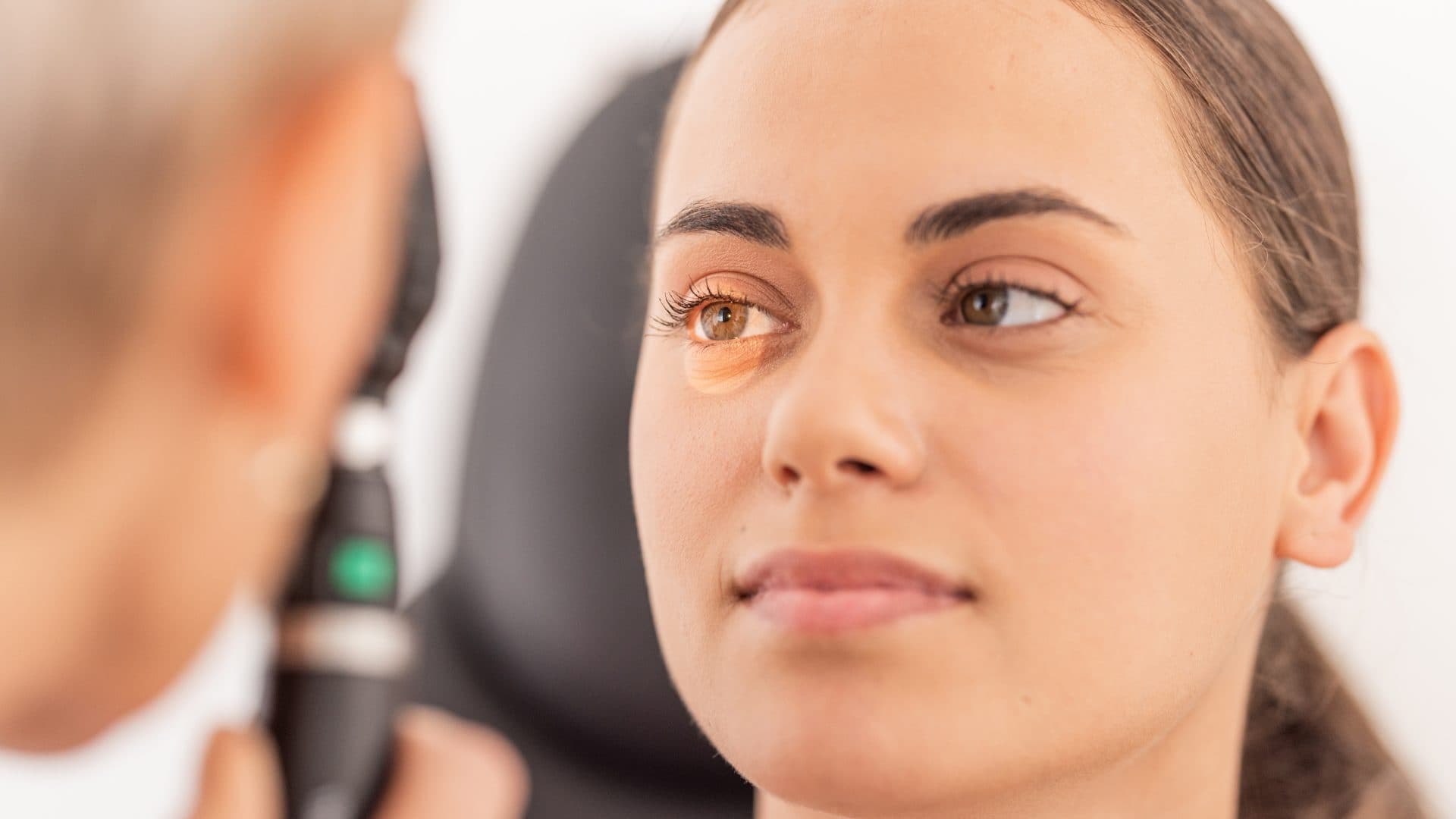
Lower eyelid blepharoplasty repositions or removes the fat that forms the bags. Dr Sabrina usually works from inside the eyelid, the scarless approach, adding a small cut below the lashes only when loose skin needs removing.
Reducing puffiness at home
Home care works well for puffiness from fluid. It cannot shrink bags caused by fat.
What helps
- A cold compress for a few minutes in the morning
- Sleeping with your head slightly raised
- Cutting down on salt and alcohol, especially in the evening
- Treating hay fever or other allergies
- Regular sleep, and sunscreen and sunglasses during the day
What to avoid
- Rubbing your eyes
- Smoking
- Expecting creams to shrink bags caused by fat: they only tighten the skin for a while


Meet the Expert: Dr Sabrina Shah-Desai
MS, FRCS (Ed) Ophth
Dr Sabrina Shah-Desai, MS, FRCS (Ed) Ophth is a multi-award-winning Oculoplastic Reconstructive Surgeon and Aesthetic Practitioner specialising in reconstructive, revisional, and cosmetic surgery of the eyelids, as well as non-surgical treatments for the eyes and face. With 25 years of surgical and 17 years of non-surgical experience, she is globally recognised for her pioneering, minimally invasive techniques.
Listed in Tatler’s Beauty & Cosmetic Surgery Guide every year from 2019 to 2026, she is known as the “go-to” surgeon for discerning patients seeking subtle, natural results, and is highly sought after for revisional procedures by those who have undergone previous fillers or eyelid surgeries.
- Listed on the Royal College of Surgeons of England register of Board-Certified Cosmetic Surgeons
- Listed in Tatler’s Beauty & Cosmetic Surgery Guide every year from 2019 to 2026
- 25 years of surgical and 17 years of non-surgical experience
Frequently asked questions
Call or email us today, we would be delighted to answer your questions.
While Eyebag Surgery is a safe operation, there are risks associated with it. Common risks include:
- Infection
- Scarring
- Large bruise or haematoma
- Theoretical risk to vision
- Hollow appearance
- Temporary poor blink
- Sagging of the lower lid
- Unfortunately, it's not possible to completely remove eye bags permanently at home. However, a few natural treatments and lifestyle changes, like using cold compresses, drinking plenty of water, and getting adequate sleep, along with topical skin care with eye serums containing caffeine, can help lessen their appearance.
- Yes, thyroid problems can cause eye bags. When your thyroid hormones are out of balance, it can lead to fluid buildup and swelling around your eyes, resulting in puffiness and bags. This is because thyroid hormones play a big role in regulating many functions in your body, including fluid balance.
- Low levels of vitamin B12 and iron deficiency anaemia may contribute to dark circles under the eyes.
- If home remedies and over-the-counter products are not effective, or if you desire more immediate and noticeable results, medical treatments like dermal fillers, laser therapy, or blepharoplasty may be considered.
Eye bags, or periorbital puffiness, typically present with the following symptoms:
- Loose or sagging skin
- Minor swelling and puffiness
- Dark circles
- Fat deposition
- Mild redness
Sources
- Bags under eyes: symptoms and causesMayo Clinic
- How to get rid of bags under the eyesAmerican Academy of Ophthalmology
- Eyelid surgeryNHS
Rated five stars by patients across the globe
4.9out of 5 from 250+ Google reviews
Other eyelid conditions
Related Blogs
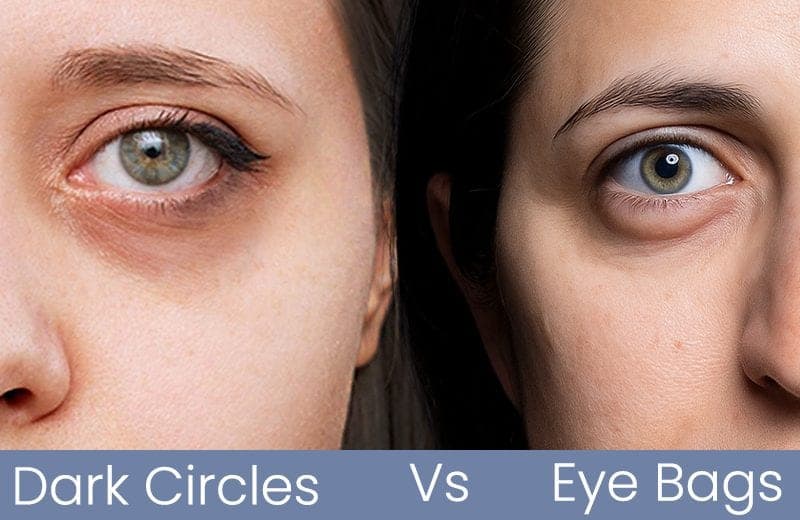
Dark Circles vs Eye Bags: Know the Real Difference and How to Treat Them
Ever looked in the mirror after a long day and thought, “Why do my eyes look so tired?” You’re not alone. The under-eye area is one of the most…
Bags Under Your Eyes - Your Ultimate Guide
Eye Bags or Under Eye Bags are a frequent concern related to appearance that can give the impression of fatigue, age, or poor health. The causes of…
How to Remove Under Eye Bags Permanently
Are you curious about why your eyes look swollen or how to remove under eye bags permanently ? The good news is that while they can be annoying, bags…

How To Get Rid Of Eye Bags? Causes, Risks & Treatments
Do you have puffy eyes? If so, you're not alone. Most people experience puffiness and bags under the eyes at some time in their lives. While eye bags…

What Causes Malar Bags? A Complete Breakdown of the 5 Main Triggers
Have you noticed persistent puffiness sitting below your eyes but higher up on your cheeks? Perhaps it does not disappear after a good night's sleep,…
How To Get Rid of Bags Under Eyes in Men?
To get rid of bags under the eyes in men, you must identify the exact cause and choose the right medical procedure. Doctors use lower eyelid surgery,…
Book Your Consultation Today
Get personalised advice and expert care from our top medical professionals at 121 Harley Street, London.
Contact our clinic
Speak to our team about which treatment suits you, or arrange a private consultation at 121 Harley Street.