
Crow's Feet: Wrinkles Around the Eyes
Crow's feet are the fine lines that fan out from the outer corners of the eyes. They start as expression lines that show when you smile and, with age and sun exposure, become lines that stay at rest. They are harmless and very common. Sun protection slows them, and several treatments can soften them.

Accredited & recognised by






Crow's feet at a glance
- What they are
- Wrinkles fanning out from the outer corners of the eyes, also called laughter lines.
- How common
- Almost everyone develops them. Many people first notice them in their late twenties or thirties.
- Is it serious?
- No. They are a normal part of ageing and a cosmetic concern only.
- Do they go away?
- Not on their own. Lines that stay at rest tend to deepen slowly over the years.
- When to get it checked
- For advice on treatment, or straight away if skin near the eye bleeds, crusts or does not heal.
What are crow's feet?
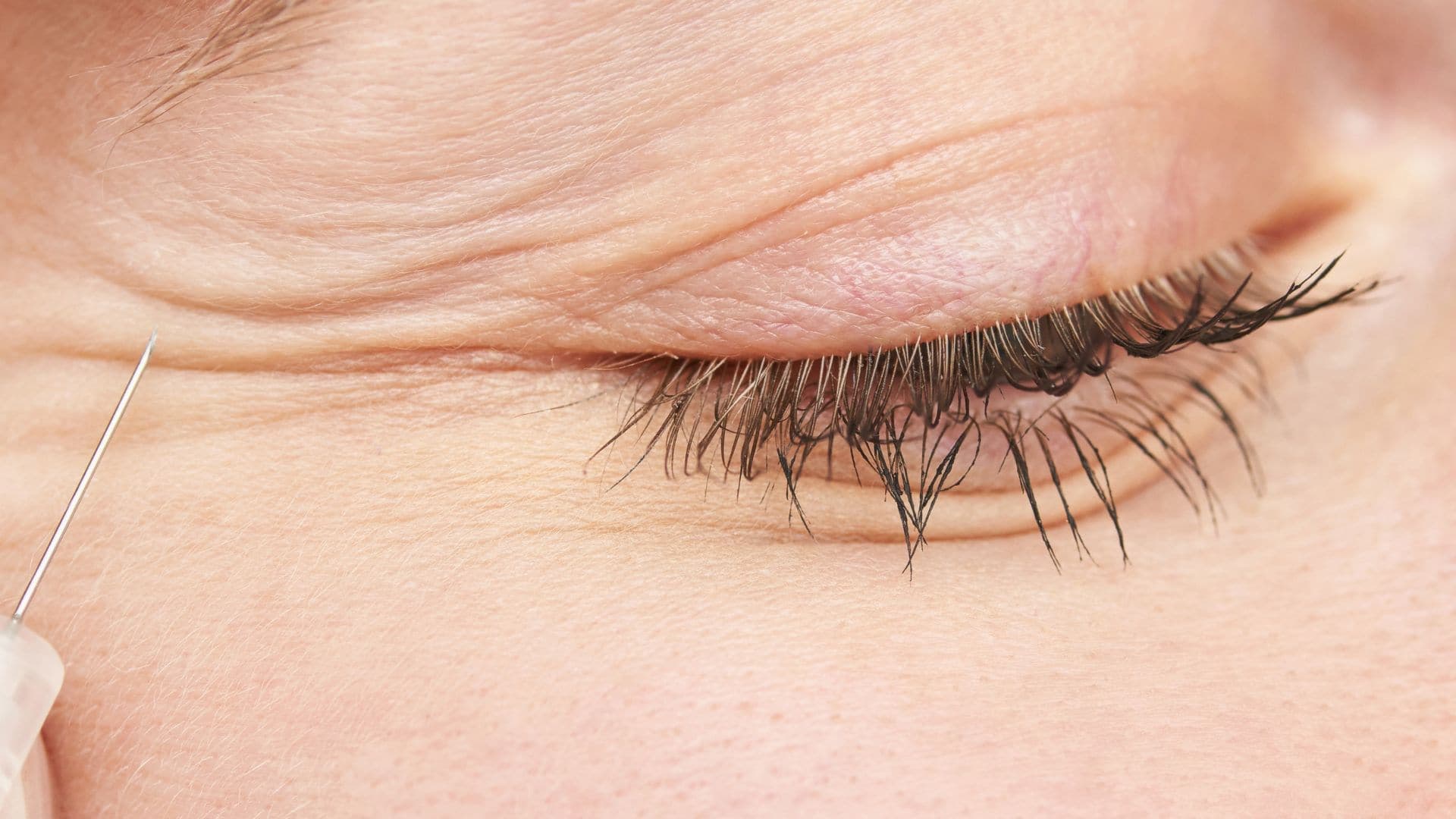
Crow's feet are the lines that spread from the outer corners of the eyes towards the temples, named for their likeness to a bird's footprint. They are among the first wrinkles around the eyes most people notice, because the skin there is thin and the muscle beneath it, the orbicularis oculi, contracts every time you smile, laugh or squint.
At first they are dynamic lines, visible only with expression. Over time, as the skin makes less collagen and elastin and sun damage builds up, they become static lines that remain when the face is relaxed. They can also spread below the eye as fine creases, often described as crow's feet under the eyes.

Signs of crow's feet
Crow's feet usually develop gradually. You may notice:
Lines when you smile
Fine lines fanning from the outer corner of each eye that appear when you smile, laugh or squint.
Lines that stay at rest
Over time, the lines remain visible even when your face is relaxed.
Creases below the outer corner
Fine lines spreading under the eye, where the crow's feet meet the lower eyelid skin.
Thinner, crepey skin
The skin at the corners can look thinner, drier or crinkled, like tissue paper.
Make-up settling into lines
Concealer or foundation collecting in the creases is often the first thing people notice.
Crow's feet causes and risk factors
Ageing
With age the skin makes less collagen and elastin, the proteins that keep it firm and springy, so folds stop smoothing out.
Facial expressions
Every smile, laugh or squint contracts the muscle around the eye and folds the skin at the corners.
Sun exposure
UV light breaks down collagen and elastin. The thin skin around the eyes is especially vulnerable.
Smoking
Smoking reduces blood flow to the skin and speeds up the breakdown of collagen.
Genetics
Skin type and how early lines appear often run in families.
Hormonal changes
The fall in oestrogen around the menopause thins the skin and can make lines appear more quickly.
Dynamic or static crow's feet?
Crow's feet come in two forms, and which you have decides what will help most.
| Dynamic lines | Static lines | |
|---|---|---|
| What they are | Lines that appear only when you smile or squint | Lines that stay when your face is at rest |
| Main cause | Repeated muscle movement | Loss of collagen and elastin, and sun damage, on top of movement |
| Typical age | Often from the late twenties or thirties | More common from the forties onwards |
| What helps most | Anti-wrinkle injections, which relax the muscle | Treatments that rebuild skin quality, often combined with anti-wrinkle injections |
When to see a specialist about crow's feet
Crow's feet are harmless. These are the reasons to see someone about the skin around your eyes.
See a doctor promptly if
- A sore, scaly patch or lump near the eye bleeds, crusts or has not healed within four weeks
- A mole on or near the eyelid changes in size, shape or colour
- The skin around the eye becomes suddenly red, swollen or painful
Book a consultation if
- You would like the lines softened and want to know which treatment suits your skin
- Creams have not made the difference you hoped for
- You are not sure whether the lines, hollows or bags around your eyes are the main concern
- You have had treatment elsewhere and are unhappy with the result
How crow's feet are assessed at Perfect Eyes
There is no test for crow's feet. The assessment is about which lines you have and what will suit you.
- Step 1
Your concerns and history
Your practitioner asks what bothers you most, about previous treatments, your skincare and sun exposure, and your general health.
- Step 2
Looking at the lines
The lines are examined at rest and while you smile, with the skin quality, the brow and any hollowing or hooding that can add to them.
- Step 3
A plan that suits you
You are given a recommendation, alone or combined, with the number of sessions, the cost and what result to expect.
Treatments for crow's feet
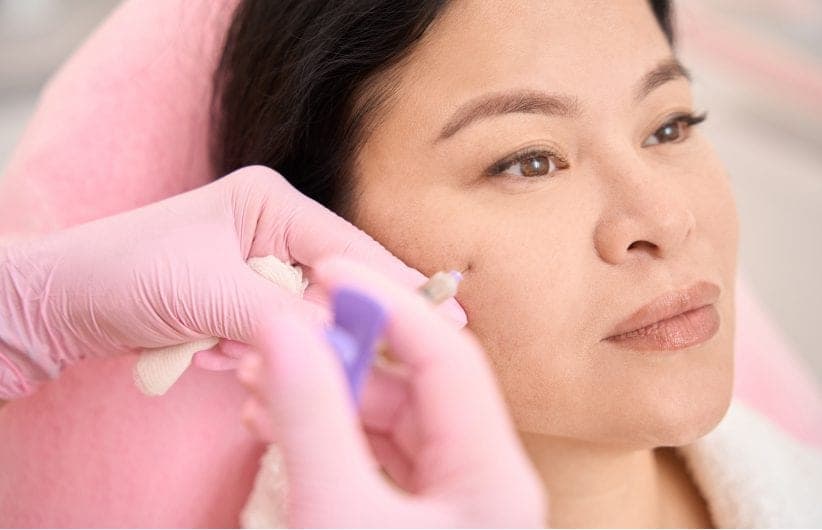
 Microdroplet Anti-Wrinkle InjectionsVery small, diluted doses of anti-wrinkle injection soften crow's feet while keeping a natural smile. Results show over about two weeks and usually last three to four months.Learn more
 PolynucleotidesInjections that improve the quality of thin, crepey skin around the eyes, given as a course. Best for fine lines at rest rather than lines that only show with expression.Learn more
 UltraClear LaserA laser that resurfaces the skin and stimulates new collagen, softening fine lines and improving texture with a short recovery.Learn more
 Microneedling with ExosomesTiny, controlled needle punctures with exosomes stimulate collagen to smooth fine lines and texture, over a course of treatments.Learn more
Slowing crow's feet down
You cannot stop crow's feet completely, but daily habits make a real difference to how quickly they deepen.
What helps
- Sunscreen every day, SPF 30 or higher with at least 4-star UVA protection, including around the eyes
- Sunglasses that block UV, which also stop you squinting
- A moisturiser around the eyes, morning and night
- A retinoid at night if your skin tolerates it, introduced slowly and kept away from the lash line (not in pregnancy)
- Not smoking
What to avoid
- Sunbeds
- Rubbing or pulling the skin around your eyes
- Relying on eye creams alone for established lines: they help skin quality but cannot relax the muscle


Meet the Expert: Dr Sabrina Shah-Desai
MS, FRCS (Ed) Ophth
Dr Sabrina Shah-Desai, MS, FRCS (Ed) Ophth is a multi-award-winning Oculoplastic Reconstructive Surgeon and Aesthetic Practitioner specialising in reconstructive, revisional, and cosmetic surgery of the eyelids, as well as non-surgical treatments for the eyes and face. With 25 years of surgical and 17 years of non-surgical experience, she is globally recognised for her pioneering, minimally invasive techniques.
Listed in Tatler’s Beauty & Cosmetic Surgery Guide every year from 2019 to 2026, she is known as the “go-to” surgeon for discerning patients seeking subtle, natural results, and is highly sought after for revisional procedures by those who have undergone previous fillers or eyelid surgeries.
- Listed on the Royal College of Surgeons of England register of Board-Certified Cosmetic Surgeons
- Listed in Tatler’s Beauty & Cosmetic Surgery Guide every year from 2019 to 2026
- 25 years of surgical and 17 years of non-surgical experience
Frequently asked questions
Call or email us today, we would be delighted to answer your questions.
- Keep the skin around your eyes moisturised with a good moisturiser to soften wrinkles. An effective moisturiser is one of the best natural ways to reduce crow's feet and other wrinkles.
- Coconut oil may be beneficial for reducing crow's feet as it contains a high amount of vitamin E and linoleic acid, which can help repair skin tissues. Applying a small amount of extra virgin coconut oil around your eyes before bed can help delay the appearance of wrinkles and crow's feet.
- Crow's feet naturally show up as we get older, so it's hard to make them disappear completely. But you can make them less noticeable by making some healthy choices in your life, such as regular exercise and a balanced diet.
- You might first see crow's feet when you're in your 30s. Depending on how you take care of your skin and your family traits, you might not see them until you're in your 40s.
- As we age, crow's feet can show up and be more noticeable in men compared to women. This might happen because men may not protect their skin as much by wearing sunglasses or sunscreen.
Sources
Rated five stars by patients across the globe
4.9out of 5 from 250+ Google reviews
Other eyelid conditions
Book Your Consultation Today
Get personalised advice and expert care from our top medical professionals at 121 Harley Street, London.
Contact our clinic
Speak to our team about which treatment suits you, or arrange a private consultation at 121 Harley Street.