Monolids
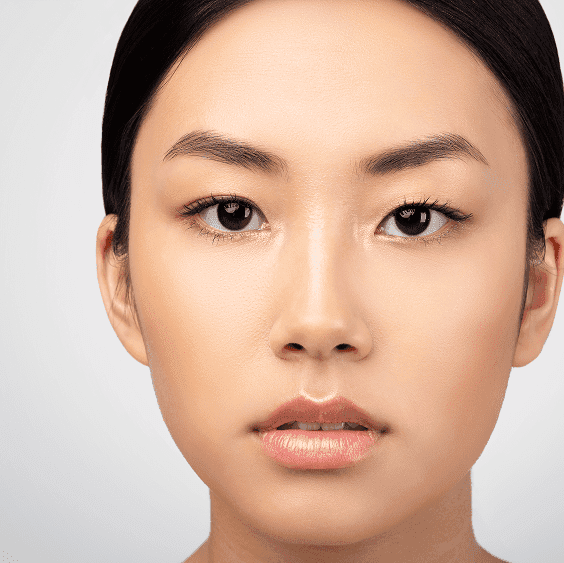
Monolid eyelids don't have a visible crease, which can sometimes appear flat or tired. At Perfect Eyes Clinic, we offer expert treatments to enhance and define the eye shape, if that's what you're looking for.
What Are Monolid Eyes?
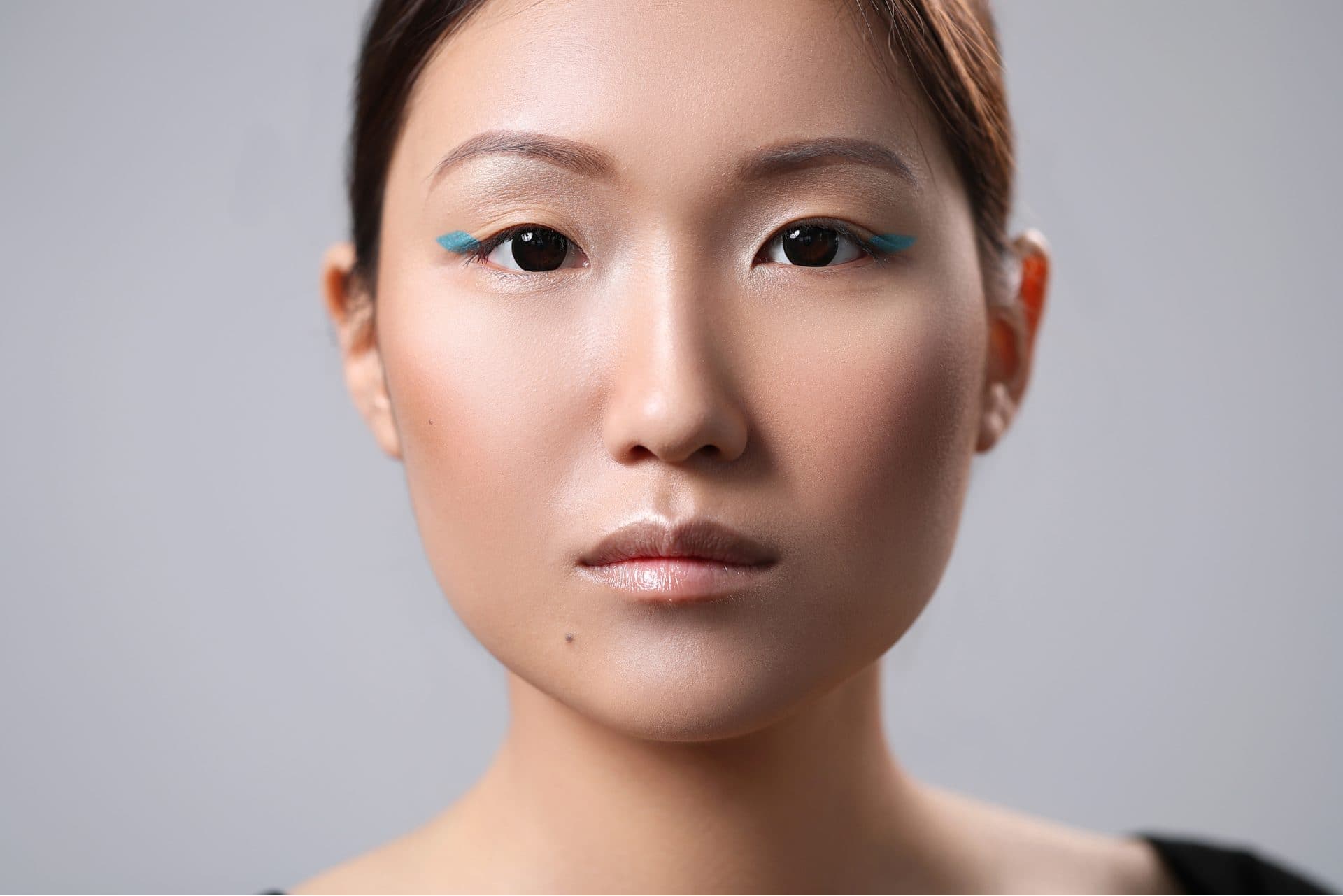
The term monolid eyes, also known as single eyelids, describes the shape of your eyelid. If you have monolid eyes, the skin on your upper eyelid is smooth and covers the inner corner of your eye, making your eyes appear smaller. There are no creases or folds separating the eyelids.
Epicanthal folds are common, especially in people of Asian descent. They can also be a characteristic of certain genetic conditions like Down syndrome.
Causes & Related Genetic Conditions
Genetics
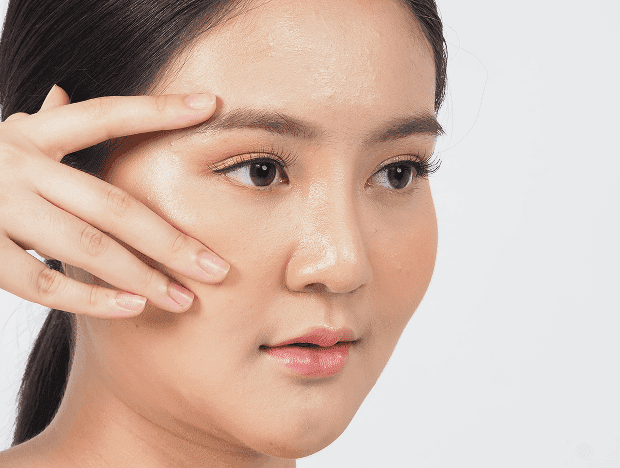
The gene for monolids is recessive. They are most common in people of East Asian descent, but can also be found in people of other races with almond-shaped and elongated eyes.
Down Syndrome
A condition that causes unique physical traits and developmental delays, caused by an extra chromosome.
Turner Syndrome
A condition that affects only females, causing short stature and developmental delays, caused by being born missing one of their X chromosomes.
Phenylketonuria (PKU)
A condition that causes phenylalanine to build up in the blood, leading to brain damage if left untreated.
Williams Syndrome
A condition that causes distinct facial features, developmental delays, and learning problems, caused by a missing piece of chromosome 7.
Noonan Syndrome
A condition that causes unique facial characteristics and heart problems, caused by changes in certain genes.
Triple X Syndrome
A condition that affects only females, causing developmental delays and learning problems, caused by an additional X chromosome.
Zellweger Syndrome
A condition that causes severe issues with the nervous system and metabolism, caused by a genetic mutation in any of the PEX genes.
Rubinstein-Taybi Syndrome
A condition that causes unique characteristics, including large thumbs and toes, as well as short stature and intellectual disabilities.
Blepharophimosis Syndrome
A condition that results in issues with the development of the eyelids, such as droopy and small eye apertures.
Accredited & recognised by

Treatment for Monolids
Double Eyelid Surgery
Double eyelid surgery, or Asian blepharoplasty, creates a natural upper eyelid crease, giving patients a refreshed or open eyes appearance, with long-lasting results for moderate to severe eyelid issues.

Meet the Expert: Dr Sabrina Shah-Desai
MS, FRCS (Ed) Ophth
Dr Sabrina Shah-Desai, MS, FRCS (Ed) Ophth is a multi-award-winning Oculoplastic Reconstructive Surgeon and Aesthetic Practitioner specialising in reconstructive, revisional, and cosmetic surgery of the eyelids, as well as non-surgical treatments for the eyes and face. With 25 years of surgical and 17 years of non-surgical experience, she is globally recognised for her pioneering, minimally invasive techniques.
Listed in Tatler’s Beauty & Cosmetic Surgery Guide every year from 2019 to 2026, she is known as the “go-to” surgeon for discerning patients seeking subtle, natural results, and is highly sought after for revisional procedures by those who have undergone previous fillers or eyelid surgeries.
- Listed on the Royal College of Surgeons of England register of Board-Certified Cosmetic Surgeons
- Listed in Tatler’s Beauty & Cosmetic Surgery Guide every year from 2019 to 2026
- 25 years of surgical and 17 years of non-surgical experience
Frequently asked questions
Call or email us today, we would be delighted to answer your questions.
- If you have double eyelids, you'll notice a curved crease between your eyelashes and eyebrows. On the other hand, monolids don't have this visible crease.
- Approximately 50% of Asians have monolid eyes, meaning one in two Asians does not have an arc-shaped crease in their upper eyelid.
- No, they are different conditions. Hooded eyes refer to the condition where excess skin directly under the brow line folds over the upper eyelid, covering it like a hood.
- No, they are different conditions. Ptosis is the drooping of an upper eyelid that would be in a more elevated position. It causes droopy eyelids that can affect vision, and it usually affects one eye.
- Monolid eyes are typically a harmless trait. However, monolid eye shape with epicanthic folds may be characteristic of some genetic conditions, including Down, Turner, and Noonan syndromes.
- To check if you have monolids, look at your eyelids and see how much of the eyelid and crease are visible. If you can't see much of a crease, then you probably have monolids.
Rated five stars by patients across the globe
4.9out of 5 from 250+ Google reviews
Related Blogs
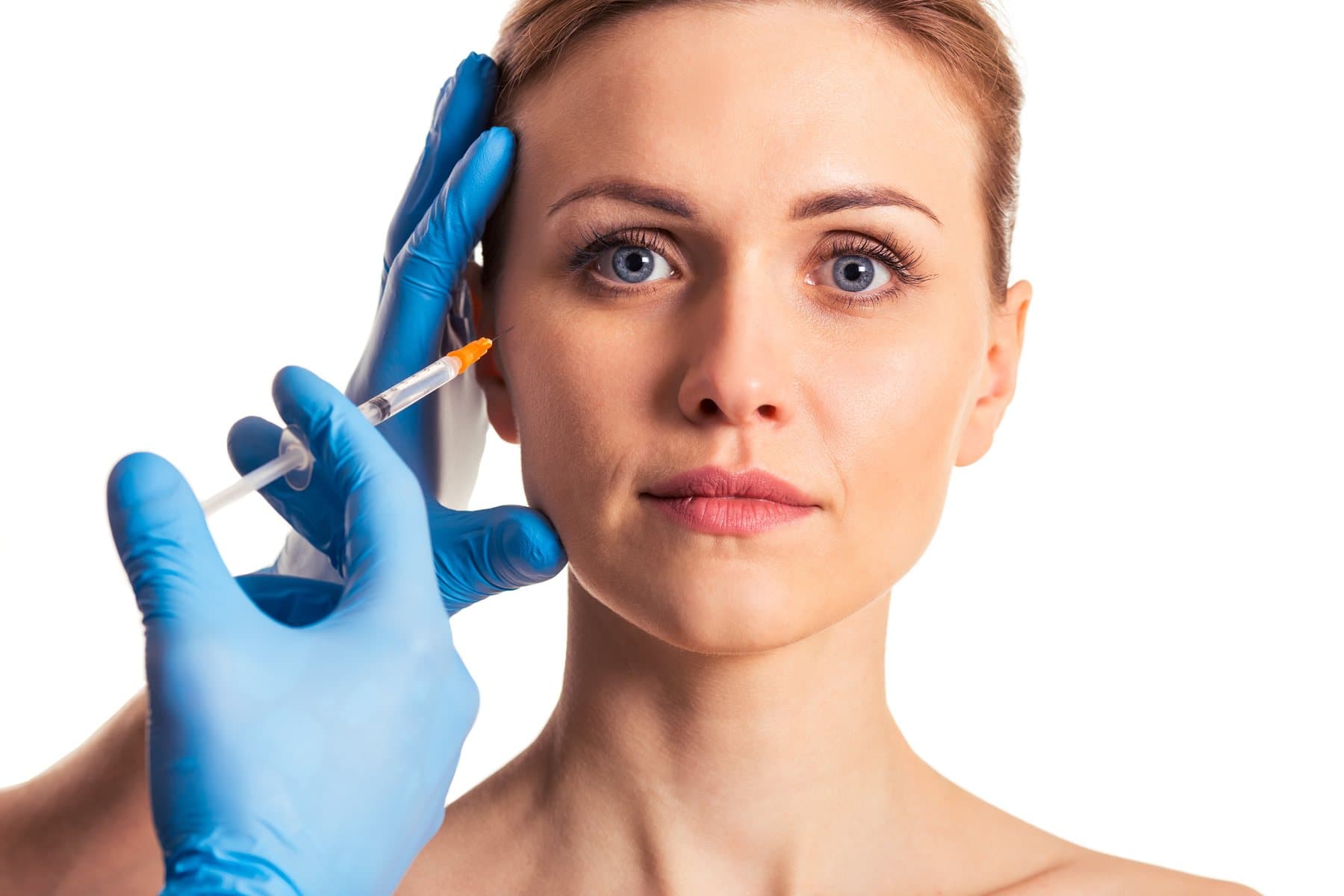
Monolid Eyes: What They Are, Why They Occur, and Your Options
If your eyelids run smooth from lash line to brow bone with no visible fold, you have what is called a monolid. It is one of the most common eyelid…
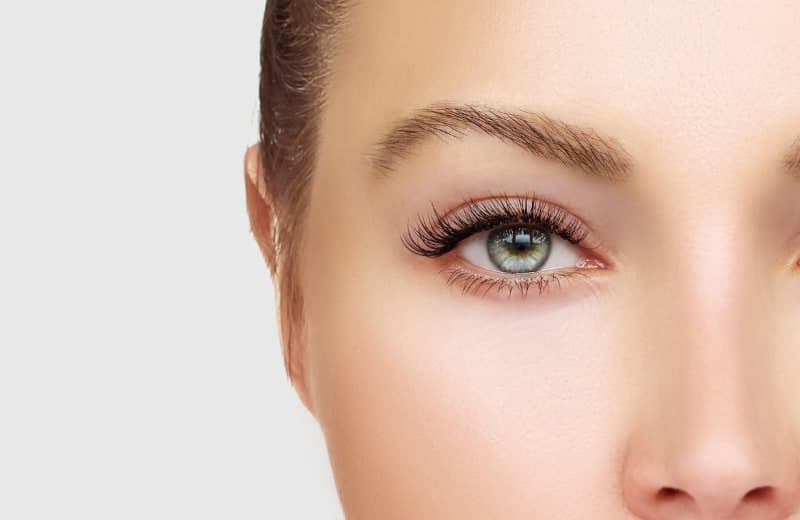
Monolids vs Double Eyelids Difference
Have you ever tried to follow an eye makeup tutorial only to find that it didn't complement your eyes? You're definitely not alone - this is a common…
Book Your Consultation Today
Get personalised advice and expert care from our top medical professionals at 121 Harley Street, London.
Contact our clinic
Speak to our team about which treatment suits you, or arrange a private consultation at 121 Harley Street.