Thyroid Lid Lowering Surgery in London - Restore Natural Eyelid Position and Improve Eye Comfort
Check out how thyroid lid lowering surgery can help relieve eyelid retraction, reduce eye irritation, and restore a more natural, balanced appearance.
Accredited & recognised by


At a Glance
- Duration
- 2 to 3.5 Hours
- Anaesthesia
- General and local
- Hospital Stay
- Outpatient
- Exercise
- after 2 weeks
- Driving
- 3 days
- Results last
- b/w 7-15 years
Advantages of Thyroid Lid Lowering Surgery
Improved Vision and Eye Comfort
By creating more space around the eye, the surgery reduces pressure, leading to better vision and increased comfort.
Enhanced Appearance
Repositioning the eyelid restores a more natural, relaxed appearance, often boosting self-confidence.
Relief from TED Symptoms
The procedure can help alleviate TED-related issues, including light sensitivity, double vision, and difficulty closing the eyelids.
Boosted Self-Esteem and Confidence
With improved eye appearance, thyroid lid lowering surgery can significantly boost your self-esteem & confidence.
What is Thyroid Lid Lowering Surgery?
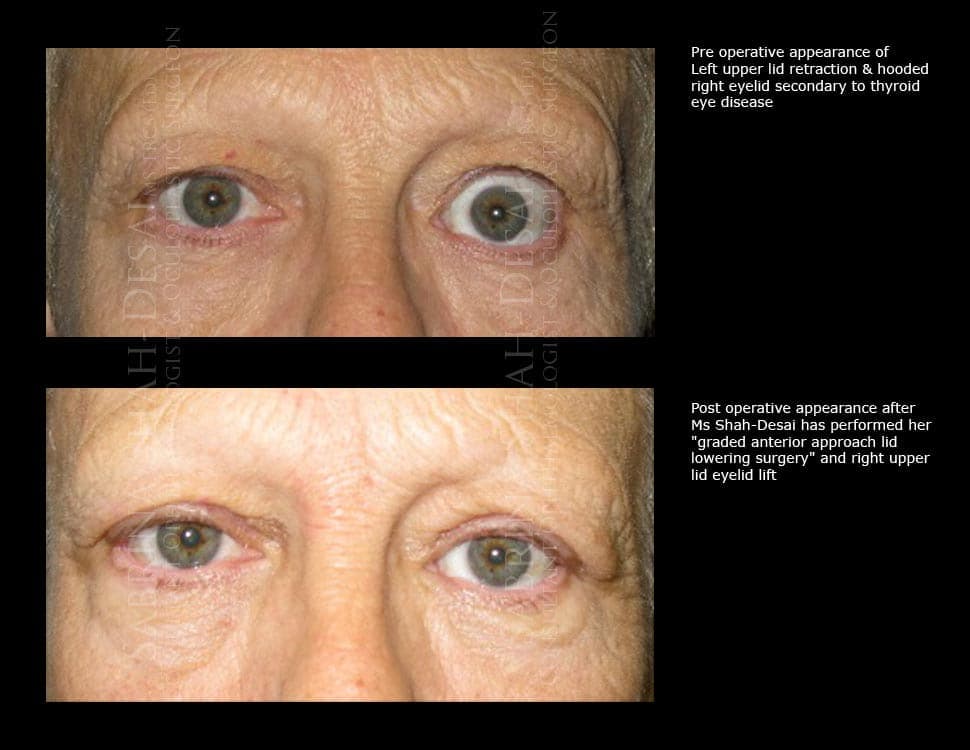
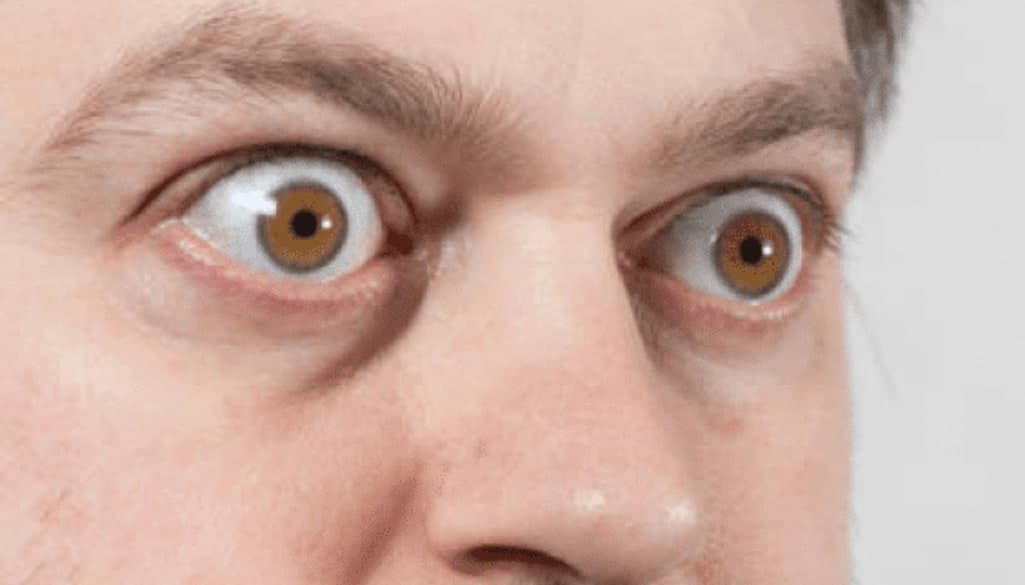
Thyroid lid lowering surgery is a specialised treatment for patients with thyroid eye disease (TED) who experience eyelid retraction, often causing a "staring" appearance. This condition results from the inflammation and swelling around the eyes commonly associated with TED. When the upper eyelid is retracted, it can leave the eyes feeling dry and irritated, impairing blinking function and exposing the eye surface.
This surgery works by carefully repositioning the eyelid to reduce its elevation, improving comfort, and protecting the eye. Often recommended for patients with stable TED, thyroid lid lowering surgery helps to restore a natural look and ease some of the discomfort and functional issues caused by eyelid retraction.
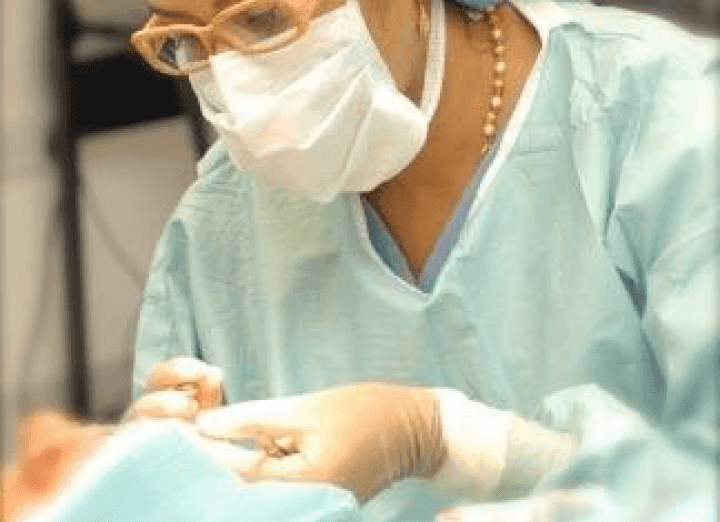
How Does Thyroid Lid Lowering Surgery Work?
Thyroid Eye Disease symptoms are assessed based on their activity level and severity. Activity is rated from 0 to 10, reflecting the degree of inflammation, while severity is categorised as mild, moderate, severe, or sight-threatening.
For mild cases without inflammation, treatments typically include lubricating eye drops and a daily dose of oral selenium (200 mcg for 6 months). If inflammation is present, additional treatments such as non-steroidal anti-inflammatory drugs (NSAIDs) or steroids might be needed. Double vision can be managed with Fresnel prisms, which stick onto eyeglass lenses to help realign the eyes.
For moderate to severe cases, especially those threatening sight, more aggressive treatments are used. This might include steroids, radiotherapy, or surgery during the active phase of the disease. Pulsed intravenous methylprednisolone works in about 85% of cases, while oral prednisolone is effective in around 60% of cases. Other drugs like Azathioprine, Cyclosporine, and Rituximab can also be used. Urgent orbital decompression may be necessary for severe cases that threaten vision, and lid surgery is considered if the cornea is at risk.
Radiotherapy can be helpful for progressive, active disease. Once the disease stabilises, restorative surgeries become an option. These can include orbital decompression for bulging eyes, squint surgery to correct double vision, lid-lowering surgery for staring eyes, and blepharoplasty to address eye bags.

Meet the Expert: Dr Sabrina Shah-Desai
Dr Sabrina Shah-Desai is the founder and Medical Director of Perfect Eyes Clinic. With over 25 years of surgical and non-surgical experience, she is considered one of the safest, most experienced oculoplastic surgeons in the UK.
Her extensive training, combined with her caring and empathetic nature, makes her a natural choice for patients seeking the very best care. Dr Sabrina has been listed in Tatler’s Beauty & Cosmetic Surgery Guide every year from 2019 to 2026.
Learn About Dr SabrinaThyroid Lid Lowering Surgery Cost in London
The figures below are surgeon’s fees.
- Thyroid Lid Lowering Surgeryfrom£4,000
Prices shown are surgeon’s fees. Where a procedure is undertaken for a diagnosed medical condition rather than solely for aesthetic purposes, VAT may not apply. Your VAT position will be confirmed in writing in your personalised quotation.
Frequently Asked Questions
The questions patients ask most often, answered by the clinic. If yours isn’t here, ask us directly - we would be delighted to help.
- Thyroid Eye Disease, also called Graves Orbitopathy, is a common orbital condition in the United Kingdom, impacting 1 out of 20 individuals. It is commonly linked to immune disorders of the thyroid, such as Graves' Disease or Hashimoto's Thyroiditis, and predominantly affects women, generally between their second and sixth decades of life.
- Here are some common symptoms:
Sore, red, and watery eyes
Dry eyes
Swollen eyelids
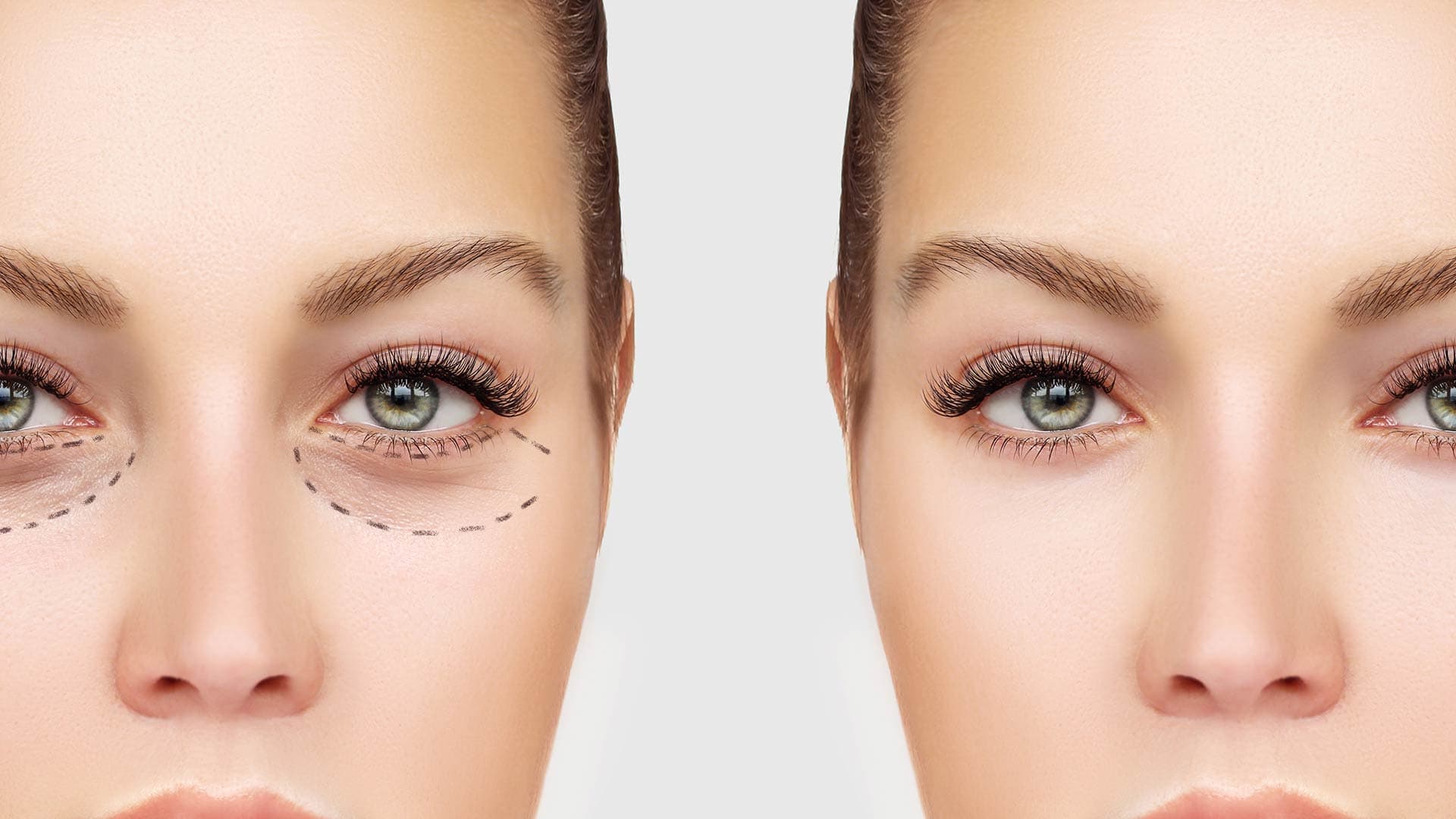
Under eye bags
Lid retraction (eyes appearing to "stare")
Gritty feeling in the eyes
Bulging eyes (proptosis or exophthalmos)
Double and blurred vision - In the active stage, Dr Sabrina recommends making positive lifestyle changes to help improve thyroid eye disease. Adopting an anti-stress or mindfulness practice, such as yoga, pilates, or counselling, can help improve your experience of thyroid eye disease. Monitoring your thyroid status every 4 to 6 weeks is also recommended. Smoking is known to affect the course of Graves Orbitopathy (GO) adversely and your response to treatment, so smokers are advised to quit and seek professional help if necessary. Aim to achieve and maintain euthyroid status, which needs to be overseen by an endocrinologist using medications, radioactive iodine, or thyroidectomy.
Note: Radioactive iodine is contraindicated in young children, women during pregnancy, and severe eye disease. Also, ensure the stability of eyelid height after graded anterior-approach lid lowering for Dysthyroid upper lid retraction, as thyroid orbitopathy possibly predisposes to late-onset periocular lymphoma. - Recovery from thyroid lid lowering surgery typically takes about two weeks. During the first week, it's important to take it easy - avoid bending over too much or blowing your nose. Once you've healed, your symptoms, like distorted eye appearance, discomfort, and vision issues, should improve.
- Yes, thyroid lid lowering surgery is considered a safe procedure, and the risk of serious complications is low. Make sure to communicate any concerns that you may have with your doctor.
- Thyroid lid lowering surgery is usually done under regional or general anaesthesia, meaning you'll be asleep or won't feel pain during the procedure. A local anaesthetic is also injected into the eyelid area.
- Possible side effects after orbital surgery can include:
Swelling and bruising
Scarring
Disrupted sensation
Blurred vision
Eyelid problems
Blindness
Persistent double vision (diplopia)
Call or email us today; we would be delighted to answer your questions.
Ask a Question or Book an AppointmentRated five stars by patients across the globe
4.9out of 5 from 250+ Google reviews





Book Your Consultation Today
Get personalised advice and expert care from our top medical professionals at 121 Harley Street, London.
Contact our clinic
Speak to our team about which treatment suits you, or arrange a private consultation at 121 Harley Street.