Xanthelasma
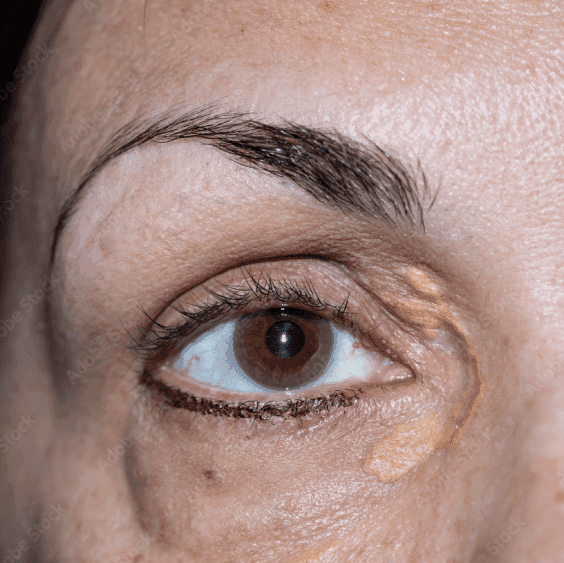
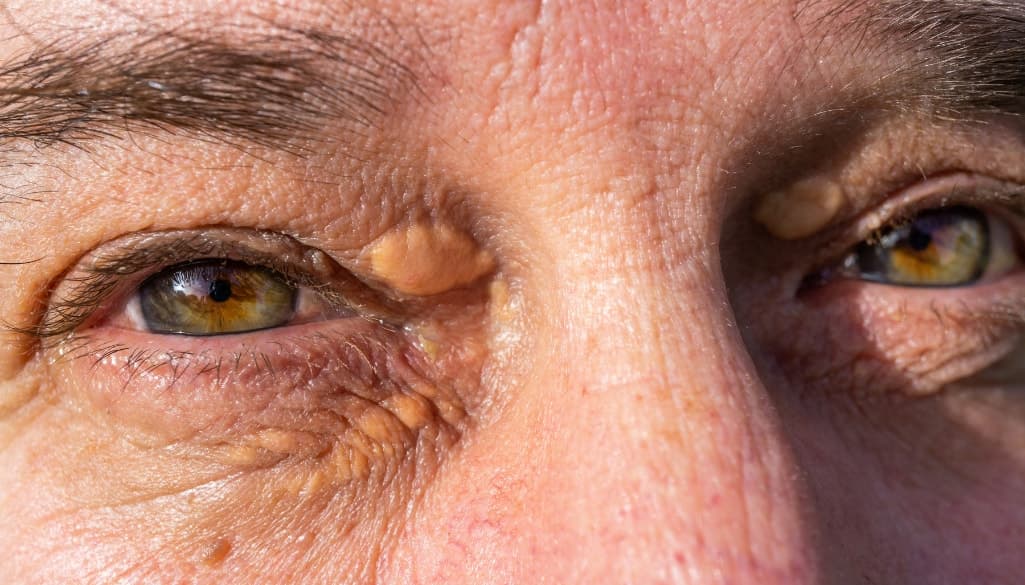
Xanthelasma are yellowish cholesterol deposits underneath the skin, often found on or around the eyelids. These deposits can cause aesthetic concerns and sometimes indicate underlying health issues. At Perfect Eyes Clinic, our dedicated team provides expert treatments to remove xanthelasma, ensuring your eyes look clear and revitalised.
What is Xanthelasma?
Xanthelasma is a small, yellowish patch that appears under the skin of the eyelid. It's sometimes called a cholesterol deposit. These patches are often seen in people with hyperlipidemia, familial hypercholesterolemia, or primary biliary cirrhosis but can also be seen in menopausal, diabetic, and normo-cholesterolemic patients.
However, they can also appear in people with normal cholesterol levels. Women are more likely to get xanthelasma eyelid than men, especially between the ages of 30 and 50. The patches are usually flat, painless, and don't affect vision. But some people may find them unsightly and bothersome.
Causes of Xanthelasma
Family History of Inherited High Cholesterol
You can inherit xanthelasma from your parents, which increases your risk of developing high cholesterol and these yellowish patches.
Diabetes Mellitus
Uncontrolled diabetes can lead to high cholesterol and triglyceride levels, increasing the risk of Xanthelasma.
Weight Gain and Obesity
Excess weight, particularly around the midsection, can contribute to high cholesterol and insulin resistance, leading to Xanthelasma.
Thyroid Issues (Hypothyroidism)
An underactive thyroid gland (hypothyroidism) can cause high cholesterol levels, increasing the risk of Xanthelasma.
Chronic Inflammation
Ongoing inflammation in the body can contribute to high cholesterol and the development of Xanthelasma.
Excessive Alcohol Consumption
Drinking too much alcohol can lead to high triglyceride levels, liver disease, and an increased risk of Xanthelasma.
Low-Fibre Diet
A diet lacking fibre can contribute to high cholesterol levels, increasing the risk of Xanthelasma.
Smoking
Smoking can damage blood vessels, increase inflammation, and contribute to high cholesterol levels, all of which can increase the risk of Xanthelasma.
Accredited & recognised by


Treatments for Xanthelasma
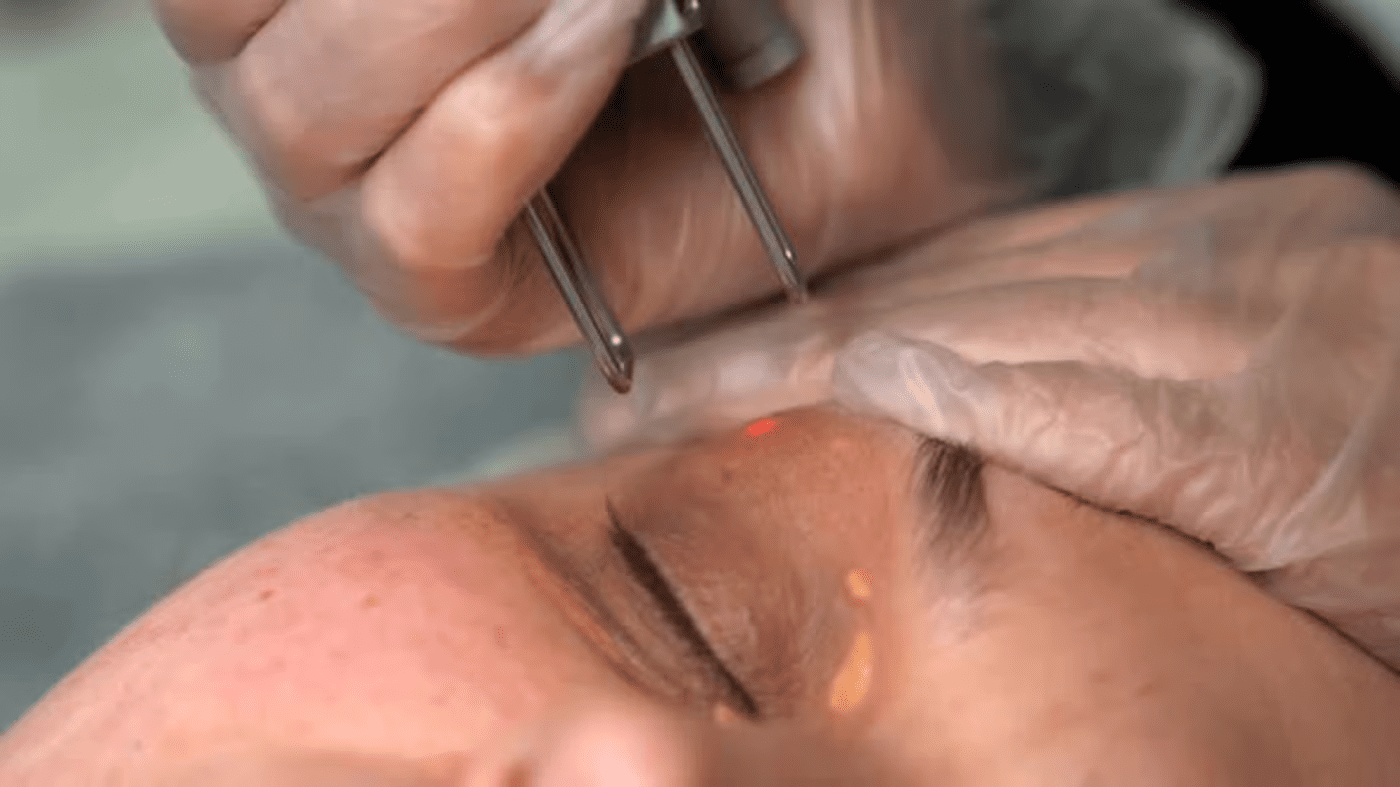
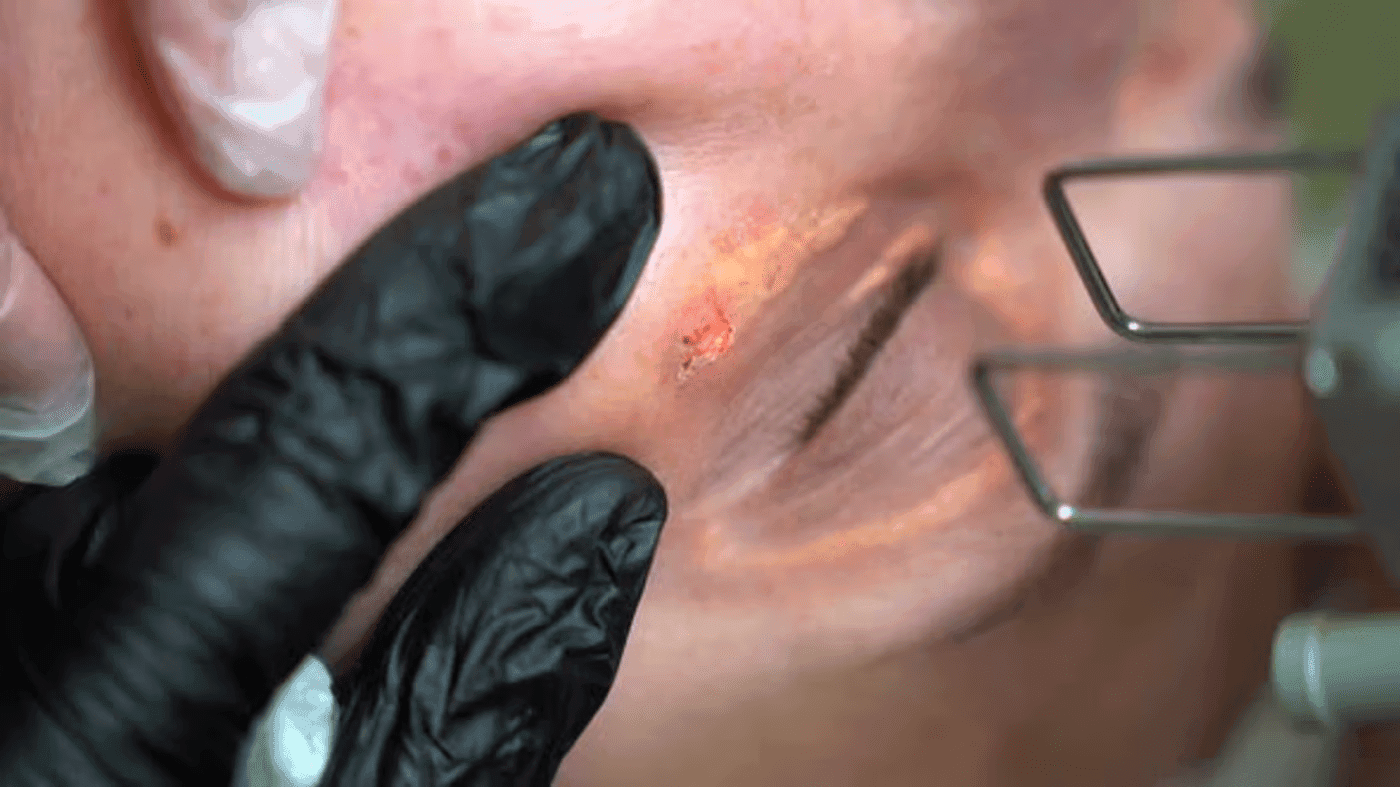
Argon Lasers
An argon laser is a good and easy way to treat small xanthelasma lesions that are less than 1cm. The laser treats the skin's surface without scarring.
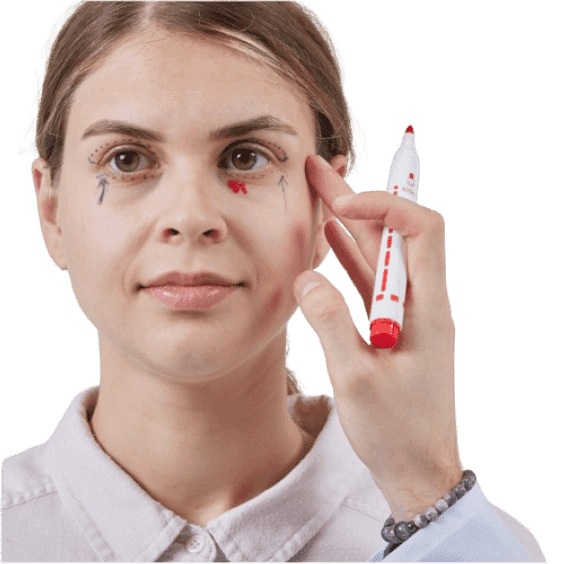
Xanthelasma Removal Surgery
The surgical correction aims to excise the lesions. This can range from a simple 30-minute procedure to a more complex 90-minute procedure, which involves sliding in a flap of normal skin.

Meet the Expert: Dr Sabrina Shah-Desai
MS, FRCS (Ed) Ophth
Dr Sabrina Shah-Desai, MS, FRCS (Ed) Ophth is a multi-award-winning Oculoplastic Reconstructive Surgeon and Aesthetic Practitioner specialising in reconstructive, revisional, and cosmetic surgery of the eyelids, as well as non-surgical treatments for the eyes and face. With 25 years of surgical and 17 years of non-surgical experience, she is globally recognised for her pioneering, minimally invasive techniques.
Listed in Tatler’s Beauty & Cosmetic Surgery Guide every year from 2019 to 2026, she is known as the “go-to” surgeon for discerning patients seeking subtle, natural results, and is highly sought after for revisional procedures by those who have undergone previous fillers or eyelid surgeries.
- Listed on the Royal College of Surgeons of England register of Board-Certified Cosmetic Surgeons
- Listed in Tatler’s Beauty & Cosmetic Surgery Guide every year from 2019 to 2026
- 25 years of surgical and 17 years of non-surgical experience
Frequently asked questions
Call or email us today, we would be delighted to answer your questions.
- Xanthelasma appears as yellow growths on or near the eyelids. They form when there's a buildup of cholesterol under the skin. Although xanthelasma is not harmful, it can indicate heart disease.
- Xanthelasma generally does not disappear by itself. However, they may not increase in size if cholesterol levels are managed well. There are also various treatments available if you choose to have them removed by a doctor.
- Although xanthelasma is not harmful, if you're not happy with how it looks, your oculoplastic surgeon can help you remove it. Remember, having xanthelasma could be a sign of being more likely to develop heart disease, so it's important not to ignore this skin condition and have it checked out by a doctor.
- The removal of a small xanthelasma from the eyelids is a simple and painless outpatient procedure that takes around 30 minutes. You will be given a local anaesthetic, which may sting a little, but you won't feel any pain during the procedure.
- High cholesterol, inflammation, being overweight, and having diabetes can make xanthelasma worse. Another cause of xanthelasma is a condition called dyslipidemia, where there is an excessive amount of lipids in the bloodstream.
- Getting enough sleep, staying hydrated, and using a cold compress are good home remedies for reducing eyelid fat. If you smoke, quitting can also help because smoking causes dry eyes, leading to more rubbing of the eyes, which can result in baggy eyelids.
Rated five stars by patients across the globe
4.9out of 5 from 250+ Google reviews
Related Blogs
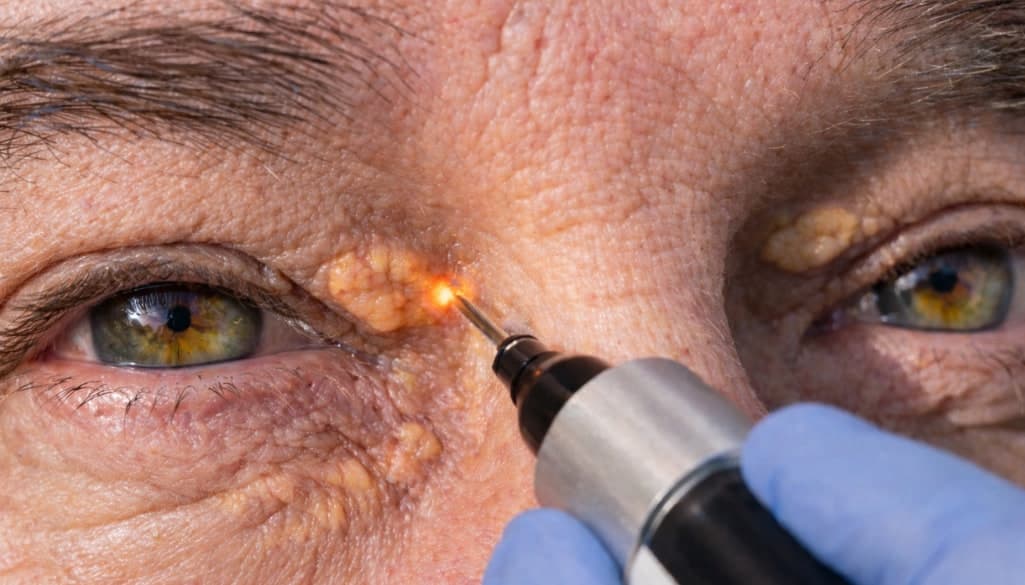
Best Xanthelasma Removal in London: Causes, Treatments, and More
Seeing yellow patches appearing on your eyelids can make you feel irritated, especially when they gradually become more visible. If…
Cholesterol Bumps Under Eyes: Causes, Treatments, and More
Have you ever stared in the mirror and noticed small, yellowish bumps under your eyes, wondering if your morning coffee habit is catching up with…
Book Your Consultation Today
Get personalised advice and expert care from our top medical professionals at 121 Harley Street, London.
Contact our clinic
Speak to our team about which treatment suits you, or arrange a private consultation at 121 Harley Street.