Seeing yellow patches appearing on your eyelids can make you feel irritated, especially when they gradually become more visible. If you are looking for the best xanthelasma removal in London, you are already doing the right thing. It doesn’t really matter whether the xanthelasma is in its early stages or just the beginning; what matters is getting the right treatment, since the area around the eye is very sensitive.
There are quite a few safe alternatives in London, such as xanthelasma laser removal or simple surgical techniques, but choosing the right clinic can be a bit perplexing. Through this guide, you will get a clear understanding of the treatments, know the xanthelasma removal cost in UK that most clinics charge, and get the top 5 London clinics that are the safest in the treatment of xanthelasma.
What Exactly Is Xanthelasma?
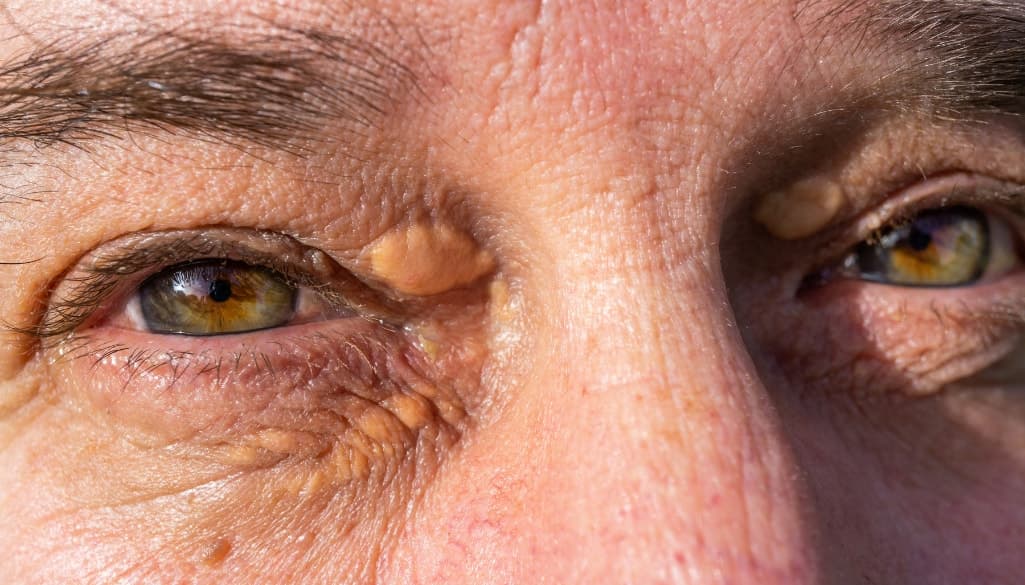
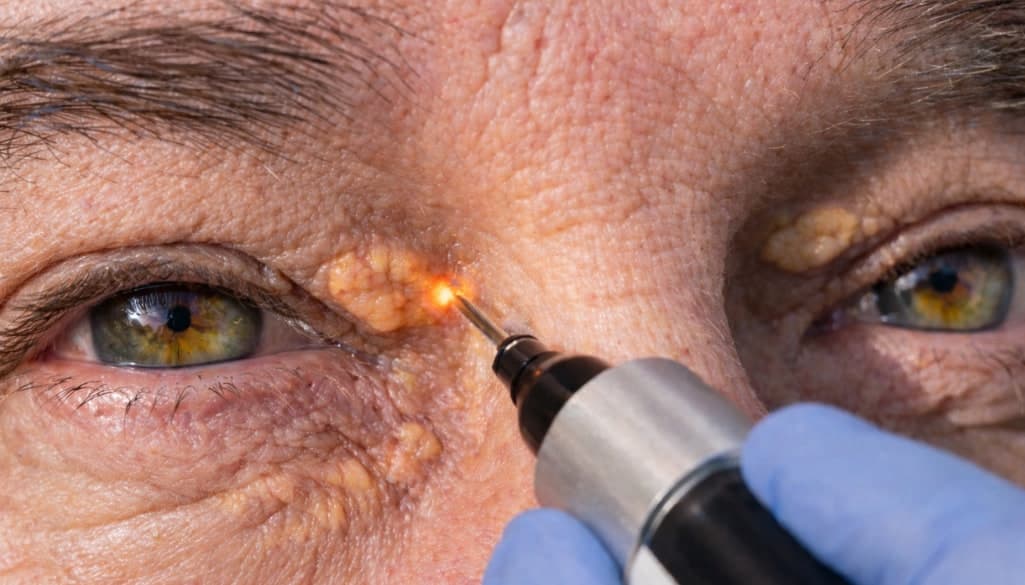
Xanthelasma is a condition in which a person's eyelids are covered with soft, yellowish deposits composed of cholesterol. Usually, the inner corners near the nose are affected. Quite a few times, people only discover them while doing their makeup or when taking pictures. It is very close to being a "must" in the following categories:- If you have high cholesterol, you are almost certain to develop xanthelasma at some point.
- Moreover, individuals with a family history of xanthelasma are also at increased risk.
- Those who have liver or metabolic problems are also in the high-risk category.
- People over 35 are more likely to develop xanthelasma than younger people.
Beginning Stages of Xanthelasma: What Early Signs Look Like
Many people at the early stage of xanthelasma mistake it for mild discolouration, very small lumps, or slight thickening of the skin around the eye corners. Some early symptoms may be:- Pale yellowish areas close to the tear ducts
- Slowly forming flat and soft bumps
- Slight alteration of skin texture
- Expression of the same idea on both eyes in the form of patches
Why Early Treatment Matters?
Just xanthelasma newly developed means:- That which is easier to remove
- Lower probability of scarring
- Shorter recovery time
- The number of sessions required is quite limited
What Are The Causes of Xanthelasma?
Some of the most common factors include:01. High cholesterol
Even if cholesterol levels are only slightly elevated, deposits can settle in the eyelids. This is often associated with Cholesterol Bumps Under Eyes, a visible sign that may indicate underlying lipid imbalance.02. Genetic predisposition
Some people develop xanthelasma even with normal cholesterol levels.03. Metabolism issues
Liver enzyme issues or thyroid disorders may contribute to the issue.04. Ageing
Skin thins with age, making deposits more visible. In many people, it develops slowly over years, often starting with tiny yellow patches that grow in width and thickness.Most Effective Xanthelasma Removal Treatments
London offers several advanced treatment techniques. Below are the options used at top clinics today, with detailed explanations so you fully understand how each one works.01. Xanthelasma Laser Removal
This is one of the most searched treatments because it offers precision, safety, and predictable results. Many clinics use CO₂ lasers, Er: YAG lasers, or plasma spark devices.How xanthelasma laser removal works:
- A controlled laser beam vaporises the cholesterol deposits
- It targets the plaque layer by layer without damaging the surrounding tissue.
- Heat seals small blood vessels, reducing bleeding.
- Healing takes place over 5-7 days.
- Results are usually long-lasting.
Benefits:
- Highly precise
- Suitable for delicate eyelid skin
- Minimal scarring risk
- Short downtime
Best for:
Thin to moderate plaques, early-stage cases, and patients wanting a non-surgical, quick procedure.02. Surgical Excision
This is a more invasive but effective method for larger or fibrotic plaques.How it works:
- A surgeon removes the plaque using micro-incisions
- The skin is carefully stitched to reduce scarring.
- Healing typically takes 7-10 days.
Pros:
- Removes thick or recurring plaques
- One-session solution
Cons:
- Higher downtime
- Slight risk of scarring
03. Plasma Pen / Electrocautery
This method uses controlled heat energy to remove xanthelasma.How it works:
- Plasma sparks generate tiny arcs
- Cholesterol deposits are vaporised.
- Skin scabs over and heals with new, fresh tissue.e
Pros:
- Effective for mild-to-moderate plaques
- Budget-conscious alternative to lasers
Cons:
- Results depend heavily on practitioner skill
- May require multiple sessions
Best Clinics for Xanthelasma Removal in London
Finding the right place for xanthelasma removal can feel confusing, especially because the eyelid area is so delicate. To make things easier, here’s a simple look at five reliable clinics in London known for treating xanthelasma eyelid plaques safely.01. Perfect Eyes Clinic: Eye-Area Specialists
A clinic known for focusing only on the eye area. They offer laser, plasma, and minor excision, choosing the method based on the thickness and depth of the plaque. They are gentle on sensitive eyelid skin, making them suitable for early-stage xanthelasma.Best for:People who want an eye-focused clinic with customised treatment plans.
02. The Cadogan Clinic: Dermatology-Led Care
A medical clinic with dermatologists and plastic surgeons. They use both laser and surgical excision and also offer cholesterol assessments for complex cases.Best for:Patients with recurring or deeper plaques who prefer a hospital-style setting.
03. Skin55 Clinic (Harley Street): Laser Experts
Known for advanced laser options and experienced practitioners. They guide patients on whether laser, plasma, or surgery is best for their plaque type.Best for:Those looking for precise xanthelasma laser removal with minimal downtime.
04. Dermamina London: Non-Surgical Focus
Popular for plasma fibroblast and other non-invasive options. Good for people who want to avoid surgery and have mild or early plaques.Best for:Patients want fast recovery and softer, non-surgical treatments.
05. The Private Clinic London: Ideal for Larger Plaques
They specialise in surgical excision for thick or stubborn plaques and offer combination treatment plans when needed.Best for:Advanced, large, or repeatedly recurring plaques.
Final Thoughts
Finding the Best Xanthelasma Removal in London is about selecting a clinic that understands both the cosmetic and medical aspects of this condition. By various treatment options, such as xanthelasma laser removal to surgical excision, there is an answer for every plaque size, skin type, and stage of development. Thanks to its skilled practitioners and top-of-the-line technology, London remains one of the best cities for advanced xanthelasma treatments. No matter if you have early signs or more established plaques, the right treatment can be the key to your lasting clarity and confidence.Good to know
Frequently asked questions
Still unsure? Our team is glad to talk you through anything before you book.
- No. It is a safe condition, but it can be a sign of cholesterol problems.
- Certainly, the laser and plasma treatments have a quicker effect on thinner deposits.
- To a very few patients, a mild stinging sensation is felt. The area is numbed with a cream.
- Yes; however, recurrence after proper treatment and cholesterol control is less likely.
- Clinics use different settings to prevent pigmentation changes.