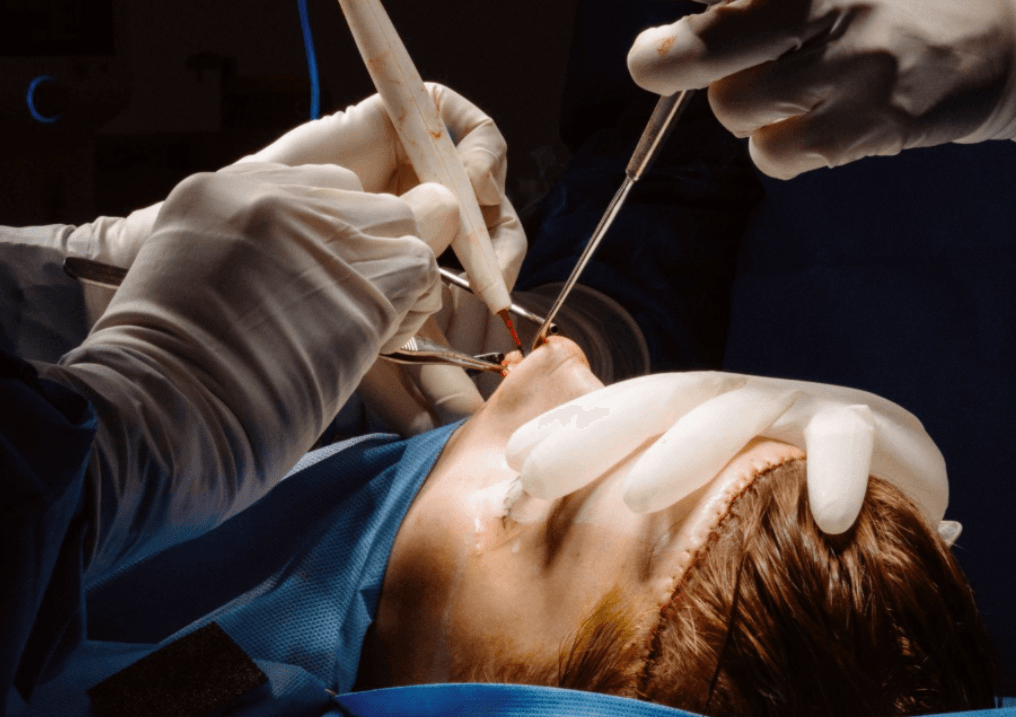
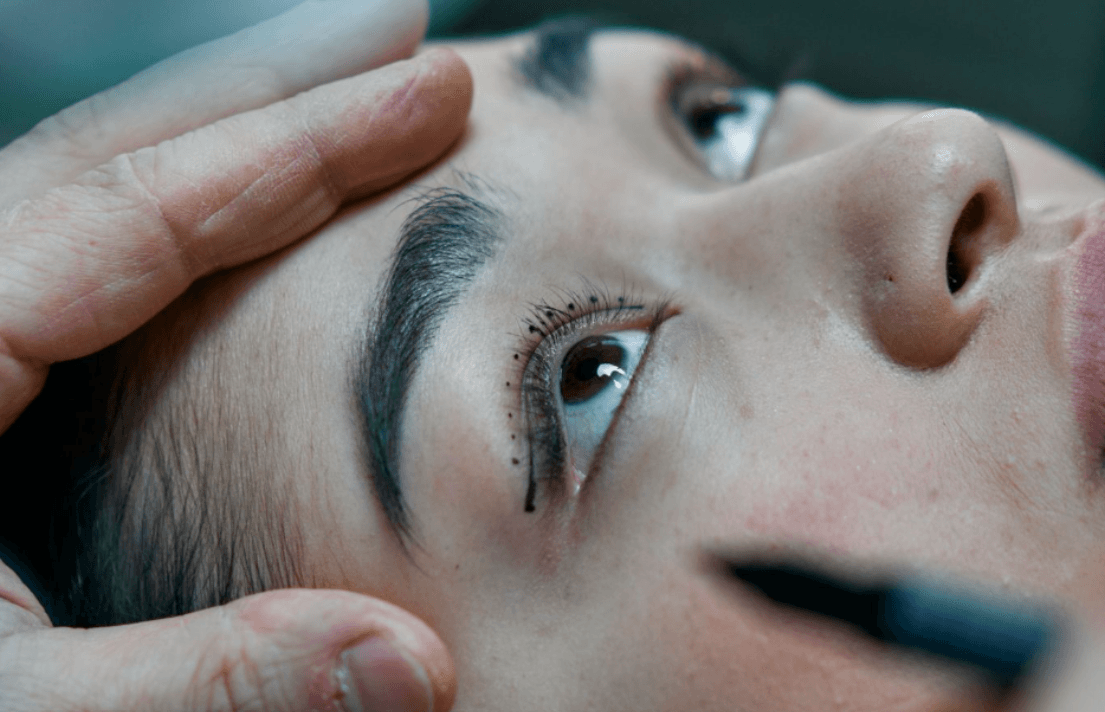
Under-eye bags are one of the most common concerns patients notice when looking in the mirror. They can make the face appear tired or puffy, even when you feel well rested.
For some people, under-eye bags are mainly related to changes in the lower eyelid tissues. In others, skin laxity, changes in fat position, the shape of the eye socket, or hollowness beneath the eyes can all contribute.
Eye bag removal surgery, often considered as part of lower eyelid surgery, can address some of these structural changes. However, it is not suitable for every type of under-eye concern.
The consultation is therefore an important part of the process. It allows a specialist to establish what is causing the appearance of under-eye bags, assess the health and structure of the lower eyelids, and determine whether surgery may be appropriate.
At Perfect Eyes Clinic, the emphasis is on a detailed assessment and an individualised treatment plan rather than treating every under-eye concern in the same way.
What Is Eye Bag Removal Surgery?
Eye bag removal surgery is a procedure designed to address changes affecting the lower eyelid, particularly prominent or displaced fat and, in selected cases, excess skin.
The procedure may involve:
- Removing or repositioning excess lower-eyelid fat
- Addressing excess lower-eyelid skin where appropriate
- Improving the contour between the lower eyelid and cheek
- Supporting or repositioning lower-eyelid tissues where required
The exact approach depends on the patient’s anatomy.
Importantly, not every person with under-eye bags needs skin removal. In some cases, the main issue is the position of the fat beneath the eye rather than excess skin.
This is one of the reasons a detailed consultation is essential.
What Causes Under-Eye Bags?
Under-eye bags can develop for several reasons.
| Possible cause | What you may notice |
| Age-related changes | Lower-eyelid tissues may become less firm and fat may become more prominent |
| Fat protrusion | Fat beneath the eye can become more visible, creating a puffy appearance |
| Skin laxity | Looser skin can contribute to folds beneath the eyes |
| Genetics | Some people naturally develop prominent under-eye bags earlier in life |
| Facial anatomy | The shape of the eye socket and cheek can influence the appearance |
| Tear trough hollows | A hollow beneath the eye can create a shadow that makes bags appear more prominent |
| Malar bags or festoons | Puffiness lower down over the upper cheek can sometimes be mistaken for conventional eye bags |
| Fluid retention | Temporary swelling can make the area appear more puffy |
Several factors can exist at the same time.
For example, someone may have prominent lower-eyelid fat as well as a hollow beneath the eye. Removing the fat alone may not address the shadow created by the hollow.
Is Eye Bag Removal Suitable for Everyone?
No.
The appropriate treatment depends on what is causing the appearance of the lower eyelids.
During your consultation, a specialist will consider:
- The amount and position of lower-eyelid fat
- Skin quality and elasticity
- Lower-eyelid position
- The shape of the eye socket
- The relationship between the lower eyelid and cheek
- The presence of under-eye hollows
- Any malar bags or festoons
- Eye health
- Previous eye or facial procedures
- Your expectations
This assessment helps determine whether surgery may be appropriate and what it could realistically achieve.
What Happens During an Eye Bag Removal Consultation?
A consultation is much more than simply deciding whether you have “eye bags”.
1. Your Concerns Are Discussed
Your specialist will want to understand what bothers you about the area beneath your eyes.
You may be concerned about:
- Puffy lower eyelids
- A tired appearance
- Excess skin
- Under-eye shadows
- Asymmetry
- Changes that have developed with age
- A combination of puffiness and hollowness
It can also be helpful to explain whether the appearance changes throughout the day.
For example, some puffiness may be more noticeable in the morning, whereas structural fat prominence tends to be more consistent.
2. Your Medical and Treatment History Is Reviewed
Your specialist may ask about:
- Previous eye surgery
- Previous facial surgery
- Previous cosmetic treatments around the eyes
- Eye conditions
- Dry eyes
- Vision changes
- Current medications
- Relevant medical conditions
- Previous problems with healing or anaesthesia
If you have had previous lower-eyelid surgery, this is particularly important because the existing anatomy may already have been altered.
3. The Lower Eyelids Are Examined
The specialist will assess the lower eyelids in detail.
This may include looking at:
- Skin quality
- Skin laxity
- Fat prominence
- Lower-eyelid position
- Eyelid support
- Symmetry
- The transition between the eyelid and cheek
The aim is to understand which structures are contributing to the appearance.
4. Your Eye Health Is Considered
The lower eyelids help protect the surface of the eye.
Your specialist may therefore assess eyelid closure and other aspects of eye health, particularly if you have symptoms such as dryness, irritation or watering.
Existing eye-surface problems are important to discuss before considering eyelid surgery.
Why Is the Consultation So Important?
Under-eye bags are not all the same.
For example, a patient with prominent lower-eyelid fat may require a very different approach from someone whose main concern is skin laxity or a deep tear trough.
A consultation can help answer:
- What is actually causing my under-eye bags?
- Is there excess fat, skin, or both?
- Are hollows contributing to the appearance?
- Could malar bags or festoons be involved?
- Would surgery address the main concern?
- What improvement is realistic?
This helps avoid treating the wrong structure.
What Does Eye Bag Removal Surgery Involve?
The exact surgical approach varies according to the patient’s anatomy.
Addressing lower-eyelid fat
One of the main aims of lower eyelid surgery can be to address prominent fat beneath the eyes.
Depending on the individual anatomy, fat may be removed or repositioned rather than simply taken away.
The goal is to create a smoother transition between the lower eyelid and cheek while maintaining a natural appearance.
Addressing excess skin
If there is significant lower-eyelid skin laxity, a carefully planned amount of skin may be addressed.
However, removing too much skin can affect eyelid position and closure, which is why the amount of skin available must be assessed carefully.
Considering the lower-eyelid support
In some patients, the supporting structures of the lower eyelid need to be considered as part of the surgical plan.
This is particularly relevant when there is existing laxity or when previous surgery has altered the lower eyelid.
Can Eye Bag Surgery Treat Under-Eye Hollows?
Not necessarily.
Under-eye bags and hollows are different concerns.
A patient may have prominent fat creating a bag-like appearance while also having a hollow beneath it. The contrast between the two can create a shadow that makes the area look more pronounced.
If hollowness is a significant part of the concern, simply removing more fat may not produce the desired appearance.
This is why the relationship between the lower eyelid, tear trough and cheek should be assessed as part of the consultation.
What About Malar Bags and Festoons?
Malar bags and festoons are often confused with conventional under-eye bags.
They occur lower down, around the upper cheek, and can have different causes and treatment considerations.
If puffiness extends beyond the lower eyelid onto the cheek, it is important to establish whether the concern is:
- Lower-eyelid fat
- Malar bags
- Festoons
- Fluid retention
- A combination of factors
A specialist assessment can help distinguish between them.
What Is Recovery Like After Eye Bag Removal Surgery?
Recovery varies depending on the procedure performed and the individual patient.
It is common to experience some degree of:
- Swelling
- Bruising
- Tightness
- Temporary asymmetry
- Mild discomfort
- Changes in sensation around the eyelids
The early postoperative appearance should not be considered the final result.
Swelling can make the eyelids appear uneven or different from the expected outcome during the first stages of healing. The tissues generally need time to settle.
Your specialist will provide individual postoperative instructions and advise you on returning to normal activities.
What Can I Expect During the First Few Days?
During the early recovery period, swelling and bruising are common.
You may be advised to:
- Rest and avoid strenuous activity initially
- Keep your head elevated when resting
- Follow wound-care instructions
- Use prescribed or recommended medication as directed
- Avoid rubbing or putting pressure on the eyes
- Attend your scheduled follow-up appointments
Your exact instructions will depend on the procedure and your individual recovery.
How Long Does It Take to Recover?
There is no single recovery timeline for everyone.
Bruising and swelling often become less noticeable as the early healing period progresses, but subtle swelling and tissue changes can persist for longer.
The final appearance may take time to settle.
Your surgeon will explain the expected recovery for your specific procedure and when you can return to activities such as exercise, work and wearing eye makeup.
Will My Eyes Look Different Immediately After Surgery?
They may.
It is normal for the lower eyelids to look swollen or bruised following surgery. Temporary asymmetry can also occur as one side heals at a slightly different rate from the other.
This does not necessarily indicate a problem with the final result.
It is important to allow the tissues time to heal before judging the outcome.
What Are the Risks of Eye Bag Removal Surgery?
As with any surgical procedure, lower eyelid surgery carries potential risks.
These can include:
- Bleeding or bruising
- Infection
- Scarring
- Persistent swelling
- Asymmetry
- Changes in sensation
- Dry or irritated eyes
- Difficulty closing the eyes
- Changes in lower-eyelid position
- Changes in the contour of the lower eyelid
- Need for further treatment
The risks vary depending on the patient’s anatomy, the surgical technique and whether they have undergone previous eyelid surgery.
Your individual risks should be discussed during your consultation.
Eye Bag Removal Consultation: What Will Be Assessed?
| Assessment area | Why it matters |
| Lower-eyelid fat | Determines whether prominent or displaced fat contributes to the bags |
| Skin quality | Helps assess whether skin laxity contributes to the appearance |
| Eyelid position | Important for planning surgery and protecting the eye |
| Eyelid support | Helps identify whether additional structural considerations are needed |
| Under-eye hollows | Determines whether shadows or volume loss contribute to the appearance |
| Malar area | Helps distinguish eye bags from malar bags or festoons |
| Eye surface | Identifies dryness or other concerns that may affect surgical planning |
| Facial symmetry | Helps establish natural differences between the two sides |
| Previous procedures | Important when the eyelid anatomy has already been altered |
| Your expectations | Helps establish what outcome is realistic |
When Should You Seek Advice After Surgery?
Your surgeon will explain which symptoms are expected during recovery and which require further assessment.
Seek prompt medical advice if you experience symptoms such as:
- Sudden changes in vision
- Significant or rapidly increasing swelling
- Severe pain
- Significant bleeding
- Increasing redness or discharge
- Difficulty closing the eye
- Any sudden change that concerns you
If you are unsure whether a symptom is part of normal recovery, it is better to contact your surgical team for advice.
Questions to Ask During Your Consultation
Before deciding whether to have eye bag removal surgery, you may want to ask:
- What is causing my under-eye bags?
- Is the main issue fat, skin, hollowness or a combination?
- Could I have malar bags or festoons instead?
- Would surgery address my main concern?
- Would fat be removed or repositioned?
- Would my lower-eyelid skin need to be addressed?
- How will my existing eyelid anatomy affect the procedure?
- What improvement can realistically be expected?
- What will recovery involve?
- What are the risks specific to my eyes?
- How long should I expect swelling to last?
- What happens if I decide not to proceed with surgery?
When Is an Assessment Particularly Important?
Consider a specialist assessment if you have:
- Persistent or prominent under-eye bags
- Bags that have become more noticeable with age
- A combination of puffiness and hollowness
- Lower-eyelid skin laxity
- Asymmetry between the eyes
- Previous lower-eyelid surgery
- Concerns about the position or function of your lower eyelids
- Dryness or irritation around the eyes
- Uncertainty about whether you have eye bags, malar bags or another concern
An assessment can provide clarity before you decide whether to pursue treatment.
A Personalised Approach to Under-Eye Bags
There is no single type of under-eye bag, and there is no single approach that is appropriate for everyone.
The lower eyelid is a delicate anatomical area where skin, muscle, fat, supporting tissues and the eye itself all interact. A treatment that is appropriate for one patient may not be suitable for another.
At Perfect Eyes Clinic, an eye bag removal consultation involves assessing the lower eyelids and surrounding facial structures alongside your medical history, eye health and individual concerns.
The aim is to understand what is causing the appearance of your under-eye bags, whether surgery may be appropriate and what can realistically be achieved.
If you are considering eye bag removal surgery, a detailed consultation is the first step towards understanding your options and planning care that is appropriate for your individual anatomy.
Frequently asked questions
Still unsure? Our team is glad to talk you through anything before you book.
- Eye bag removal surgery is a form of lower eyelid surgery that may address prominent lower-eyelid fat, excess skin and other structural changes contributing to under-eye bags. The exact approach depends on the individual’s anatomy.
- Eye bag removal is often used to describe lower blepharoplasty, although the exact procedure varies between patients. Lower eyelid surgery may involve fat repositioning, fat removal, skin adjustment or other structural considerations.
- No. Under-eye bags can be influenced by fat prominence, skin laxity, facial anatomy, ageing, hollowness, fluid retention and other factors.
- Not necessarily. Hollows and bags are different anatomical concerns. If hollowness contributes significantly to the appearance, your treatment plan needs to account for this rather than simply removing more fat.
- Malar bags and lower-eyelid bags are different concerns and may require different approaches. An assessment can help determine which structures are contributing to the appearance.
- Recovery varies between patients and depends on the procedure performed. Bruising and swelling generally improve during the early healing period, while subtle changes can take longer to settle.
- The appearance changes during recovery as swelling settles and the tissues heal. Your specialist will explain when it is reasonable to assess the outcome of your particular procedure.
- Surgery can address existing structural changes, but it does not stop the natural ageing process. The appearance of the lower eyelids can continue to change over time.
- No. Suitability depends on your anatomy, eye health, skin quality, eyelid position, previous procedures, expectations and the cause of your under-eye concern.
- Yes. A detailed assessment is important because under-eye bags can have several different causes. Understanding the underlying anatomy helps determine whether surgery may be appropriate and what it could realistically achieve.