Eyelid Cancer
Eyelid cancer can present itself as unusual growths or lesions on the eyelids, which can affect your appearance and confidence. Early detection and treatment are essential to effective care. At Perfect Eyes Clinic, our specialist team provides expert diagnosis and reconstructive treatment.
What is Eyelid Cancer?
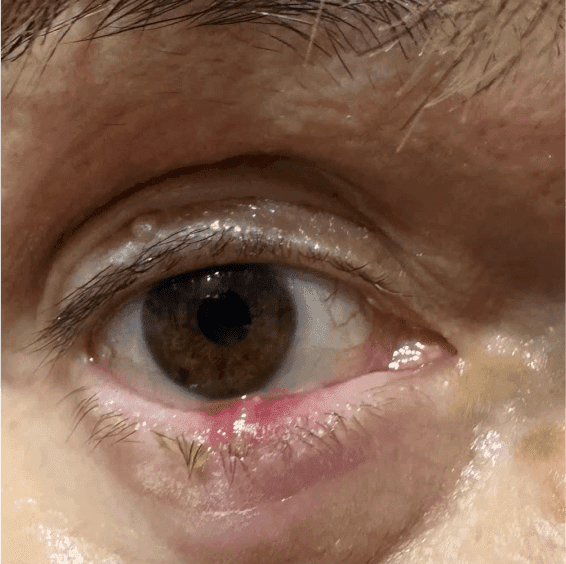
Eyelid cancer often affects the skin or glands of the eyelid. It primarily develops on the eyelids. The most common type of skin cancer in the eye area is basal cell carcinoma (BCC), which comes from basal cells and is sometimes called a "rodent ulcer" because it grows slowly.
The second most common type of skin cancer in the eye area is squamous cell carcinoma (SCC), which is more aggressive than BCC and can spread to other parts of the body. Both types of cancer can appear as painless lumps or sores that don't heal and may cause ulceration, bleeding, crusting, changes to the eyelid's shape, and loss of eyelashes.
Sebaceous gland carcinoma is a rare but severe form of eye cancer, which can show up as a recurring chalazion, persistent eyelid inflammation, chronic red eye, or thickening of the eyelid.
Risk Factors for Eyelid Cancer
Sun Exposure
Extended exposure to ultraviolet (UV) rays is the leading cause of eyelid cancer, especially in individuals with fair skin, light eyes, and blond or red hair.
Family History
A family history of skin cancer significantly increases the likelihood of developing eyelid cancer, making genetic predisposition a critical risk factor to consider.
Genetic Disorders
Rare genetic conditions like basal cell nevus syndrome, xeroderma pigmentosum, or albinism elevate the risk of developing eyelid cancer due to inherent vulnerabilities.
Weakened Immune System
People with weak immune systems are more susceptible to eyelid cancer, as their bodies have a reduced ability to fight off harmful cell changes.
Smoking
Smoking is associated with an increased risk of squamous cell skin cancer and impacts the sensitive skin surrounding the eyelids.
Radiation
Previous radiation treatments to the face can increase the chances of developing eyelid cancer, especially if exposure occurs at a younger age.
Age
As you age, particularly after 50, the risk of eyelid cancer rises, with prolonged exposure to environmental factors accumulating over time.
Eye Colour and Skin Tone
Individuals with blue, grey, or green eyes and those with fair skin or freckles are at a higher risk of developing eye melanoma, especially with abnormal pigmentation in the uvea or iris.
Moles
People with numerous or atypical moles, which may have irregular shapes or colours, have a high risk of developing both skin and eye melanomas due to their tendency to become cancerous.
Accredited & recognised by



Treatment for Eyelid Cancer
Reconstructive Surgery
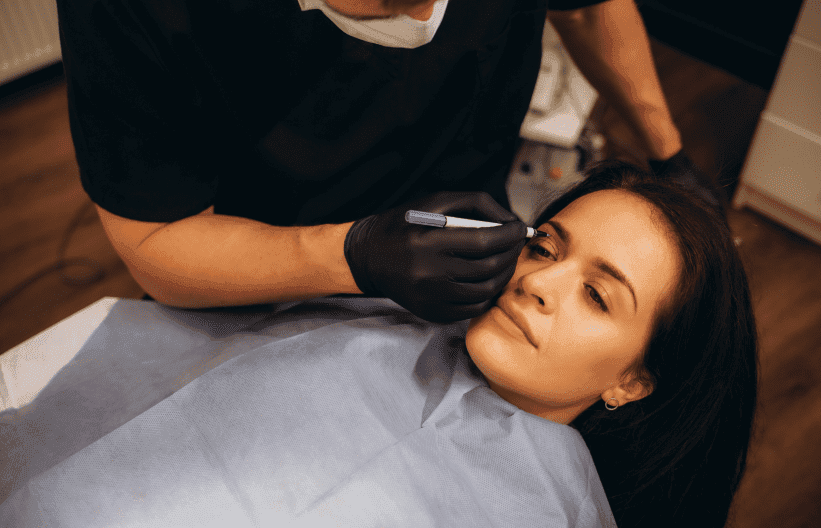
Reconstructive surgery for eyelid cancer involves removing the skin cancer and then restoring the function and appearance of the eyelid by rebuilding it.

Meet the Expert: Dr Sabrina Shah-Desai
MS, FRCS (Ed) Ophth
Dr Sabrina Shah-Desai, MS, FRCS (Ed) Ophth is a multi-award-winning Oculoplastic Reconstructive Surgeon and Aesthetic Practitioner specialising in reconstructive, revisional, and cosmetic surgery of the eyelids, as well as non-surgical treatments for the eyes and face. With 25 years of surgical and 17 years of non-surgical experience, she is globally recognised for her pioneering, minimally invasive techniques.
Listed in Tatler’s Beauty & Cosmetic Surgery Guide every year from 2019 to 2026, she is known as the “go-to” surgeon for discerning patients seeking subtle, natural results, and is highly sought after for revisional procedures by those who have undergone previous fillers or eyelid surgeries.
- Listed on the Royal College of Surgeons of England register of Board-Certified Cosmetic Surgeons
- Listed in Tatler’s Beauty & Cosmetic Surgery Guide every year from 2019 to 2026
- 25 years of surgical and 17 years of non-surgical experience
Frequently asked questions
Call or email us today, we would be delighted to answer your questions.
The initial signs to watch out for include a growth on the eyelid that can be red, brown, or black, broken skin on the eyelid that does not heal, and a change in the appearance of the eyelid skin. Other signs and symptoms can include:
- A painless, reddish growth that feels smooth, shiny, and firm.
- A sore that bleeds or develops a scab.
- A rough, brown, or red patch.
- It's rare to experience pain unless the cancer has extended to the nerves or inside the eye and has elevated the pressure inside the eye (intraocular pressure). Eyelid cancer might not always display obvious symptoms and may only be detected during a regular eye examination.
Signs of eyelid cancer may include:
- A swelling on your eyelid that's getting larger.
- Persistent skin irritation with loss of fine lanugo hair on the skin.
- Skin irritation.
- Bleeding from the lump.
- Change in colour of an eyelid lump.
These signs can also be caused by less serious eyelid conditions, so they do not always indicate cancer. Nonetheless, having these symptoms assessed by a doctor as soon as possible is crucial.
Rated five stars by patients across the globe
4.9out of 5 from 250+ Google reviews
Related Blogs
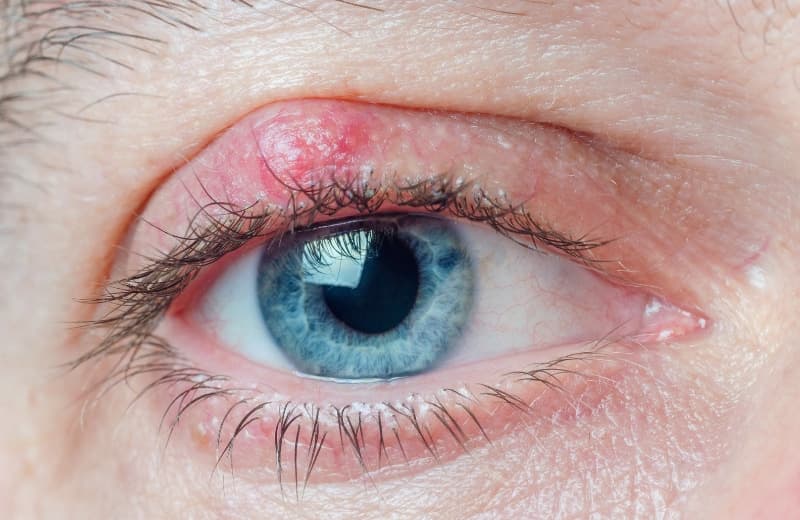
Early Stage of Eyelid Cancer: Symptoms, Causes, & More
Eyelid cancer is relatively uncommon, yet when it occurs, early diagnosis and treatment can make a significant difference. It's not something many…
Monolid Eyes: What They Are, Why They Occur, and Your Options
If your eyelids run smooth from lash line to brow bone with no visible fold, you have what is called a monolid. It is one of the most common eyelid…
What Is Double Eyelid Surgery and How Is It Different From a Regular Blepharoplasty?
The shape of the upper eyelids can vary considerably from person to person. Some people naturally have a visible crease above the upper eyelid, while…
How to Lift Eyebrows Naturally for a Youthful Appearance?
You can lift your eyebrows naturally with daily facial massage, targeted muscle exercises, and clinical skincare products. However, to achieve a…
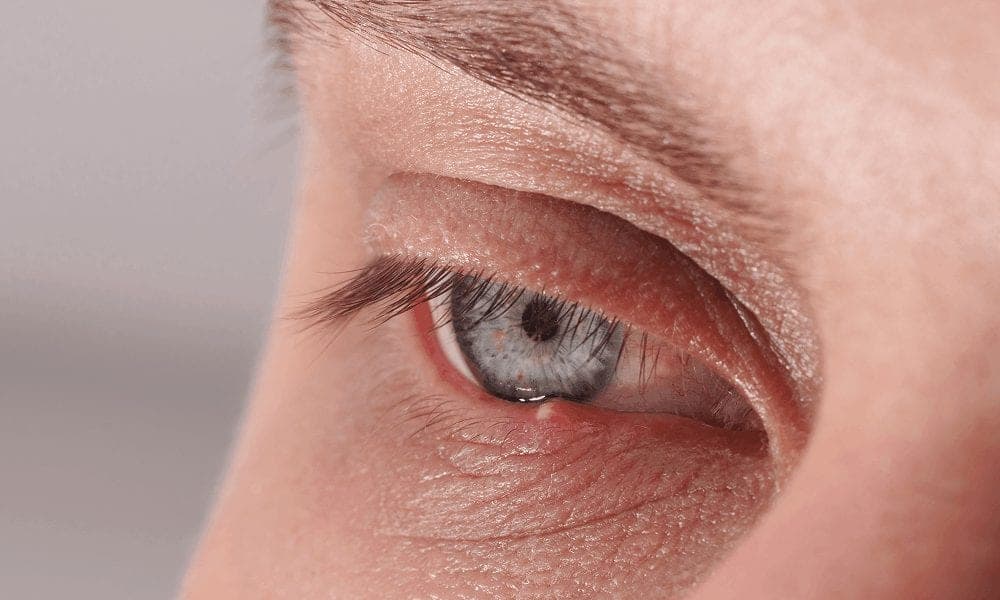
Eyelid Bumps: Symptoms, Causes & Treatments
Most eyelid bumps are either styes or chalazia. A stye is a red, sore spot. A chalazion is a hard, painless lump. To fix them, use a warm flannel for…
Eyelid Workout: Exercises to Strengthen Eyelid Muscles
Droopy eyelids are one of those unmistakable signs of ageing that make us look tired or downcast, especially when paired with eye bags and dark…
Book Your Consultation Today
Get personalised advice and expert care from our top medical professionals at 121 Harley Street, London.
Contact our clinic
Speak to our team about which treatment suits you, or arrange a private consultation at 121 Harley Street.