
Chalazion
A chalazion can cause persistent discomfort and affect your daily life. This condition arises from a blocked oil gland, leading to swelling and irritation on the eyelid. At Perfect Eyes Clinic, our dedicated team provides expert treatments to relieve chalazion, ensuring you regain comfort and a clear appearance.

What is a Chalazion?
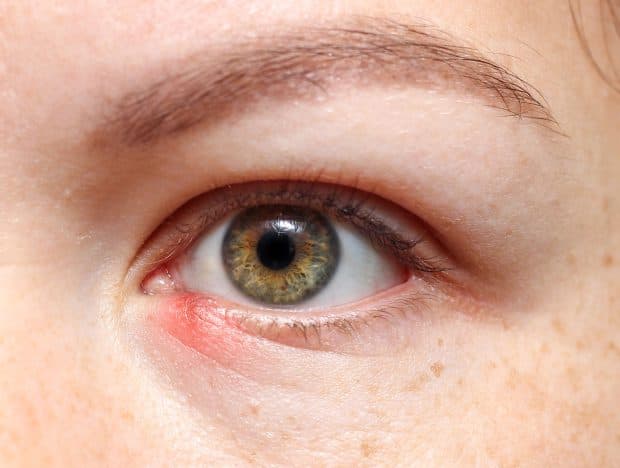
A chalazion is a small lump on the eyelid. It's also known as an eyelid cyst or meibomian cyst. It gradually develops when an oil gland (known as a meibomian gland) becomes plugged. The chalazion may cause pain at first, but it normally goes away after a while.
It is usually a small, red, sensitive, swollen eyelid area that does not cause any infection. A chalazion normally originates on the bottom of the upper eyelid, although it can also form on the lower eyelid. This condition may need to be treated for it to heal properly, so avoid trying to drain or forcefully squeeze it.
Causes of Chalazion
Blocked Glands
A chalazion may develop when the meibomian glands of the eyelid get obstructed.
Chronic Blepharitis
A chalazion can develop from chronic inflammation of the eyelids, which is frequently brought on by an excessive number of bacteria.
Vitamin A Deficiency
Low amounts of vitamin A can cause issues with the skin, eyes, and even cause a chalazion to form.
Acne Rosacea
A chronic skin disorder marked by inflammation and acne-like symptoms raises the possibility of developing a chalazion.
Seborrhea
A skin disorder that can make skin oily and flaky and raise the chance of getting a chalazion.
Tuberculosis
In rare cases, tuberculosis can cause a chalazion, especially if it affects the eyelid or surrounding tissues.
Viral Infection
Inflammation from specific viral infections, such as herpes simplex, can result in chalazion formation.
Underlying Conditions
In rare cases, a chalazion may be a sign of an underlying infection or skin cancer, thus a medical examination is essential.
Accredited & recognised by





Treatment for Chalazion
Chalazion Removal
Chalazion treatment removes eyelid bumps, relieves discomfort, and prevents complications, with quick and effective recovery, restoring normal eyelid appearance and function. This is a quick scarless minor procedure performed in the clinic - also called incision and curettage, the chalazion is cut and drained under a local anaesthetic. An alternative to a surgical procedure is a small steroid injection inside the chalazion, mainly offered for "fresh" chalazion rather than those present for more than 3 months.


Meet the Expert: Dr Sabrina Shah-Desai
MS, FRCS (Ed) Ophth
Dr Sabrina Shah-Desai, MS, FRCS (Ed) Ophth is a multi-award-winning Oculoplastic Reconstructive Surgeon and Aesthetic Practitioner specialising in reconstructive, revisional, and cosmetic surgery of the eyelids, as well as non-surgical treatments for the eyes and face. With 25 years of surgical and 17 years of non-surgical experience, she is globally recognised for her pioneering, minimally invasive techniques.
Listed in Tatler’s Beauty & Cosmetic Surgery Guide every year from 2019 to 2026, she is known as the “go-to” surgeon for discerning patients seeking subtle, natural results, and is highly sought after for revisional procedures by those who have undergone previous fillers or eyelid surgeries.
- Listed on the Royal College of Surgeons of England register of Board-Certified Cosmetic Surgeons
- Listed in Tatler’s Beauty & Cosmetic Surgery Guide every year from 2019 to 2026
- 25 years of surgical and 17 years of non-surgical experience
Frequently asked questions
Call or email us today, we would be delighted to answer your questions.
- Conservative measures include applying warm compresses, massaging the lids, and using ointments or drops containing steroids and antibiotics. While applying topical or local steroid drugs, it's important to keep an eye on intraocular pressure and shorten the duration of treatment.
- A chalazion is a chronic, less painful infection of the Zeis or meibomian (oil-secreting) glands on the inside (conjunctival) side of the eyelid. Styes, or hordeola, are painful infectious lesions on the border of the eyelid (eyelash follicles) that appear suddenly and eventually break open and drain.
- Most chalazions do clear up on their own in a few months, requiring no medical attention. Warm compresses should be applied to the eyelid up to six times a day for 10 to 15 minutes each, for several days. Warm compresses can help with drainage and healing because they loosen the hardened oil that is blocking the ducts.
- Although chalazia can be concerning, it is typically not a reason for panic and is easily treated at home. When eyelids are kept clean and well-maintained, most problems resolve themselves. Speak with your eye care professional if a chalazion doesn't seem to be improving and continues to exist.
- Untreated chalazion can take four to six weeks to heal, while some people might get better in just one week. However, a person's immune system, overall health, and ability to repair themselves can all affect how long a chalazion takes to recover.
- Chronic blepharitis that is not treated has the rare potential to permanently harm the eyes and impair vision if ignored for an extended period of time or is not appropriately treated. Individuals suffering from chronic eyelid disease need suitable treatment to prevent major complications like vision loss.
- Chalazion risk may be reduced by avoiding dairy products and following the dietary modification recommendations typically given to acne patients, which include avoiding chocolate, coffee, and fried foods.
- In rare instances, a chalazion might really be malignant. When the oil glands on the eyelid clog, swelling pimples known as chalazion develop on the eyelid. After a few weeks, they normally recover on their own without any pain. Recurrent chalazion, on the other hand, needs to be extracted and regarded as possibly cancerous if it reappears in the same location following successful drainage.
Rated five stars by patients across the globe
4.9out of 5 from 250+ Google reviews
Related Blogs
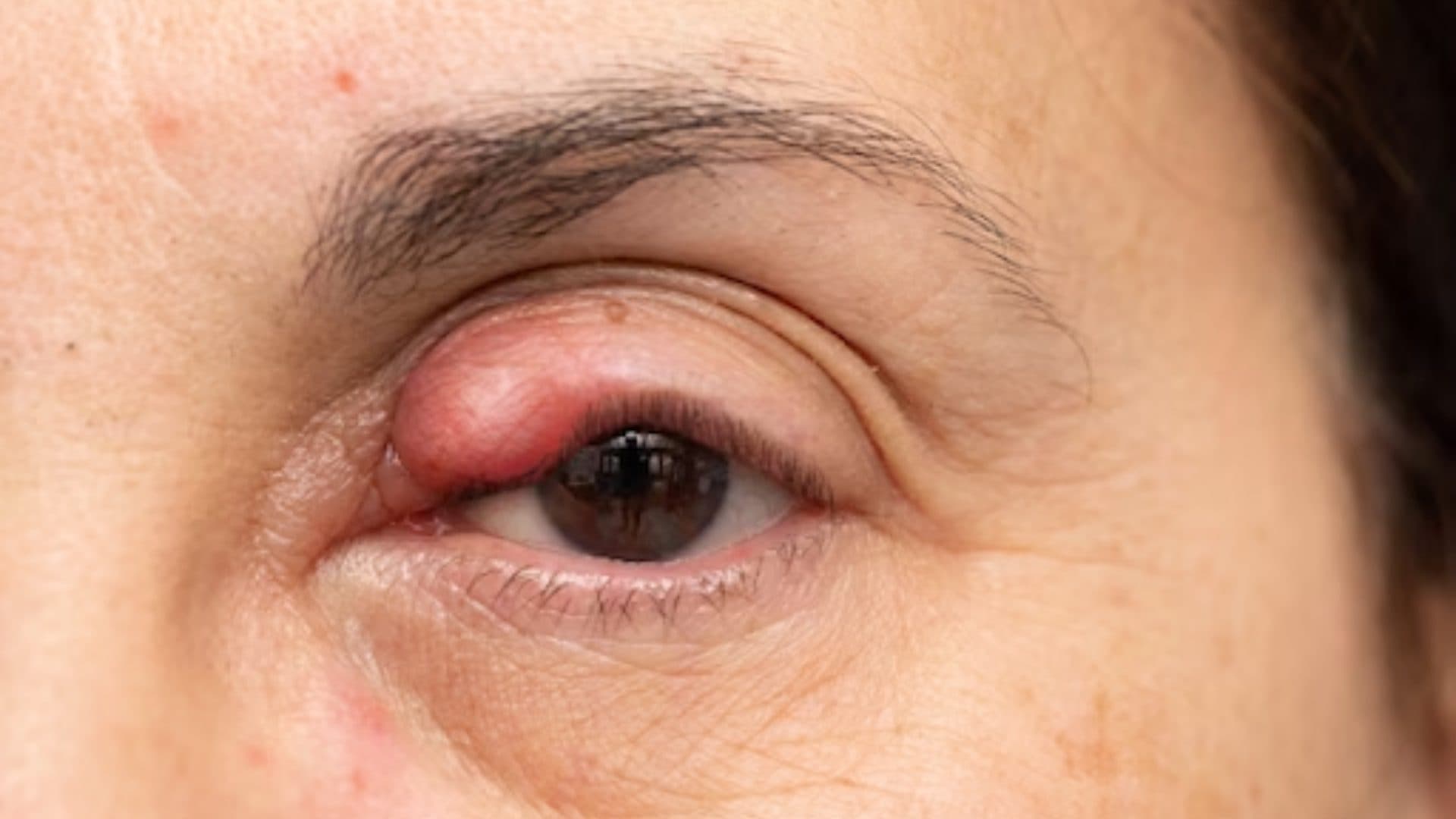
How is a Chalazion Removed?
A chalazion is a tiny, harmless bump that forms on the eyelid as a result of an oil gland blockage. Even though these lumps are typically painless…
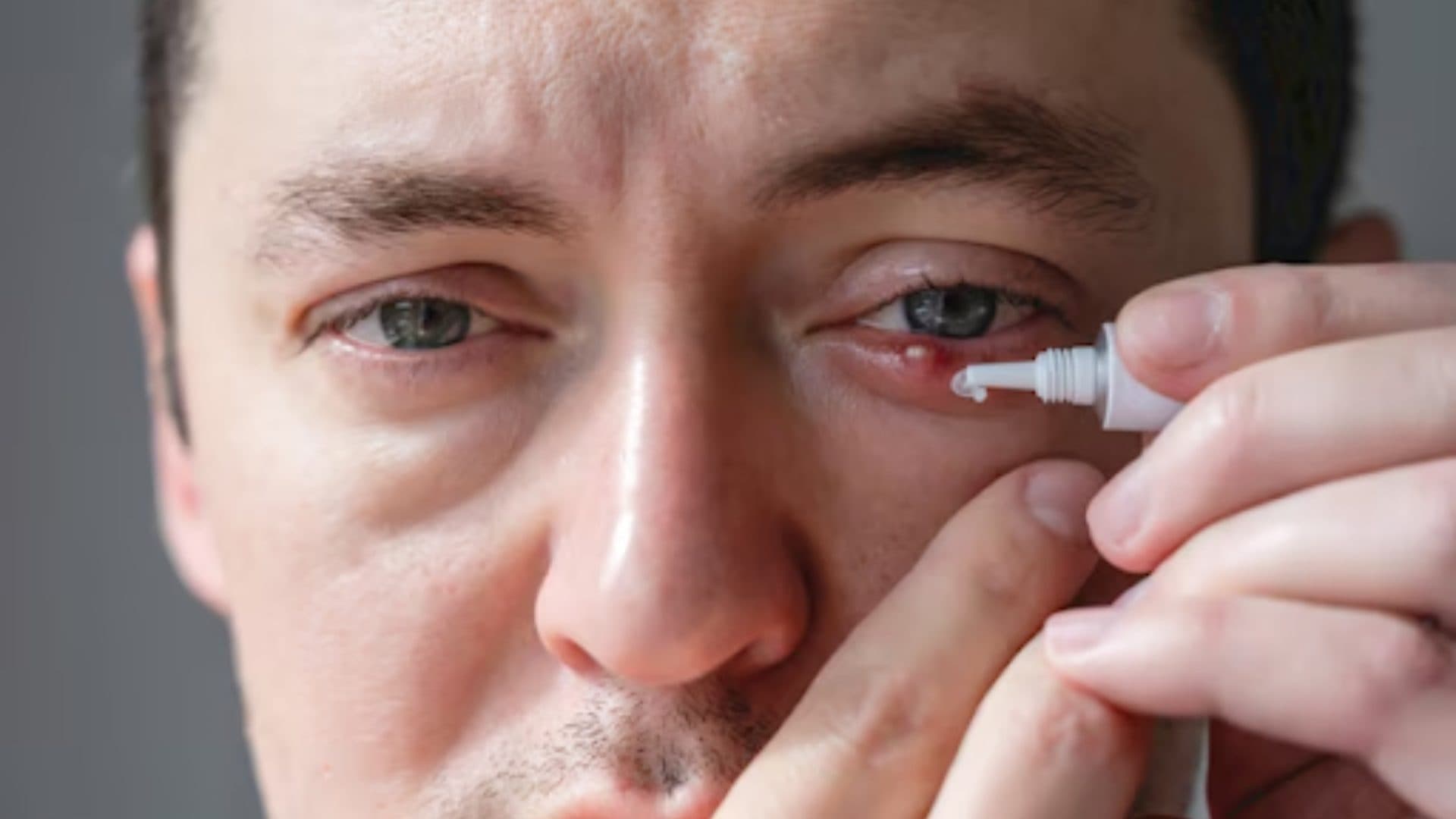
Chalazion Healing Stages: Care Tips & Pictures
A chalazion is a small, slowly developing lump or cyst that forms within the eyelid. Although multiple chalazia can clear up naturally with home…
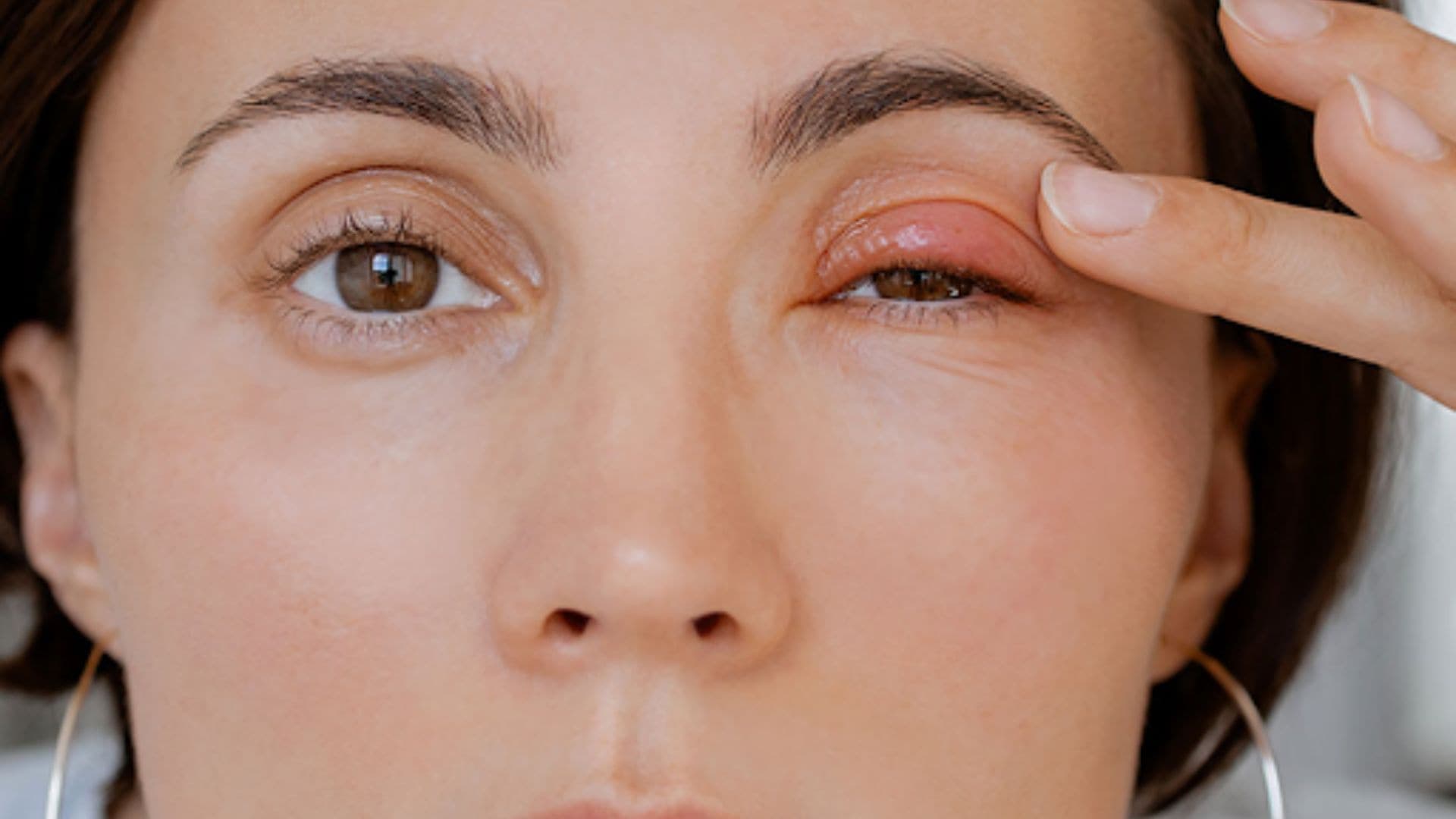
How Long Does A Chalazion Last
Chalazions usually resolve on their own within a few weeks to a few months. However, the healing timeframe can vary based on the size of the…
Book Your Consultation Today
Get personalised advice and expert care from our top medical professionals at 121 Harley Street, London.
Contact our clinic
Speak to our team about which treatment suits you, or arrange a private consultation at 121 Harley Street.