Thyroid Eye Disease (Graves' Disease)
Thyroid Eye Disease (TED), often linked to thyroid disorders like Graves' disease, causes sore, red, and swollen eyes. More common in women, it leads to discomfort from irritated tissues around the eyes. At Perfect Eyes Clinic in London, we offer tailored treatments to manage TED and improve your eye health at any stage of the condition.
Thyroid Eye Disease (Graves' Disease), explained
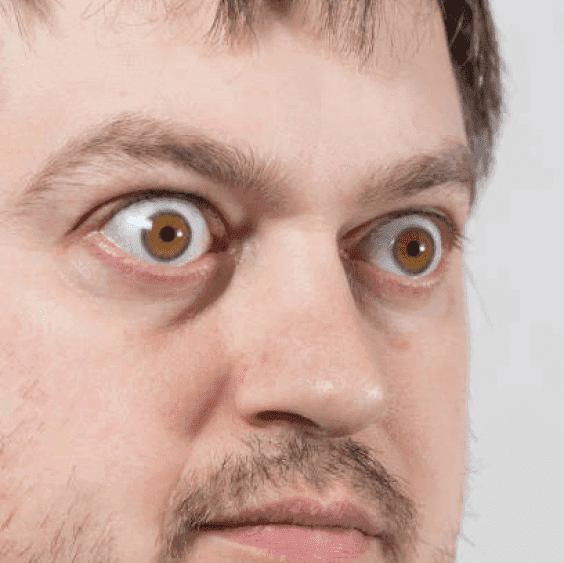
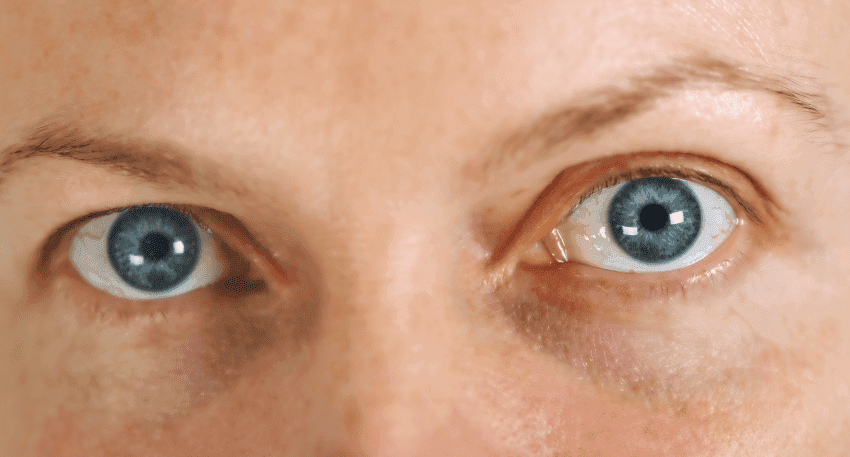
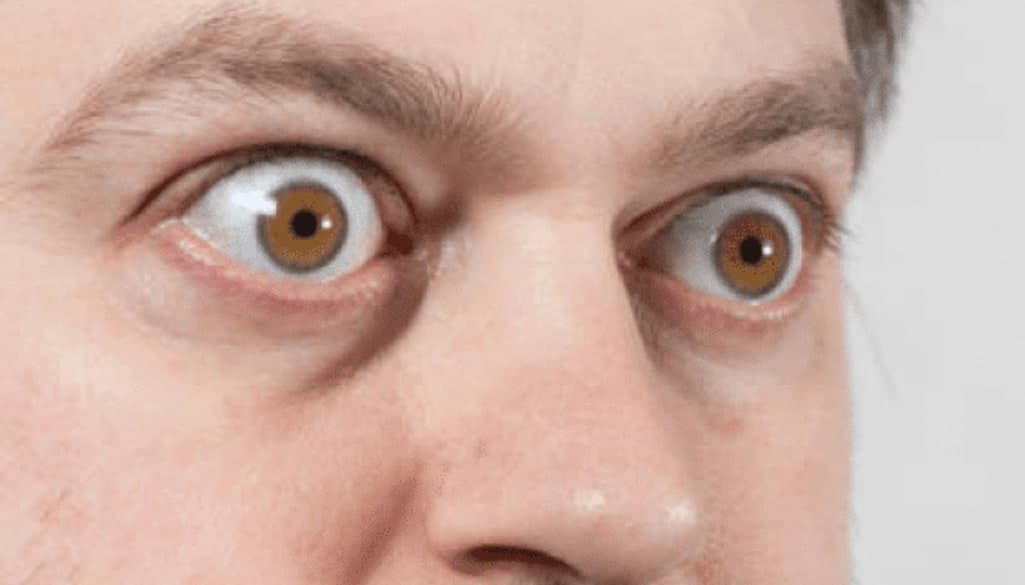
Thyroid Eye Disease (TED) is a condition where the muscles, eyelids, tear glands, and fatty tissues behind the eyes become swollen and inflamed. This can make the eyes and eyelids red, swollen, and uncomfortable, and sometimes cause the eyes to bulge or have a "staring" appearance.
In some cases, the muscles that control eye movement become stiff and swollen, which makes it hard for the eyes to move together properly, leading to double vision. In rare cases, TED can reduce vision if the swelling presses on the nerve at the back of the eye or causes ulcers on the eye if the eyelids can't close fully.
TED, also called Graves' Orbitopathy or Ophthalmopathy, is an autoimmune disease, meaning the body's immune system mistakenly attacks the tissues around the eyes, causing inflammation. For most people with TED, the same autoimmune reaction also affects the thyroid, often leading to Graves' disease. Graves' disease usually causes the thyroid to be overactive (hyperthyroidism), but it can also cause underactivity (hypothyroidism) in some cases.
Causes of Thyroid Eye Disease
Autoimmune Reaction
TED happens because the immune system wrongly attacks the muscles and tissues around the eyes. This results in swelling and symptoms, including double vision or swollen eyes.
Thyroid Dysfunction
Thyroid eye disease is most common in people with thyroid issues, which usually causes an overactive thyroid. However, TED can also occur in people with an underactive thyroid or even normal thyroid levels.
Genetics
You have a higher chance of developing TED if you have family members with autoimmune or thyroid conditions. Your immune system's response can be influenced by your genes.
Smoking
Smoking is a big risk factor. It makes TED more likely and can make the symptoms worse. This may be because smoking affects the immune system and reduces oxygen in the tissues.
Stress and Hormones
High stress or major hormone changes, like pregnancy or menopause, might trigger or worsen TED in people who are already at risk.
Radioactive Iodine Treatment
This is a common treatment for an overactive thyroid, but it can sometimes make TED worse. People who get this treatment are often given steroids to prevent eye problems from worsening.
Accredited & recognised by


Treatments for Thyroid Eye Disease
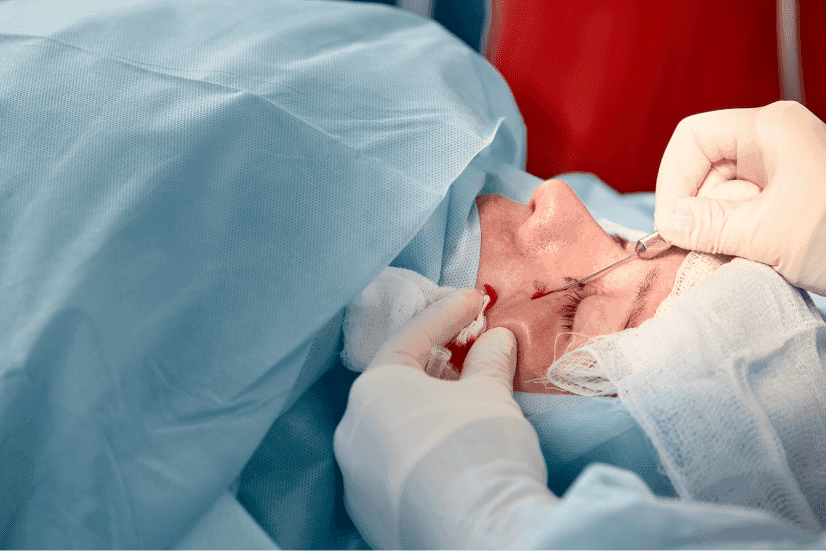
Thyroid Lid Lowering Surgery
Lid-lowering surgery is performed from within the eyelid to treat thyroid eye disease or eyelid retraction. This approach leaves no visible scars on the skin. The surgery is minimally invasive and is typically done as a day procedure, allowing for a quick recovery and minimal downtime.

Meet the Expert: Dr Sabrina Shah-Desai
MS, FRCS (Ed) Ophth
Dr Sabrina Shah-Desai, MS, FRCS (Ed) Ophth is a multi-award-winning Oculoplastic Reconstructive Surgeon and Aesthetic Practitioner specialising in reconstructive, revisional, and cosmetic surgery of the eyelids, as well as non-surgical treatments for the eyes and face. With 25 years of surgical and 17 years of non-surgical experience, she is globally recognised for her pioneering, minimally invasive techniques.
Listed in Tatler’s Beauty & Cosmetic Surgery Guide every year from 2019 to 2026, she is known as the “go-to” surgeon for discerning patients seeking subtle, natural results, and is highly sought after for revisional procedures by those who have undergone previous fillers or eyelid surgeries.
- Listed on the Royal College of Surgeons of England register of Board-Certified Cosmetic Surgeons
- Listed in Tatler’s Beauty & Cosmetic Surgery Guide every year from 2019 to 2026
- 25 years of surgical and 17 years of non-surgical experience
Frequently asked questions
Call or email us today, we would be delighted to answer your questions.
- Yes, thyroid issues can cause puffy or swollen eyes. This condition is known as Thyroid Eye Disease (TED) or Graves' Orbitopathy. In TED, the muscles and tissues around the eyes become swollen, causing the eyes to bulge forward. This can happen before, during, or after other signs of hyperthyroidism.
Common early signs of TED include:
- Puffiness or bags under the eyes.
- Blurred or double vision.
- Bulging or "staring" eyes.
- Trouble moving the eyes.
- Dry, watery, or gritty eyes.
- Sensitivity to bright lights.
- Ocular pain, particularly when moving the eyes.
- The severity of TED varies from person to person. Some may only need lubricating eye drops for mild symptoms, while others may experience double vision or severe eye misalignment, requiring surgery.
Treating thyroid problems doesn't automatically fix TED, so additional treatments may include:
- Over-the-counter eye drops.
- Prescription medications.
- Quitting smoking.
- Lifestyle changes.
- Special eyeglasses.
- Eyelid surgery or orbital decompression surgery.
- Yes, thyroid problems can impact your vision. Many people experience mild eye symptoms that improve as their thyroid condition is treated. However, some may continue to have eye issues, and in severe cases of Graves' Orbitopathy, it can even lead to vision loss.
Rated five stars by patients across the globe
4.9out of 5 from 250+ Google reviews
Related Blogs
Thyroid Eye Disease: Symptoms and Treatment
If you’ve ever felt your eyes suddenly appear puffy, dry, or seem “different” while managing your thyroid health, you’re not alone. Thyroid Eye…
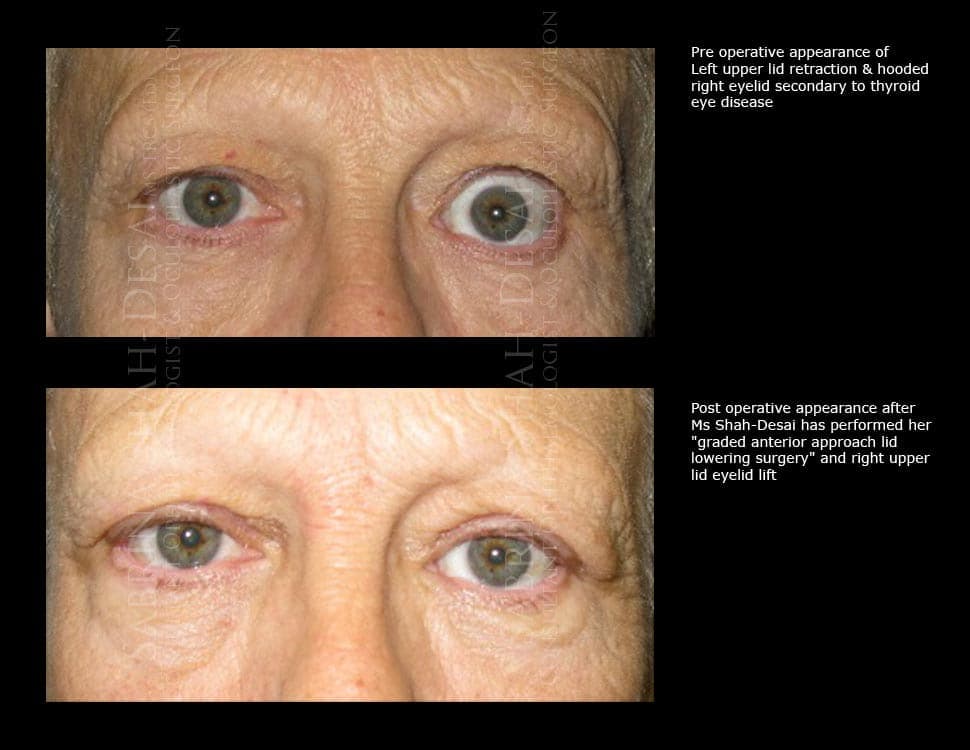
Case Study : Thyoid Eye Disease
I have attended Moorfields hospital as an outpatient for almost 5 years and have had numerous surgeries as a result of contracting thyroid eye…
Book Your Consultation Today
Get personalised advice and expert care from our top medical professionals at 121 Harley Street, London.
Contact our clinic
Speak to our team about which treatment suits you, or arrange a private consultation at 121 Harley Street.