
Dark Circles Under Eyes: Causes and Treatment
Dark circles under the eyes are areas of darker skin or shadow below the lower eyelids. They are very common and usually harmless. The cause may be pigment, visible blood vessels, thin skin or a hollow under the eye, and often more than one. Treatment depends on the cause, so it starts with working that out.
Accredited & recognised by







Dark circles at a glance
- What they are
- A darker look to the skin under the eyes, from pigment, blood vessels, thin skin or shadowing.
- How common
- Very common at all ages, and more common in people with darker skin tones and in some families.
- Is it serious?
- Rarely. They are usually cosmetic, though allergies, eczema or a health problem can play a part.
- Do they go away?
- Circles from tiredness or allergy can fade. Pigment and hollowing usually need treatment.
- When to get it checked
- If they appear suddenly, affect one eye only, or come with swelling, itching or other symptoms.
What are dark circles under the eyes?
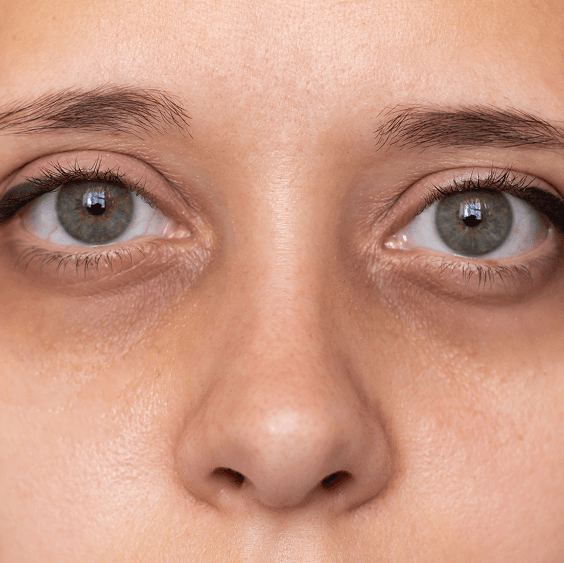
Dark circles under the eyes, also called dark under-eye circles or dark eye circles, are areas below the lower eyelids that look darker than the skin around them. Depending on your skin tone and the cause, they can look brown, blue, purple or grey, and they often make people look tired even when they are well rested.
There is rarely a single answer to what causes dark circles under the eyes. Extra pigment, blood vessels showing through thin skin, a hollow in the tear trough and shadows cast by puffy lids can each play a part, and many people have a mix. Working out which applies to you is the key to choosing a treatment that helps.
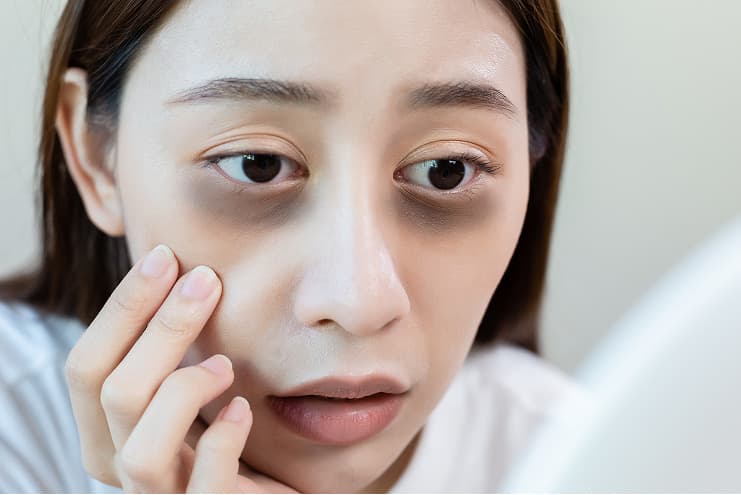
What dark circles look like
Dark circles look different depending on what is causing them:
Brown or grey-brown colour
Usually extra pigment, common in darker skin tones and after eczema, sun exposure or rubbing.
A blue or purple tint
Usually blood vessels showing through thin skin, often worse when you are tired or unwell.
A shadow or groove
A hollow under the eye, the tear trough, that casts a shadow and shows most in overhead light.
Puffiness with darkness beneath
Swollen lower lids or eye bags can cast a shadow that looks like a dark circle.
Thin, crepey skin
Fine, translucent skin that lets the darker tissue beneath show through.
What causes dark circles under the eyes?
Pigmentation
Extra melanin in the skin, often after sun exposure, eczema, dermatitis or rubbing, and more common in darker skin types.
Genetics
Dark circles often run in families, through inherited pigment, thin skin or the shape of the eye socket.
Ageing
The skin thins and the tear trough loses volume with age, deepening shadows and letting vessels show.
Allergies and hay fever
Congestion and puffiness, and the rubbing that comes with itchy eyes, can darken the area.
Eczema and dermatitis
Inflamed skin around the eyes can leave pigmentation behind once it settles.
Rubbing your eyes
Frequent rubbing irritates the skin and can increase pigment and visible vessels.
Tiredness and lifestyle
Lack of sleep, smoking and alcohol make shadows and puffiness more noticeable.
Sun exposure
UV light increases pigment and breaks down collagen in the thin under-eye skin.
Puffy eyelids
Fluid or fat under the eyes, sometimes linked to a thyroid problem, can cast a shadow.
What type of dark circles do you have?
Most dark circles fall into one of two groups, and many people have a mix of both.
| Pigmented (brown) | Vascular or structural | |
|---|---|---|
| How they look | Brown or grey-brown, fairly even | A blue or purple tint, or a shadow under the lid |
| A simple check | The colour stays when the skin is gently stretched | The colour fades or shifts when the skin is stretched or the light changes |
| Common causes | Sun exposure, eczema, rubbing, genetics | Thin skin, visible vessels, a hollow tear trough, puffy lids |
| What helps | Sun protection, pigment-reducing skincare, laser | Tear trough filler, skin-quality treatments, treating allergies, surgery for eye bags |
When to see a doctor about dark circles
Most dark circles are harmless. These are the signs that they need looking at.
See a doctor promptly if
- Dark circles or bruising appear suddenly without an injury
- There is swelling, pain or redness around the eye
- One eye starts to bulge or your vision changes
Book an assessment if
- They have not improved with sleep, sun protection and treating any allergy
- Only one side is affected
- You also have eczema or itching around the eyes that keeps coming back
- You would like to know which type you have and what will help
Dark circles that come with unusual tiredness, weight change or feeling unwell can occasionally reflect a health problem such as anaemia or a thyroid condition, so mention these to your GP.
How dark circles are assessed at Perfect Eyes
The assessment works out which type of dark circles you have, because that decides the treatment.
- Step 1
Your history
How long you have had them, whether they run in the family, and about allergies, eczema, sleep, sun exposure and the products you use.
- Step 2
Examining the area
The skin is looked at in different light and gently stretched to tell pigment from vessels, and skin thickness and tear trough volume are assessed.
- Step 3
A plan for your type
Treatment is matched to the cause and often combined. If a health problem may be involved, you are advised to see your GP first.
Treatments for dark circles under the eyes
 Tear Trough FillersHyaluronic acid filler placed in the tear trough softens the hollow and shadow that make many dark circles look worse. Best for structural circles; it does not change pigment.Learn more
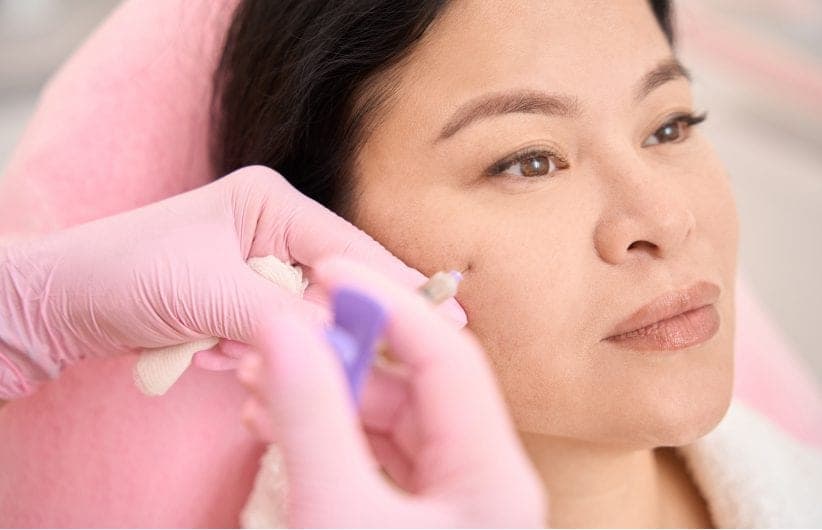 PolynucleotidesInjections that improve the thickness and quality of thin under-eye skin, so vessels show through less. Given as a course of treatments.Learn more
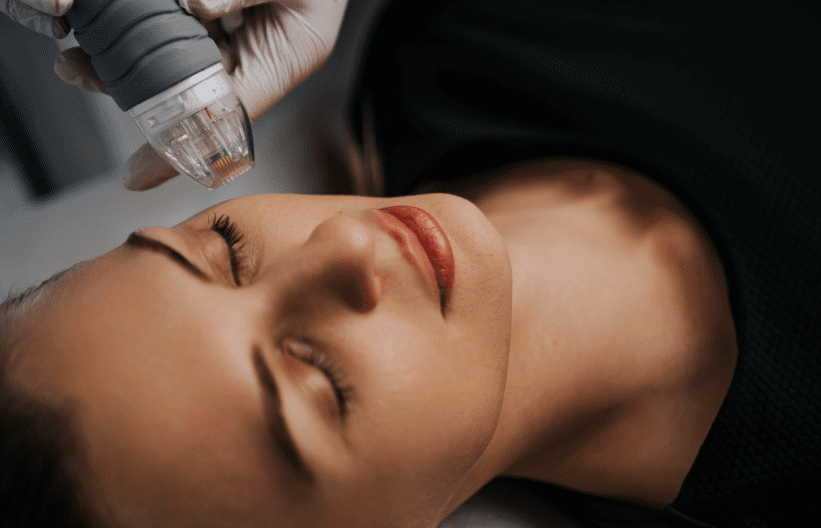 Microneedling with ExosomesCollagen stimulation with exosomes to improve the quality and tone of the skin around the eyes, over a course of treatments.Learn more
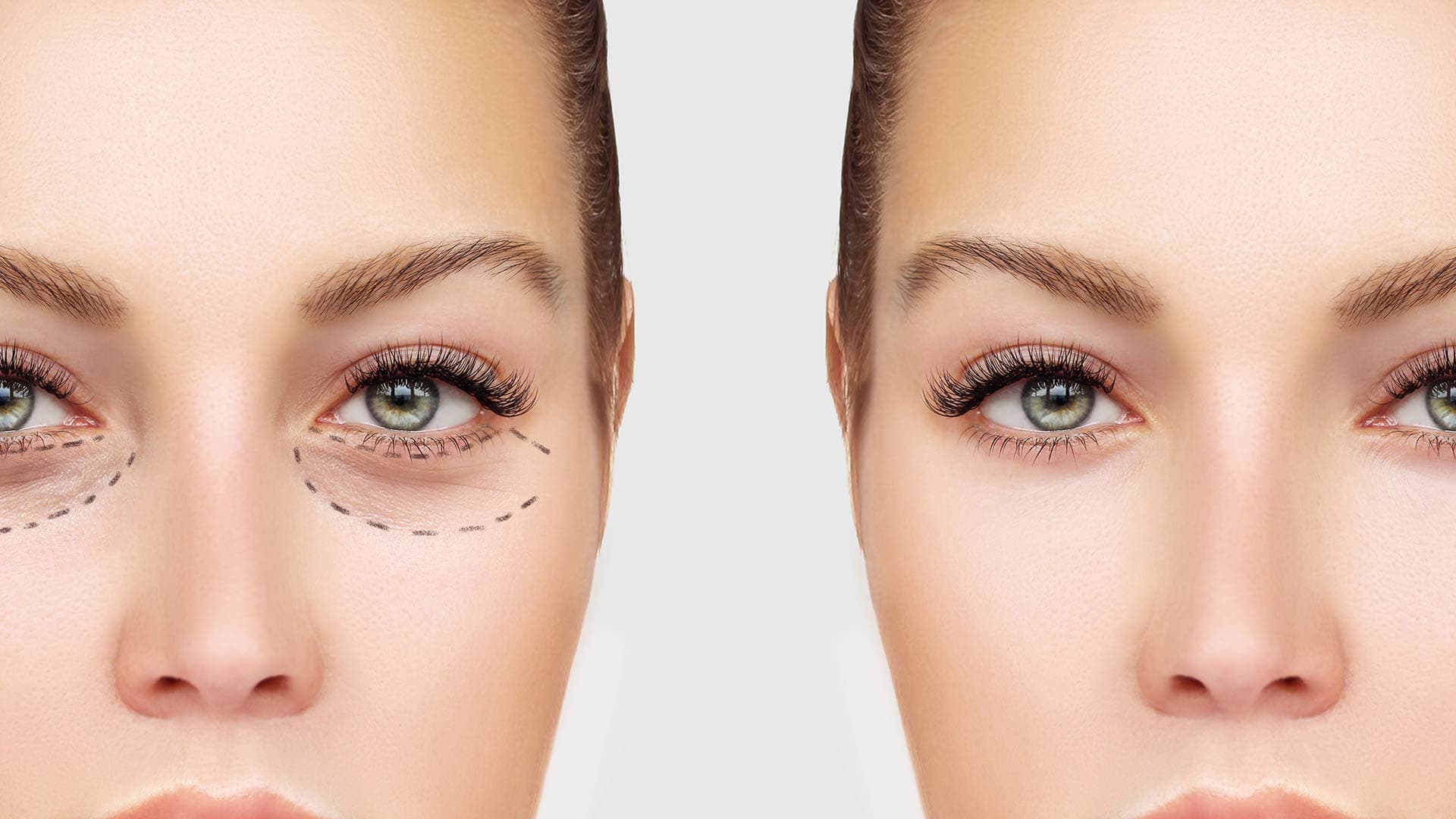 Lower Lid BlepharoplastyWhere eye bags cast the shadow, surgery to reposition or remove the fat smooths the junction between the lower lid and the cheek.Learn more
Caring for dark circles at home
Home care will not remove inherited pigment or a hollow, but it stops dark circles getting worse and helps the kinds that come and go.
What helps
- Regular, good-quality sleep
- Sunscreen every day and sunglasses that block UV
- Treating hay fever or other allergies, so you rub your eyes less
- A cold compress in the morning, and sleeping with your head slightly raised, if puffiness is part of it
- A light-reflecting concealer applied to the shadow rather than to any puffiness
What to avoid
- Rubbing or scratching your eyes
- Smoking and heavy drinking
- Harsh or heavily fragranced products around the eyes
- Creams that promise to erase dark circles: few have good evidence


Meet the Expert: Dr Sabrina Shah-Desai
MS, FRCS (Ed) Ophth
Dr Sabrina Shah-Desai, MS, FRCS (Ed) Ophth is a multi-award-winning Oculoplastic Reconstructive Surgeon and Aesthetic Practitioner specialising in reconstructive, revisional, and cosmetic surgery of the eyelids, as well as non-surgical treatments for the eyes and face. With 25 years of surgical and 17 years of non-surgical experience, she is globally recognised for her pioneering, minimally invasive techniques.
Listed in Tatler’s Beauty & Cosmetic Surgery Guide every year from 2019 to 2026, she is known as the “go-to” surgeon for discerning patients seeking subtle, natural results, and is highly sought after for revisional procedures by those who have undergone previous fillers or eyelid surgeries.
- Listed on the Royal College of Surgeons of England register of Board-Certified Cosmetic Surgeons
- Listed in Tatler’s Beauty & Cosmetic Surgery Guide every year from 2019 to 2026
- 25 years of surgical and 17 years of non-surgical experience
Frequently asked questions
Call or email us today, we would be delighted to answer your questions.
- You can try using cold compresses, caffeine eye products, or makeup to temporarily reduce dark circles. Protecting your skin from the sun and getting enough sleep can also help prevent dark circles from getting worse. For longer-lasting results, treatments like Polynucleotides or Tear Trough Fillers can help.
- Dark circles can be caused by a deficiency in vitamins E, D, K, A, and B12. Additionally, a lack of iron can also be a root cause of dark circles.
- Drinking enough water can improve blood flow and reduce the appearance of dark circles. Staying hydrated also helps to maintain the elasticity of the skin and reduce the prominence of under-eye dark circles.
- Dark circles may come and go. How long they last depends on various factors, such as lifestyle and genetics.
- Yes, vitamin C can help reduce the appearance of dark circles under the eyes and make the area look brighter.
Sources
- Dark circles under the eyesDermNet
- Dark circles under eyes: causesMayo Clinic
- Allergic rhinitisNHS
Rated five stars by patients across the globe
4.9out of 5 from 250+ Google reviews
Other eyelid conditions
Related Blogs
Cure Under Eye Circles: Complete Guide
Looking for an eye-under cure can be a drag. One article says you’re not getting enough sleep; the other pushes you to pay a high price for some…
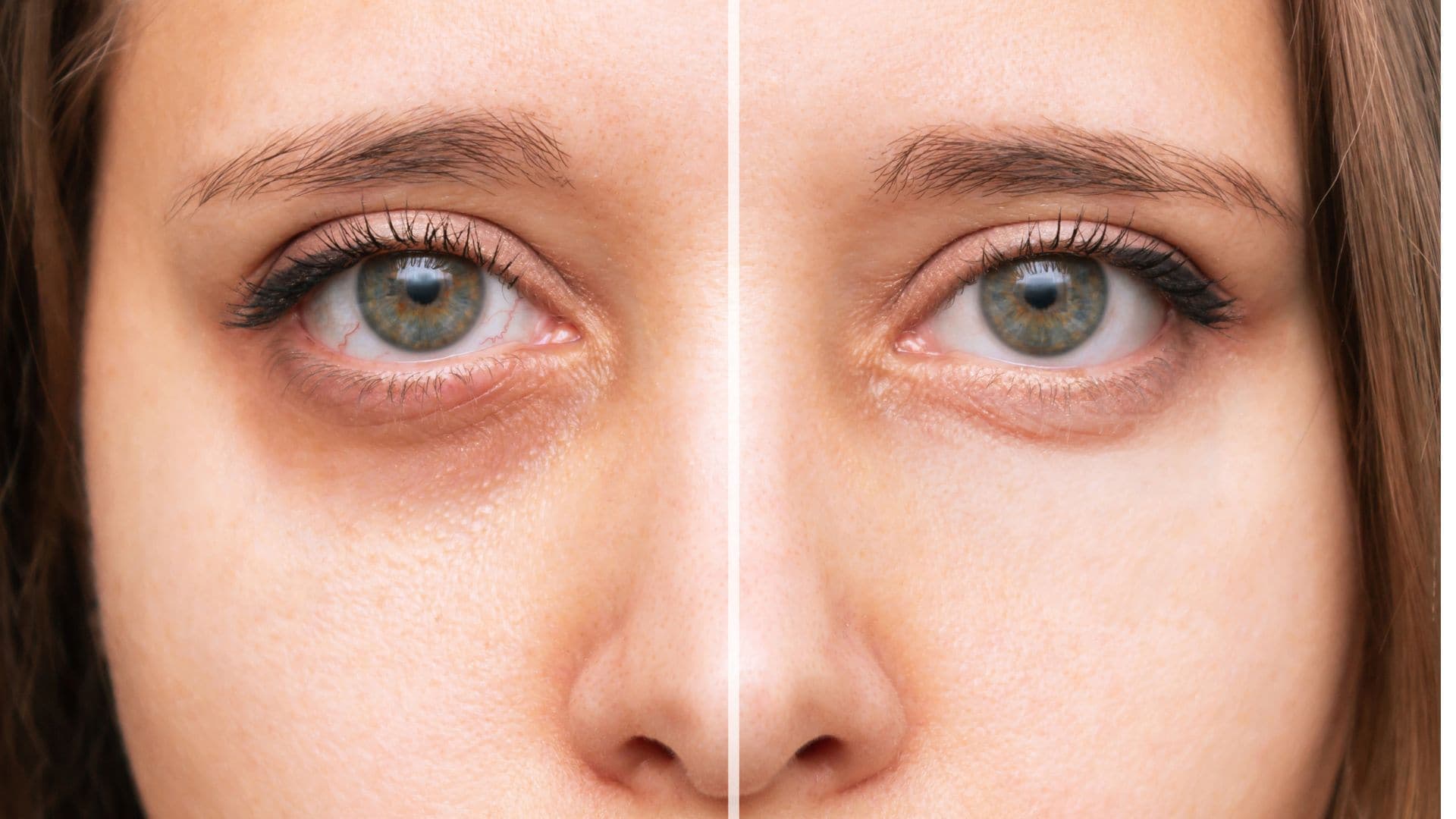
How to Remove Dark Circles Under Eyes Permanently?
Under-eye circles refer to the darkened appearance of the skin beneath the eyes, which can range in colour from blue, purple, and brown to black,…
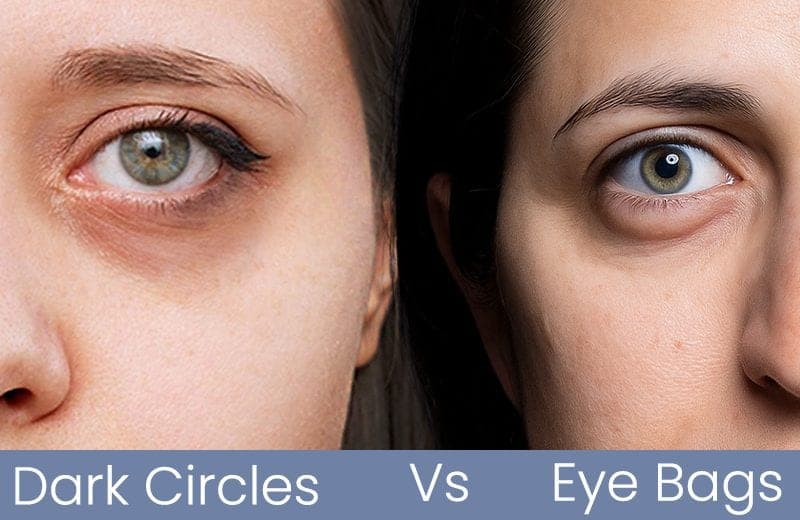
Dark Circles vs Eye Bags: Know the Real Difference and How to Treat Them
Ever looked in the mirror after a long day and thought, “Why do my eyes look so tired?” You’re not alone. The under-eye area is one of the most…
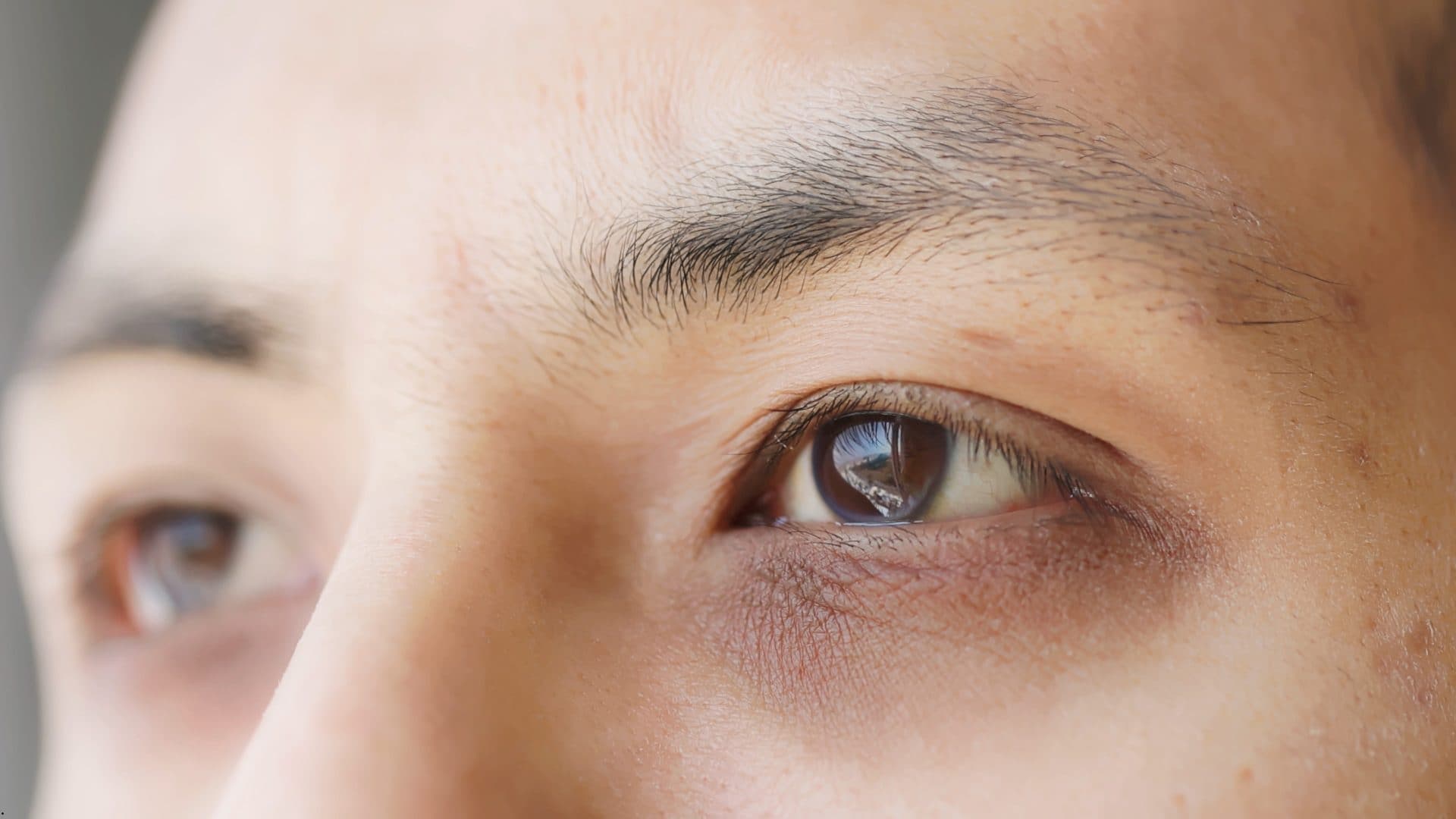
Types of Dark Circles: Causes and How to Identify them
Are you dealing with dark circles under your eyes? You're not alone. Dark circles significantly affect the eye contour, the area with the thinnest…
How To Get Rid of Bags Under Eyes in Men?
To get rid of bags under the eyes in men, you must identify the exact cause and choose the right medical procedure. Doctors use lower eyelid surgery,…
Saggy Skin Under Eyes: Causes, Symptoms and Treatments
The under-eye area is the most delicate part of the face. Sagging skin under the eyes is a common concern that can affect people at any age. While…
Book Your Consultation Today
Get personalised advice and expert care from our top medical professionals at 121 Harley Street, London.
Contact our clinic
Speak to our team about which treatment suits you, or arrange a private consultation at 121 Harley Street.