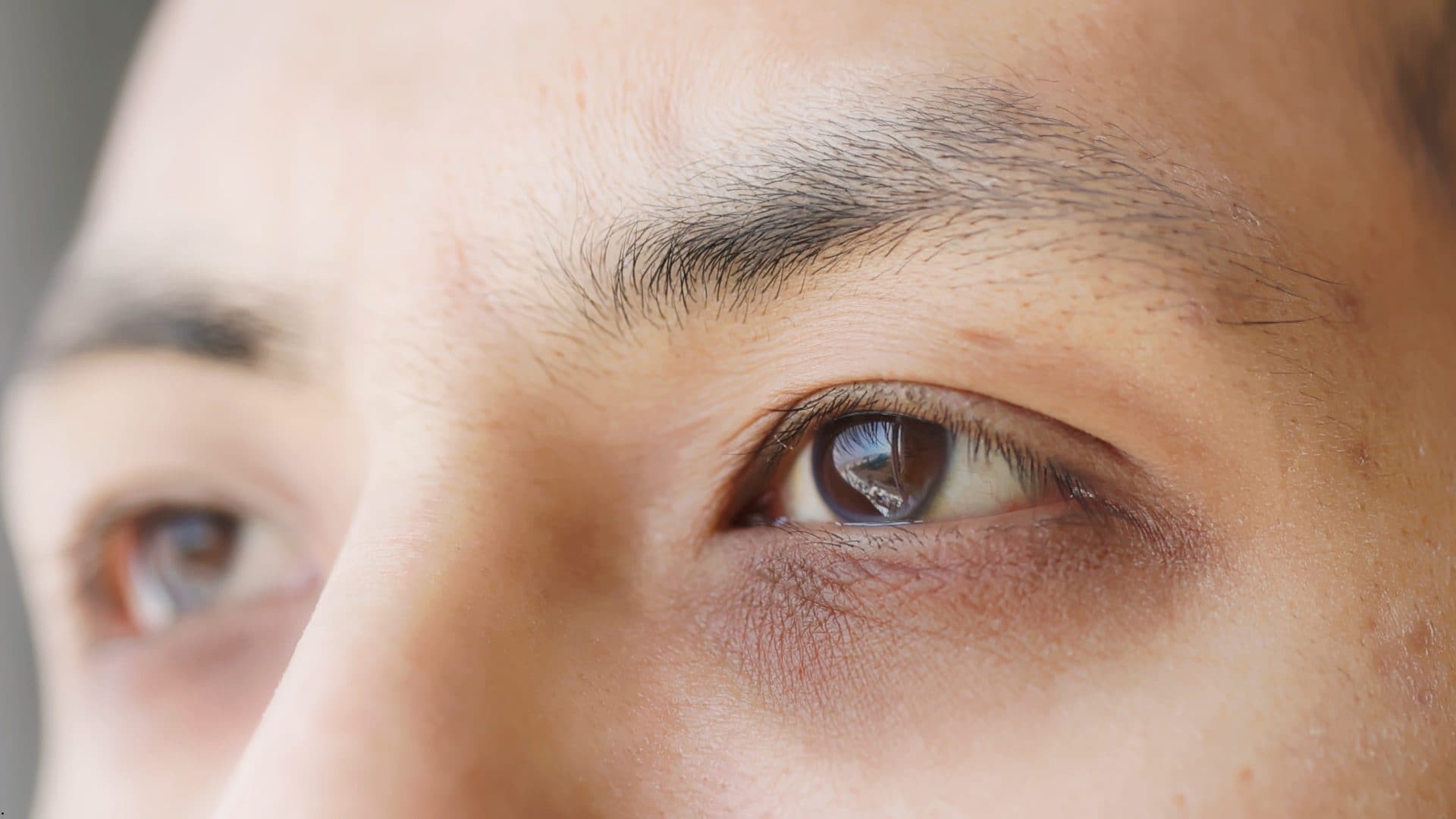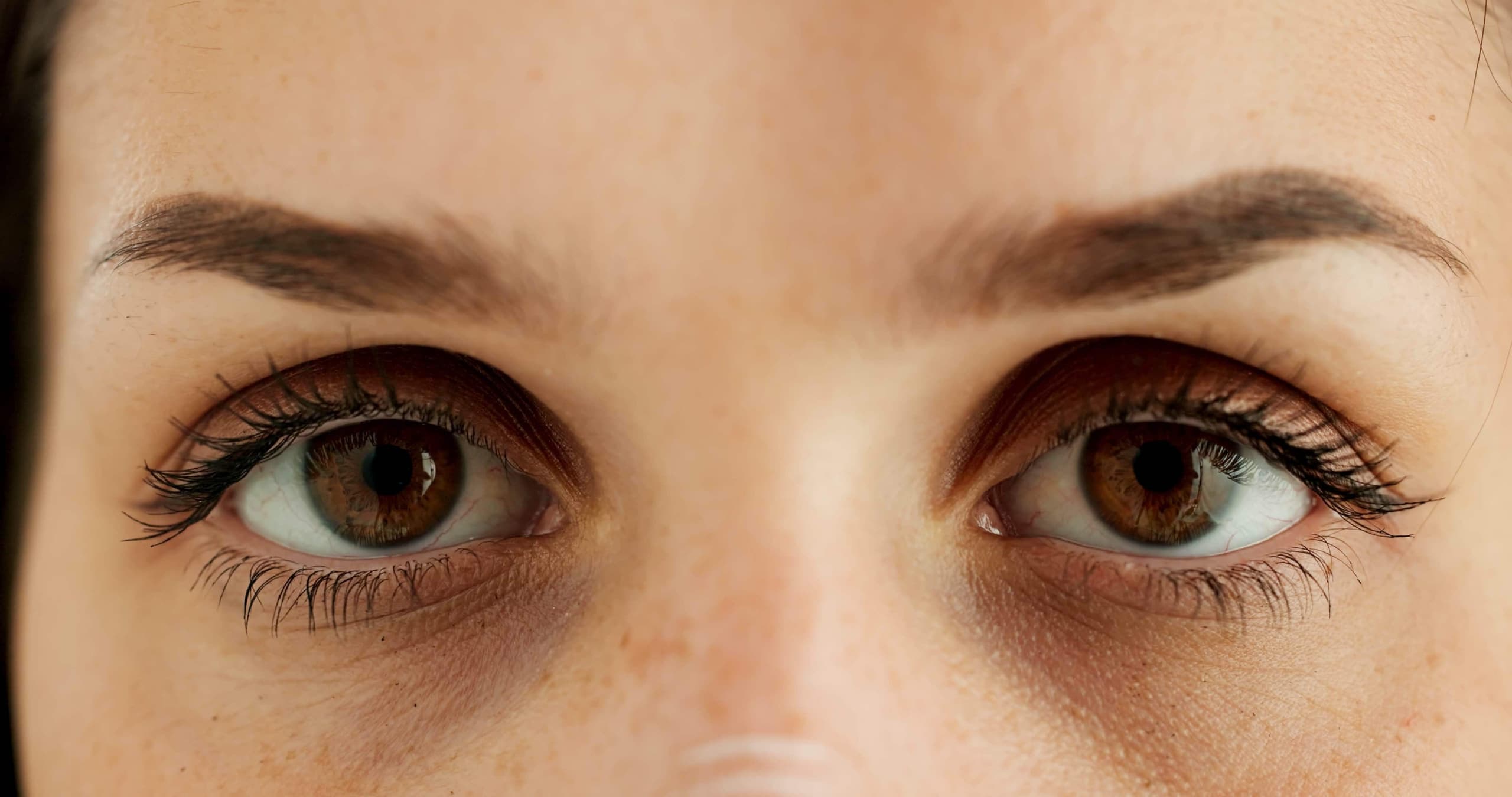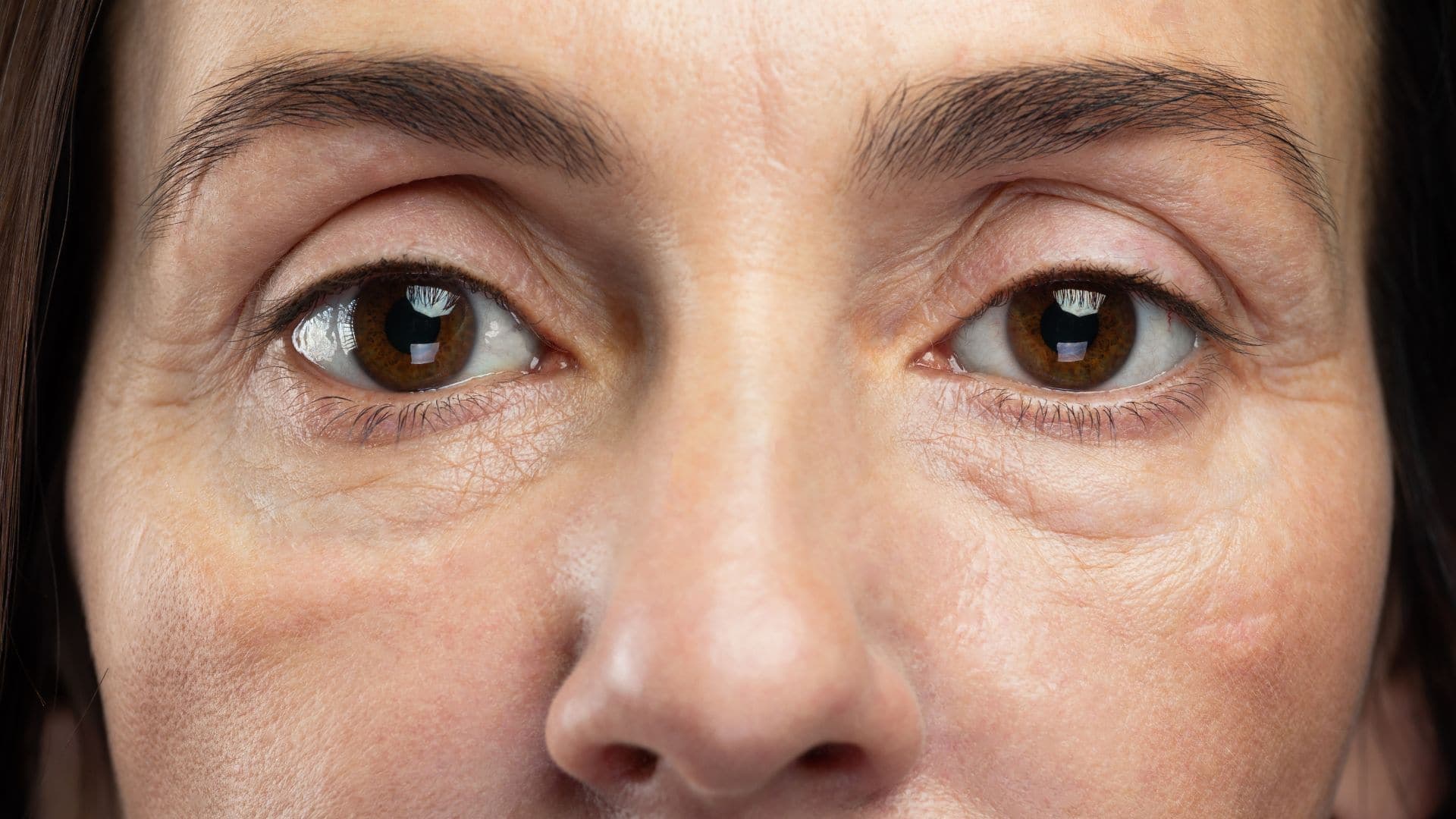
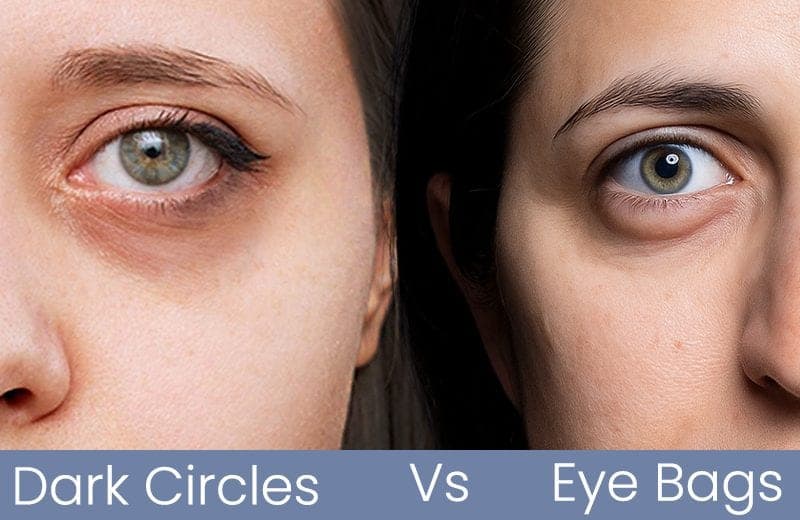
Ever looked in the mirror after a long day and thought, “Why do my eyes look so tired?” You’re not alone. The under-eye area is one of the most delicate and expressive parts of the face, yet it’s also where fatigue, stress, and age show up first. Most people assume they have dark circles when, in reality, it may be eye bags or sometimes both.
Understanding the difference between dark circles vs eye bags is key because their causes and treatments aren’t the same. This guide explains what truly separates them, why they appear, how to figure out which one you have, and what really helps both at home and clinically.
Many people deal with a combination of both, which is why professional assessment matters before starting treatment.
What’s the Difference Between Dark Circles and Eye Bags?
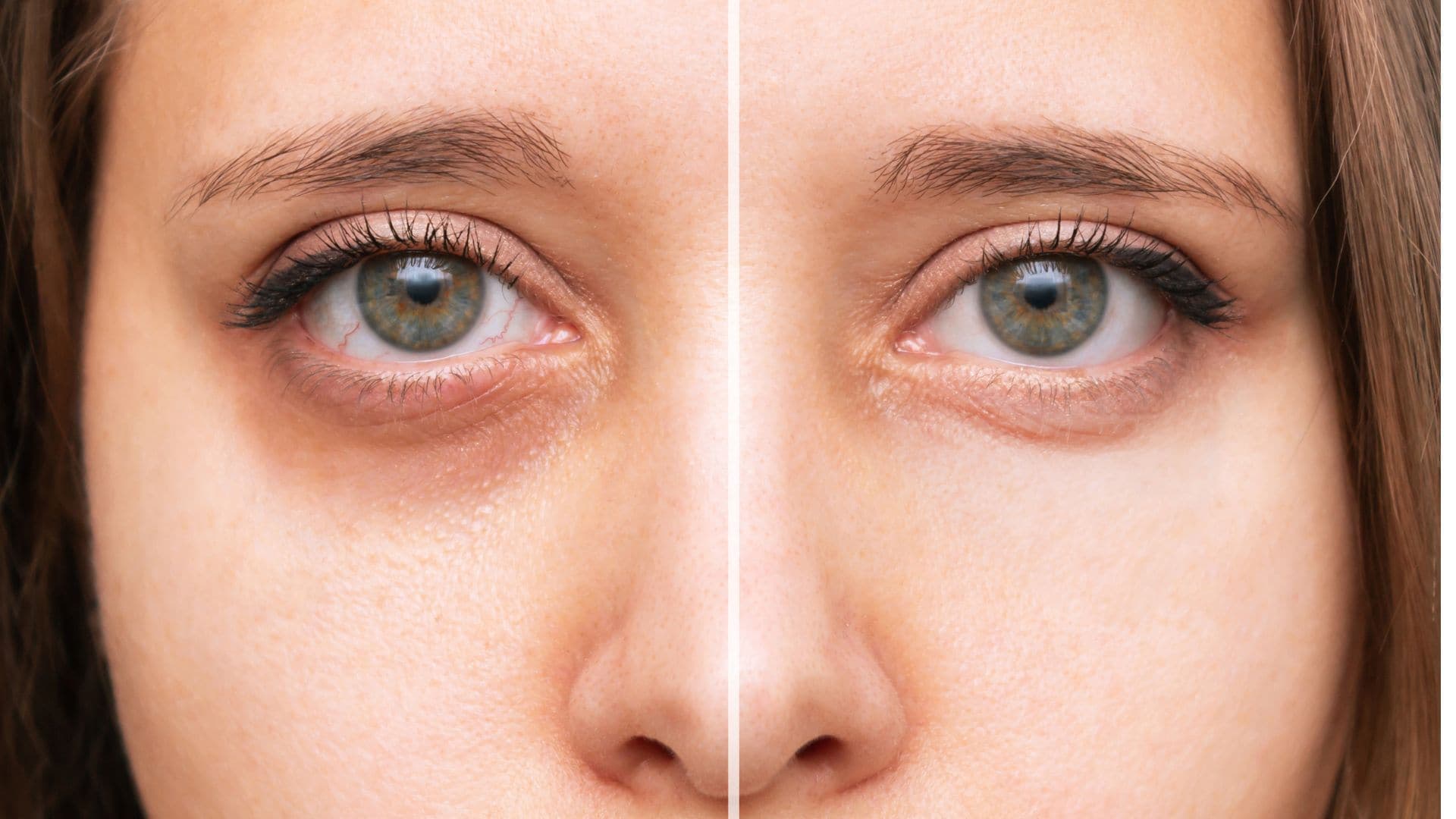
Before diving into causes and treatments, it helps to clearly define both conditions.- Dark circles are areas of darkness or discolouration beneath the eyes, usually appearing brown, bluish, or purple, depending on your skin tone and vascularity.
- Eye bags are puffiness or bulging under the eyes, often caused by swelling, fat herniation, or skin laxity.
Visual difference Between Eye Bags vs Dark Circles
| Dark Circles | Eye Bags | |
| Appearance | Shadows, brown/blue tint under the over eyelid | Puffiness or sagging under-eye bulge |
| Primary Cause | Pigmentation or visible blood vessels | Swelling or protruding fat pads |
| Common Triggers | Genetics, lack of sleep, skin thinning, and allergies | Ageing, fluid retention, poor sleep, and salt intake |
| Treatments | Brightening, volume restoration, pigmentation correction | Tightening, reducing puffiness, and surgical removal |
Causes of Dark Circles
Dark circles often make the eyes look sunken or shadowed, even when you’re well-rested. The main triggers include a mix of pigmentation, vascular issues, and lifestyle influences.01. Pigmentation
Overproduction of melanin, especially in individuals with medium to darker skin tones, can lead to brownish discolouration under the eyes. This is commonly known as periorbital pigmentation and can worsen with sun exposure or rubbing.02. Thin Skin and Visible Vessels
The skin under your eyes is thinner than anywhere else on the face. With age or stress, this skin becomes even more translucent, revealing the bluish blood vessels beneath. That vascular tint creates the impression of a dark shadow.03. Hollowing and Shadowing
Sometimes, it’s not pigment at all; it’s the shape of the area. As natural fat depletes below the eyes, a hollow or depression (called the tear trough) forms. This creates a natural shadow, often mistaken for discolouration.04. Lifestyle Triggers
Poor sleep, dehydration, alcohol, or rubbing the eyes can worsen dark circles. Inadequate rest slows blood circulation, while dehydration makes the under-eye area appear dull and thin.05. Allergies and Genetics
Chronic allergies often cause rubbing and inflammation that can darken the skin. Genetics also plays a big role; if your parents had dark circles, chances are, you might too.Causes of Eye Bags
Eye bags create a tired, puffy look even when you’re feeling fine. The causes are usually structural and age-related.01. Fluid Retention
Excess fluid around the eyes often accumulates overnight, causing puffiness, especially in the morning. It becomes more apparent after consuming salty meals or alcohol.02. Fat Herniation
With age, the orbital septum (a thin membrane that holds fat in place) weakens. As a result, fat protrudes forward, forming visible bags.03. Skin and Muscle Laxity
The delicate under-eye skin loses collagen and elasticity over time, while the orbicularis oculi muscle (which supports the area) relaxes. Together, these lead to sagging and a puffy contour.04. Genetics
If your parent or grandparent had noticeable under-eye puffiness from a younger age, yours may be hereditary rather than purely lifestyle-related.05. Lifestyle Factors
Lack of sleep, high sodium intake, alcohol, smoking, and dehydration can exacerbate puffiness by constricting blood vessels and impairing lymphatic drainage.How to Tell Whether You Have Dark Circles or Eye Bags
When you’re standing in front of the mirror, try this quick self-check:- For dark circles: Gently stretch the under-eye skin. If the darkness doesn’t fade, it’s likely due to pigmentation or vascular issues.
- For eye bags: Lightly press the area under your eyes. If puffiness or a bulge shifts or increases when you smile, it’s more likely to be fat or fluid retention.
- When both exist, you may notice both hollowness and swelling. This combination needs a custom plan that addresses pigment, volume, and texture.
Home Remedies and Lifestyle Tips
Small changes in your daily routine can make a big difference.01. Cold Compress or Caffeine Patches
Cold temperatures help reduce swelling and constrict blood vessels. You can use chilled spoons, gel masks, or caffeinated eye patches to visibly reduce puffiness. Prioritise Sleep and Hydration Aim for 7-8 hours of good-quality rest and drink enough water throughout the day. Sleep deprivation slows circulation, while dehydration dulls the under-eye skin.02. Reduce Salt and Alcohol Too much sodium or alcohol can promote water retention and cause morning puffiness. Opt for hydrating meals and limit late-night snacks.
03. Manage Allergies
If allergies cause rubbing and swelling, antihistamines and air purifiers can help minimise irritation.04. Protect from Sun and Harsh Products
Always apply a broad-spectrum SPF 30+ around the eyes daily. Avoid strong exfoliants and rubbing while cleansing or drying.Clinic Treatments: Tailored Professional Solutions
At-home remedies can only do so much for deep under-eye issues. While cold compresses and creams may offer temporary improvement, professional treatments address the root causes, such as pigmentation, structural fat changes, skin thinning, or fluid retention. A tailored under-eye plan is designed after a thorough consultation, during which the doctor assesses your skin tone, bone structure, under-eye depth, and specific concern (pigmentation, hollowing, or puffiness). Depending on the findings, the treatment is categorised into two key groups: dark circle treatments and eye bag treatments.Treatments for Dark Circles
Dark circles can stem from several factors: pigmentation, visible blood vessels, thinning skin, or shadowing from tear troughs. Professional solutions focus on correcting pigment, improving circulation, increasing skin thickness, and restoring lost volume.1. Medical-Grade Topical Creams
These are prescription-based formulas with ingredients that go beyond regular store-bought eye creams. They help lighten pigmentation, smooth texture, and stimulate collagen over time. Common active ingredients include:- Vitamin C - Brightens and strengthens delicate skin.
- Niacinamide - Reduces uneven tone and boosts barrier repair.
- Retinol (in low concentrations) - Improves cell turnover and collagen.
- Kojic acid or arbutin - Reduce melanin production for pigment-related dark circles.
2. Laser Resurfacing
This treatment gently renews the upper skin layer to target melanin buildup and uneven tone. Fractional or non-ablative lasers target pigmentation, stimulate collagen, and shrink visible vessels without harming surrounding tissue. Patients usually notice a smoother, brighter tone after 2-3 sessions spaced a few weeks apart.3. Microneedling and Radiofrequency (RF)
Microneedling uses tiny controlled punctures that stimulate collagen and improve blood flow around the eyes. When combined with radiofrequency energy, it also tightens and thickens skin, making vascular darkness less visible. This method is ideal for individuals with thinning under-eye skin or a bluish tint from visible vessels. Typical downtime is mild redness for a day or two, and results build over time with multiple sessions.4. Tear Trough Filler Treatment
Some dark circles are actually shadows caused by hollowness rather than colour. In these cases, hyaluronic acid (HA) dermal fillers are used to restore volume at the lower eyelid-cheek junction, known as the tear trough. Benefits include:- Softer transition between eyelid and cheek.
- Reduced the appearance of hollows and shadows.
- Fresher, more rested look lasting 12-18 months.
Treatments for Eye Bags
Eye bags form primarily due to structural and ageing changes around the lower eyelid. Treatments aim to reduce swelling, tighten skin, or surgically remove displaced fat to achieve a smoother contour.1. Radiofrequency or Ultrasound Skin Tightening
These non-invasive therapies improve collagen remodelling and skin tightening without surgery.- Radiofrequency (RF) therapy: Gently heats deeper layers of skin, tightening lax tissue and stimulating collagen.
- Ultrasound therapy (Ultherapy or HIFU): Uses focused energy to lift skin and firm the under-eye area.
2. Strategic Filler Blending
When eye bags are mild, dermal fillers can be placed strategically below the bulge to smooth the junction between the swollen area and the upper cheek. This technique doesn’t remove fat; instead, it camouflages it by creating an even transition. It’s suitable for younger patients or those not ready for surgery. Filler blending offers immediate improvement with minimal recovery time and lasts 12-18 months when performed correctly.3. Lower Blepharoplasty (Surgical Eye Bag Removal)
For more pronounced or long-standing eye bags, surgical correction delivers the most lasting and dramatic results. Lower blepharoplasty is a precise procedure performed by an oculoplastic or cosmetic surgeon to:- Remove or reposition excess fat under the eyes.
- Tighten loose skin and muscle.
- Smooth the contour between the eyelid and cheek.
4. Combination Approach
Often, the best results come from combining non-surgical and surgical solutions to address multiple factors simultaneously. For instance:- Dark pigment + hollowing: Laser resurfacing with fillers.
- Puffiness + lax skin: RF tightening with light fillers.
- Severe fat protrusion + skin excess: Surgical blepharoplasty with resurfacing or PRP for healing.
When to Seek Medical Help
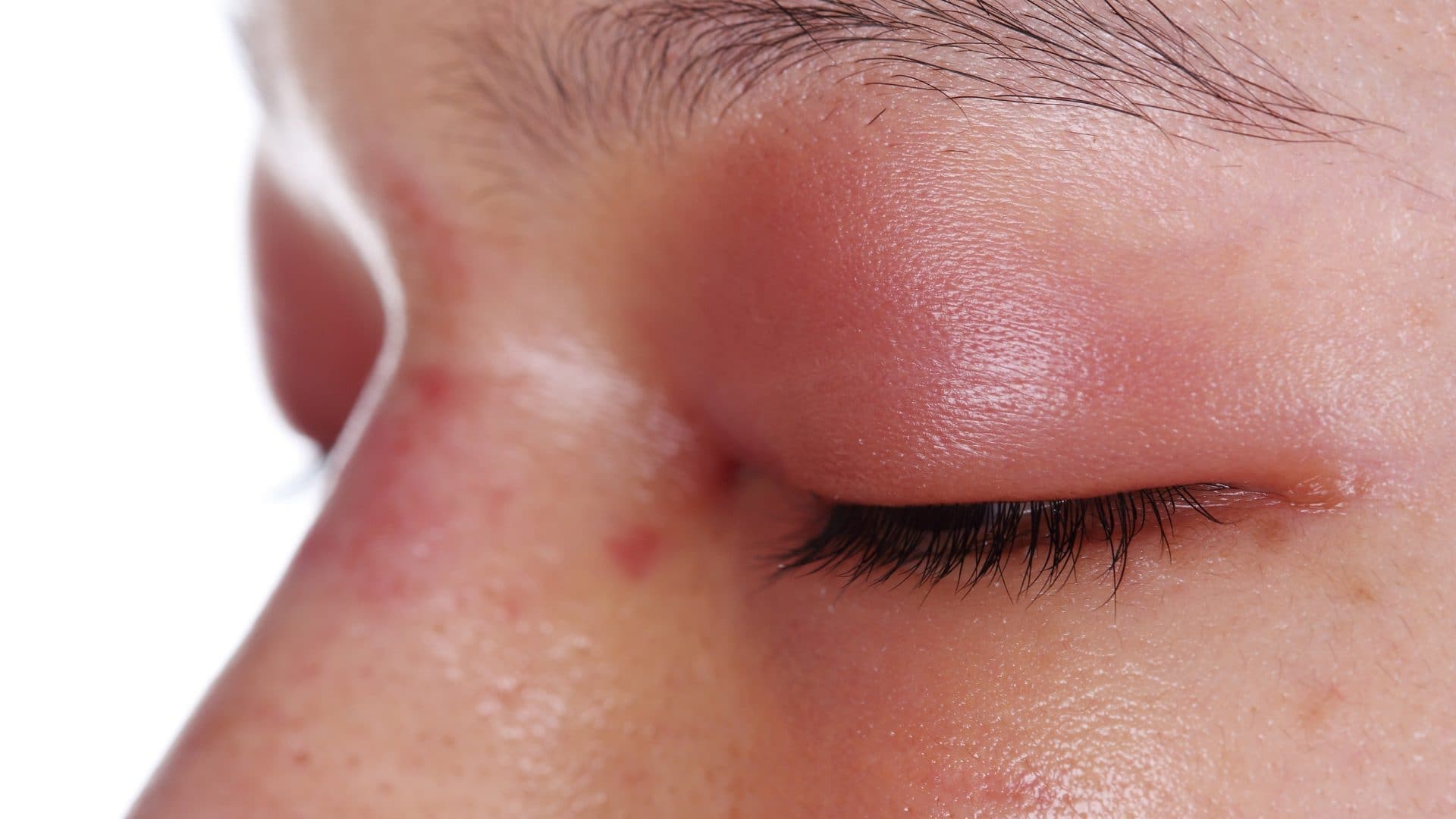
While most dark circles and eye bags are cosmetic, there are times to see a doctor:- Rapid swelling or redness under one eye
- Pain, irritation, or watery eyes
- Dark patches appearing suddenly or spreading
- Persistent puffiness that doesn’t improve despite rest
Long-Term Maintenance
After any treatment, consistency is key for lasting results.- Use daily SPF: Sun protection prevents darkening and keeps skin texture smooth.
- Avoid rubbing: This prevents capillary breakage and pigment buildup.
- Maintain good hydration: Keeps lymphatic drainage active and reduces puffiness.
- Regular follow-ups: Periodic clinic check-ins help maintain your skin health and adjust care plans as needed.
Final Thoughts
Dark circles and eye bags may look similar at a glance, but their root causes and best solutions differ significantly. Identifying whether your concern stems from pigmentation, hollowness, or puffiness helps guide the right approach. Whether it’s a skincare upgrade, non-invasive clinic treatment, or surgical correction, modern aesthetic medicine offers effective, personalised ways to restore a fresher, brighter look.Good to know
Frequently asked questions
Still unsure? Our team is glad to talk you through anything before you book.
- Not always. Many types of dark circles improve with proper sleep, skincare, and professional treatments targeting pigment and volume.
- Eye creams can temporarily firm the skin and reduce puffiness, but structural bags caused by fat or skin laxity often need procedural treatments.
- Tear trough fillers typically last between 12 and 18 months, depending on the product used and your metabolism.
- Yes, genetics can influence pigment distribution and skin thickness, which explains why some people inherit darker tones under their eyes.
- Yes, they reduce swelling and constrict vessels, offering temporary relief from puffiness, especially after poor sleep or salty meals.