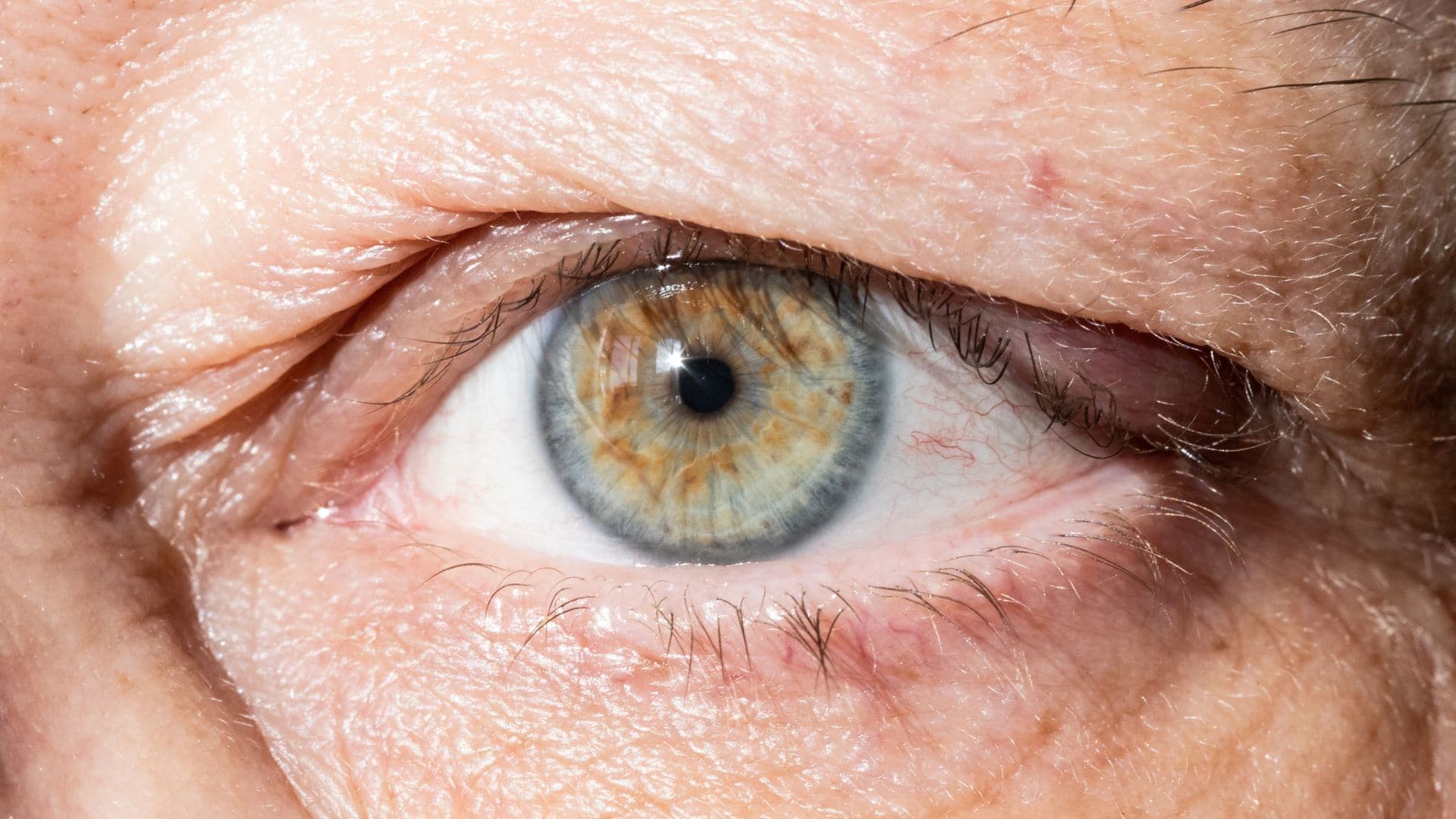
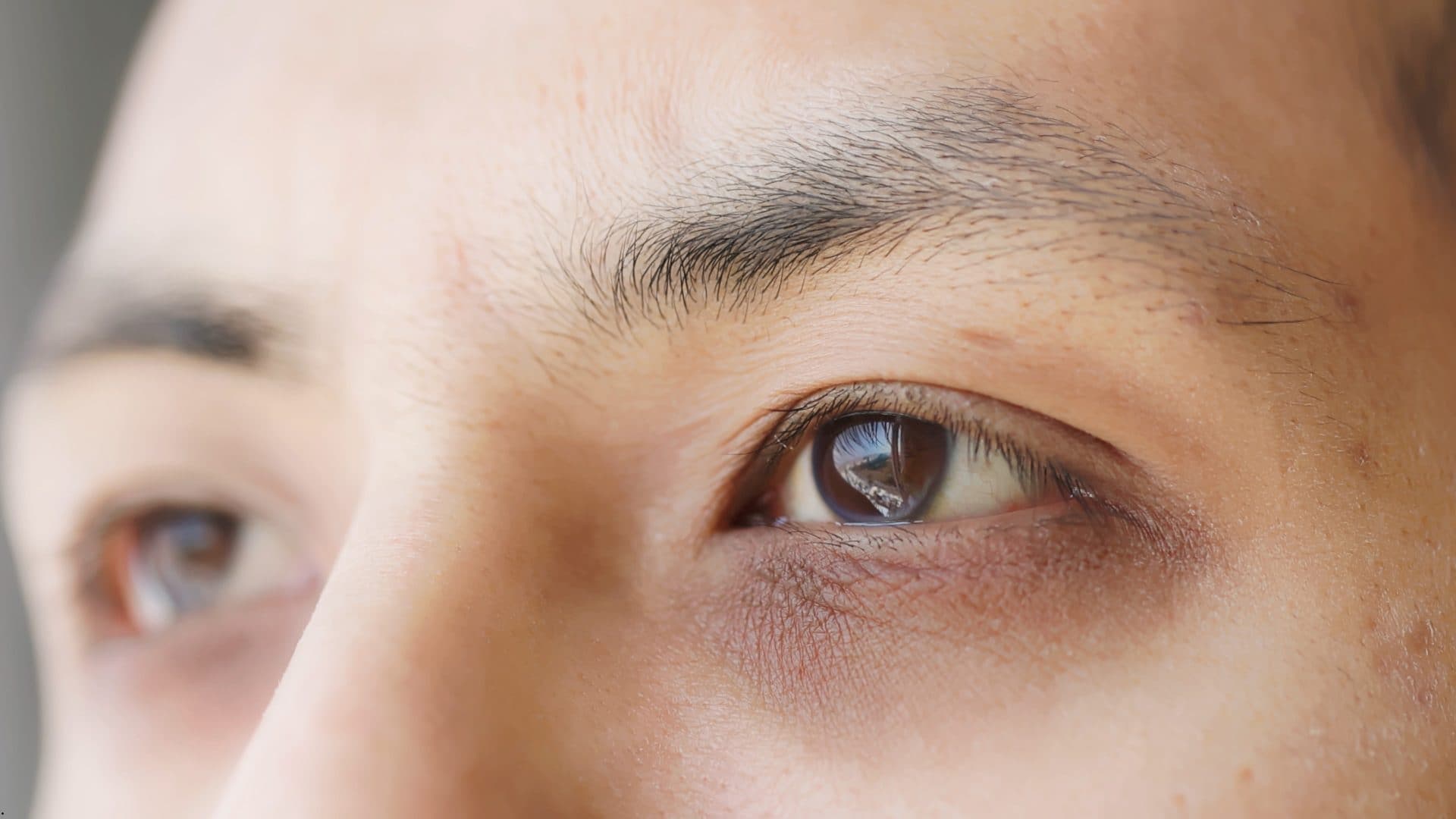
Are you dealing with dark circles under your eyes? You're not alone. Dark circles significantly affect the eye contour, the area with the thinnest skin on our body and the one that ages quickly. Therefore, it's no surprise that dark circles under eyes are often a major reason for aesthetic discomfort, as the eyes reflect our personality, and dark circles can dull their appearance.
These marks on the face can fade with a healthy lifestyle and adequate sleep, but there are also various treatment options available from oculoplastic ophthalmologists who specialise in the sensitive area around the eyes.
When selecting the most suitable treatment for each individual (such as hyaluronic acid, facial mesotherapy, or peels), it's crucial to identify the specific type of dark circles present.
Types of Dark Circles
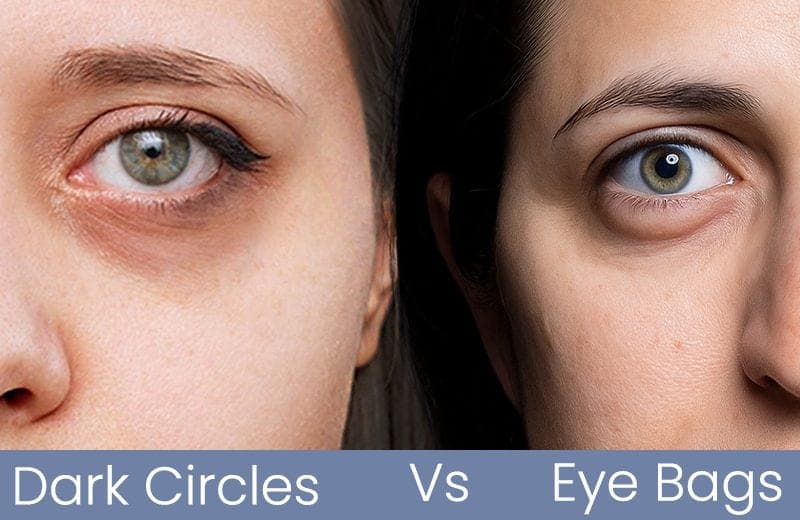
Dark circles under the eyes are one of the most common beauty concerns. They are usually described as a change in colour or texture of the skin beneath the lower eyelid, making the eyes look tired or sad. It's important not to mix them up with under-eye bags, which are more related to puffiness or swelling of the lower eyelid. There are several different types of dark eye circles you might experience.Blue or Vascular Dark Circles
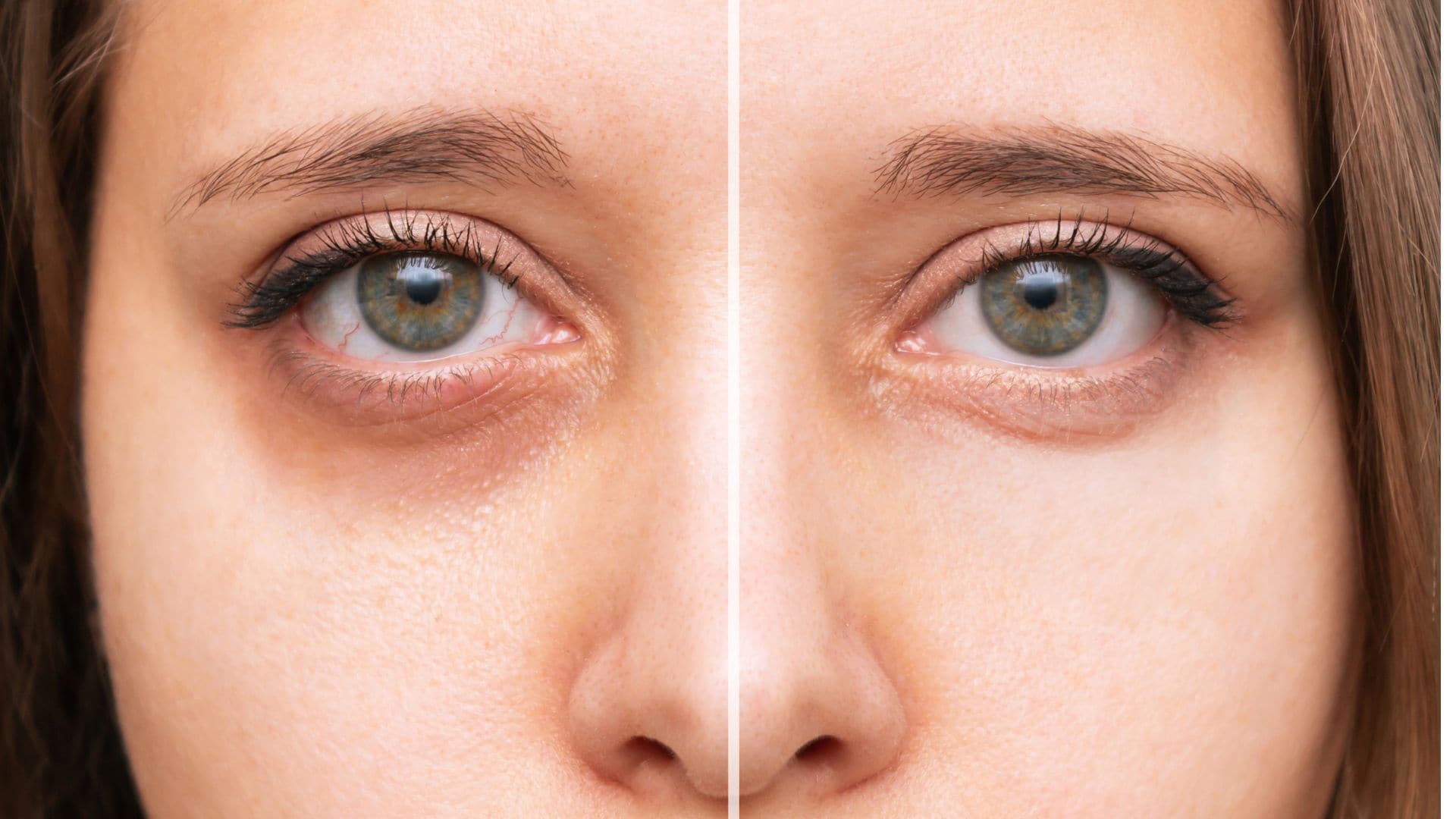
Vascular dark circles are blue, pink or purple in colour. These dark circles form when blood and lymph circulation slows down, causing blood pigments to build up under the lower eyelid. This accumulation leads to a bluish-purple tint because the thin skin in this area allows the small blood vessels to be easily visible. While genetics can play a role in vascular dark circles, lifestyle factors are also a major contributor. Lack of sleep, smoking, and alcohol consumption can significantly worsen the appearance of these blue circles.Causes for Blue or Vascular Dark Circles:
- Poor blood circulation
- High-stress levels
- Smoking habits
- Insufficient sleep
- Thinning skin around the eyes
- Low iron levels
- Dehydration, high intake of salty or spicy foods, and alcohol use.
- Medical conditions (such as anaemia or issues with the kidneys or liver).
- Extended screen time on computers, smartphones, or TVs.
Brown or Pigmentary Dark Circles
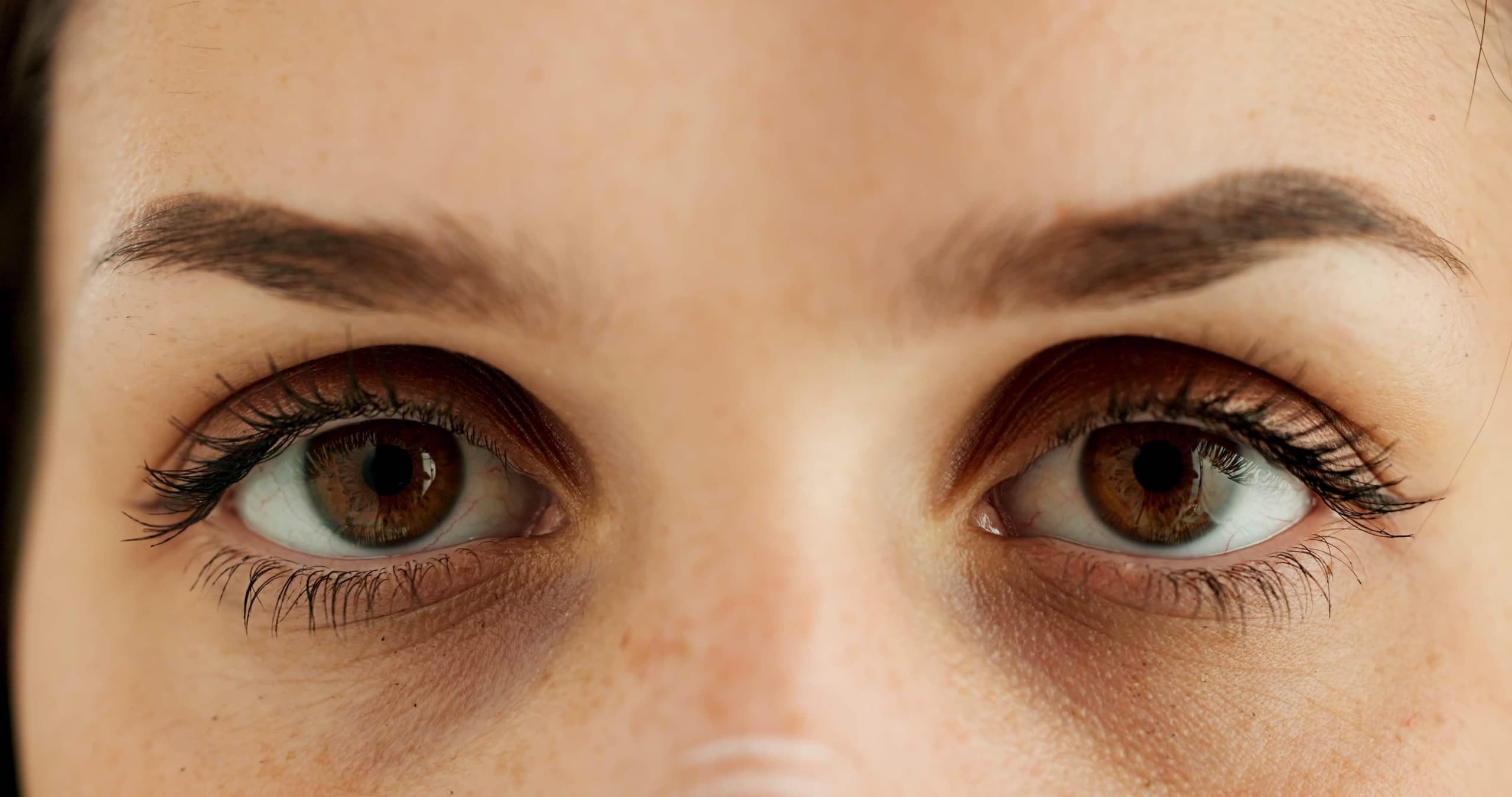
Pigmented dark circles are generally black or brown in colour. These dark circles are caused by an excess of melanin in the skin around the eyes. Due to the thinness of the skin in this area, it is more susceptible to hyperpigmentation, especially from sun exposure. The sun stimulates melanin production, which makes these pigmentary circles more prominent. Genetics also play a role, and this type of dark circle is more common in people with darker skin tones, who naturally produce more eumelanin, a darker form of melanin.Causes for Brown or Pigmentary Dark Circles:
- Overexposure to sunlight (such as sunspots)
- Allergies (like hay fever)
- Post-inflammatory effects
- Hyperpigmentation (excess melanin production)
- Frequent eye rubbing
- Dermatitis
- Hormonal factors or medications
- Genetic predisposition to dark circles
Hollow or Structural Dark Circles
These are also known as indented dark circles. These are structural and occur when a groove forms from the inner corner of the eye to the cheek. This type of under-eye circle shows a clear shadow beneath the eyes. A unique bone structure makes the hollows under the eyes more noticeable, highlighting the eye socket's shape. When light comes from above, it creates a shadow under your eyes. However, if the light comes from the front, this shadow will be less noticeable. They are often caused by a loss of fat around the eyes, which leads to a sunken or hollow appearance, creating shadows. This happens naturally with ageing, as the fat beneath the lower eyelid decreases, making a face look more skeletal. Structural dark circles can be inherited or develop over time, particularly after significant weight loss.Causes for Hollow or Structural Dark Circles:
- Ageing
- Genetics
- Significant weight loss
- Loss of collagen
- Sun exposure
- Smoking
How to Identify Blue, Brown, or Hollow Dark Circles?
It can be tricky to tell the different types of dark eye circles apart, but knowing which type you have is key to finding the right treatment. The first thing to check is the colour of your dark circles.- Blue or Purple Dark Circles: If your dark circles appear more blue or purple, they're likely vascular dark circles. These are usually the easiest to recognize. To be sure, try applying a cold compress around your eyes for a few minutes. If the dark circles fade, this confirms they are vascular.
- Brown or Hollow Dark Circles: Differentiating between brown (pigmented) and hollow dark circles can be harder, as both appear darker in colour. Pigmented dark circles tend to be yellow-brown, while hollow dark circles are usually deeper and look more like shadows. To test this, use a lamp. Hollow dark circles become more noticeable when light comes from above but fade with light from the front. In contrast, the appearance of pigmented dark circles doesn't change with lighting.
- Mixed Dark Circles: If you're still unsure which type you have, it's possible you might have mixed dark circles. This means you have a combination of both vascular and pigmented dark circles to different extents.
Summary
Dark circles under the eyes are something many people deal with, no matter their age. They are typically brought on by ageing, heredity, allergies, or sleep deprivation. Knowing the type of dark circles you have helps you find the right way for how to remove dark circles under eyes permanently. Whether you prefer home remedies, skincare products, or professional help, there are various ways to lessen the look of dark circles and keep your face looking fresh and youthful.Good to know
Frequently asked questions
Still unsure? Our team is glad to talk you through anything before you book.
- Brown: If you stretch the skin under your eyes and the darkness moves with the skin, it’s likely brown or pigmented dark circles.; Black: If stretching the skin makes the colour lighten, you might have black or shadowy dark circles.; Blue: If the darkness stays the same when you stretch the skin, it’s probably blue or vascular dark circles.
- Dark circles under your eyes are a common issue for many people. They can often be caused by getting older, your family history, allergies, or insufficient sleep. There are multiple home remedies and medical treatments that might help improve their appearance.
- Ingredients like niacinamide, caffeine, tranexamic acid, and vitamin C are effective in reducing the appearance of dark circles by brightening, de-puffing, and evening out skin tone.
- Yes, using sunscreen can help. Having a good skincare routine that includes a broad-spectrum sunscreen with SPF 30 or higher is important for improving dark circles. Sun damage is actually a hidden cause of this issue.
- Yes, sleep is important for reducing the appearance of dark circles. Make sure to get enough restful sleep, and consider cutting down on excess salt and sugar in your diet to help.
- To check this, gently lift and move the skin under your eyes a little. If the bluish colour fades or becomes lighter, it likely means the skin is thin, allowing the veins underneath to show through.