Ever experienced waking up with itchy, crusty, or swollen eyelids? It is frustrating and uncomfortable, right? Don't worry; you are not alone. These symptoms might point to a very common yet often overlooked condition known as blepharitis. This stubborn eyelid inflammation can cause irritation every day, making something as simple as reading or staring at a screen unbearable.
But, with the right knowledge, it can be controlled. In this guide, we explore what blepharitis is, the key blepharitis symptoms, the various causes of blepharitis, and the latest blepharitis treatment options for 2025. Whether you're experiencing recurring issues or just curious about your eye health, this guide has everything you need to know to keep your eyes healthy and comfortable.
What is Blepharitis?
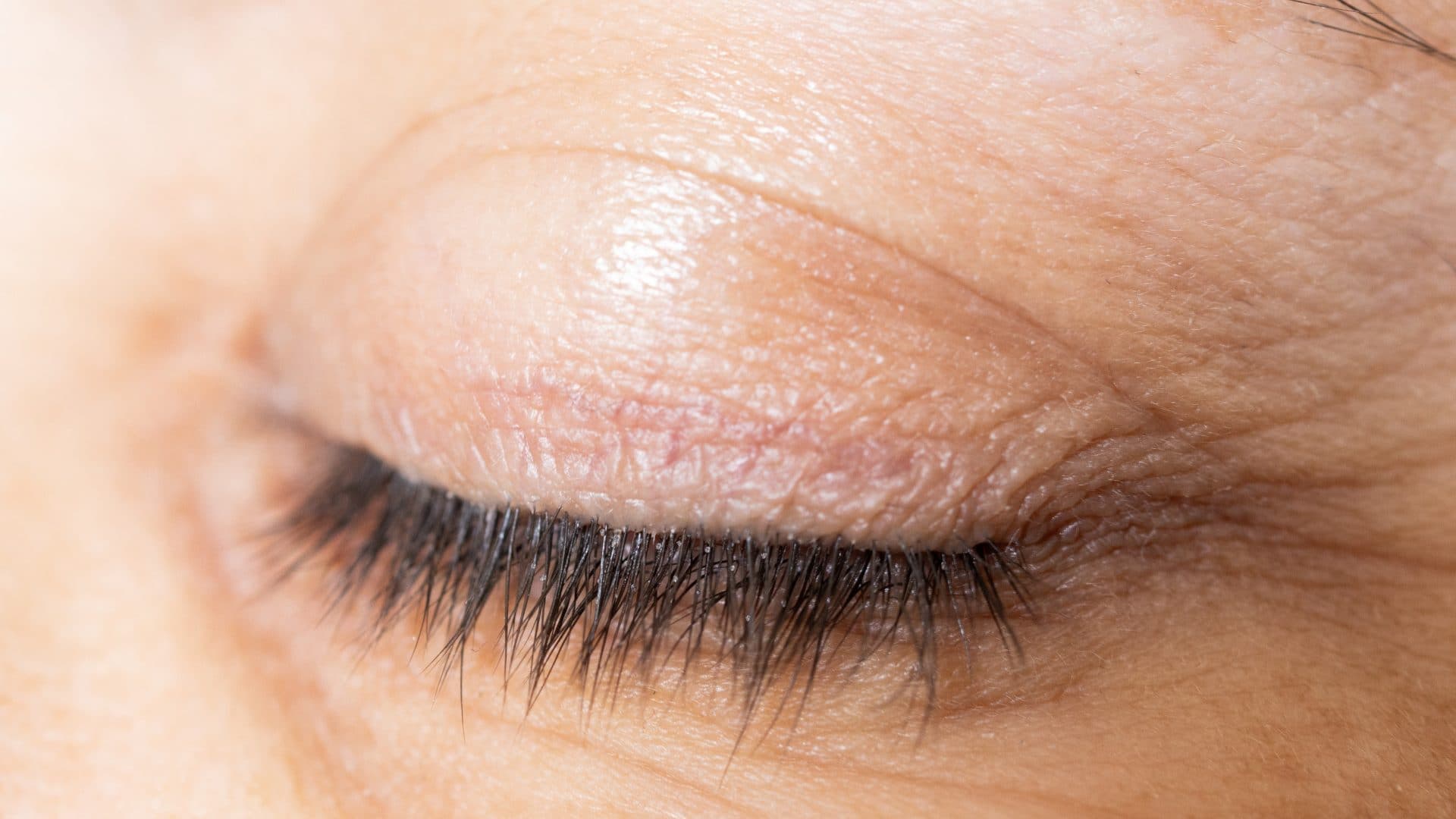
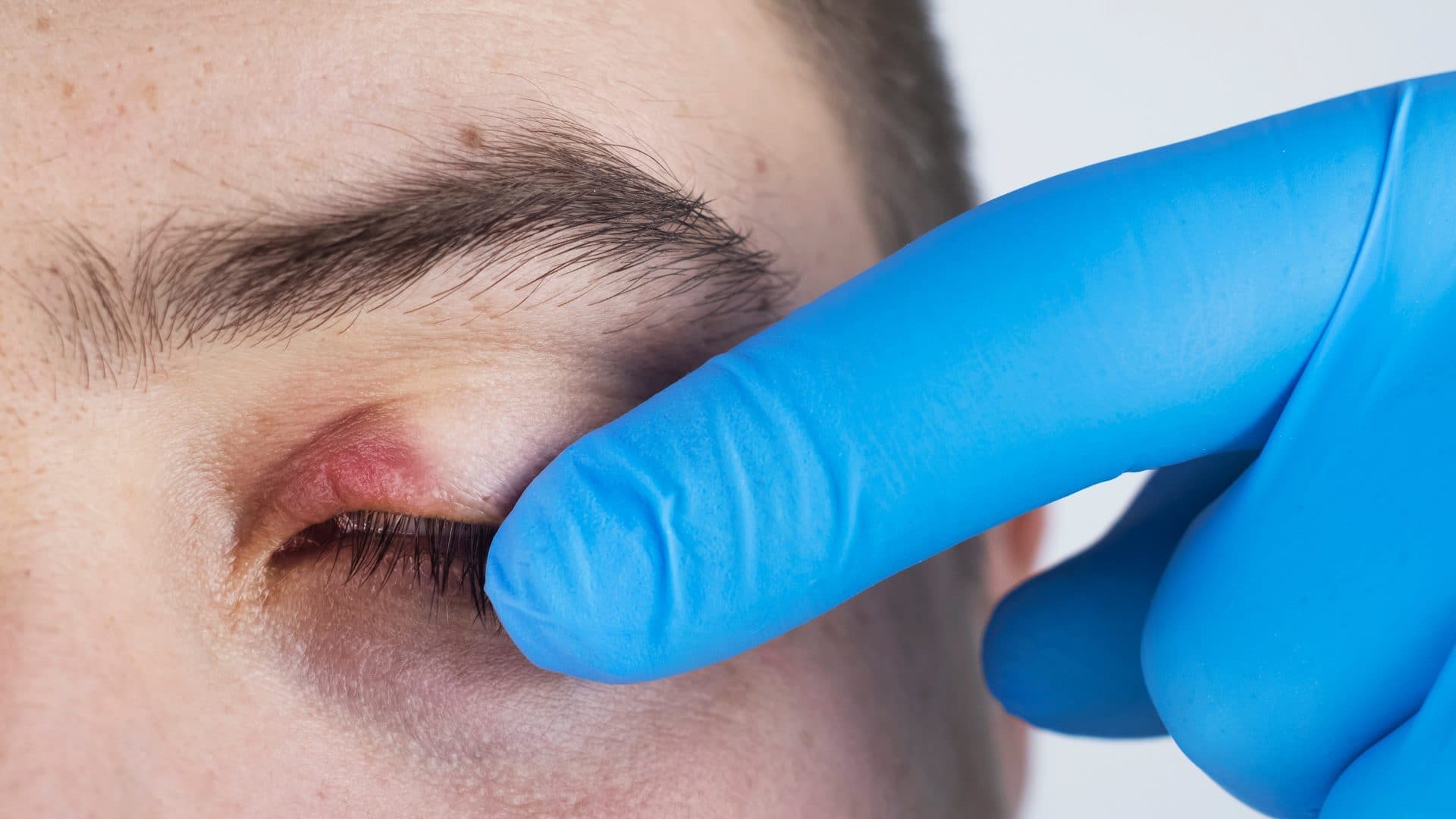
Blepharitis is inflammation of the eyelids that can affect people of all ages. It occurs when the oil glands near the base of your eyelashes become clogged, leading to red, swollen, and irritated eyelids. Understanding what blepharitis is is key to recognising and managing it effectively. This condition can be classified into two primary types: 1. Anterior Blepharitis: This is along the outer front edge of the eyelid where the eyelashes are attached. 2. Posterior Blepharitis: This is along the inner edge of the eyelid closest to the eye and is commonly associated with dysfunction of the meibomian glands.Blepharitis Symptoms
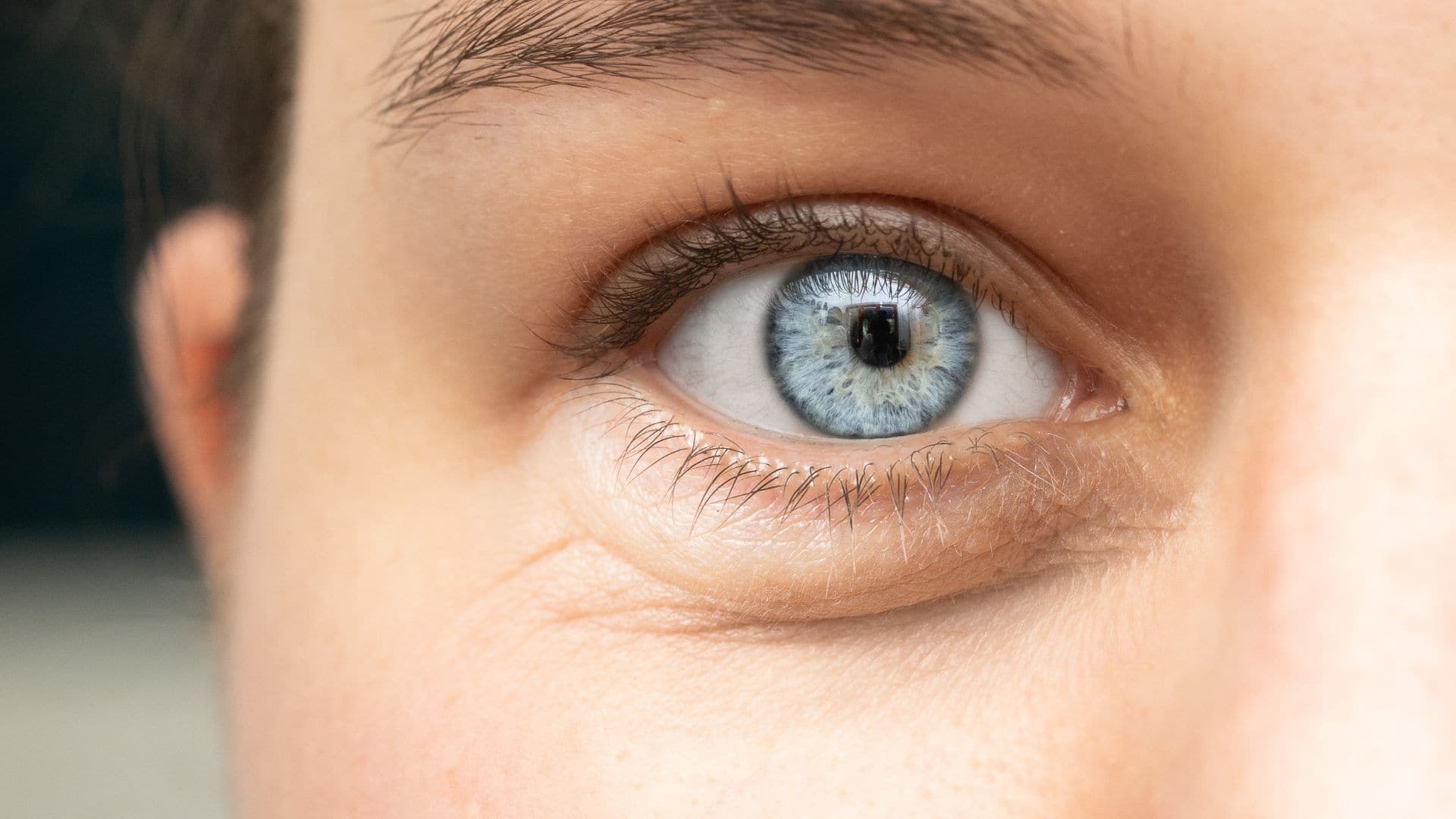
Early recognition of blepharitis symptoms can prevent complications. The following are the most common symptoms related to this condition:- Red and swollen eyelids
- Crusty or flaky skin around the base of the eyelashes
- Itching, burning, or stinging sensation in the eyes
- Dry eyes or excessive tearing
- Sensitivity to light
- Foreign body sensation in the eyes
- Blurred vision (in severe cases)
Causes of Blepharitis
Knowing the causes of blepharitis will help you manage and prevent flare-ups. This condition is usually caused by:-
Bacterial Infections
-
Seborrheic Dermatitis
-
Meibomian Gland Dysfunction (MGD)
-
Allergic Reactions
-
Mites or parasites
Blepharitis Treatment Options
-
Eyelid Hygiene
-
Prescription Medications
-
Advanced Therapies
-
Lifestyle Changes
Complications of Blepharitis
Although blepharitis is rarely vision-threatening, complications from untreated cases may include:- Chalazion: Blocked oil glands cause painful eyelid swelling.
- Stye: A bacterial infection of the eyelid that creates a red, swollen bump.
- Corneal problems: irritation or infection of the cornea.
Life with Blepharitis
Managing blepharitis is a lifelong process for many. Adopting healthy habits and staying consistent with treatment can significantly improve your quality of life. Keep your eyelids clean, avoid rubbing your eyes, and consult an eye doctor regularly for check-ups. If you’re struggling with swollen eyes, redness, or irritation, don’t hesitate to seek professional advice. Early intervention and proper care can make all the difference.Conclusion
Blepharitis is a treatable disease; it just requires vigilant commitment. Knowing what blepharitis is and identifying symptoms and causes will keep you on top of managing your eye health in 2025. With modern research, there is now close proximity to relief for everyone from the discomfort of eyelid blepharitis. For crusty eyelids and pain that do not subside, contact your healthcare professional to set up a treatment plan designed especially for eyelid blepharitis. Keep your vision alert and give your eyes the best care in town!Good to know
Frequently asked questions
Still unsure? Our team is glad to talk you through anything before you book.
- It is one of the common conditions that have inflammatory eyelids, primarily caused by clogged oil glands or bacteria and other conditions within the skin.
- General symptoms may appear as the eyelids become red, puffy, itchy, and have crusty eyelashes with burning feelings, other symptoms are dryness to the eye and light sensitivity.
- Blepharitis can be caused by bacterial infections, seborrheic dermatitis, meibomian gland dysfunction, allergies, and mites such as Demodex.
- Regular eyelid hygiene, including warm compresses, gentle eyelid scrubs, and avoidance of eye makeup, will help manage symptoms.
- No, it is not contagious, although good eye hygiene will prevent flare-ups and irritation.