A small lump, swelling or sore spot on the eyelid can be uncomfortable and sometimes difficult to identify. Two of the most common causes are a chalazion and a stye. Although they can look similar, they develop for different reasons and often have different symptoms.
Knowing the difference between a chalazion and a stye can help you understand what may be happening and when it is worth seeking medical advice.
At Perfect Eyes Clinic, an assessment can help distinguish between common eyelid lumps and identify when further treatment or investigation may be appropriate.
What Is a Stye?
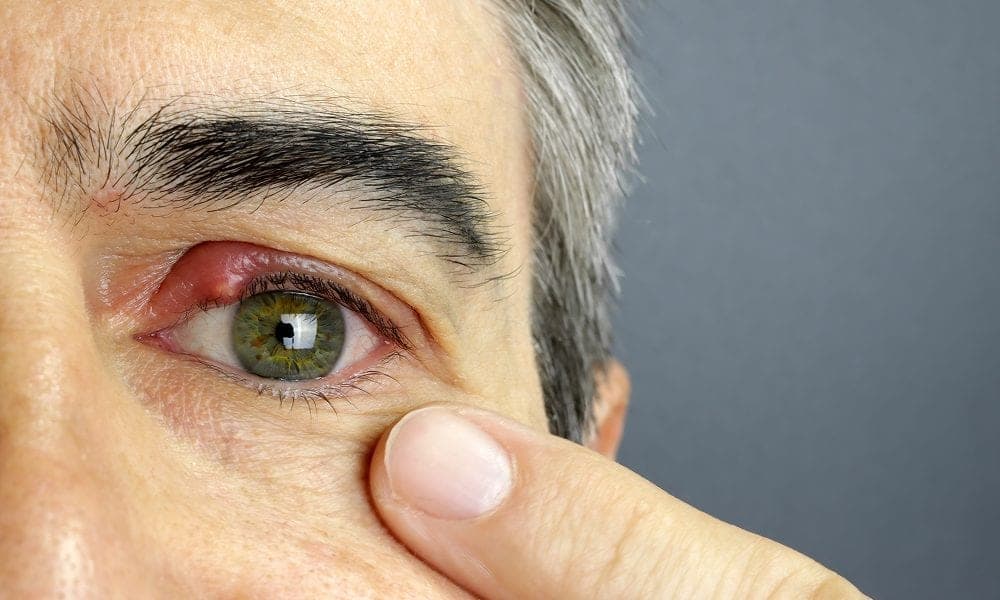
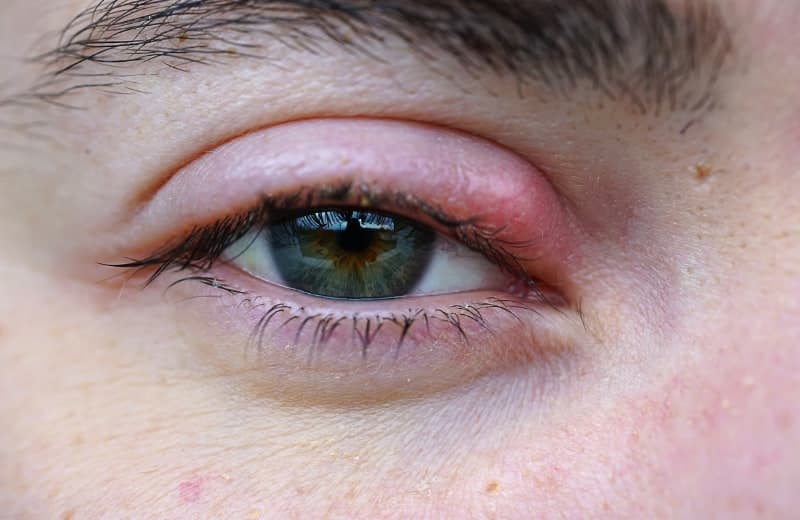
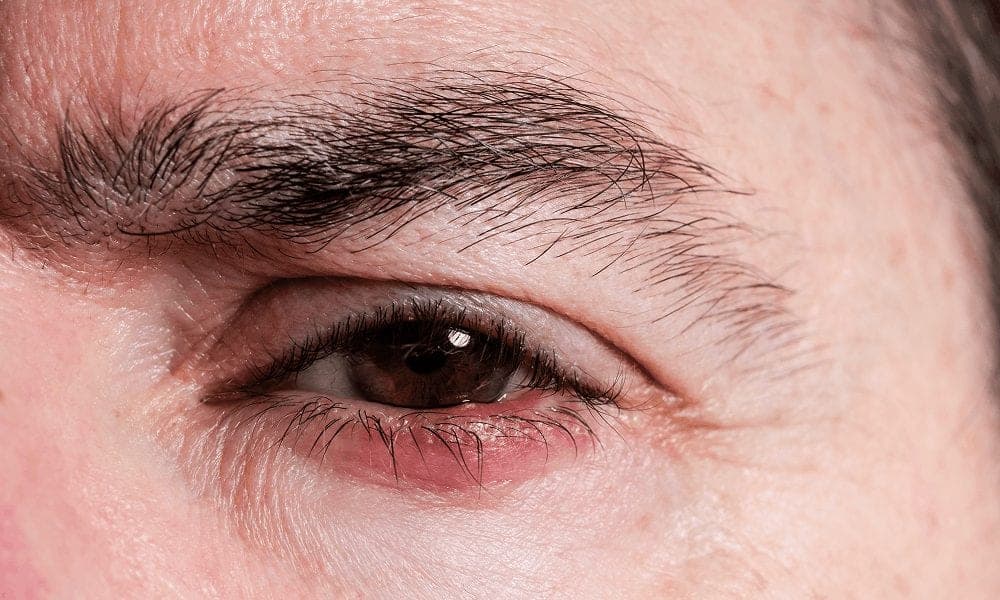
A stye, also called a hordeolum, is a painful, localised inflammation or infection involving an eyelid gland.
Styes commonly develop near the edge of the eyelid, where the eyelashes emerge. They can affect the glands associated with the eyelashes or the oil-producing glands in the eyelid.
A stye often develops relatively quickly and may look like a small red, swollen bump.
Common symptoms include:
- A tender or painful lump
- Redness around the affected area
- Swelling of the eyelid
- Tenderness when touching the eyelid
- Watering of the eye
- A small spot that may resemble a pimple
- Occasionally, discharge or a visible area of pus
A stye may be uncomfortable, particularly when blinking or touching the eyelid.
What Is a Chalazion?
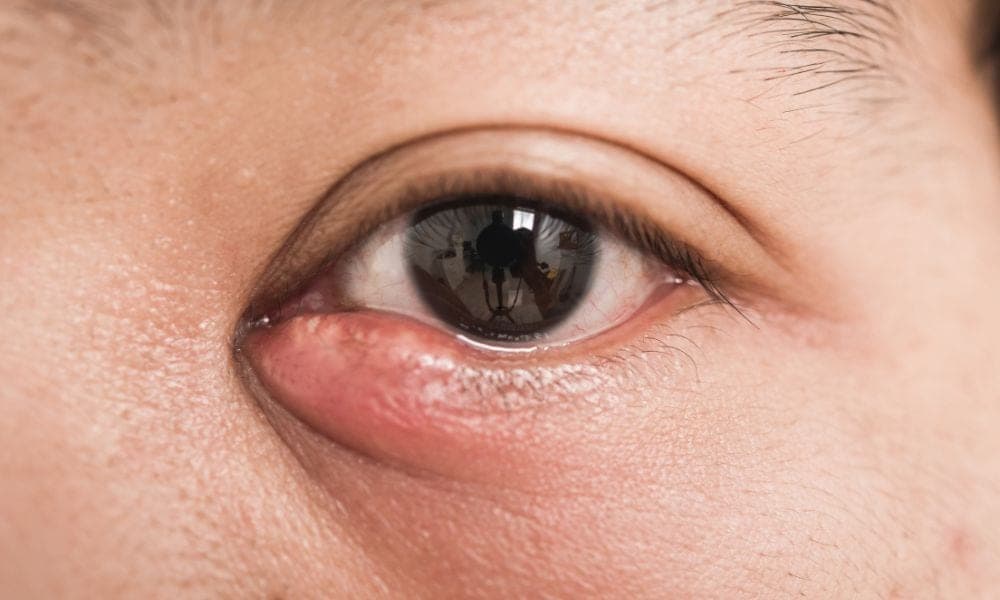
A chalazion is a firm lump caused by blockage of an oil-producing gland within the eyelid.
Unlike a stye, a chalazion is usually not caused by an acute infection.
When the gland becomes blocked, oil can build up within the tissue and cause a localised area of inflammation. This can result in a rounded lump that may remain for weeks or sometimes longer.
A chalazion may:
- Feel firm or rubbery
- Be located further inside the eyelid
- Cause little or no pain
- Develop gradually
- Cause localised swelling
- Become more noticeable when the eyelid is gently examined
A chalazion can sometimes develop after a stye or remain after the initial inflammation has settled.
Chalazion vs Stye: The Key Differences
Although both conditions can cause an eyelid lump, there are some useful differences.
| Feature | Stye | Chalazion |
| Main cause | Inflammation or infection involving an eyelid gland | Blocked oil-producing gland |
| Pain | Usually painful or tender | Usually painless or only mildly uncomfortable |
| Appearance | Red, swollen bump, often near the eyelid edge | Firm, rounded lump within the eyelid |
| Onset | Often develops relatively quickly | Usually develops more gradually |
| Redness | Common | May be minimal once inflammation settles |
| Pus/discharge | May be present | Usually absent |
| Duration | Often settles as the acute inflammation resolves | Can persist for weeks or longer |
| Location | Often close to the eyelash line | Usually within the eyelid itself |
These features can help you understand the difference, but they do not replace an examination. An eyelid lump that does not behave as expected should be assessed.
How Can I Tell If I Have a Stye?
A stye is more likely if the lump:
- Appeared relatively suddenly
- Is painful or tender
- Is red and swollen
- Is close to the eyelash line
- Looks like a small spot or pimple
- Makes the surrounding eyelid feel sore
The eyelid may also feel warm or uncomfortable.
Styes often improve as the inflammation settles, although the exact duration can vary.
How Can I Tell If I Have a Chalazion?
A chalazion is more likely if you have:
- A firm lump inside the eyelid
- Little or no pain
- A lump that has persisted for several weeks
- Minimal redness
- A rounded or localised area of swelling
- A previous stye that has become less painful but left a lump behind
A chalazion can sometimes be quite noticeable even when there is little discomfort.
Can a Stye Turn Into a Chalazion?
A stye and chalazion are different conditions, but they can be related.
After the acute inflammation of a stye settles, a blocked gland can sometimes remain and leave a persistent lump.
This means you may initially have a painful, red eyelid bump and later be left with a firmer, less painful lump.
If a lump continues to remain after the original stye has settled, it may be worth having it assessed.
What Causes Styes?
Styes can develop when bacteria and inflammation affect an eyelid gland.
Factors that may increase the likelihood of developing styes include:
- Touching or rubbing the eyes
- Poor eyelid hygiene
- Blepharitis
- Blocked eyelid glands
- Certain skin conditions
- Using eye makeup
- Contact lens use when hygiene is inadequate
- A previous history of styes
Some people are also more prone to recurrent styes.
What Causes Chalazia?
Chalazia develop when an oil-producing gland in the eyelid becomes blocked.
Factors associated with blocked eyelid glands can include:
- Blepharitis
- Meibomian gland dysfunction
- Previous chalazia
- Inflammation around the eyelids
- Certain skin conditions
Some people may develop chalazia repeatedly, particularly if the underlying eyelid inflammation or gland dysfunction is not addressed.
Are Chalazia and Styes Contagious?
Neither a typical chalazion nor a typical stye should be considered highly contagious in the way that some eye infections are.
However, good hygiene is still important.
Avoid:
- Sharing towels or face cloths
- Sharing eye makeup
- Touching the affected eyelid unnecessarily
- Rubbing your eyes
Wash your hands before touching your eyes or applying any eye medication.
What Can I Do at Home for a Stye or Chalazion?
For many uncomplicated eyelid lumps, warm compresses can be useful.
Place a clean, comfortably warm compress over the closed eye for around 5–10 minutes, several times a day.
The warmth can help soften oils within blocked eyelid glands and support natural drainage.
It is important that the compress is warm rather than hot to avoid burning the delicate skin around the eyes.
You should also maintain good eyelid hygiene and avoid squeezing or trying to pop the lump.
Should I Squeeze a Stye or Chalazion?
No.
Trying to squeeze or pop an eyelid lump can irritate the surrounding tissues and potentially worsen inflammation or spread infection.
Instead, use appropriate warm compresses and seek medical advice if the lump is persistent, recurrent or causing significant symptoms.
When Might a Stye Need Medical Treatment?
Many uncomplicated styes settle without specific medical treatment.
However, medical assessment may be appropriate if:
- The stye is very painful
- Swelling is significant
- The redness is spreading
- Symptoms are getting worse rather than better
- The problem keeps coming back
- The lump is affecting vision
- It does not settle as expected
Depending on the findings, a clinician may recommend specific treatment.
Antibiotics are not routinely needed for every stye and should only be used when clinically appropriate.
When Might a Chalazion Need Treatment?
Many small chalazia gradually settle with conservative care.
However, a persistent chalazion may require further assessment, particularly if it:
- Remains for several weeks
- Continues to grow
- Is affecting vision
- Is repeatedly occurring in the same area
- Is particularly large
- Does not respond to conservative measures
If a chalazion persists, an ophthalmologist may discuss treatment options such as a minor procedure to drain or remove the contents of the blocked gland.
The appropriate approach depends on the individual case.
Can a Chalazion Affect Vision?
A small chalazion usually does not affect vision.
However, a larger lump can sometimes press against the surface of the eye and temporarily affect vision or cause visual distortion.
If you notice a significant or persistent change in your vision, seek an appropriate eye assessment rather than assuming that the lump is responsible.
What About Recurrent Styes or Chalazia?
If you repeatedly develop eyelid lumps, it is worth looking beyond the individual episode.
Recurring styes or chalazia can sometimes be associated with underlying eyelid conditions such as:
- Blepharitis
- Meibomian gland dysfunction
- Chronic eyelid inflammation
- Certain skin conditions
Treating the underlying problem may help reduce the likelihood of further episodes.
An assessment can help identify whether there is an ongoing eyelid condition contributing to recurrent lumps.
Chalazion vs Stye: When Should You See a Specialist?
| Symptom or situation | Why assessment may be appropriate |
| Persistent lump | The diagnosis may need confirming |
| Repeated styes or chalazia | May indicate an underlying eyelid condition |
| Lump that continues to grow | Requires assessment to establish the cause |
| Significant pain or swelling | May indicate more extensive inflammation |
| Redness spreading beyond the eyelid | Could indicate a more significant infection |
| Vision changes | Requires appropriate eye assessment |
| Difficulty opening or closing the eye | May require prompt medical attention |
| A firm lump that does not resolve | Should be examined, particularly if persistent or recurrent |
| Changes affecting only one area repeatedly | Further assessment may be appropriate |
What Happens During an Eyelid Lump Assessment?
A specialist will usually begin by asking about:
- When the lump appeared
- Whether it is painful
- Whether it has changed in size
- Whether you have experienced similar lumps before
- Any discharge or redness
- Your history of blepharitis or other eyelid problems
- Previous eye surgery or treatment
The eyelid will then be examined to assess the location, appearance and characteristics of the lump.
The specialist may also examine the eyelid margins and oil-producing glands to look for signs of underlying inflammation or gland dysfunction.
When an Eyelid Lump Needs Further Assessment
Most styes and chalazia are common eyelid conditions and are not serious. However, not every eyelid lump is necessarily a stye or chalazion.
A persistent, recurrent or unusual-looking lump should therefore be assessed, particularly when it does not respond to the usual measures or keeps returning in the same location.
Early assessment can help confirm the diagnosis and determine whether there is an underlying eyelid condition that needs attention.
Understanding the Difference Matters
Although a stye is usually painful and associated with acute inflammation, a chalazion is typically a firmer, less painful lump caused by a blocked oil-producing gland.
The two can sometimes look similar, and one can occur after the other. If you are unsure what type of lump you have, or if it is not settling as expected, a professional assessment can provide clarity.
At Perfect Eyes Clinic, patients can receive an assessment of persistent or recurrent eyelid concerns, helping to identify the underlying cause and determine whether further treatment or specialist care may be appropriate.
If you have an eyelid lump that is painful, persistent, recurrent or affecting your vision, seeking an appropriate eye assessment is the best way to establish what is causing it.
Frequently asked questions
Still unsure? Our team is glad to talk you through anything before you book.
- A stye is usually more painful or tender because it is associated with acute inflammation. A chalazion is typically firm and relatively painless, although it can sometimes be uncomfortable.
- Many styes improve as the inflammation settles, although the duration varies. If a lump is persistent, worsening or repeatedly returning, it is worth having it assessed.
- A chalazion can persist for several weeks or longer. If it does not improve or continues to grow, a specialist assessment can help determine whether further treatment is appropriate.
- It is generally sensible to avoid contact lenses while you have an active eyelid infection or significant inflammation and follow advice from your eye-care professional.
- It is best to avoid eye makeup while the eyelid is inflamed. Once the problem has resolved, replacing potentially contaminated eye makeup may help reduce the risk of recurrence.
- Yes. Some chalazia settle without further treatment, particularly when the blockage and inflammation resolve naturally. Persistent lumps may require assessment.
- Not every stye requires antibiotics. A clinician should determine whether there is an indication for antibiotic treatment based on the examination and symptoms.
- Yes. Recurrent chalazia can occur, particularly when there is an underlying tendency towards blocked eyelid glands or chronic eyelid inflammation.
- A stye and chalazion are different conditions, but a persistent blocked gland following an episode of inflammation can leave a firm lump resembling a chalazion.
- Seek medical advice if the lump is persistent, repeatedly returns, grows, causes significant swelling or pain, affects your vision, or is accompanied by spreading redness or other concerning symptoms.