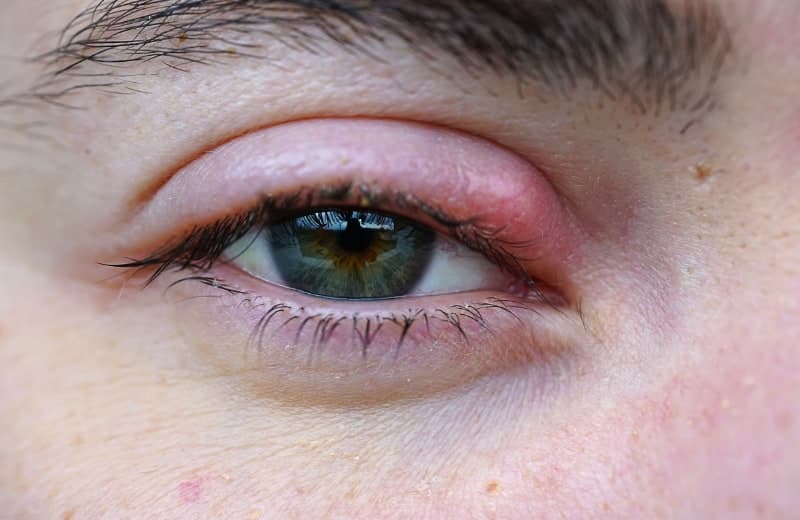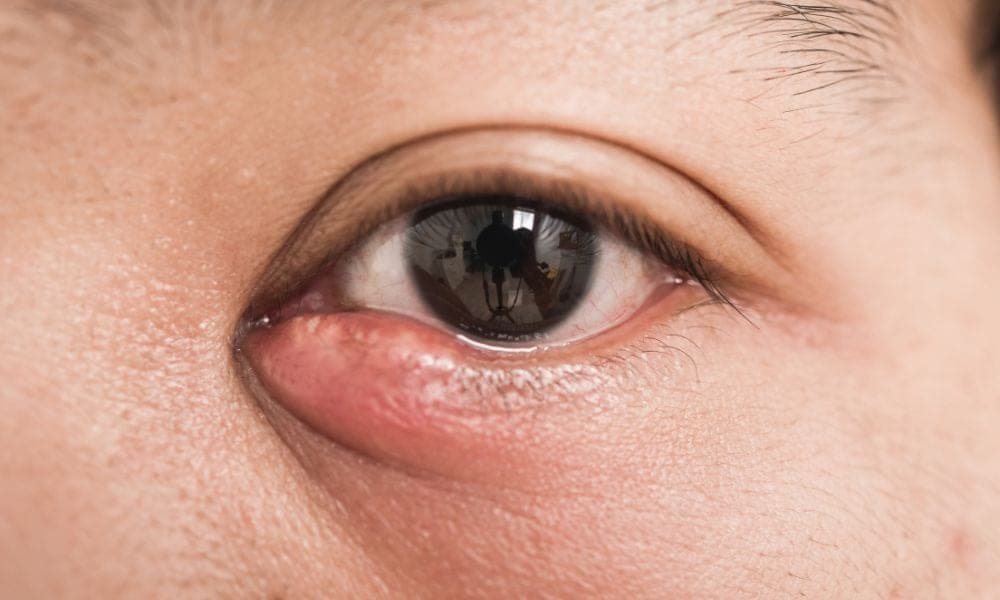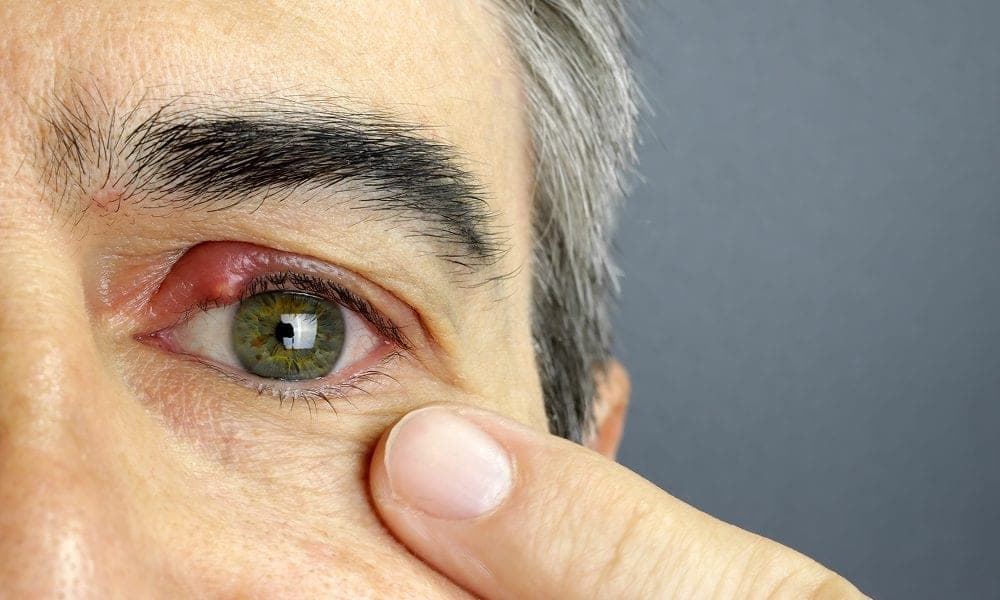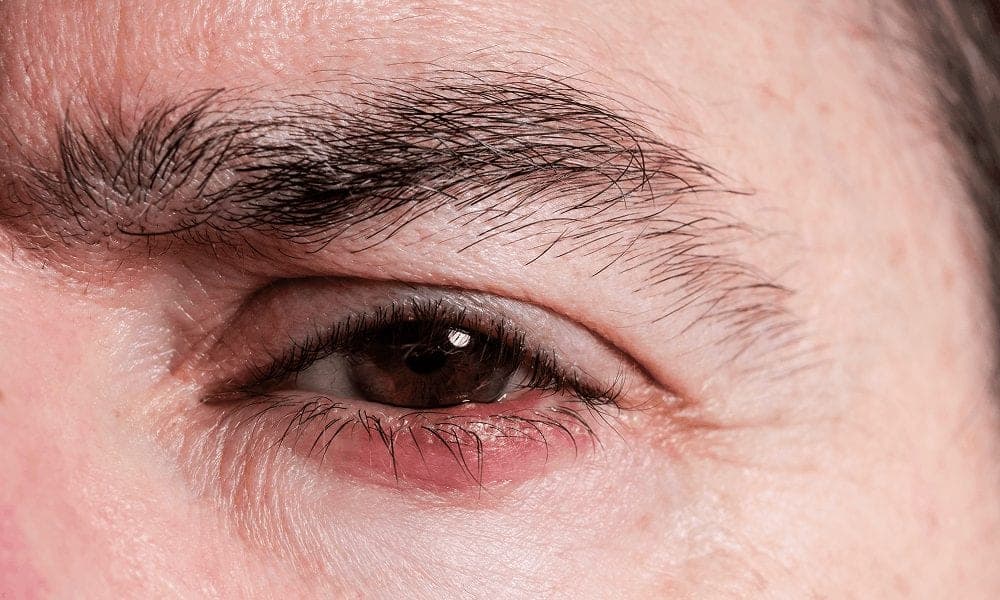
Have you noticed that a painful lump keeps appearing on the same eyelid? Perhaps one stye clears, only for another to develop a few weeks or months later.
If this keeps happening, you may be wondering why your eye seems to be more prone to styes than the other one.
A stye is a common eyelid infection, and most clear on their own. However, repeated styes can sometimes be linked to an underlying eyelid condition, blocked oil glands or habits that make it easier for bacteria to cause an infection.
The good news is that understanding what may be contributing to the problem can help you reduce the chances of another stye developing.
In this guide, we explain the common causes of recurrent styes, what you may notice, how to treat a stye when it appears and when it is worth seeing an eye specialist.
What Is a Stye?
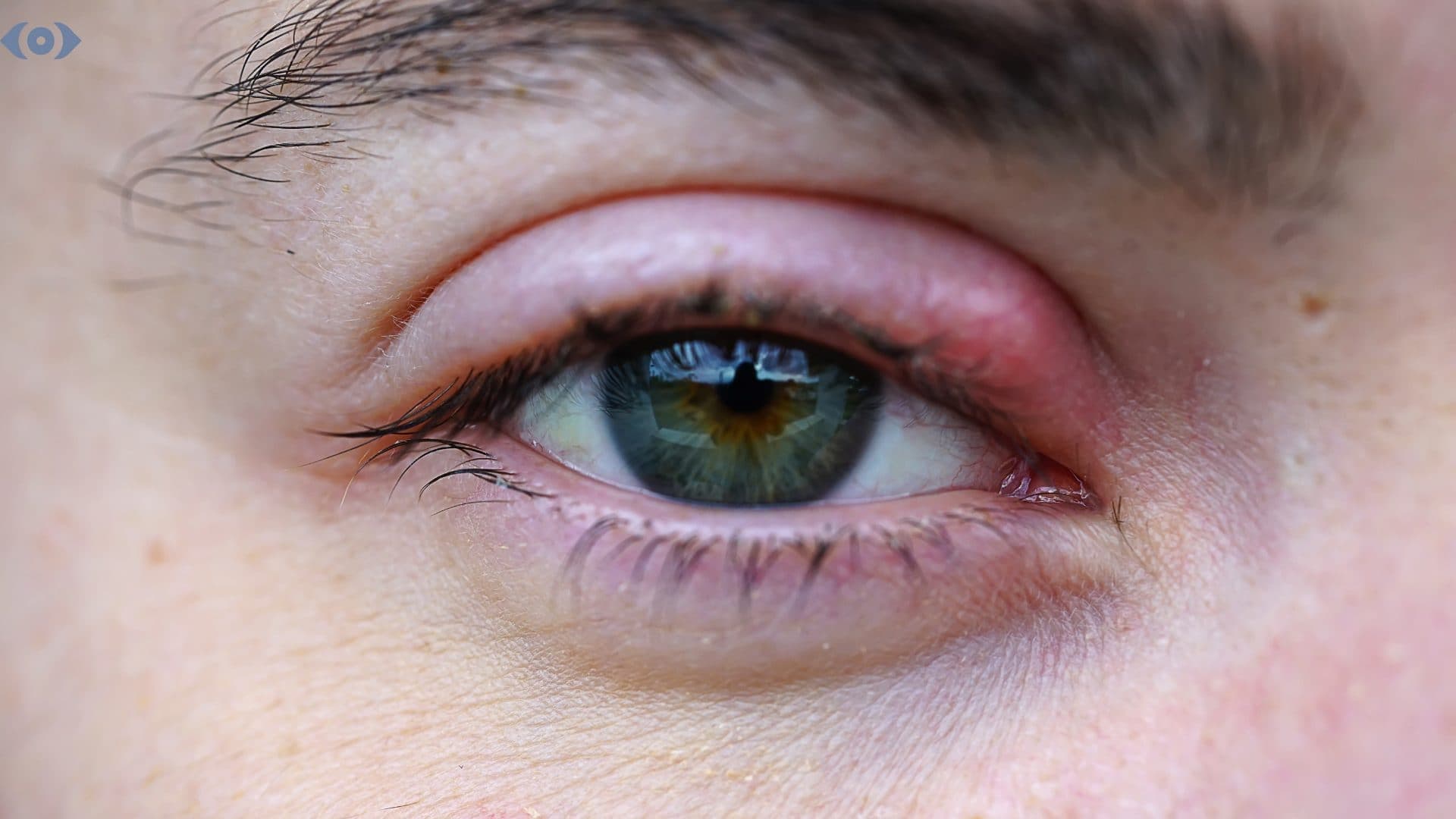
A stye is a small, painful lump that develops on or inside the eyelid. It is usually caused by an infection involving an eyelash follicle or one of the glands in the eyelid.
You may notice a red, tender swelling, sometimes with a yellow spot in the centre. The eyelid can also become swollen, watery or uncomfortable.
Most styes affect one eye at a time, although it is possible to have more than one or to develop them in both eyes.
A chalazion is slightly different. It is usually a firm, blocked gland rather than an active infection, and it is often less painful. However, a chalazion can sometimes develop after a stye or be mistaken for one.
This distinction matters because the treatment for a recurrent stye may be different from the treatment for a persistent chalazion.
Why Do I Keep Getting a Stye in the Same Eye?
There is not always one clear reason why styes keep returning. Some people are more prone to them because of an underlying eyelid condition, while others may have blocked glands or habits that allow bacteria to build up around the eyelashes.
Here is a quick overview of the most common causes and what you may notice:
| Possible cause | How it develops | What you may notice |
|---|---|---|
| Blepharitis | Ongoing inflammation around the eyelid edges | Flaky eyelashes, irritation and recurring styes |
| Blocked oil glands | Oil builds up and blocks the eyelid glands | Repeated lumps or swelling on the same eyelid |
| Poor eyelid hygiene | Bacteria, oil and debris build up around the lashes | Styes that keep returning |
| Eye makeup and contact lenses | Bacteria can be transferred to the eyelid | Styes after makeup use or handling lenses |
| Skin conditions and other risk factors | Can increase inflammation or the likelihood of blocked glands | Recurrent styes alongside other eyelid or skin symptoms |
These causes can overlap. For example, someone with blepharitis may also have blocked oil glands, making them more prone to recurrent styes.
The Main Causes of Recurrent Styes Explained
1. Blepharitis
Blepharitis is a common condition that causes inflammation around the eyelid edges and eyelashes.
It can lead to symptoms such as flaky skin around the lashes, irritation, redness and a gritty feeling in the eyes. It can also increase the likelihood of developing styes.
If you have blepharitis, the eyelid edges may not be as clean or healthy as they should be. This can make it easier for bacteria to cause an infection in an eyelash follicle or eyelid gland.
You may notice that your styes keep returning even after the previous one has cleared.
Treating the underlying blepharitis and maintaining regular eyelid hygiene can help reduce the risk of further styes.
2. Blocked Oil Glands
Your eyelids contain small oil glands that help keep the surface of the eye lubricated.
If these glands become blocked, oil can build up and contribute to inflammation or the formation of a lump. This can make the eyelid more prone to styes and chalazia.
A blocked gland may sometimes develop into a chalazion, which is usually a firm, less painful lump. However, the distinction is not always obvious without an examination.
If you keep getting a lump in exactly the same place, it is worth having the eyelid assessed to see whether a blocked gland is contributing to the problem.
3. Poor Eyelid Hygiene
Bacteria naturally live on the skin, including around the eyelashes. A stye can develop when bacteria infect an eyelash follicle or eyelid gland.
If makeup, oil or debris builds up around the eyelid edges, it may make it easier for bacteria to cause an infection.
This does not mean that recurrent styes are necessarily caused by poor hygiene. However, keeping the eyelids and eyelashes clean is an important part of prevention.
You may be more likely to develop styes if you:
- Do not remove eye makeup before bed
- Touch or rub your eyes without washing your hands
- Do not clean your eyelids regularly
- Share towels or flannels with someone who has a stye
Regular eyelid hygiene can help reduce the risk of recurrent styes.
4. Eye Makeup and Contact Lenses
Eye makeup and contact lenses are not necessarily direct causes of styes, but they can contribute to the problem if bacteria are transferred to the eyelid.
For example, touching your eyes with unwashed hands or using old eye makeup can increase the chance of irritation or infection.
If you wear contact lenses, it is particularly important to wash your hands before putting them in or taking them out.
If you notice that styes tend to develop after using certain makeup products, it may be worth reviewing your eye makeup routine and replacing older products.
5. Skin Conditions and Other Risk Factors
Certain skin conditions, including rosacea and dermatitis, can increase the likelihood of eyelid inflammation and recurrent styes.
Some medical conditions, including diabetes, may also increase the risk of developing styes.
If you have another condition that affects your skin or eyelids, managing it may help reduce the chances of further styes.
If you are getting styes repeatedly and are unsure why, an eye specialist can assess the eyelids and help identify whether an underlying condition is contributing.
Warning Signs: When Should You Seek Help?
Most styes are not serious and will settle with time. However, there are some situations where it is important to seek medical advice.
| What you notice | What you should do |
|---|---|
| A small, painful lump that is improving | Continue with warm compresses and monitor it |
| A stye that does not improve within a few weeks | Book a consultation with your GP or eye specialist |
| A stye that keeps returning in the same place | Arrange an assessment to identify the underlying cause |
| A very painful or swollen eyelid | Seek urgent medical advice |
| A stye that affects your vision | Seek urgent medical advice |
| Redness or swelling that appears to be spreading | Seek urgent medical advice |
| A persistent, firm lump that is not painful | Have it assessed to check whether it is a chalazion or another eyelid lump |
| A new lump that does not settle or keeps returning | Arrange an assessment with an Oculoplastic Surgeon |
If you have a stye that keeps coming back in the same eye, it is worth looking beyond the individual lump. The aim is to understand why it is recurring, rather than simply treating each new stye as it appears.
How Is a Recurrent Stye Treated?
The treatment depends on whether you have an active stye, a persistent chalazion or an underlying eyelid condition contributing to the problem.
For most people, the first step is to help the stye heal and then address any factors that may be making it more likely to return.
1. Warm Compresses
Warm compresses are usually the first step when you have a stye.
A clean flannel soaked in warm water can be held against the closed eyelid for around 5 to 10 minutes, several times a day. This can help the stye drain naturally and may encourage it to heal more quickly.
The compress should be warm rather than hot, and you should avoid pressing too hard on the eyelid.
Warm compresses can also be useful as part of a regular eyelid hygiene routine if you are prone to blocked glands.
2. Eyelid Hygiene
If you keep getting styes, regular eyelid hygiene can help reduce the build-up of oil and debris around the eyelashes.
This may include gently cleaning the eyelid edges and eyelashes with a clean, moistened cotton bud or a suitable eyelid cleansing product.
The aim is not to scrub the eyelids, but to keep the area clean and reduce the factors that may contribute to blocked glands and inflammation.
If you have blepharitis, your eye specialist may recommend a more specific eyelid hygiene routine.
3. Antibiotic Treatment
Most styes do not need antibiotics, but they may sometimes be recommended if there is an infection that is not settling or if the infection is spreading.
An eye specialist can assess whether antibiotic ointment or another treatment is appropriate.
It is important not to assume that every recurrent lump needs antibiotic drops. A chalazion, for example, is usually a blocked gland rather than an active infection.
4. Treatment for Blepharitis
If blepharitis is contributing to your recurrent styes, treating the underlying eyelid inflammation is an important part of management.
This may involve regular eyelid hygiene, warm compresses and other treatments recommended by your eye specialist.
The aim is to improve the health of the eyelid edges and reduce the likelihood of further inflammation and blocked glands.
5. Chalazion Treatment
If the lump is actually a chalazion rather than an active stye, it may not settle with warm compresses alone.
A chalazion is usually a firm, less painful lump caused by a blocked oil gland.
If it persists, an Oculoplastic Surgeon can assess whether a minor drainage procedure is appropriate.
This is particularly useful if the lump is affecting your vision, remains uncomfortable or keeps returning in the same place.
6. Minor Drainage Procedure
If a stye or chalazion does not settle with conservative treatment, a doctor may recommend a minor procedure to drain it.
This is usually done under local anaesthetic.
The aim is to remove the material causing the persistent lump and allow the eyelid to heal.
If you have recurrent lumps, your specialist may also want to assess whether an underlying eyelid condition is contributing.
How Can You Prevent a Stye from Coming Back?
If you are prone to recurrent styes, a few simple habits may help reduce the risk.
- Keep your eyelids and eyelashes clean, particularly if you have blepharitis.
- Remove eye makeup before bed.
- Wash your hands before touching your eyes or handling contact lenses.
- Avoid rubbing your eyes.
- Do not share towels or flannels.
- Avoid wearing contact lenses or eye makeup while a stye is healing.
If you keep getting styes despite these measures, it is worth having the eyelids assessed.
When and Where Should You Seek Help?
If you have a new stye
If you have a small, painful lump that is not affecting your vision, you can usually start with warm compresses and monitor it.
Most styes clear on their own within days or weeks.
If the stye is not improving
If the stye has not improved within a few weeks, or if it is becoming more painful or swollen, arrange an appointment with your GP or eye specialist.
If you keep getting styes in the same eye
Repeated styes may be linked to blepharitis, blocked glands or another underlying eyelid condition.
An assessment with an Oculoplastic Surgeon can help determine whether there is a reason the same eyelid keeps becoming affected.
If you have a persistent lump
If the lump remains after the pain and redness have settled, it may be a chalazion rather than an active stye.
A specialist can assess whether it needs further treatment.
If you have pain, spreading redness or vision changes
Seek urgent medical advice if the eyelid becomes very painful or swollen, if the redness appears to be spreading or if your vision is affected.
If you are concerned about recurrent styes
If you are based in London, you can arrange a consultation with an Oculoplastic Surgeon at Perfect Eyes Clinic on Harley Street.
A specialist can assess the eyelid, identify any underlying causes and explain the treatment options that may be appropriate for you.
Conclusion
A stye that keeps returning in the same eye can be frustrating, particularly when it seems to appear just as the previous one has cleared.
The good news is that recurrent styes are often linked to factors that can be identified and managed, such as blepharitis, blocked oil glands, eyelid hygiene and certain skin conditions.
Warm compresses, regular eyelid hygiene and avoiding eye makeup or contact lenses while a stye is healing can help support recovery and reduce the risk of further problems.
However, if the same eyelid keeps becoming affected, it is worth looking beyond the individual stye.
An Oculoplastic Surgeon can assess the eyelid, identify the possible cause and explain the treatment options that may be appropriate for you.
If you are concerned about recurrent styes, a specialist assessment can help you understand why they keep returning and what you can do to reduce the chances of another one developing.
Frequently asked questions
Still unsure? Our team is glad to talk you through anything before you book.
- There are several possible reasons why styes keep returning in the same eye. These include blepharitis, blocked oil glands, eyelid hygiene, eye makeup and contact lens habits, and certain skin conditions. If the same eyelid keeps becoming affected, it is worth having it assessed to identify whether there is an underlying cause.
- Yes. Blepharitis can increase the likelihood of developing styes because it causes inflammation around the eyelid edges and eyelashes. Treating the underlying blepharitis and maintaining regular eyelid hygiene can help reduce the risk of further styes.
- Yes. Blocked oil glands can contribute to inflammation and the formation of lumps on the eyelid. A blocked gland may also develop into a chalazion, which is usually a firm, less painful lump.
- Most styes are not serious. However, if a lump keeps returning in the same place, does not settle or is associated with other symptoms, it is worth having it assessed. A specialist can determine whether it is a recurrent stye, a chalazion or another eyelid problem.
- You may be able to reduce the risk by keeping your eyelids clean, removing eye makeup before bed, washing your hands before touching your eyes and avoiding rubbing them. If you have blepharitis or another eyelid condition, treating it may also help prevent recurrent styes.
- It is best to avoid wearing contact lenses while the stye is healing. You should also wash your hands before handling contact lenses and avoid touching your eyes unnecessarily.
- It is best to avoid eye makeup until the stye has healed. Removing makeup before bed and keeping your makeup products clean can also help reduce the risk of further irritation or infection.
- No. You should not try to squeeze or burst a stye yourself, as this can spread the infection. If the lump is not settling, an eye specialist can assess whether it needs further treatment.
- A stye is usually a painful infection involving an eyelash follicle or eyelid gland. A chalazion is usually a firm, less painful lump caused by a blocked oil gland. If you are unsure which one you have, an assessment can help determine the appropriate treatment.
- You should consider seeing an Oculoplastic Surgeon if you keep getting styes in the same eye, have a persistent lump or are concerned about the appearance of your eyelid. A specialist can assess the underlying cause and explain whether treatment is needed.