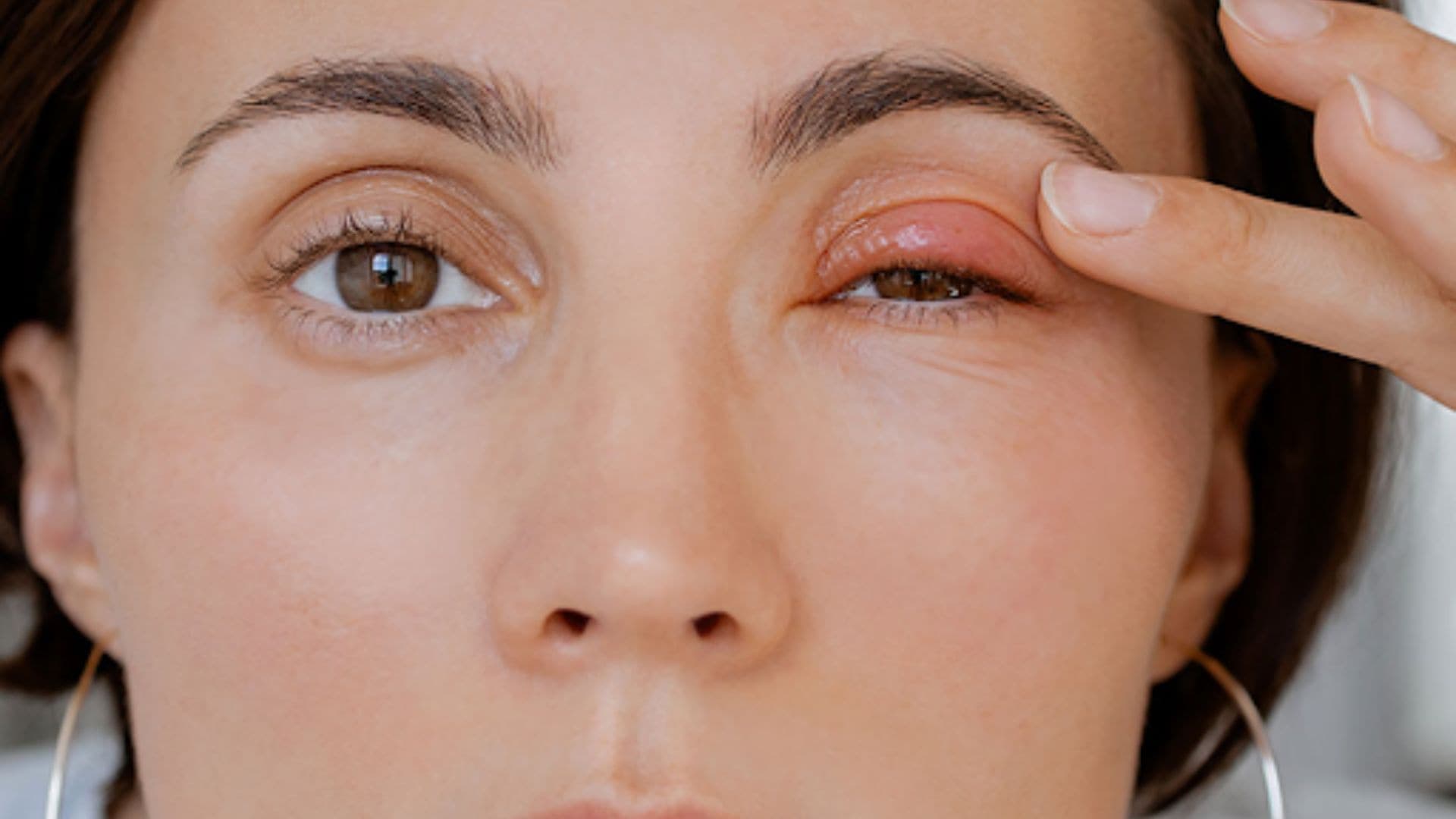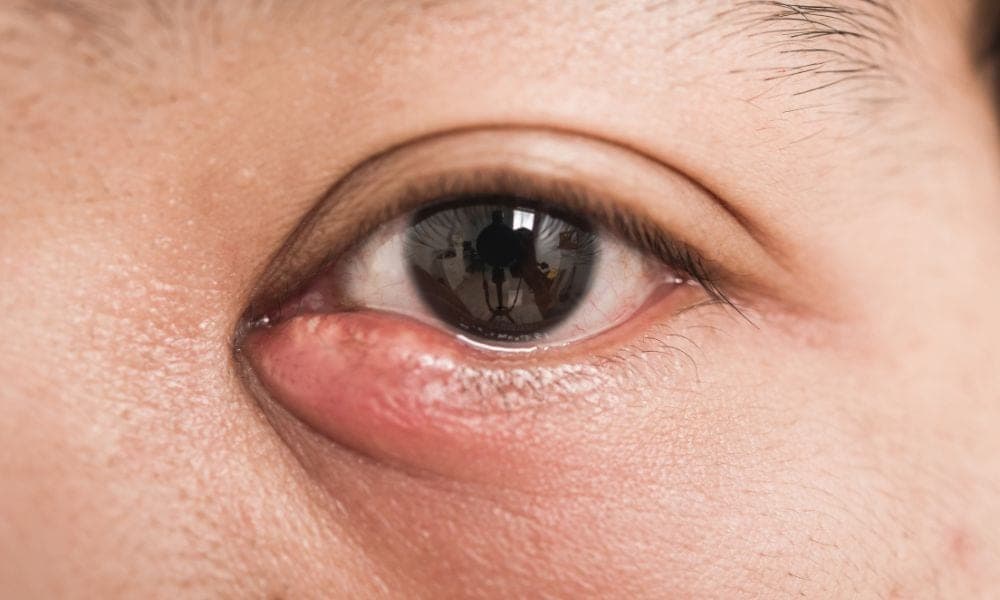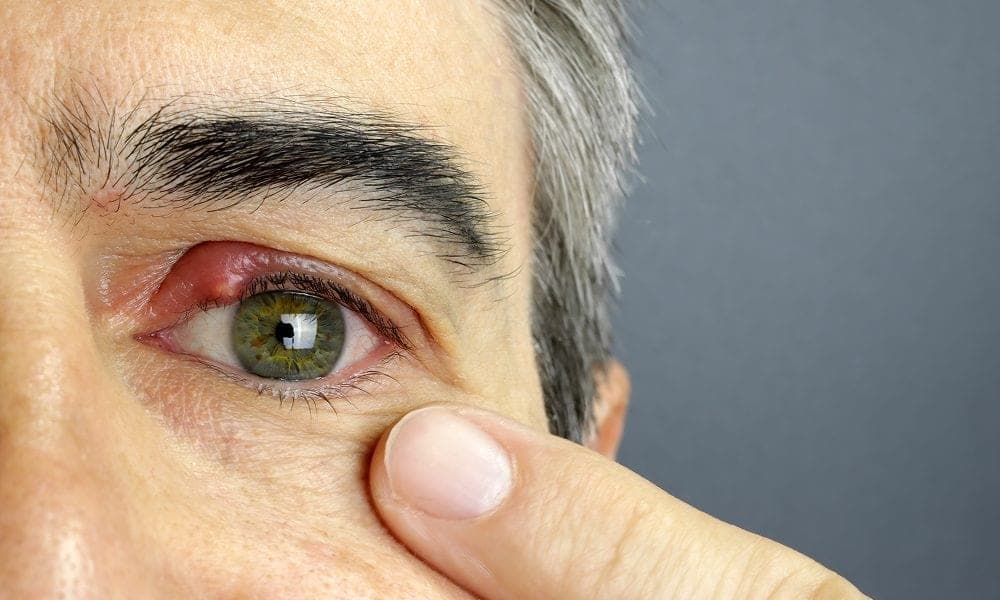
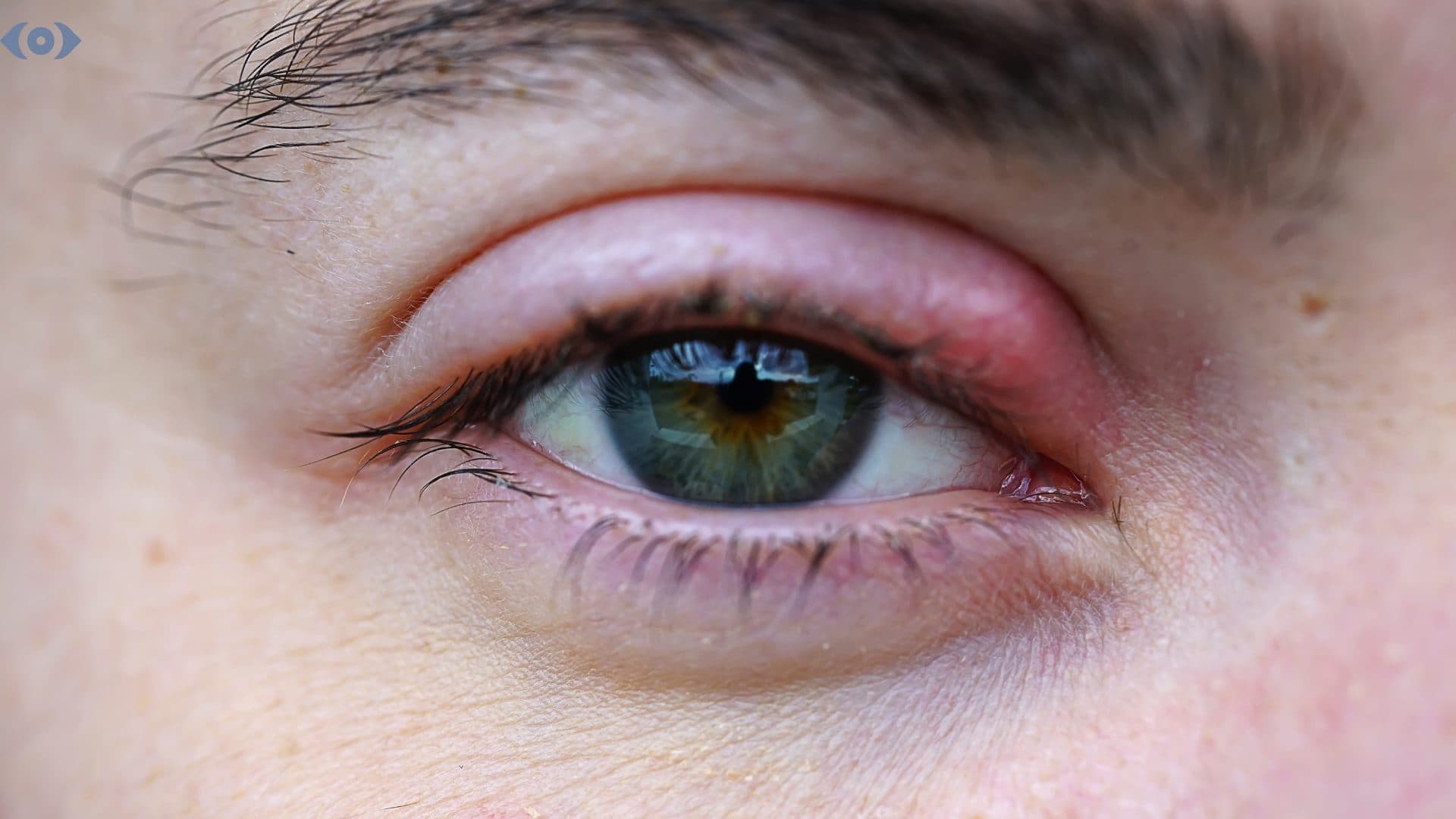
If you’ve ever woken up with a red, tender bump on your eyelid, you might have had a stye. A stye might be small, but if you’ve ever had one, you know just how irritating - and painful - it can be. Whether it pops up overnight or develops gradually, a stye can affect your day-to-day comfort and confidence, especially if it's on your eyelid where it’s visible.
While it’s not a serious health issue, a stye can be uncomfortable and downright annoying. The big question most people have is: how long does a stye last?
In this in-depth guide, we’ll break down everything you need to know about styes - from how long they stick around to what causes them and how you can get rid of them faster. Let’s dive in.
How Long Does a Stye Last?
Styes don’t last forever. In most cases, a stye will clear up on its own within 1 to 2 weeks, even without medical treatment. The exact healing time can vary depending on factors like how severe the infection is, whether it drains naturally, and how well you care for it. Here’s a simple breakdown of what typically happens during those days:Days 1-2: The Early Stage
You might notice a tender, red bump forming near your eyelid. The area feels sore, slightly swollen, and irritated - this is the infection starting to build beneath the surface.Days 3-5: The Peak of Discomfort
This is when the stye usually becomes more swollen and may develop a yellowish tip as pus collects. It may feel tight or painful, especially when you blink. If the stye drains on its own during this time, you’ll likely feel a big sense of relief as pressure is released.Days 5-10: The Healing Phase
Once it drains, swelling and redness gradually decrease. With good hygiene and care (like warm compresses and keeping your eye clean), the stye continues to heal and should be nearly gone by the end of the second week.When It Lasts Longer?
Some styes - especially internal ones - can take a little longer to heal or may not drain as easily. If your stye is still hanging around after 2 weeks, seems to be getting worse, or is affecting your vision, it’s best to see a doctor. It might need medical treatment or could be turning into a chalazion, which is a more stubborn, non-infectious bump that sometimes requires minor intervention.When Should You See a Doctor?
While most styes are harmless and go away without medical treatment, you should consult a doctor if:- It lasts longer than 2 weeks
- The swelling spreads or gets worse
- It affects your vision
- There’s pus or severe pain
- You get frequent styes
How to Speed Up the Healing Process?
While you can’t make a stye disappear overnight, you can support faster healing by following these steps:1. Apply a Warm Compress (4-5 times/day)
This is the most effective home remedy. Use a clean, warm compress over the affected eye for about 10-15 minutes to help soften the blockage and encourage drainage.2. Keep Your Eyelids Clean
Use a gentle cleanser or baby shampoo diluted with water on a cotton pad to clean your eyelids. This helps remove any oil or bacteria buildup.3. Avoid Eye Makeup and Contact Lenses
Don’t apply makeup or wear lenses until the stye is fully healed. These can irritate the area and slow down the recovery.4. Never Squeeze a Stye
As tempting as it might be, avoid popping a stye. This can worsen the infection or cause it to spread.5. Use Over-the-Counter Treatments
Antibiotic ointments or eye drops can be used if recommended by your doctor.Final Thoughts
A stye might not be a serious health issue, but it can be uncomfortable and frustrating. Most will go away in about a week with minimal care, but knowing when to act - and when to seek help - can make a big difference in how fast you heal and how often they come back. If you find yourself getting frequent styes, it may be time to look at your skincare or eye hygiene habits.Good to know
Frequently asked questions
Still unsure? Our team is glad to talk you through anything before you book.
- To quickly eliminate a stye, apply a warm washcloth to your affected eye for approximately 10-15 minutes, 3-4 times daily. Avoid touching or irritating the area.
- You can tell your stye is healing if you notice it is getting smaller and if other symptoms are improving.
- Having Demodex mites, which are tiny creatures found on the skin, can make styes worse. They can lead to a condition called blepharitis, which makes you more likely to get styes.
- If your stye keeps coming back, it might be related to a condition called blepharitis. If a stye doesn’t improve in a few days or seems to be getting worse, you should see your eye doctor.
- The exact cause of styes is often unknown, but stress and a lack of sleep can increase the risk. Poor eye hygiene, like not removing makeup, can also lead to styes. Having blepharitis, which is the long-term swelling of the eyelids, can also increase your chances of getting a stye.
- Using warm compresses on your eye for 5 to 10 minutes, 3 to 6 times a day can speed up healing. You can also use over-the-counter ointments or pads, but it’s important to let the stye heal naturally. Avoid trying to squeeze or pop it.