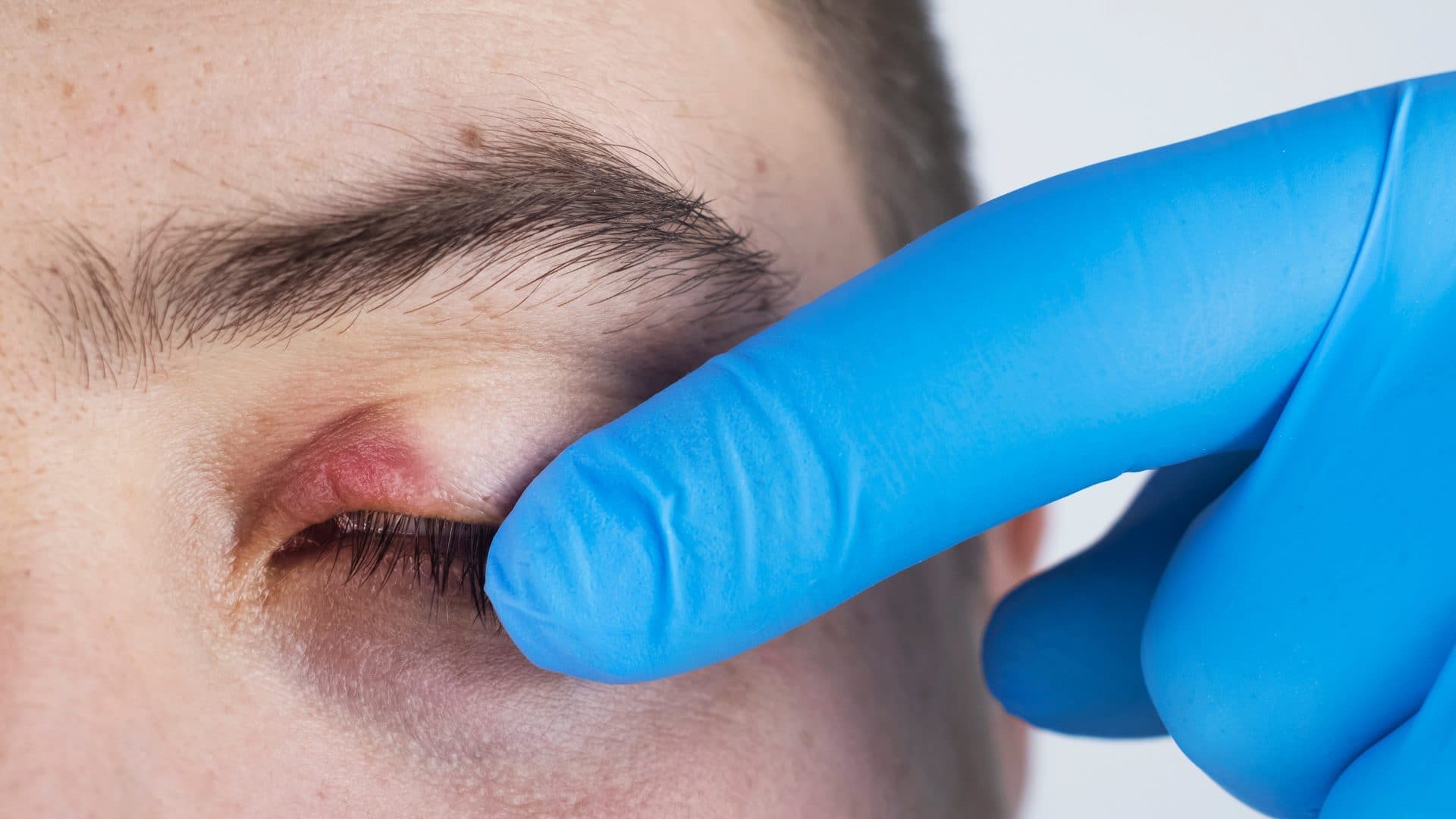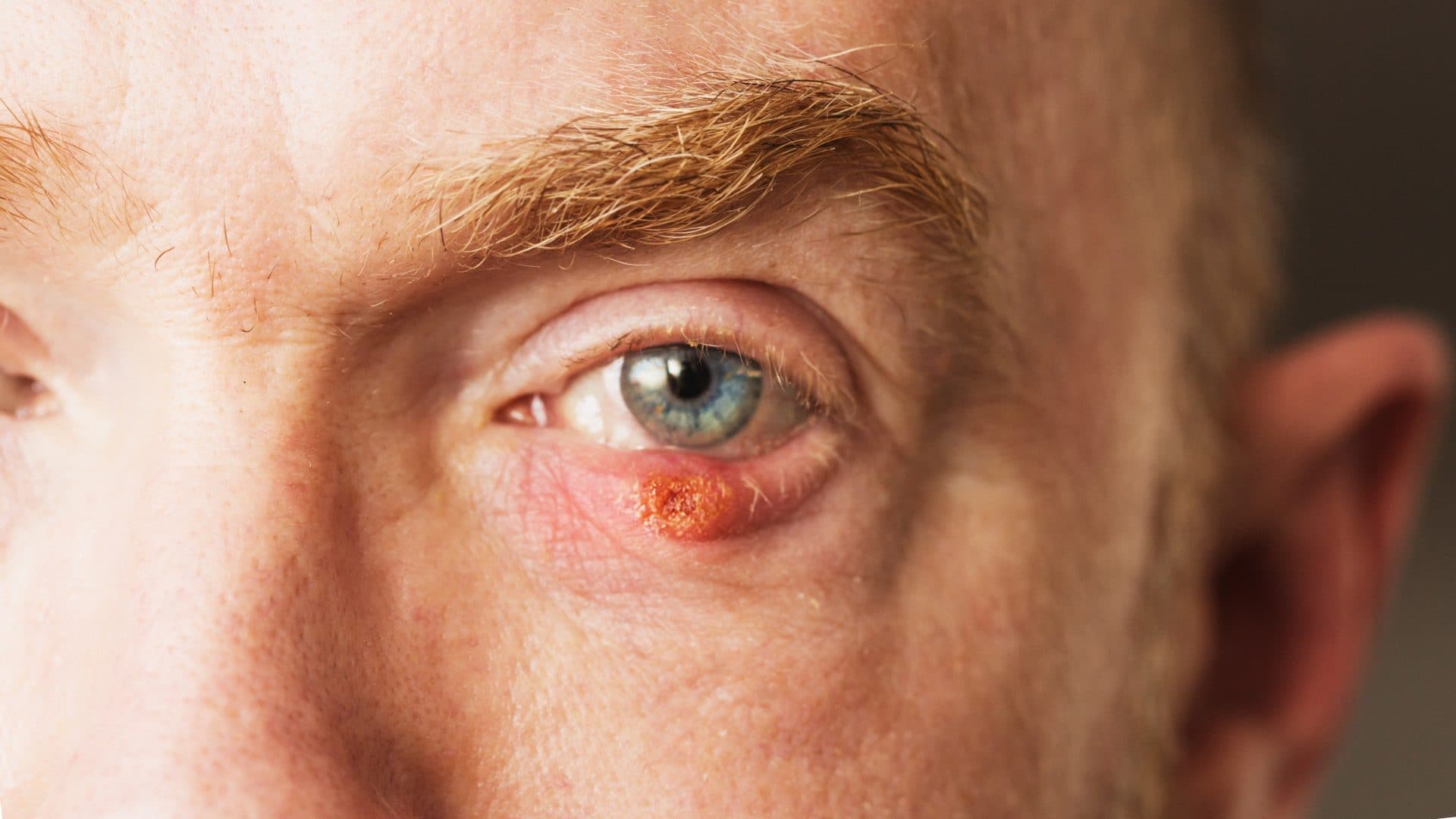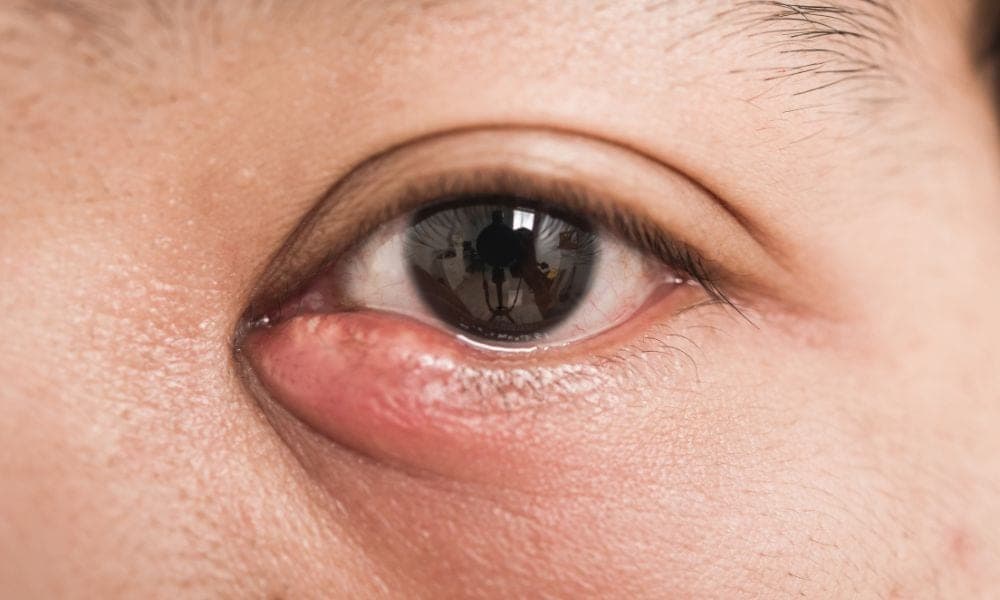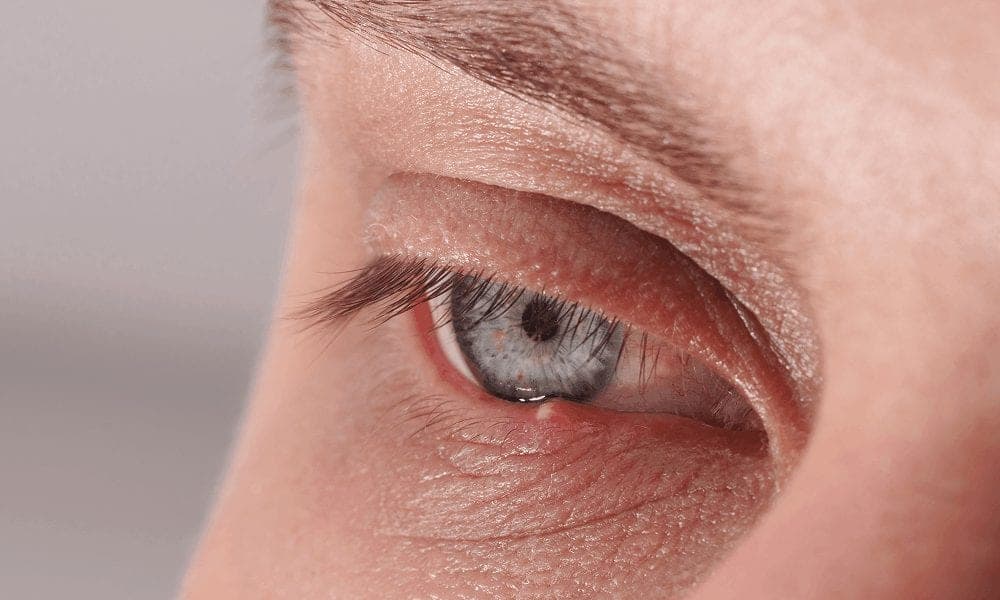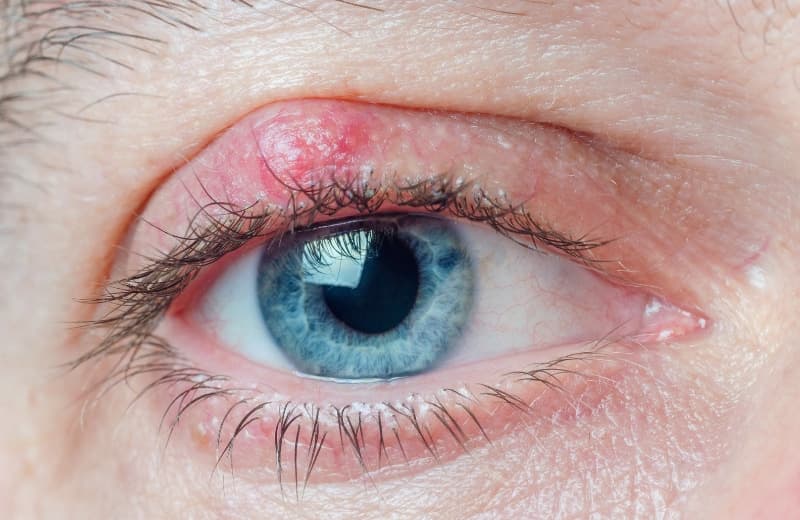
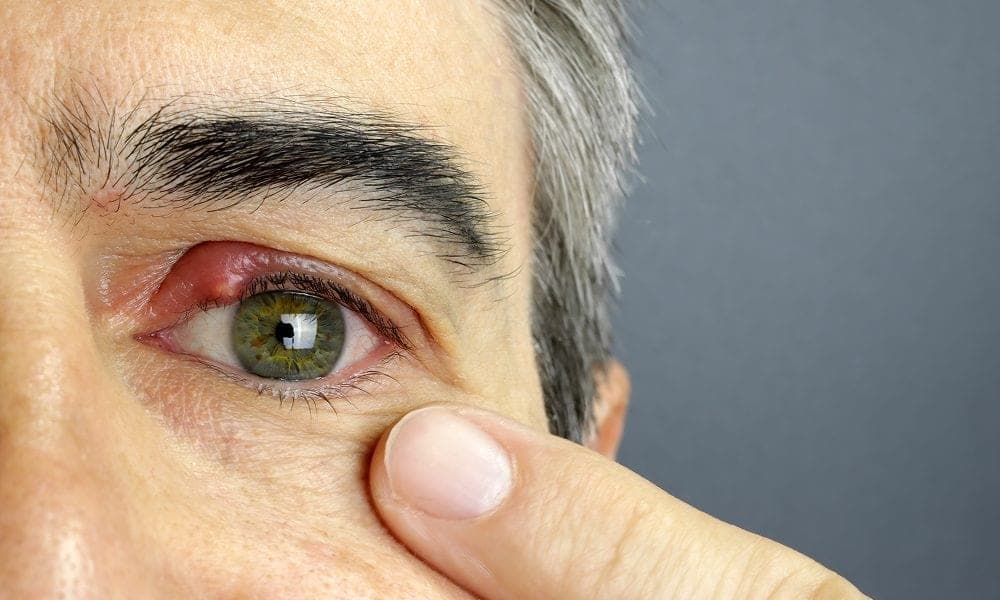
A stye inside eyelid is a painful, red bump which happens due to a bacterial infection in your oil gland on the inner surface of the eyelid. Also called a hordeolum, it is a common eye condition creating discomfort for many individuals. While a quick and regular warm compress can help heal it properly, the challenge arises when the stye gets severe. In stubborn cases, patients may need medical drainage by an expert oculoplastic surgeon.
In most cases, it can also go away on its own after a few days. Fortunately, they are very common and highly treatable with multiple remedies and medical options. This guide explains everything you need to know about stye on inside of eyelid and how to manage it safely.
The Stye: A stye is an active bacterial infection that occurs when the oil glands swell up. This forms an abscess (pocket of pus). It is highly painful, red, and usually appears near the very edge of the eyelid.
The Chalazion: A chalazion is a blocked oil gland without an active infection. It is generally painless and feels like a firm, rubbery lump. It develops further back on the eyelid, away from the lash line. If an internal stye is left untreated, it can sometimes harden and turn into a chalazion.
What Do Styes on the Inside of the Eyelid Feel Like?
An internal stye is often much more painful than an external one. This is because it rubs directly against the sensitive surface of your eyeball and can sometimes even be mistaken for a pimple or a bump. If you have a stye on inside of eyelid, you will likely experience several symptoms, such as:- A sharp, tender pain in one specific area of the eyelid.
- A gritty feeling, as if sand or a loose eyelash is stuck in your eye.
- Noticeable redness and swelling along the edge of the eyelid.
- Watery eyes and a high sensitivity to bright light.
- A visible yellowish or white bump when the eyelid is gently flipped upwards.
What Causes Styes Inside the Eyelid?
The human eyelid contains tiny oil-producing glands called meibomian glands. These glands keep the eyes lubricated and healthy. A stye forms when these glands become blocked and infected by bacteria, usually Staphylococcus aureus. When looking at the causes of a stye inside eyelid, expert practitioners identify several key risk factors.-
Poor Hand Hygiene
-
Contaminated Eye Makeup
-
Improper Contact Lens Care
-
Underlying Skin Conditions
-
Stress and Hormonal Changes
Internal Stye vs. Chalazion: What Is the Difference?
Patients often confuse a stye with a chalazion. They look similar but require different care. Let’s understand what makes a stye and a chalazion distinct:The Stye: A stye is an active bacterial infection that occurs when the oil glands swell up. This forms an abscess (pocket of pus). It is highly painful, red, and usually appears near the very edge of the eyelid.
The Chalazion: A chalazion is a blocked oil gland without an active infection. It is generally painless and feels like a firm, rubbery lump. It develops further back on the eyelid, away from the lash line. If an internal stye is left untreated, it can sometimes harden and turn into a chalazion.
| Feature | Internal Stye | Chalazion |
| Primary Cause | Active bacterial infection | Blocked oil gland (no infection) |
| Pain Level | Highly painful and tender | Usually painless or mildly sore |
| Location | Near the edge of the eyelid | Further back on the eyelid |
| Duration | Usually 7 to 10 days | Can last for several weeks |
| Other Symptoms | Light sensitivity, gritty feeling | Blurry vision if it grows very large |
How to Treat Stye Inside Eyelid at Home?
Need the best tips on how to treat stye inside eyelid? Patience and proper hygiene are the keys. Most internal styes resolve naturally within a couple of weeks. Just keep in mind to follow these simple steps.Do This:
- Apply a clean, warm compress to the closed eye for 10 to 15 minutes, three to five times a day. This safe heat helps to soften the blocked oil.
- Wash the eyelids gently with diluted baby shampoo or a dedicated eyelid scrub.
- Wash your hands frequently with warm water and soap.
- Never pop or squeeze the lump. Squeezing can push the dangerous infection deeper into the delicate eye tissue.
- Stop wearing all eye makeup until the area is completely healed.
- Stop wearing contact lenses. Switch to glasses to avoid further irritation.
Professional Stye Inside Eyelid Treatment Options
Sometimes, home remedies are not enough. If the lump does not drain naturally after a week or two, an eye specialist can provide advanced stye inside eyelid treatment. Expert practitioners use several medical methods to safely cure the problem. Here are a few of them;1. Prescription Antibiotics
For a stubborn bacterial infection, an ophthalmologist may prescribe oral or topical antibiotics. These powerful medications often come as eye drops or an ointment. They kill the bacteria directly and help the eyelid heal quickly.2. Steroid Injections
If the stye hardens into a chalazion, severe eyelid swelling can occur. An expert specialist can administer a precise steroid injection into the lump. This shot rapidly reduces the painful inflammation and helps the gland return to a normal size.3. Minor Surgical Drainage
Sometimes a lump simply will not go away. An oculoplastic surgeon can perform a quick, minor procedure to drain the trapped fluid. This is done under a local anaesthetic in a sterile medical office. It ensures safe pressure relief without any pain for the patient.4. Biopsy for Persistent Lumps
If an eyelid bump keeps recurring in the exact same spot, a doctor may take a tiny tissue sample. This is called a biopsy. It is a vital safety measure. It rules out more serious underlying eye conditions or rare tumours that can look like a simple stye.When to See a Doctor for Styes on the Inside of the Eyelid
While home care often works perfectly, styes on the inside of the eyelid can sometimes worsen and become dangerous. You must protect your vision. Consult an expert practitioner immediately if:- The lump does not improve after 48 hours of regular warm compresses.
- The swelling spreads across the entire eyelid, down the cheek, or to other parts of the face.
- You notice any changes in your vision.
- Your eye develops an extreme sensitivity to light.
- The eyelid bleeds, oozes thick pus, or feels very hot to the touch.
Protecting Your Eyelid Health
A stye inside eyelid can be a painful bacterial infection that can form on anyone. Sometimes it is genetics; other times it could be a result of living in a polluted environment. Understanding its various causes and prevention through self-care is the best thing you can do to treat your stye before it costs you discomfort or money. Maintain good hygiene; never try to squeeze or pop it yourself. However, if it gets too stubborn or recurring, always consider getting a medical evaluation. A professional ensures proper healing and rules out serious medical conditions. The expert practitioners at Perfect Eye Ltd provide the best Chalazion Treatment (Stye Removal) in London to effectively remove persistent eyelid cysts. Restore your daily comfort safely.Good to know
Frequently asked questions
Still unsure? Our team is glad to talk you through anything before you book.
- Most internal styes will naturally rupture and drain within 7 to 10 days when treated with regular warm compresses. If a lump lasts longer than this, it may have hardened into a chalazion, requiring specialist medical care.
- To get rid of your stye inside the eyelid faster, keep it clean and hygienic at all times, and follow preventive measures like avoiding makeup on it and not constantly touching the bump. You can also use coconut oil and over-the-counter treatments to manage them. However, see a doctor if these treatments do not work.
- The stye lump itself is not contagious, but the bacteria causing the infection can easily spread. It is highly recommended to wash your hands frequently. You must also avoid sharing towels, pillowcases, or makeup to protect others.
- While stress does not directly cause an eyelid infection, high stress levels can severely weaken your immune system. A weak immune system makes your body much more susceptible to the bacteria that cause styes to form.