Eyelid cancer is relatively uncommon, yet when it occurs, early diagnosis and treatment can make a significant difference. It's not something many people think about, yet it's more common than most realise, especially in individuals with high sun exposure or a family history of skin cancer.
Eyelids are especially vulnerable to harmful UV rays due to daily sun exposure, increasing the risk of skin cancers. Although eyelid cancer can be concerning, early detection and treatment are usually effective.
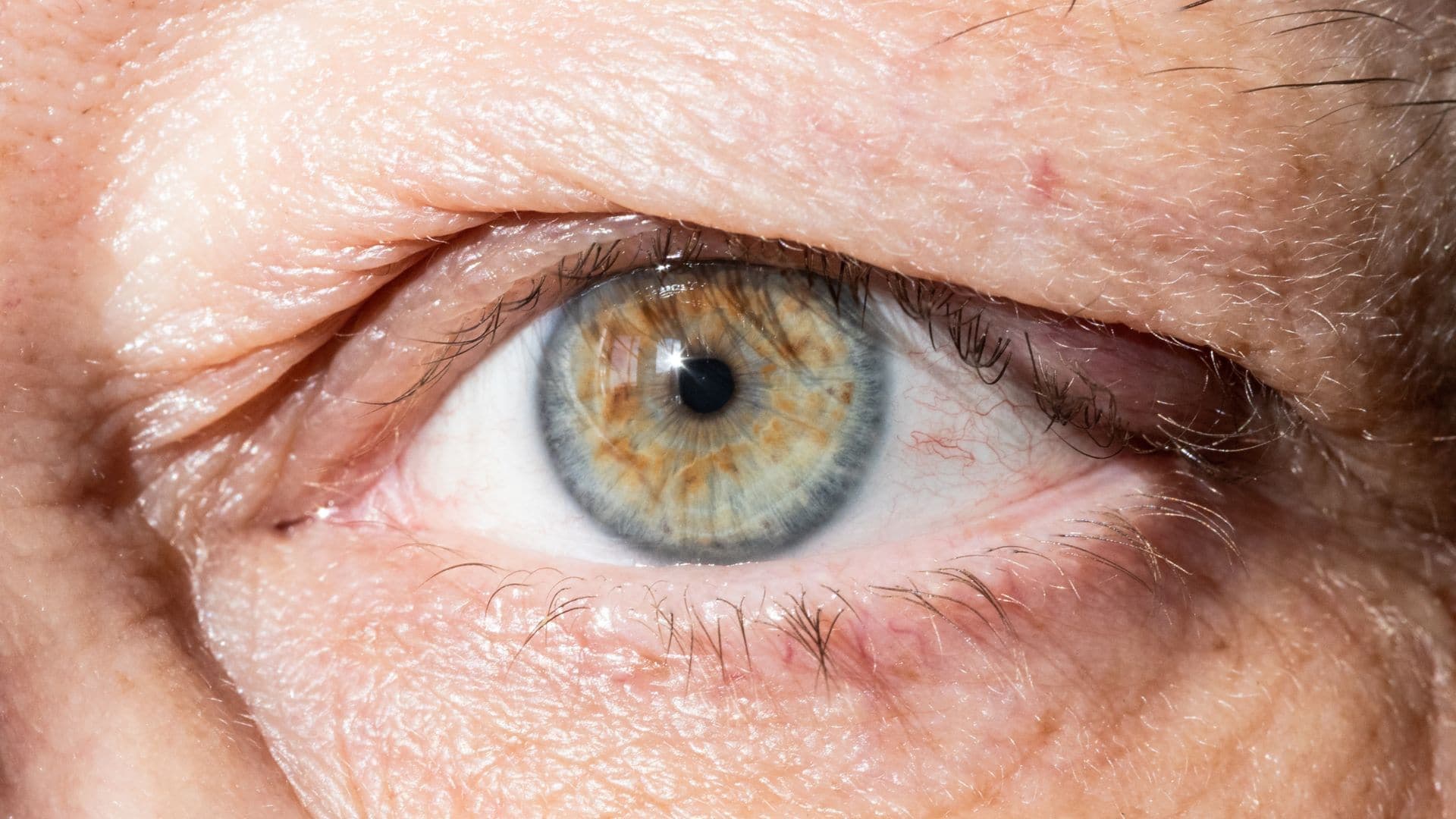
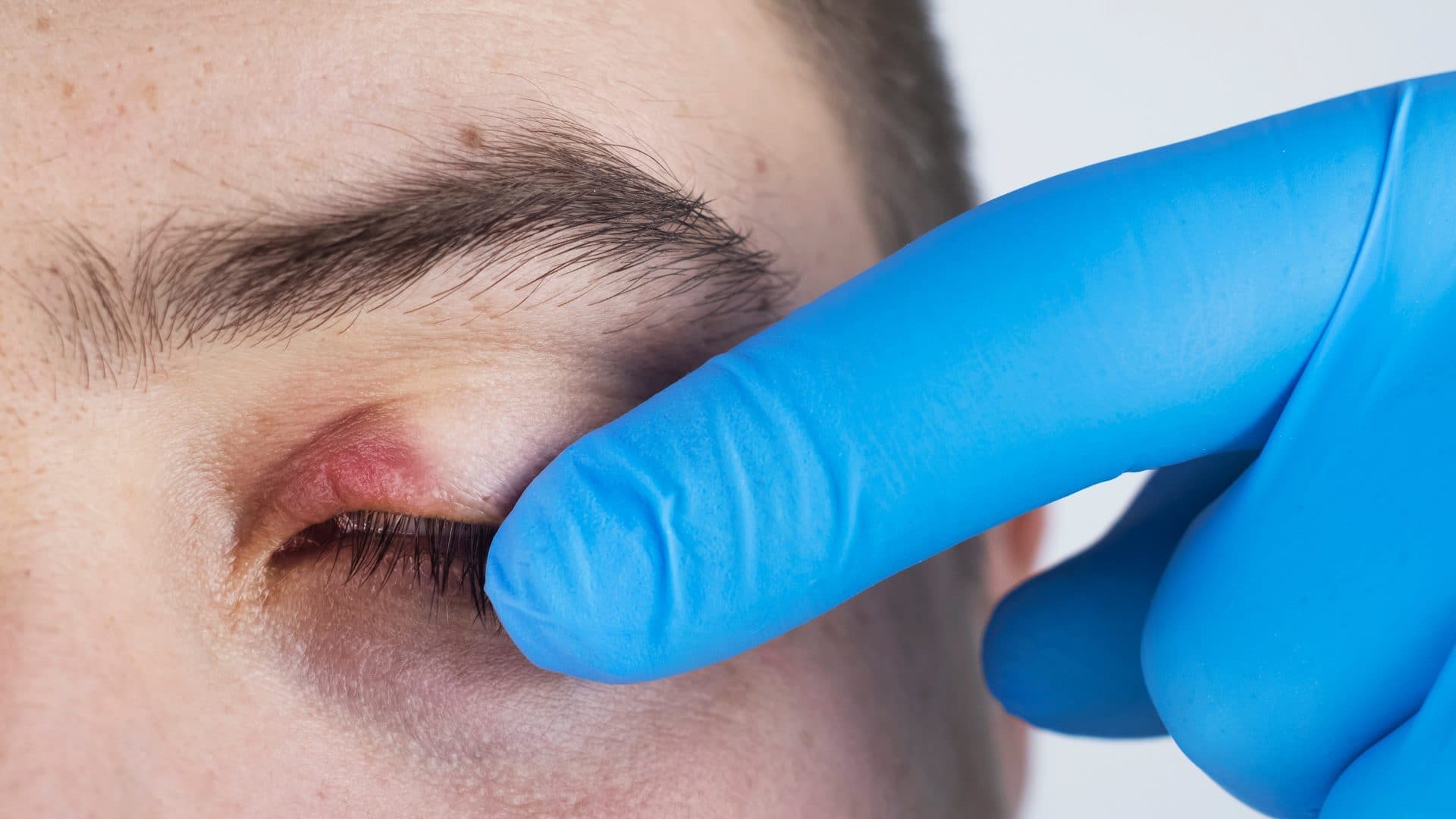
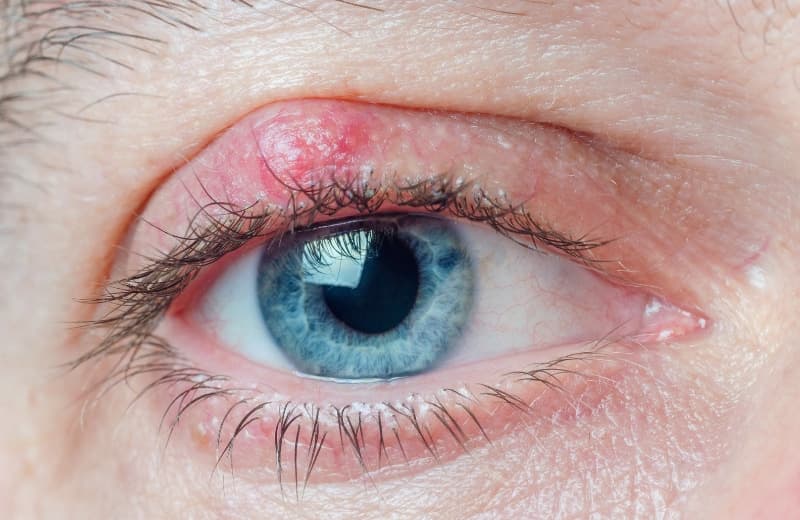
Many people aren't aware of early-stage eyelid cancer symptoms, which can include a small bump, a scaly area, or a sore that doesn't heal. These signs may resemble minor issues like a stye or eyelid inflammation, leading to them being ignored until the condition grows.
This blog discusses all types of eyelid cancer, symptoms, pictures, & treatment. Read on to learn more about eyelid cancer.
Types of Eyelid Cancer
The most frequently occurring cancer on the eyelid is basal cell carcinoma. Melanoma, squamous cell carcinoma, and sebaceous carcinoma are further cancer types that can appear on the eyelid. Let’s explore all types of eyelid cancer in detail.1. Basal Cell Carcinoma (BCC)
This is the most prevalent kind of eyelid cancer, making up about 90% of all cases. BCC generally forms on the lower eyelid and is more frequently seen in people with lighter skin who have experienced extended sun exposure. It grows slowly and usually presents as a small, raised bump that has a pearl-like or waxy look.2. Squamous Cell Carcinoma (SCC)
This is the second most common form of eyelid cancer, representing around 5% of all instances. It typically appears on the lower eyelid and is often characterised by a scaly or crusty growth that may bleed or show signs of inflammation.3. Melanoma
This type of cancer is less frequent but can be more dangerous and has the potential to spread quickly. Melanomas in the eyelids are caused by pigment-producing cells. Eyelid melanoma is the most challenging to treat, as it can rapidly metastasise to various other areas of the body. It may manifest as a dark, irregularly shaped lesion or spot on the eyelid, and it often changes in size, shape, or colour over time.4. Sebaceous Gland Carcinoma (SGC)
This uncommon yet aggressive form of eyelid cancer originates from the oil-producing glands in the eyelid. SGC usually appears as a painless lump on either the upper or lower eyelid and is frequently misidentified as a benign eyelid condition. It is more common in people who have a history of chronic eyelid inflammation, such as blepharitis.Eyelid Cancer Symptoms
Eyelid cancer can be difficult to detect early, as it may not show noticeable symptoms at first. As the condition progresses, some common signs to watch for include:- A growth on the eyelid that may be red, brown, or black and continues to spread.
- Skin on the eyelid that breaks and doesn't heal.
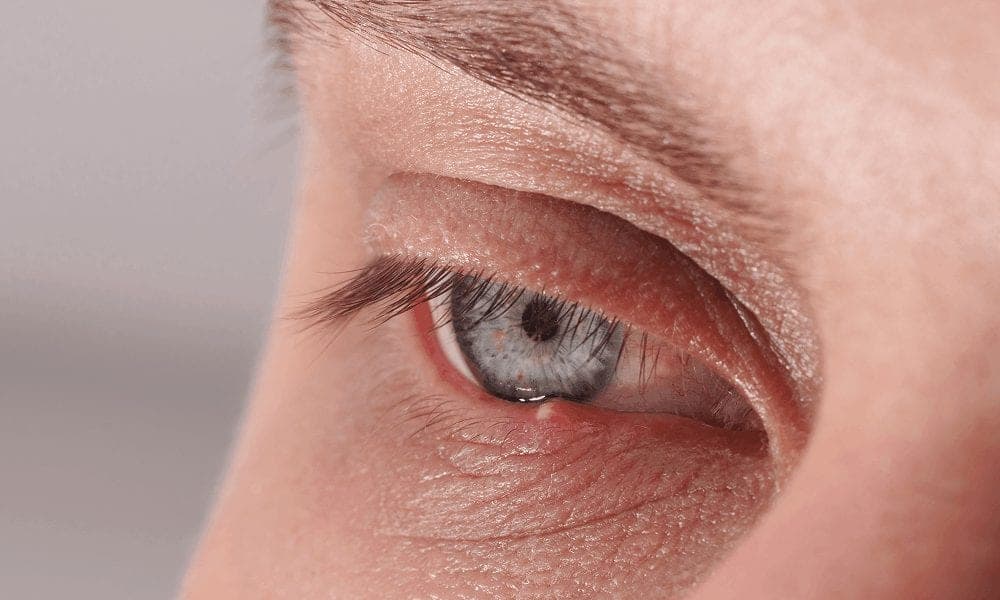
- Changes in the eyelid's appearance, including swelling or discolouration.
- A scaly or crusty patch of skin.
- Loss of eyelashes or lashes growing in the wrong direction.
- Chronic infection or irritation of the eyelid.
- Swelling or a feeling of heaviness on the eyelid.
- Unexplained tearing or watering of the eye.
Risk Factors for Eyelid Cancer
The skin on your eyelids is the thinnest on your body, making it especially vulnerable to damage from sunlight and other factors. There are several risk factors that can increase your chances of developing eyelid cancer. These include:- UV Radiation Exposure: Sunlight and tanning beds emit UV rays, which are a major cause of basal cell carcinoma, squamous cell skin cancer, and melanoma.
- Fair Skin or Light-Coloured Eyes: People with light skin or eyes have less melanin, the pigment that protects against UV damage, making them more susceptible to eyelid cancer.
- Age: The risk of basal and squamous cell cancers increases with age, particularly after 50.
- History of Sunburns or Fragile Skin: Skin damage from sunburns, injuries, or certain skin conditions can raise the likelihood of eyelid cancer.
- Personal Medical History: Rare genetic conditions like xeroderma pigmentosum, basal cell nevus syndrome, or albinism significantly increase risk. A weakened immune system, certain medications, or previous exposure to radiation also make squamous and basal cell carcinomas more likely.
- Previous Skin Cancer: If you've had skin cancer before, you're at a higher risk of developing it again, including on the eyelids.
Conclusion
While there may not be a specific way to entirely prevent eyelid cancer, individuals can safeguard their eyes by taking protective steps such as minimising exposure to UV rays by applying sunscreen, wearing sunglasses, and donning wide-brimmed hats. It is essential to frequently check the skin around the eyes for any unusual changes. If any abnormalities are noticed, do not hesitate to seek immediate medical care for early detection and timely treatment. Ensure that you keep all follow-up appointments to keep track of any possible recurrence or emergence of new eyelid cancer.Good to know
Frequently asked questions
Still unsure? Our team is glad to talk you through anything before you book.
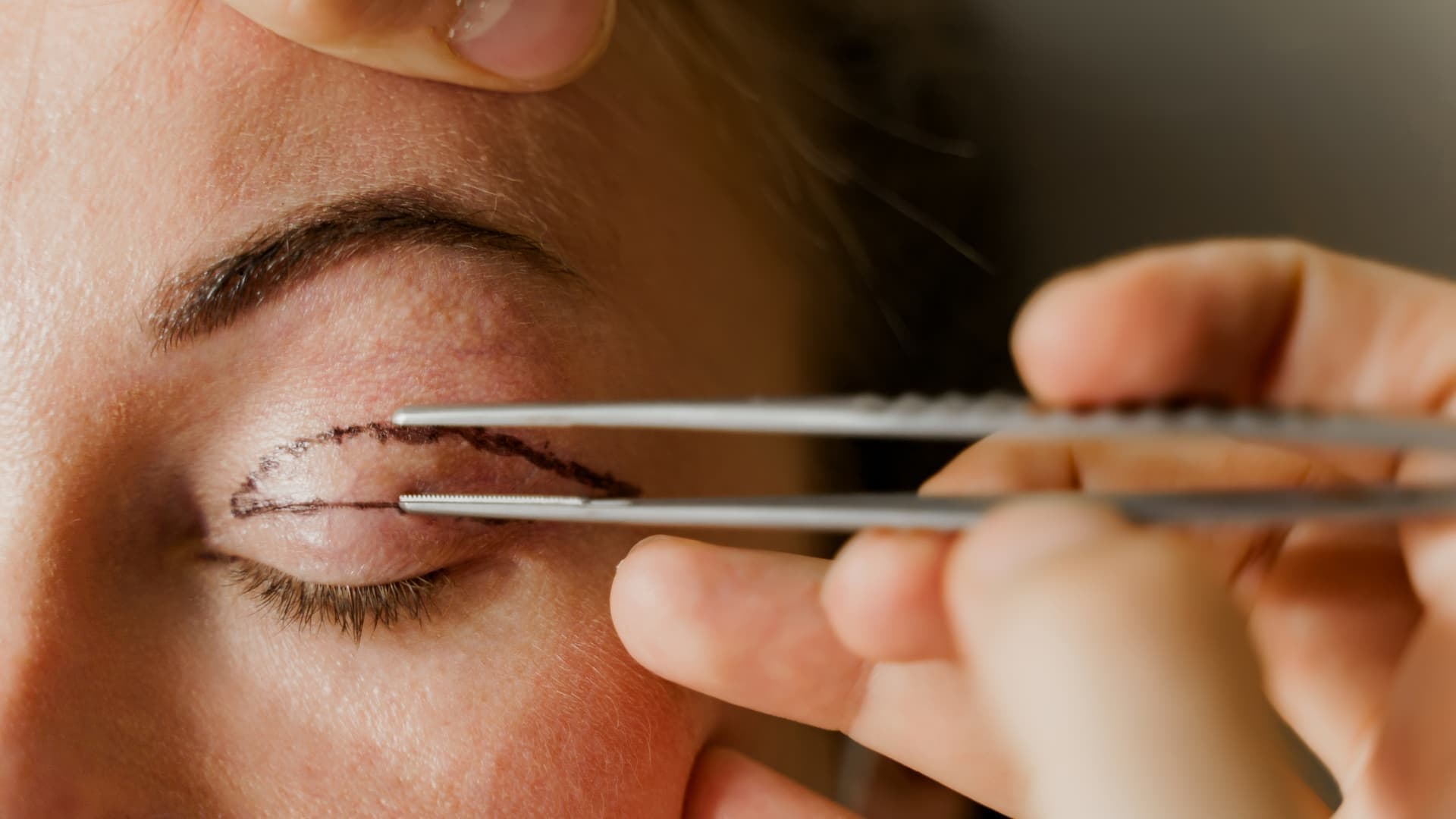
- Yes, eyelid cancer is treatable. You may need one surgery to remove the cancer and possibly another to reconstruct the eyelid for both its appearance and function. For types like basal cell carcinoma, squamous cell carcinoma, or sebaceous carcinoma, your doctor might suggest Mohs micrographic surgery.
- In the early stages, eyelid cancer might appear as a smooth, shiny, or pearly bump or a firm and red spot. You might notice a sore or lump that bleeds, develops a crust, or doesn't heal well. It can also look like a flat, flesh-coloured or brown scar or a rough, scaly patch that is red or brown.
- To test for eyelid cancer, a doctor may do a biopsy, where they remove a small piece of the tumour or lesion to check for cancer cells. Sometimes, the entire tumour is removed during this process. Doctors also do imaging tests like CT, MRI, and PET scans to take pictures of the eyelid tumours to see their size and spread.
- Doctors often diagnose eye cancer using results from imaging tests and an eye exam. Common tests include ultrasounds, which use sound waves to create images of the inside of your eye, which shows the size & location of any tumours.
- Eyelid skin cancers, especially those on the lower eyelid, are very common. They usually appear as raised bumps on the eyelid edges that aren't painful but can be flat or cavity-like as well. Itching, crusting, bleeding, and open sores can also be symptoms of potential skin cancer on the eyelid.