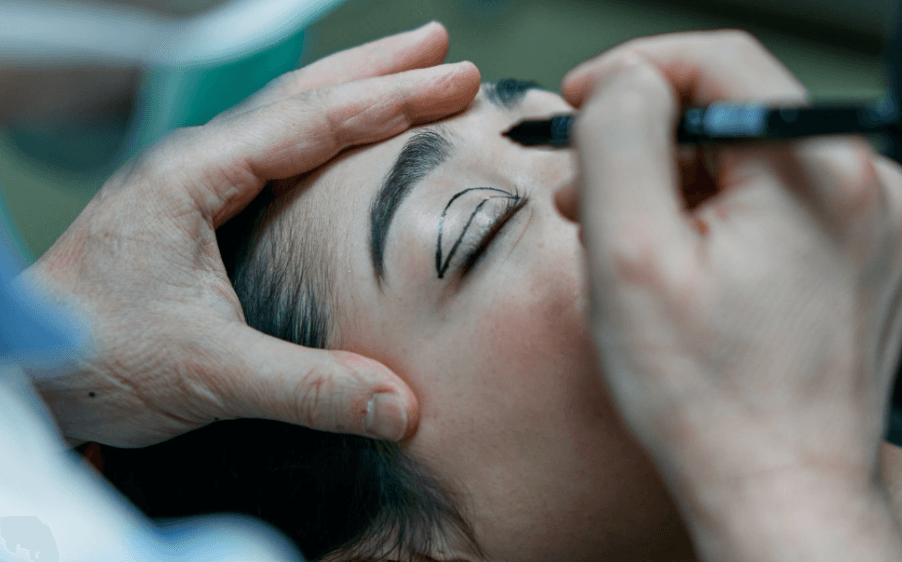
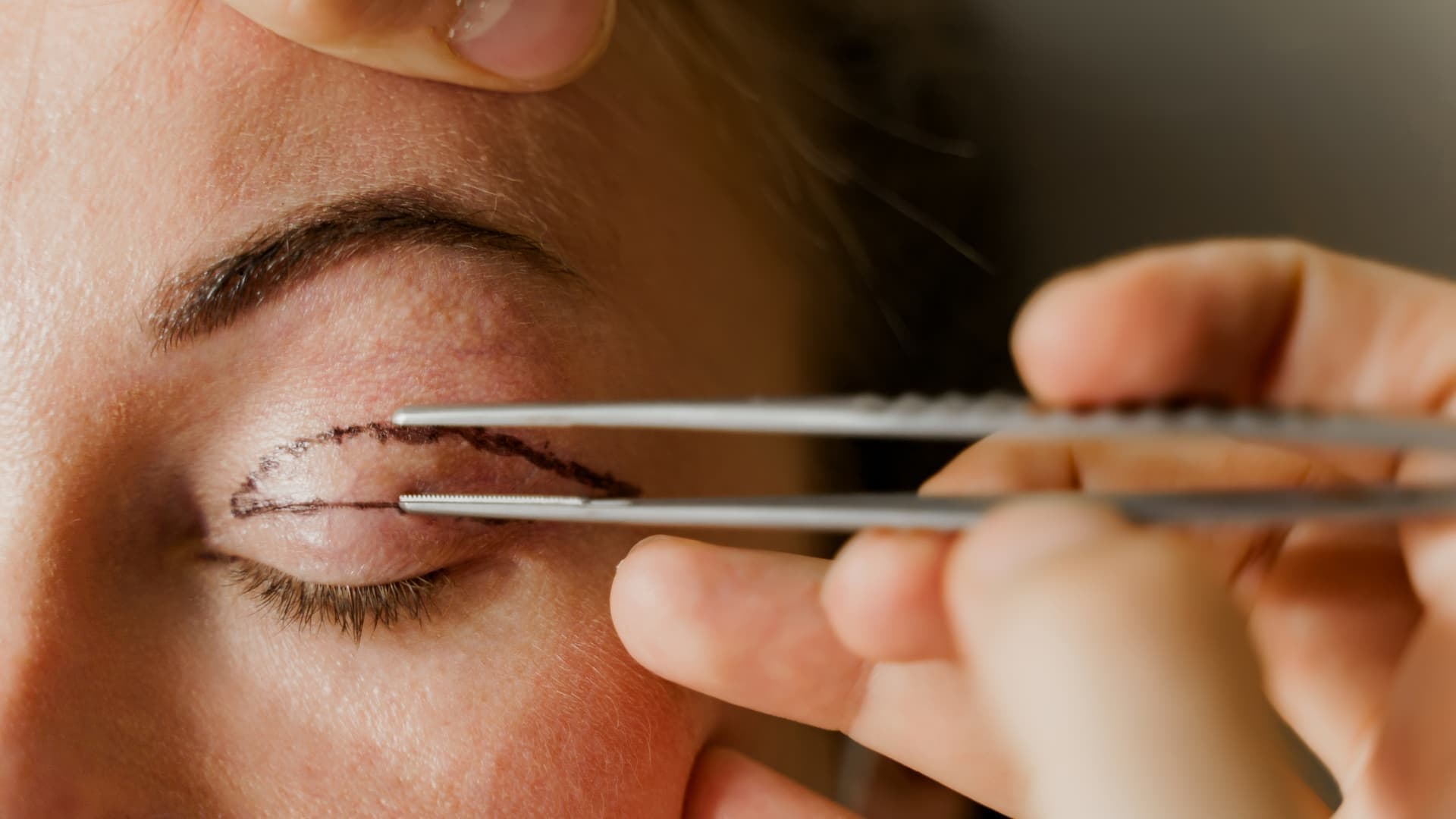
Eyelid surgery, or blepharoplasty, is a popular cosmetic procedure designed to refresh the face by removing excess skin and fat, lifting drooping lids, and restoring a more youthful, alert appearance. While many undergo the procedure with successful outcomes, there are cases where things don’t go as planned.
Sometimes, healing is affected by factors like overall health or infection. Other times, the issue lies in the surgeon’s lack of experience or skill. In these situations, the final results might not align with the patient’s expectations especially when those expectations were shaped by polished before-and-after photos or social media posts.
When outcomes fall short, it may be not only physically uncomfortable but emotionally discouraging as well. In this article, we’ll take a closer look at what causes botched eyelid surgery, common complications, and what options are available for correction and recovery.
What Causes a Botched Eyelid Surgery?
Understanding why eyelid surgery can go wrong is key to avoiding problems and knowing how to fix them. Several factors may lead to disappointing results, and they’re not always about the surgery itself.1. Poor Surgical Technique
When a surgeon lacks experience or doesn't pay close attention to the finer details, the outcome may look unnatural or uneven. One of the golden rules in eyelid surgery is to respect the delicate anatomy and, when in doubt, do less not more. Subtlety often leads to the most natural-looking results.2. Skipping Proper Aftercare
Healing doesn’t stop when the surgery ends. How you take care of your eyes post-operation plays a huge role in the final outcome. Following instructions around rest, medication, and activity is crucial during eyelid surgery recovery. Bending over, lifting heavy items, or ignoring your doctor’s advice can trigger complications like swelling or delayed healing.3. Overlooking Related Issues
Sometimes, the surgeon may focus only on the eyelids and miss other nearby concerns, like a drooping brow or sagging cheeks. These issues may impact how the results look overall and may cause the eyes to still appear tired or unbalanced.4. Individual Healing Responses
Every person heals differently. Some people heal too slowly or form noticeable scars, while others may react badly to sutures. Unfortunately, these tendencies aren't always obvious beforehand - but signs like past healing issues or allergies to stitches used in earlier surgeries can offer some clues. That’s why it’s so important for surgeons to get a full medical and surgical history before moving forward.Common Complications of Botched Eyelid Surgeries
When eyelid surgery doesn’t go as planned, it can lead to a range of complications some cosmetic, others functional that often require further treatment or correction.Upper Eyelid Surgery Complications
In cases of botched upper eyelid surgery, several issues can arise that affect both appearance and function:- Inability to Close Eyes Fully (Lagophthalmos): When too much skin is removed, it can prevent the eyelid from closing completely, leading to dryness and irritation.
- Hollowed Appearance: Over-removal of fat can leave the upper eyelids looking sunken or aged, which is a common complaint after a botched upper eyelid surgery.
- Asymmetry: If tissue is removed unevenly, it can result in mismatched eyelids that disturb facial balance.
- Scarring and Irregularities: Poor incision placement or technique may lead to visible scars or uneven contours on the upper eyelid.
Lower Eyelid Surgery Complications
A botched lower eyelid surgery can present its own set of challenges, often making the eyes appear unnatural or causing physical discomfort:- Ectropion (Outward Turning of Eyelid): This occurs when too much skin is taken from the lower lid, causing it to pull away from the eye and expose the inner eyelid.
- Persistent Puffiness: When not enough fat is removed, under-eye bags may still remain, giving a tired or puffy look.
- Wrinkled Skin: Over-tightening or poor healing can result in a crepey, textured appearance around the lower eyelids.
- Round Eye Appearance: If the surgical technique is not well-executed, the natural almond shape of the eye can be lost, leaving a wide, rounded look that’s difficult to reverse.
Corrective Measures for Botched Eyelid Surgeries
Correcting a botched eyelid surgery depends on the specific issue and its severity. In some cases, surgical revision may be the only effective solution, while in others, non-surgical treatments can offer meaningful improvement. The main aim is to improve both how the eyelids look and how they work, often requiring a mix of treatments to achieve the best outcome.Surgical Revisions
- Skin Grafting: When too much skin has been removed, skin grafts can help restore proper eyelid movement and protect the eyes from dryness or irritation.
- Fat Grafting: This technique reintroduces volume to areas that appear hollow or sunken, especially in the upper eyelids, creating a softer, more natural look.
- Canthoplasty: Often used in lower eyelid corrections, this procedure adjusts the position and tension of the eyelid to fix issues like sagging or outward turning.
Non-Surgical Options
- Dermal Fillers: For patients with mild irregularities or volume loss, fillers can help smooth out uneven areas and create a better balance between the eyelids.
- Laser Resurfacing: This treatment can refine skin texture, reduce fine lines, and help blend scars, offering subtle but noticeable improvement without surgery.
Final Thoughts
Blepharoplasty can do wonders for facial harmony and confidence but it’s not without risks. Choosing a qualified surgeon, preparing well, and knowing how to qualify for eyelid surgery are all critical steps. If complications arise, there are several corrective options available to help restore both comfort and appearance. Always prioritise a thorough consultation, be honest about your goals, and don’t rush the process. The right approach makes all the difference in achieving results that look as good as they feel.Good to know
Frequently asked questions
Still unsure? Our team is glad to talk you through anything before you book.
- While some issues might get better on their own over time, it’s usually tough to completely reverse the changes from the surgery. However, a follow-up surgery can often help make the eyelids look more natural by adjusting where the eyelid crease is, redistributing fat, or using skin grafts if needed.
- A "botched surgery" is when a medical procedure goes very wrong, leading to unexpected and unwanted results for the patient. This can happen due to the surgeon making mistakes or being careless. Problems can range from cosmetic issues to serious health risks, and in extreme cases, even death.
- Some possible complications after eyelid surgery can include infections and bleeding, as well as issues like dry, irritated eyes or trouble closing the eyes.
- Yes, like any surgery, there are risks involved with eyelid surgery. These include reactions to anaesthesia and the chance of blood clots. Other rare problems can be infections, bleeding, and dry or irritated eyes.