Thyroid eye disease (TED) is an autoimmune condition that affects the tissues around the eyes. It is most commonly associated with thyroid conditions such as Graves’ disease, although eye symptoms can sometimes occur when thyroid hormone levels are normal.
The condition can affect the muscles, connective tissues and fat around the eyes, leading to changes in the appearance and function of the eyelids and surrounding area.
Some people experience relatively mild symptoms, while others develop more noticeable changes such as eyelid retraction, swelling, a staring appearance or difficulty closing the eyes.
Understanding how thyroid eye disease affects the eyelids can help you recognise changes early and understand when specialist assessment may be needed.
What Is Thyroid Eye Disease?
Thyroid eye disease is an autoimmune condition in which the body’s immune system mistakenly targets tissues around the eyes.
It is also known as:
- Thyroid-associated ophthalmopathy
- Graves’ orbitopathy
- Thyroid-associated orbitopathy
Although it is closely associated with Graves’ disease, TED is an eye condition in its own right and its severity does not always correspond directly to the severity of the underlying thyroid condition.
The tissues affected can include the muscles that move the eyes, the fat within the eye socket and the connective tissues surrounding the eye.
These changes can alter the position of the eyelids and the appearance of the eyes.
How Can Thyroid Eye Disease Affect the Eyelids?
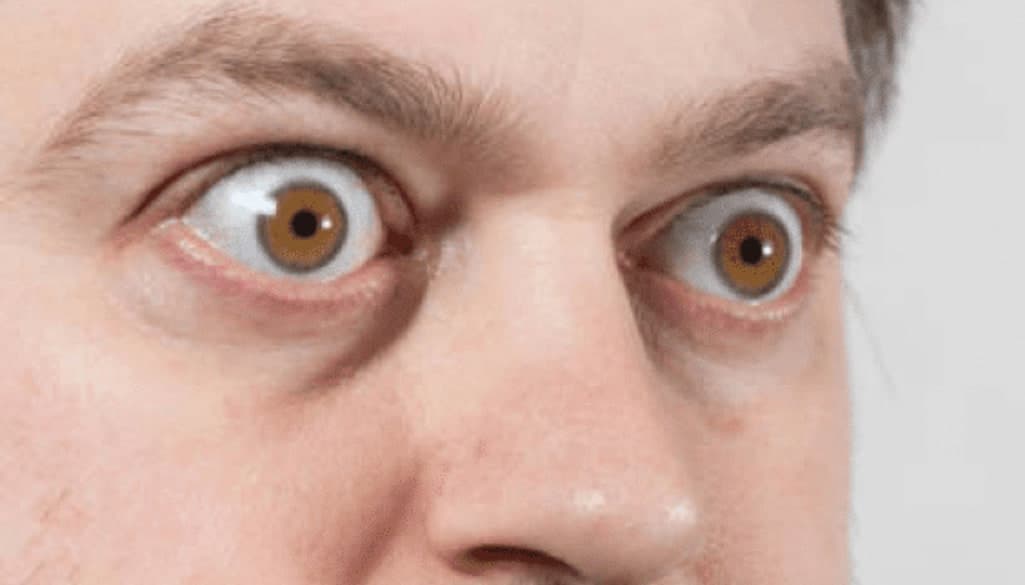
One of the most recognisable eyelid changes associated with TED is eyelid retraction.
This occurs when the upper or lower eyelid sits higher or lower than its usual position, exposing more of the eye.
Other changes can include:
- Upper-eyelid retraction
- Lower-eyelid retraction
- Eyelid swelling or puffiness
- Difficulty closing the eyes completely
- A widened appearance of the eyes
- Changes in the eyelid contour
- Increased exposure of the white part of the eye
- Dryness and irritation caused by increased exposure
These changes can occur alongside other features of thyroid eye disease.
Thyroid Eye Disease and Eyelid Changes at a Glance
| Eyelid or eye change | What you may notice |
| Upper-eyelid retraction | The upper eyelid sits higher, making the eyes appear more open or prominent |
| Lower-eyelid retraction | More of the lower part of the eye may be exposed |
| Eyelid swelling | Puffiness around the eyes, which may be more noticeable at certain times |
| Difficulty closing the eyes | The eyelids may not meet completely when you blink or sleep |
| Dry or gritty eyes | Increased exposure of the eye surface can contribute to irritation |
| Changes in eye appearance | The eyes may appear more prominent, wide or staring |
| Eyelid asymmetry | One side may be more affected than the other |
Not everyone with thyroid eye disease develops all of these changes.
Why Does Thyroid Eye Disease Cause Eyelid Retraction?
Eyelid retraction can occur for several reasons.
Inflammation and changes in the tissues around the eye can affect the muscles and connective tissues that influence eyelid position. Changes within the eye socket can also alter the relationship between the eyelids and the eye.
This can cause the upper eyelid to sit higher than usual.
As a result, more of the eye may be exposed, sometimes creating a characteristic wide-eyed or staring appearance.
Lower-eyelid position can also change, particularly when there are changes in the muscles and tissues around the lower part of the eye.
What Other Symptoms Can Occur With Thyroid Eye Disease?
Eyelid changes are only one part of TED.
Other symptoms can include:
- Dry or gritty eyes
- Redness
- Watery eyes
- Light sensitivity
- Pressure or discomfort around the eyes
- Swelling around the eyelids
- A feeling of pressure behind the eyes
- Changes in the appearance of the eyes
- Double vision
- Difficulty moving the eyes
- Changes in vision in more severe cases
The symptoms can vary significantly from one person to another.
Does Thyroid Eye Disease Always Cause Bulging Eyes?
No.
Although eye prominence or proptosis is a well-known feature of thyroid eye disease, not everyone with TED develops obvious bulging eyes.
The condition can affect different tissues to different degrees.
Some patients may primarily notice:
- Eyelid retraction
- Puffiness
- Dryness
- Changes in eyelid position
- Redness
- Changes in facial appearance
This is one reason why a comprehensive assessment is important.
Can Thyroid Eye Disease Affect One Eye?
Yes.
Thyroid eye disease can affect both eyes, but the degree of involvement may differ between them. One eye may appear more prominent, swollen or retracted than the other.
This can make asymmetry particularly noticeable.
However, a new change affecting only one eye should not automatically be assumed to be thyroid eye disease. Other conditions can cause changes in eye position or eyelid appearance, so appropriate clinical assessment is important.
How Is Thyroid Eye Disease Assessed?
Assessment may involve several different healthcare professionals depending on the symptoms and stage of the condition.
Your doctor may review:
- Your thyroid history
- Current symptoms
- Previous thyroid treatment
- Changes in your eyes over time
- Eyelid position
- Eye movement
- Eye prominence
- Eyelid closure
- Vision
- The condition of the eye surface
An ophthalmologist, particularly an ophthalmologist with experience in orbital or oculoplastic conditions, may carry out a more detailed assessment when there are significant eye or eyelid changes.
Further investigations, such as imaging, may sometimes be recommended depending on the clinical findings.
Why Is the Stage of Thyroid Eye Disease Important?
Thyroid eye disease can change over time.
It is commonly described in terms of an active phase and a later, more stable or inactive phase.
During the active phase, inflammation and changes in the tissues around the eye may still be occurring.
Once the disease becomes inactive, some structural changes can remain, including:
- Eyelid retraction
- Changes in eyelid contour
- Persistent eye prominence
- Changes in the position of the lower eyelid
- Residual asymmetry
This distinction can be important when discussing treatment.
The appropriate approach depends on whether the disease is active, stable or associated with ongoing complications.
Can Eyelid Changes From Thyroid Eye Disease Be Treated?
Treatment depends on the stage and severity of thyroid eye disease and the specific changes affecting the eyes.
The first priority is appropriate medical assessment and management of the underlying condition.
Depending on the individual situation, Thyroid Eye Disease treatment may involve:
- Lubricating eye drops or other measures to protect the eye surface
- Management of thyroid dysfunction
- Smoking cessation where relevant
- Medical treatment for active thyroid eye disease
- Monitoring when symptoms are mild and stable
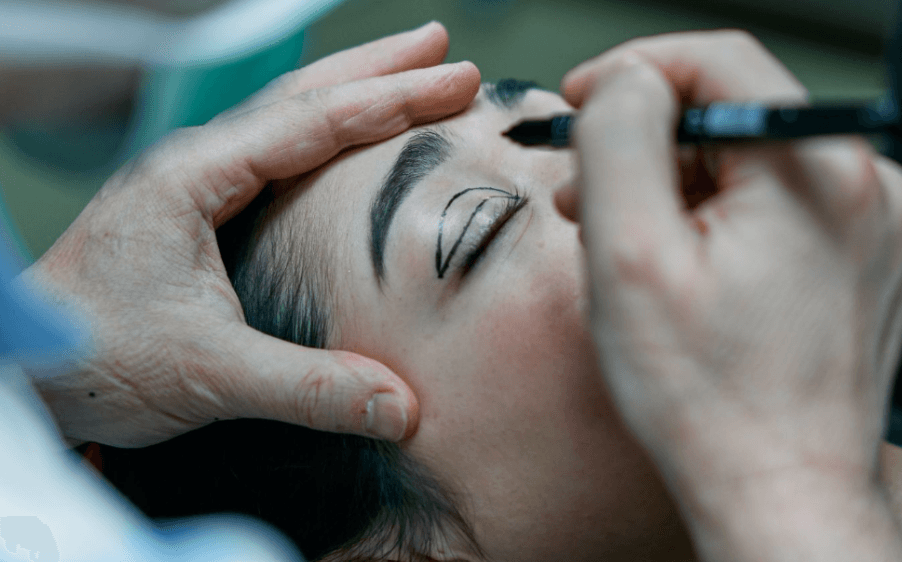
- Surgery for persistent structural changes once the disease is stable
Not every patient needs surgery.
The timing and type of treatment depend on the underlying cause of the eyelid changes, eye health and whether the disease is still active.
When Might Eyelid Surgery Be Considered?
For some patients, eyelid surgery may be considered when thyroid eye disease has become stable but significant eyelid changes remain.
The aim may be to improve:
- Eyelid position
- Eye protection
- Eyelid closure
- Eyelid symmetry
- The overall appearance of the eyes
Surgery needs to be carefully planned because the eyelids play an important role in protecting the surface of the eye.
The procedure chosen depends on the specific anatomical changes.
Why Is Specialist Assessment Important Before Eyelid Surgery?
Eyelid changes caused by thyroid eye disease are different from age-related eyelid changes.
Simply removing excess skin, for example, may not address the underlying cause of eyelid retraction.
A specialist assessment considers:
- The position of the upper and lower eyelids
- The degree of eye prominence
- Eye movement
- Eyelid closure
- The condition of the ocular surface
- Previous thyroid eye disease treatment
- Whether the disease is stable
- Facial and eyelid symmetry
This helps determine whether surgery is appropriate and, if so, which approach may be suitable.
Thyroid Eye Disease: What Should Be Assessed?
| Area assessed | Why it matters |
| Upper eyelid position | Identifies eyelid retraction or other changes |
| Lower eyelid position | Assesses exposure and changes in eyelid support |
| Eye prominence | Helps assess changes within the eye socket |
| Eyelid closure | Determines whether the eye can be adequately protected |
| Eye movement | Can identify involvement of the muscles around the eye |
| Vision | Helps identify potentially important functional changes |
| Eye surface | Checks for dryness or exposure-related problems |
| Disease activity | Helps determine whether the condition is still active |
| Previous treatment | Important when considering further management |
| Symmetry | Helps understand differences between the two eyes |
Can Thyroid Eye Disease Cause Dry Eyes?
Yes.
Eyelid retraction and increased exposure of the eye can contribute to dryness.
When the eyelids do not cover the eye completely or the eyes become more exposed, the tear film may evaporate more quickly.
You may notice:
- Grittiness
- Burning
- Redness
- Watery eyes
- Sensitivity to light
- A sensation of something being in the eye
Lubricating eye drops or other measures to protect the eye surface may be recommended depending on the severity of symptoms.
Persistent or worsening symptoms should be assessed rather than managed solely with cosmetic treatment.
Can Thyroid Eye Disease Affect Vision?
It can.
Many people with TED have relatively mild eye symptoms, but more significant disease can affect eye movement, cause double vision or, rarely, put the optic nerve at risk.
Any new or worsening change in vision should be assessed promptly.
Seek urgent medical attention if you develop symptoms such as:
- A sudden or significant reduction in vision
- New colour-vision changes
- Significant visual field changes
- Severe eye pain
- Inability to close the eyes
- Rapidly worsening eye prominence
- New or worsening double vision
These symptoms require medical assessment and should not be treated as purely cosmetic concerns.
What Can I Expect From a Thyroid Eye Disease Consultation?
A consultation should begin with understanding your medical and eye history.
Your specialist may ask about:
- Your thyroid diagnosis
- Previous thyroid treatment
- When your eye symptoms began
- Whether the symptoms are changing
- Previous treatment for thyroid eye disease
- Changes in your vision
- Dryness or irritation
- Double vision
- Any previous eye or eyelid surgery
The examination can then assess the position and function of the eyelids and the surrounding structures.
Depending on your symptoms, you may also be referred to or assessed alongside other specialists involved in managing thyroid eye disease.
Questions to Ask During Your Consultation
If you have thyroid eye disease and are concerned about changes around your eyes, you may wish to ask:
- Are my eyelid changes related to thyroid eye disease?
- Is my condition currently active or stable?
- Is my eye surface adequately protected?
- Could my eyelid position be affecting my eye health?
- Do I need further assessment or investigations?
- Would treatment be appropriate at this stage?
- If surgery is considered, what would it aim to address?
- What are the potential risks and limitations?
- Could my eyelid position change further over time?
- How will my thyroid eye disease be considered when planning treatment?
Living With Thyroid Eye Disease
Thyroid eye disease can affect both how your eyes function and how they look. The changes may also evolve over time, which can make it difficult to know whether a new symptom is part of the condition or requires further assessment.
Keeping your thyroid care under appropriate medical supervision and seeking specialist advice when eye symptoms change can help ensure that both your general health and eye health are considered.
If you have persistent eyelid changes after thyroid eye disease, a detailed assessment can help establish whether the changes are related to eyelid position, the surrounding tissues or another factor.
A Personalised Approach to Thyroid Eye Disease and Eyelid Changes
Thyroid eye disease does not affect everyone in the same way. Some patients experience mainly dryness and swelling, while others develop more significant changes in eyelid position, eye prominence or eye movement.
For this reason, treatment should begin with a thorough assessment rather than focusing on the appearance of the eyelids alone.
At Perfect Eyes Clinic, patients can discuss concerns relating to their eyes and eyelids with a medical specialist. An individual assessment can help determine the underlying changes, whether further ophthalmic evaluation is needed and what treatment options may be appropriate for the individual patient.
If you have noticed changes in your eyelids or eyes following a thyroid condition, a specialist assessment can help you understand what may be contributing to those changes and what the next steps could be.
Frequently asked questions
Still unsure? Our team is glad to talk you through anything before you book.
- Yes. Changes in the tissues around the eye can affect eyelid position, eye prominence and the overall appearance of the eyes.
- Eyelid retraction occurs when an upper or lower eyelid sits further away from its usual position, exposing more of the eye. It is a common eyelid change associated with thyroid eye disease.
- It can alter the appearance of the upper eyelids, but the changes associated with TED are not the same as typical age-related hooding. A specialist assessment can determine what is contributing to the appearance.
- Not necessarily. Thyroid hormone levels and eye disease do not always change in parallel. Some structural eye changes can persist even after thyroid function has been stabilised.
- The condition can affect the two eyes differently, so one eye may appear more affected. However, new one-sided eye changes should be properly assessed because other conditions can cause similar symptoms.
- No. Treatment depends on the severity and type of changes and whether the disease is active or stable. Some people may only require monitoring and measures to protect the eye surface.
- Surgery may be considered for persistent structural changes once the disease is sufficiently stable, particularly when eyelid position affects eye protection, function or appearance. The timing depends on the individual case.
- Yes. Changes in eyelid position and increased exposure of the eye can contribute to dryness and irritation, which may sometimes cause reflex watering.
- If you have new, persistent or worsening eye or eyelid symptoms, an appropriate medical assessment is important. Patients with significant eyelid, orbital or visual changes may require specialist ophthalmic assessment.