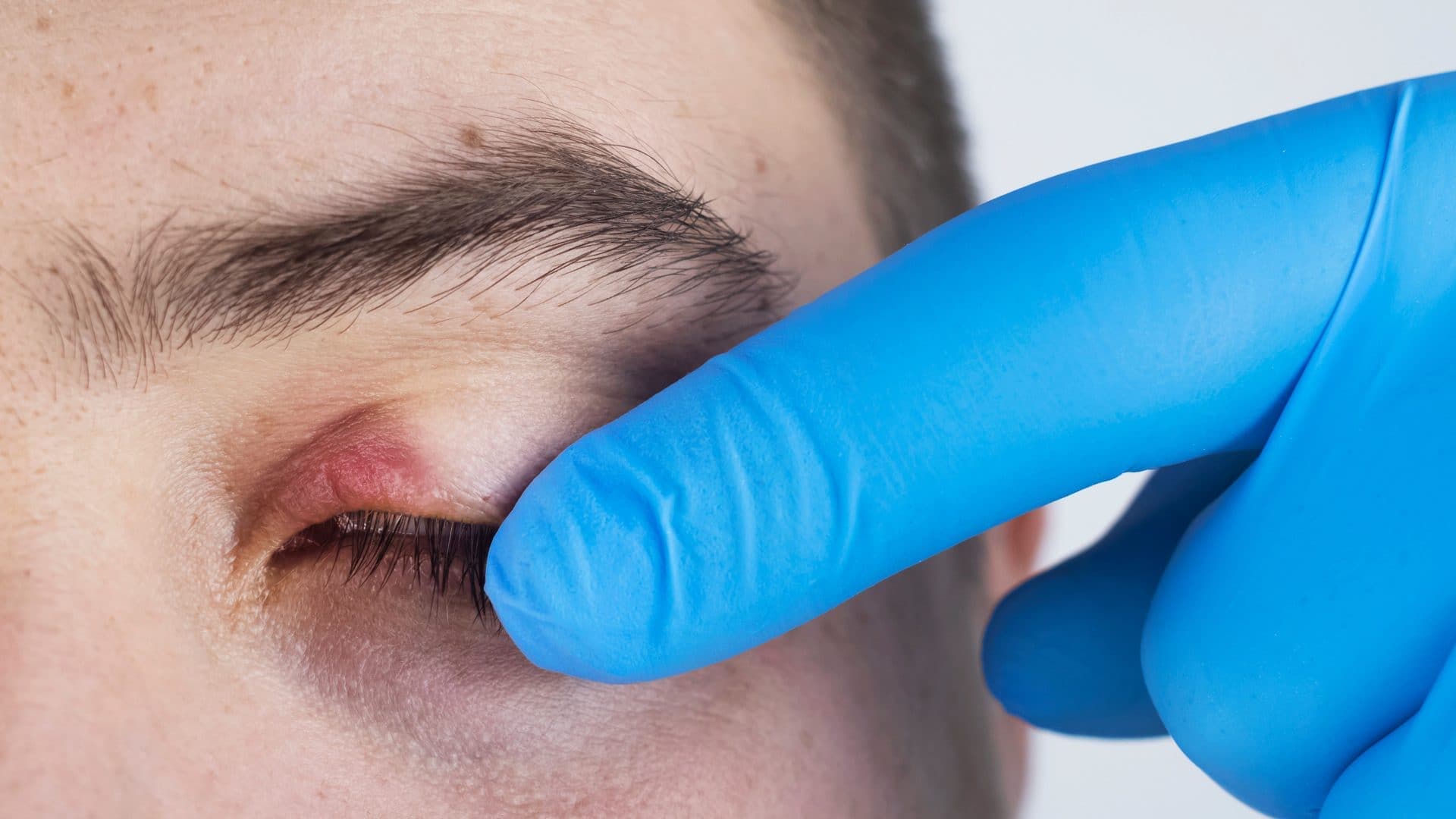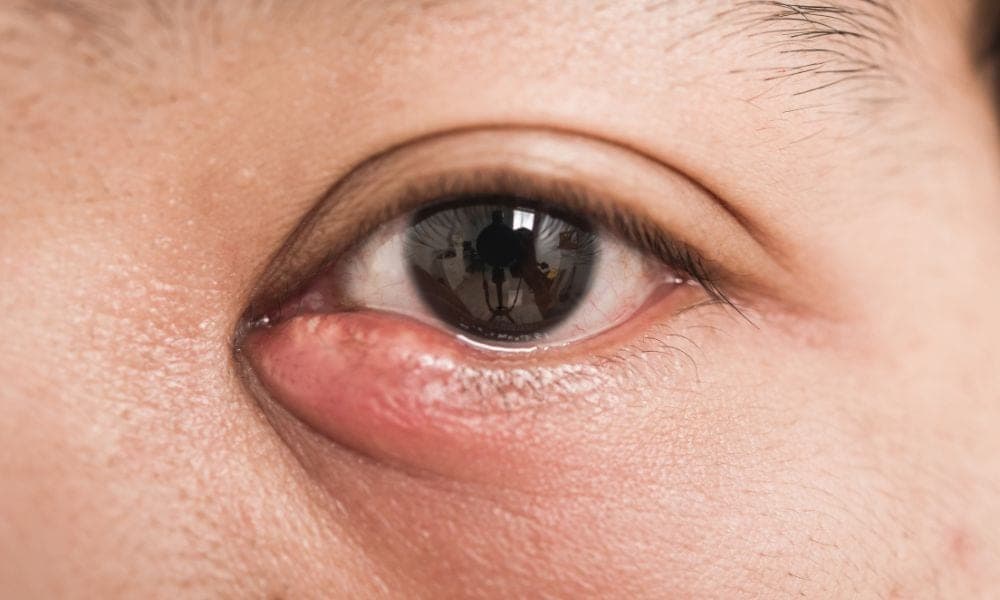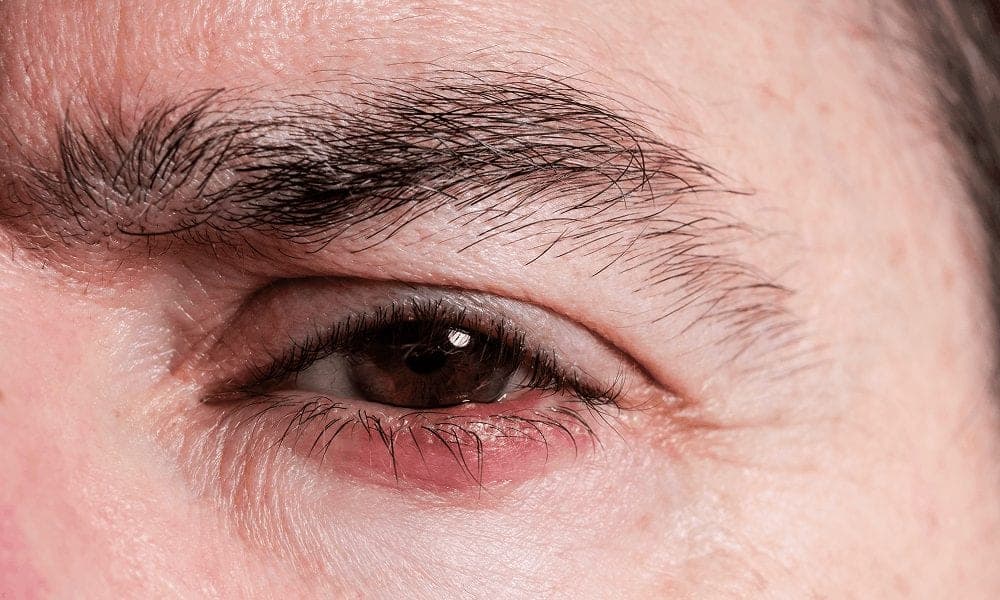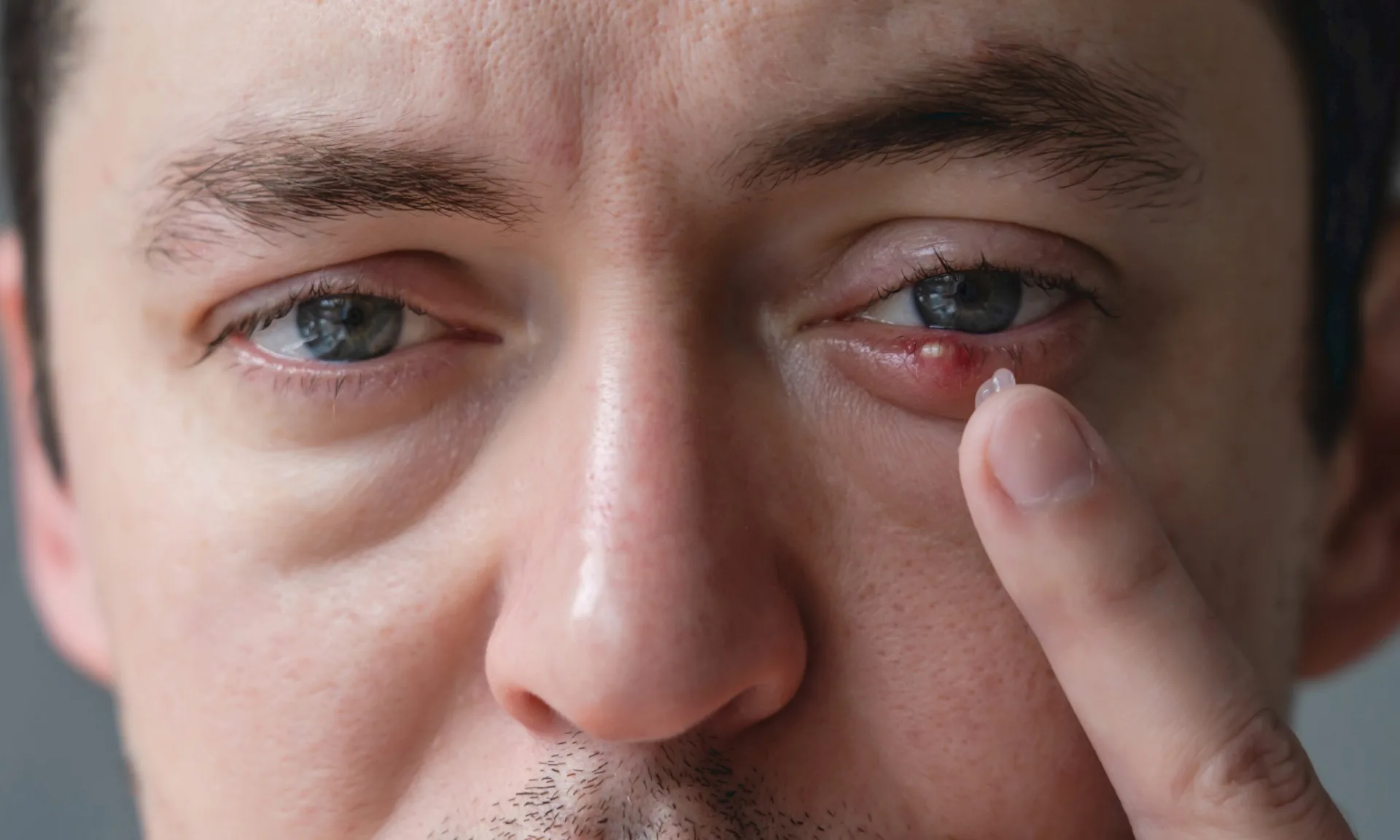
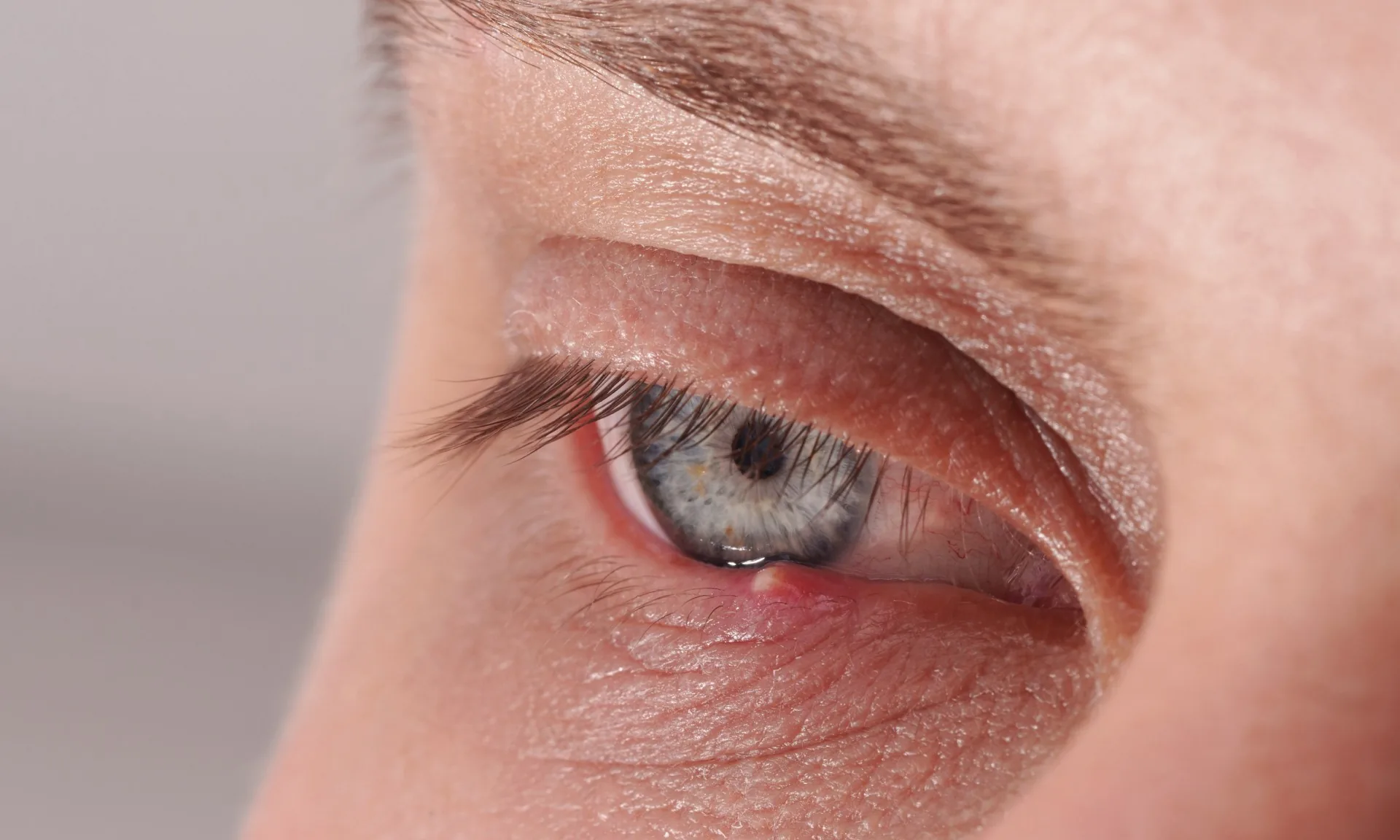
An internal stye is a painful, red lump that develops inside the eyelid when an oil gland becomes infected. Also known medically as an internal hordeolum, it can cause tenderness, swelling, watering and a gritty sensation in the affected eye.
Unlike an external stye, which develops near the base of an eyelash, an internal stye forms deeper inside the eyelid. This can make it particularly uncomfortable, especially when the swollen area rubs against the surface of the eye.
Most styes improve with simple home care, particularly regular warm compresses. However, some may require medical assessment and treatment if the swelling persists, becomes more severe or develops into a chalazion.
In this guide, we explain the symptoms and causes of an internal stye, how to manage it safely at home, the treatments an eye specialist may recommend, and when it is important to seek medical attention.
What Does a Stye Inside the Eyelid Feel Like?
An internal stye can cause discomfort because it develops within the eyelid, close to the surface of the eye. The symptoms may begin gradually, with tenderness or irritation, before a more noticeable lump develops.
Common symptoms include:
- Pain and tenderness: The affected part of the eyelid may feel sore, particularly when touched or blinked against.
- Redness and swelling: Part or all of the eyelid may become red and swollen.
- A gritty sensation: It may feel as though something is trapped in the eye.
- Excessive watering: The eye may produce more tears in response to irritation.
- A visible lump: A yellowish or whitish area of pus may sometimes be visible on the inner surface of the eyelid.
- Sensitivity to light: Some people experience discomfort in bright light, although significant light sensitivity should be assessed promptly.
- A feeling of pressure: Swelling within the eyelid may create a sensation of fullness or discomfort around the eye.
Not everyone experiences all these symptoms. The severity can vary depending on the size and location of the stye and whether the surrounding eyelid tissues are affected.
If you experience significant eye pain, changes in vision or marked sensitivity to light, do not assume that a stye is the cause. These symptoms warrant prompt medical assessment.
What Causes an Internal Stye?
The eyelids contain several types of glands that help maintain a healthy tear film and keep the surface of the eye lubricated.
The meibomian glands, located within the eyelids, produce an oily substance that helps prevent tears from evaporating too quickly. An internal stye usually develops when one of these glands becomes infected, commonly by bacteria such as Staphylococcus aureus.
A blocked gland alone does not necessarily mean that an infection will develop. However, gland dysfunction and inflammation can contribute to eyelid problems.
Several factors may increase the likelihood of developing a stye.
1. Poor Eyelid Hygiene
Touching or rubbing your eyes with unwashed hands can transfer bacteria to the eyelids. Frequent eye rubbing may also irritate the delicate skin and contribute to inflammation.
Washing your hands before touching your eyes or handling contact lenses is a simple way to reduce the risk of introducing bacteria.
2. Eye Makeup and Contaminated Products
Eye makeup can accumulate oil, skin cells and microorganisms, particularly when products are old or applicators are not cleaned regularly.
Sharing mascara, eyeliner or makeup brushes may also transfer bacteria between people.
To reduce the risk:
- Avoid sharing eye makeup and applicators.
- Remove eye makeup gently before sleeping.
- Keep makeup brushes and applicators clean.
- Replace products according to the manufacturer's guidance.
- Discard eye makeup that has become contaminated or was used during an eye infection.
3. Improper Contact Lens Care
Contact lenses require careful handling and cleaning. Touching lenses with unwashed hands or failing to follow the recommended cleaning and replacement schedule can increase the risk of eye infections and irritation.
If you develop a painful, red eye while wearing contact lenses, seek prompt advice from an eye care professional. Contact lens wearers can develop infections that are more serious than a stye.
Stop wearing your lenses while the eye is irritated and follow professional advice before restarting.
4. Blepharitis
Blepharitis is inflammation of the eyelid margins. It can cause redness, irritation, crusting around the eyelashes and problems with the oil glands.
People with blepharitis may be more prone to recurrent styes because ongoing eyelid inflammation and gland dysfunction can make blockages and infections more likely.
Managing the underlying eyelid condition can help reduce future episodes.
5. Ocular Rosacea and Other Skin Conditions
Ocular rosacea can cause redness, irritation and inflammation around the eyes. It may also affect the function of the meibomian glands.
Other inflammatory skin conditions can contribute to eyelid irritation in some people. If you experience repeated styes alongside persistent eyelid redness or discomfort, an eye specialist can assess whether an underlying condition needs treatment.
6. Recurrent Gland Blockage
Some people are more prone to blocked oil glands than others. Changes in the consistency of the oil produced by the glands can interfere with its normal flow.
This may increase the likelihood of developing a stye or a chalazion. Repeated episodes are worth discussing with an eye specialist, particularly if they occur in the same location.
Stress and hormonal changes may coincide with flare-ups for some individuals, but they should not automatically be considered the direct cause of an internal stye.
Internal Stye vs Chalazion: What Is the Difference?
An internal stye and a chalazion can look similar because both develop within the eyelid and may cause a noticeable lump. However, they have different underlying causes.
An internal stye is an acute infection of an oil gland. It is usually painful, tender and associated with redness and swelling.
A chalazion develops when an oil gland becomes blocked and inflamed. It is generally less painful than a stye and may persist as a firm lump for several weeks or longer.
An internal stye can sometimes develop into a chalazion if the acute infection settles but the gland remains blocked.
| Feature | Internal Stye | Chalazion |
| Main cause | Infection of an oil gland | Blockage and inflammation of an oil gland |
| Pain | Usually painful and tender | Usually painless or mildly tender |
| Appearance | Red, swollen lump that may contain pus | Firm lump within the eyelid |
| Onset | Often develops over a short period | May develop gradually |
| Typical duration | Often improves over several days to around two weeks | May persist for several weeks or longer |
| Common symptoms | Tenderness, redness, swelling and irritation | Localised lump, sometimes with pressure or blurred vision if large |
| Treatment | Warm compresses and assessment if symptoms persist or worsen | Warm compresses initially; further treatment may be considered if it persists |
The two conditions can be difficult to distinguish without an examination. A persistent lump should be assessed rather than assumed to be a stye.
How to Treat an Internal Stye at Home
Most uncomplicated internal styes improve without surgery. The aim of home care is to encourage natural drainage, ease discomfort and avoid further irritation.
1. Apply a Warm Compress
A warm compress is generally the first step in managing a stye.
Follow these steps:
- Wash your hands thoroughly with soap and water.
- Soak a clean cloth in comfortably warm water.
- Wring out the excess water.
- Close the affected eye and place the cloth gently over the eyelid.
- Leave it in place for around 10–15 minutes, reheating the cloth as needed to maintain its warmth.
- Repeat three to four times a day.
The compress should be warm rather than hot. Excessive heat can burn the delicate skin around the eye.
Warmth may help soften the contents of the blocked gland and encourage natural drainage. Do not press firmly on the eyelid or attempt to force the lump to drain.
2. Keep the Eyelids Clean
Wash your hands before touching the eye area and gently clean the eyelids as needed.
If you are prone to recurrent styes or have blepharitis, a dedicated eyelid cleanser may be helpful. Avoid getting cleansers into the eye, and do not use harsh soaps or undiluted products around the eyelids.
If cleaning causes further irritation, stop and seek advice.
3. Avoid Eye Makeup
Avoid mascara, eyeliner and other eye makeup until the stye has resolved and the eyelid is comfortable again.
Makeup can irritate the affected area and may introduce further contamination. If a product or applicator may have become contaminated during the infection, replace it where appropriate.
4. Temporarily Stop Wearing Contact Lenses
If your eyelid is swollen or your eye feels irritated, wear glasses instead of contact lenses until the problem has settled and it is safe to resume lens use.
If you have a red eye while wearing contact lenses, seek prompt professional advice rather than relying on home treatment alone.
5. Do Not Squeeze or Pop the Lump
Never try to burst an internal stye with your fingers, a needle or another object.
Squeezing can worsen inflammation, damage the eyelid and potentially spread infection into the surrounding tissues. Allow the stye to drain naturally or seek medical care if it does not improve.
What Should You Avoid?
Avoid using home remedies such as tea bags, essential oils or other unsterile substances on the affected eyelid. These may irritate the skin or introduce additional contaminants.
Do not use leftover antibiotic eye drops or steroid eye medication without medical advice. Not every eyelid lump requires antibiotics, and some eye medications are unsuitable for particular conditions.
Professional Treatment Options for an Internal Stye
Home care is often sufficient, but an eye specialist may recommend further treatment if the stye is persistent, particularly painful or associated with spreading inflammation.
The appropriate approach depends on the examination findings and whether the problem is an active infection, a blocked gland or another eyelid condition.
1. Medical Assessment and Monitoring
An eye specialist will examine the eyelid and assess the nature and extent of the swelling.
They may check whether the lump is consistent with an internal stye, a chalazion or another condition. They will also consider whether the surrounding tissues are affected and whether any additional treatment is needed.
Some styes require continued conservative care, while others benefit from medical intervention.
2. Prescription Antibiotics
Antibiotics are not routinely required for every stye.
A clinician may prescribe an appropriate antibiotic if there is evidence of a bacterial infection that warrants treatment, particularly if the infection has spread to surrounding tissues.
Topical antibiotics may be considered in selected cases, but they do not reliably resolve a blocked gland on their own. Oral antibiotics may be necessary when there is associated spreading infection, such as preseptal cellulitis.
The type of medication and duration of treatment should be determined by a qualified clinician.
3. Treatment for a Persistent Chalazion
If the acute infection settles but a firm lump remains, the problem may have developed into a chalazion.
A persistent chalazion may require further treatment if it causes discomfort, affects vision or does not improve with conservative measures.
Depending on its size, location and duration, a specialist may discuss an injection of corticosteroid into the lump or a minor surgical procedure. These options are not suitable for every patient and should only be considered after an appropriate assessment.
4. Minor Surgical Drainage
If an internal stye or a persistent eyelid lump does not resolve, a specialist may consider a minor procedure.
For a suitable lesion, drainage or incision and curettage may be performed under local anaesthetic. The exact technique depends on whether the lesion is an active stye or a chalazion.
The procedure is usually carried out in a clinical setting, with the aim of removing the trapped material and allowing the eyelid to heal.
Surgical treatment is not necessary for most styes. The decision should be based on the diagnosis, symptoms and response to initial treatment.
5. Assessment of a Recurrent or Persistent Lump
If a lump repeatedly develops in the same area, persists despite treatment or has an unusual appearance, an eye specialist may recommend further investigation.
In selected cases, a tissue sample may be required to rule out other eyelid conditions. This does not mean that a persistent lump is necessarily serious, but repeated or atypical lesions should not automatically be assumed to be ordinary styes.
When Should You See a Doctor for an Internal Stye?
Although many styes settle with home care, certain symptoms require medical attention.
Arrange an assessment if:
- The stye is not beginning to improve after a few days of regular warm compresses.
- The lump persists for around one to two weeks.
- The stye becomes increasingly painful or swollen.
- The swelling repeatedly returns or develops in the same location.
- The eyelid lump interferes with blinking or causes persistent discomfort.
- You are unsure whether the lump is a stye or another eyelid condition.
When Is Urgent Medical Attention Needed?
Seek urgent medical assessment if you experience:
- Redness or swelling that spreads beyond the eyelid.
- Fever or feeling generally unwell alongside worsening eyelid swelling.
- Significant pain in the eye itself.
- Blurred or reduced vision.
- Marked sensitivity to light.
- Pain or difficulty when moving the eye.
- Bulging of the eye or difficulty opening it because of severe swelling.
These symptoms may indicate a more serious infection or another eye condition that requires prompt treatment. Do not wait for a warm compress to work if any of these warning signs develop.
How Can You Reduce the Risk of Getting Another Stye?
Styes cannot always be prevented, but a few everyday habits may help reduce the likelihood of recurrence.
Maintain good hand hygiene: Wash your hands before touching your eyes, applying eye products or handling contact lenses.
Remove eye makeup before bed: Clean the eyelid area gently and avoid leaving mascara or eyeliner on overnight.
Keep makeup products clean: Do not share eye makeup, and replace products that are old or contaminated.
Follow contact lens instructions: Clean, disinfect and replace lenses according to the manufacturer's guidance and your eye care professional's advice.
Manage blepharitis: If you experience recurrent eyelid inflammation, follow a recommended eyelid hygiene routine and seek advice about ongoing symptoms.
Avoid rubbing your eyes: Rubbing can irritate the eyelids and transfer bacteria from your hands.
Seek advice about repeated episodes: Frequent styes may be associated with underlying eyelid inflammation or oil gland dysfunction. Identifying and managing these factors may help reduce recurrence.
Get the Right Advice for Persistent Eyelid Problems
An internal stye can cause considerable discomfort, but most cases improve with appropriate home care. Regular warm compresses, good eyelid hygiene and avoiding pressure on the affected area can help support recovery.
If the swelling persists, repeatedly returns or becomes increasingly painful, a professional assessment can help establish the cause and determine whether further treatment is needed.
At Perfect Eyes Clinic, patients can seek an assessment for persistent eyelid lumps and other eyelid concerns. If a chalazion or another condition requires treatment, the appropriate options can be discussed following an examination.
If you are concerned about an internal stye that is not improving, arrange an assessment with a qualified eye care professional.
Frequently asked questions
Still unsure? Our team is glad to talk you through anything before you book.
- Many uncomplicated styes begin to improve within a few days and settle within approximately one to two weeks. The timeline varies depending on the severity of the inflammation and whether the gland drains naturally. If the lump persists or symptoms worsen, seek medical advice.
- Yes. Many internal styes resolve without prescription medication or surgery. Warm compresses can help encourage natural drainage. However, a persistent or worsening lump should be examined to determine whether further treatment is needed.
- An internal stye develops deeper within the eyelid and may cause more discomfort because of its location. However, the location alone does not determine how serious it is. The severity of the infection and whether it spreads to surrounding tissues are more important considerations.
- No. Do not squeeze, pierce or attempt to pop a stye. Doing so can worsen inflammation, injure the eyelid and potentially spread infection. Use a warm compress and seek professional advice if the stye does not improve.
- Not necessarily. Many styes improve with warm compresses and good eyelid hygiene. A clinician may prescribe antibiotics if there is a specific indication, particularly if the infection spreads beyond the gland. Do not use leftover eye medication without medical advice.
- Yes. Sometimes the acute infection settles, but the oil gland remains blocked and a firmer, less painful lump develops. This is called a chalazion. If the lump persists, an eye specialist can assess whether further treatment would be helpful.
- It is generally best to stop wearing contact lenses while the eyelid is swollen or the eye is irritated. Wear glasses instead and seek advice if you also have a red or painful eye, particularly if you are a contact lens wearer. Resume lens use when it is safe to do so.
- Stress is not an established direct cause of an internal stye. Styes usually develop when an oil gland becomes infected. However, stress may coincide with changes in sleep, self-care or other habits that can affect general wellbeing. Recurrent styes are worth discussing with an eye specialist.
- An internal stye is an infected oil gland and is usually painful, red and swollen. A blocked gland without an active infection may develop into a chalazion, which is generally firmer and less painful. An examination can help distinguish between them.
- Surgery is not usually needed for an uncomplicated stye. A specialist may consider a minor procedure if a persistent lump does not resolve, causes significant discomfort or affects vision. The recommended treatment depends on whether the lesion is an active stye, a chalazion or another condition.