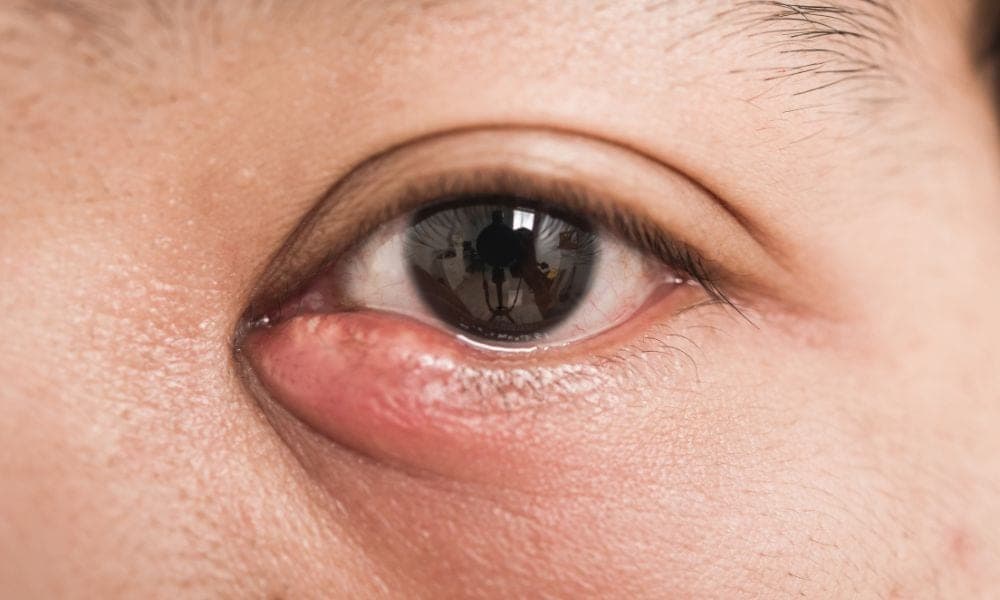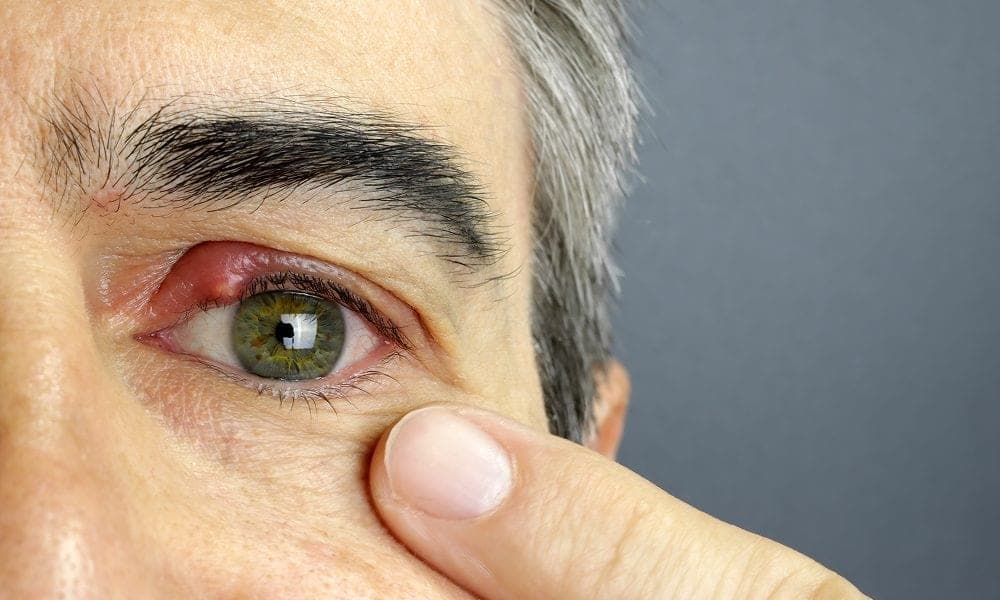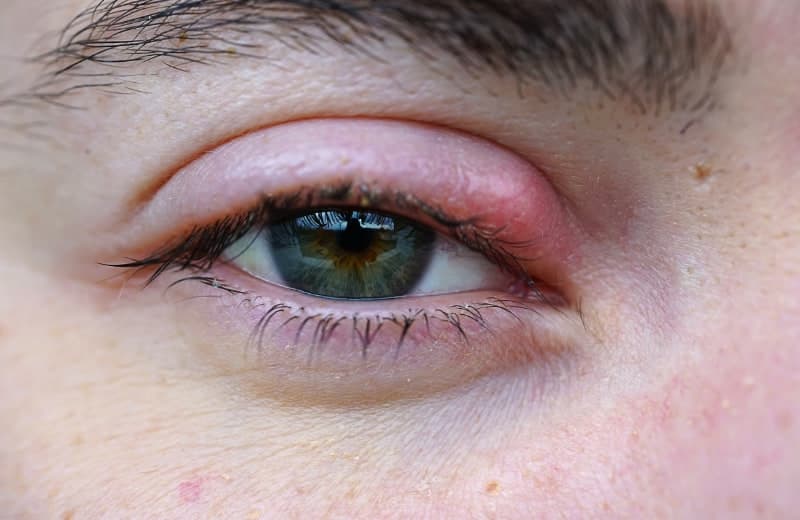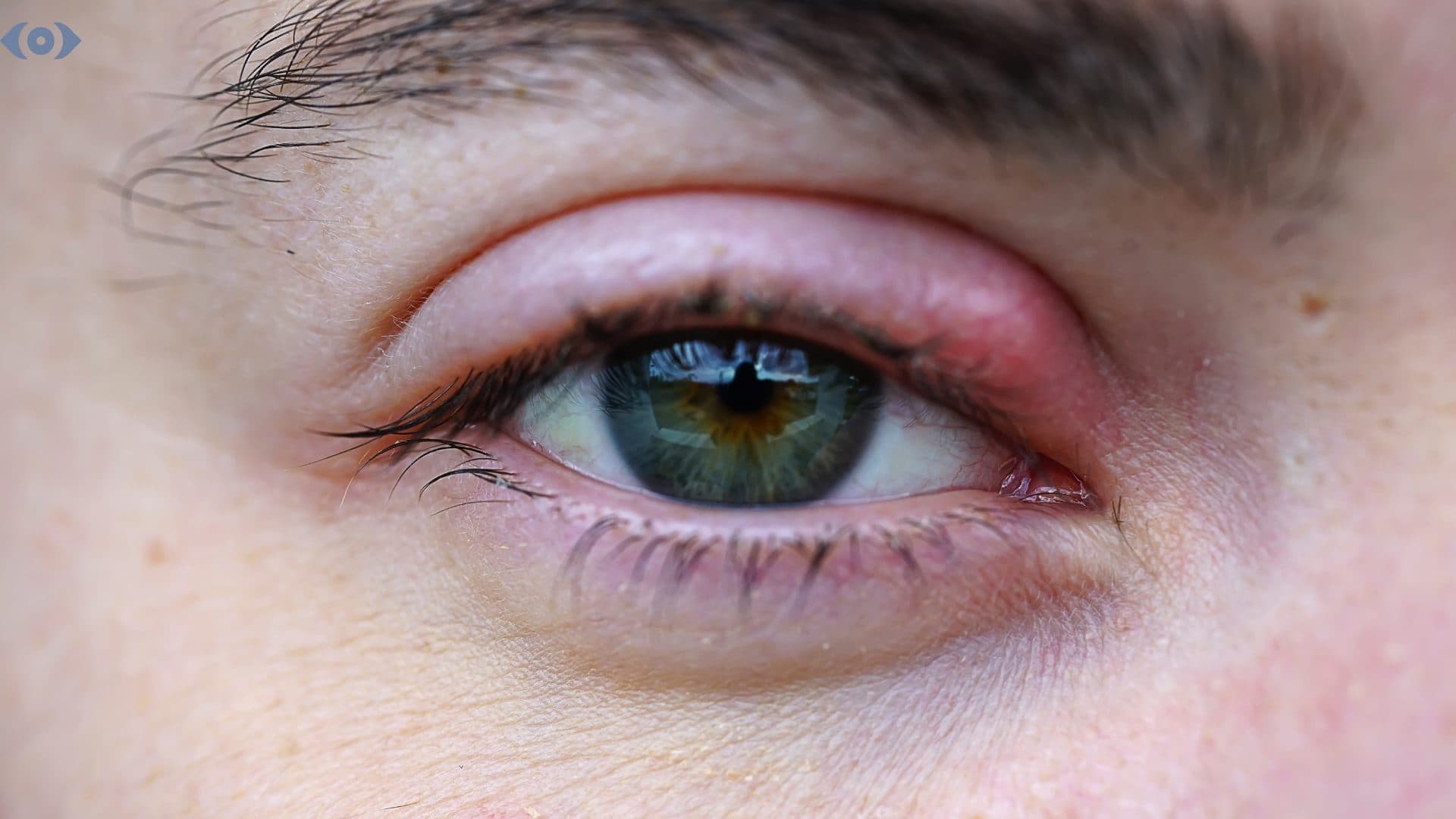
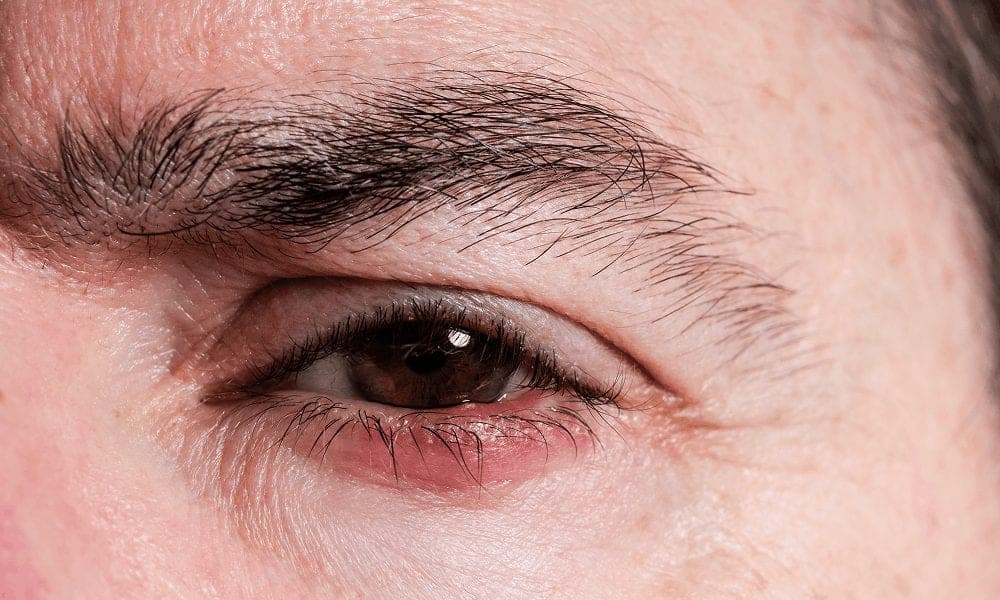
Waking up to find a tender, red lump on your eyelid is never a good start to the day. It feels heavy. It looks angry. And often, it hurts every time you blink.
For most people, a stye is a temporary annoyance. It appears to cause a few days of discomfort, after which it resolves. However, for many adults, styes can recur. Just as one heals, another seems to appear.
If you are wondering, ‘Why is this happening to me?’, you are not alone.
While they are often dismissed as simple infections, styes in adults are rarely just a matter of bad luck. They typically indicate an imbalance in the eyelid environment. Identifying the root cause, whether stress, screen time, or inflammation, is crucial. This helps prevent these issues from coming back.
This guide explains why styes happen. It highlights lifestyle factors that may cause them. It also provides tips for maintaining eye health and preventing styes.
What Is a Stye (And Why Does It Hurt)?
To understand the cause, we must look at the anatomy. A stye (medically known as a hordeolum) is a bacterial infection. It usually happens at the base of an eyelash or inside one of the tiny oil glands within the eyelid. Your eyelids are lined with these glands (Meibomian glands). Their job is to produce oil that keeps your tears from evaporating. However, if the gland opening becomes blocked by dead skin or makeup, the oil becomes trapped inside. Bacteria, usually Staphylococcus, live on our skin. They thrive in trapped oil. The body’s immune system attacks the bacteria, causing pus to form. This pressure causes the throbbing pain and redness you feel.Stye vs. Chalazion: Knowing the Difference
Before treating a lump, you must know what it is. Adults often confuse styes with cysts.- A Stye: Is an active infection. It is red, hot, and painful. It usually develops quickly and often has a visible white head.
- A Chalazion: Is a blocked gland that has hardened. It is usually painless. It feels like a firm pea under the skin and can last for months.
The 5 Main Causes of Styes in Adults
Why do adults get them suddenly? It is rarely just one thing. It is usually a combination of factors that creates the perfect storm for bacteria to thrive.1. Digital Eye Strain & Not Blinking
This is a modern cause that many people overlook. When you stare at computers or phones for hours, your blink rate drops significantly. Blinking is the mechanism that pumps fresh oil out of your glands. If you stop blinking enough, the oil becomes stagnant and blocks the gland. This "oil stasis" invites infection. If you work in an office, learning ‘How to Rest Your Eyes’ is essential. Simple habits can keep oil flowing and stop blockages before they start. You can try the 20-20-20 rule or conscious blinking.2. Stress and Hormones
It is not a coincidence that styes appear during busy workweeks. Stress triggers the body to release hormones like cortisol. These hormones tell your skin to produce more oil (sebum). This occurs on the face (causing acne) and on the eyelids. This excess, sticky oil more readily blocks the glands. At the same time, stress weakens your immune system, making it harder for your body to fight off the bacteria.3. Blepharitis (Chronic Inflammation)
The most common medical cause is Blepharitis. This condition causes the eyelid edges to swell. It often occurs due to bacteria or tiny mites. It creates dandruff-like crusts at the base of the eyelashes. These crusts physically block the oil glands. If you have chronic swollen eyelids or itchy lashes, you probably have blepharitis. This condition needs daily care, not just a one-time fix.4. Old Cosmetics
Makeup allows bacteria to survive and multiply. Mascara wands and liquid eyeliners are the biggest culprits. Every time you pump the wand, you push air and bacteria into the dark, moist tube. Using eye makeup that is older than three months increases the risk of infection. Sleeping in makeup blocks the glands, causing a buildup over time.5. Ocular Rosacea
If you have Rosacea on your cheeks (redness or flushing), you might also have it in your eyes. This condition thickens the oil in your glands. It’s like toothpaste instead of olive oil. Thick oil cannot flow, so it gets stuck and is easily infected.Treatment: How to Fix It at Home?
If you feel a stye coming on, acting fast can stop it from getting worse.The Golden Rule: Heat
Antibiotics are rarely needed for a simple stye. The best treatment is heat.Warm Compress
Applying a Warm Compress (or a hot flannel) helps soften the hardened oil that blocks the gland. It allows the pus to drain naturally.- Apply warmth for 10 minutes.
- Do this 3 to 4 times a day.
- Massage the area gently afterwards.
Lid Hygiene
Keep the area clean. Use a dedicated lid wipe or diluted baby shampoo to gently scrub the lash line. This removes the crusts and bacteria causing the blockage.When to See a Specialist?
Most styes heal on their own within a week. However, there are times when you should check the diary and book an appointment.It Won't Go Away
If a lump remains for weeks after the pain has gone, it has likely become a cyst. These often require a minor procedure for removal.The Eyelid is Swollen Shut
If the redness spreads to the whole eyelid or cheek, the infection is spreading. This may be cellulitis. This is serious and requires immediate oral antibiotics.The Lash Line Changes
A recurring stye in the same spot can lead to eyelash loss. This may indicate a serious condition, such as eyelid cancer. If a lump appears unusual, bleeds, or fails to heal, a biopsy is the safest course of action.Cosmetic Concerns
Sometimes, what appears to be a stye is actually a fat pad or a skin tag. If you have permanent lumps that aren’t infections, consider eyelid lump & bump removal. It can help you regain a smooth appearance.Is It Actually a Bag?
Sometimes patients mistake the swelling of a lower lid stye for eye bags. If the swelling is painless and always under both eyes, it’s likely structural, not infectious. Our guide on ‘Bags Under Your Eyes' can help you see if the problem is fat herniation, not bacteria.Summary: Breaking the Cycle
Styes are painful, but they are also a message from your body. They tell you that your eyelids are stressed, blocked, or inflamed. To prevent their return, address the root causes. This might mean taking breaks from screens. It could also involve managing stress or improving your hygiene routine. If you're caught in a cycle of infections or have a hard, stubborn lump, you can get professional help. You do not have to live with uncomfortable eyelids.Good to know
Frequently asked questions
Still unsure? Our team is glad to talk you through anything before you book.
- Yes, it is a major factor. Stress increases oil production and reduces immune function. This combination makes it much easier for glands to get blocked and infected. Managing stress and getting enough sleep are practical ways to improve eye health.
- No. Never squeeze a stye. This can push the infection deeper into the tissue. It may lead to cellulitis, a serious infection. Always allow it to drain naturally using warm compresses.
- The best prevention is hygiene. Remove makeup every night. Replace mascara every three months. Use a warm compress or lid wipes a few times a week to keep the glands clear.
- The bacteria are contagious. Do not share towels, pillowcases, or makeup with others while you have an active stye. Wash your hands frequently to avoid spreading it to your other eye.
- The infection (stye) has likely resolved, but the blocked oil remains. This is called a Chalazion. It is a painless, firm cyst. If warm compresses do not shift it, a minor clinic procedure can drain it.