Eye styes are a rather common, unpleasant, and very frustrating condition. They seem to pop up seemingly out of nowhere and can really irritate your eyes. Knowing the beginning stages of eye stye, however, can make all the difference between proper management of the condition. This blog delves into stye stages - from the very earliest signs up to actionable steps for beginning eye stye treatment.
What is a Stye?
A stye, medically termed as a hordeolum, is a small painful lump that may appear on the eyelid usually close to the lash line. It is mainly caused by infection of an oil gland or hair follicle, often the result of the bacteria Staphylococcus aureus. Recognition of the beginning stages of an eye stye is important for preventing worsening of symptoms and decreasing discomfort.For a comprehensive guide on how to get rid of stye on eyelid fast, it's essential to adopt both preventive and remedial measures.The Stye Stages: An In-Depth Explanation
Understanding the stages of a stye includes an early stage and further stages as follows:1. Pricking Pain Stage (The Start of a Stye)
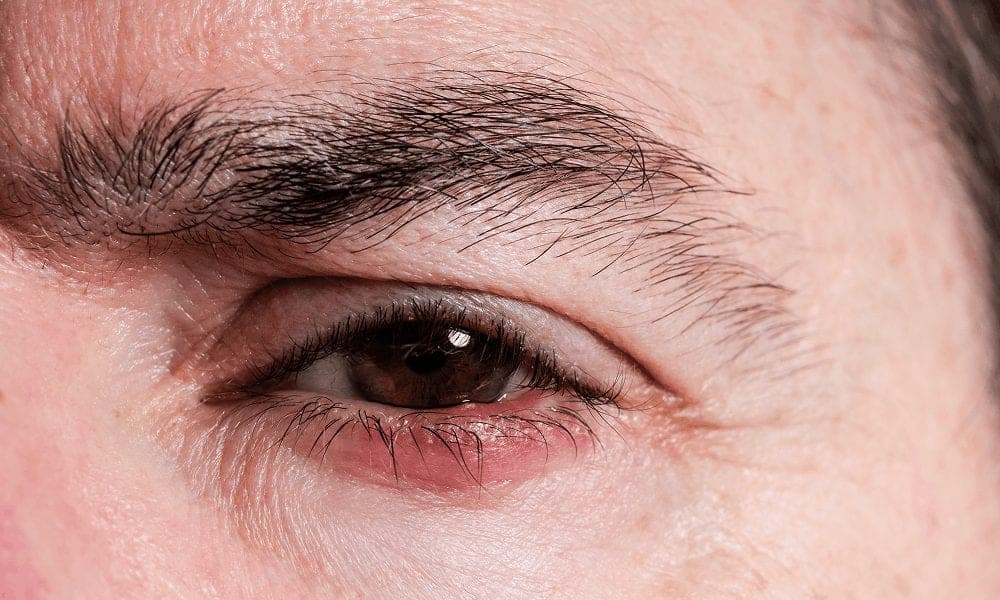
- The beginning of a stye often feels like mild tenderness or discomfort in the eyelid.
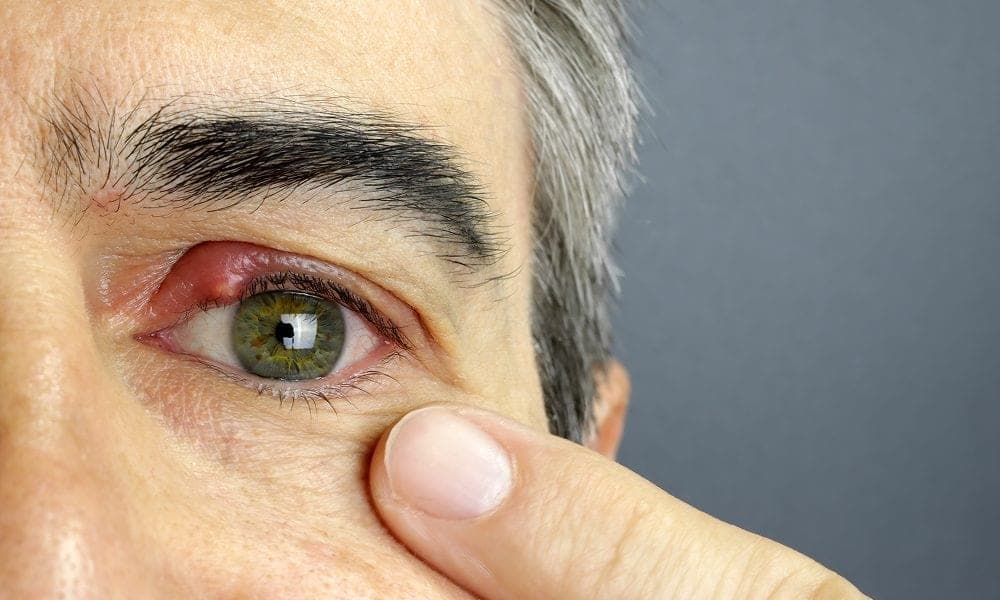
- Subsequently, there could be slight reddening or swelling, but the bump isn't yet noticeable.
2. Bump Becoming Visible
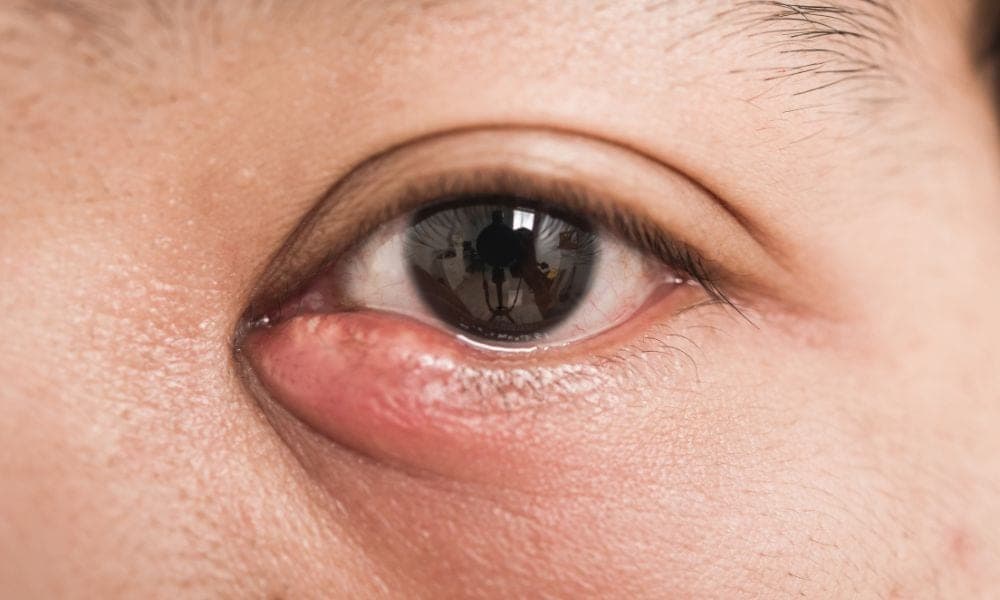
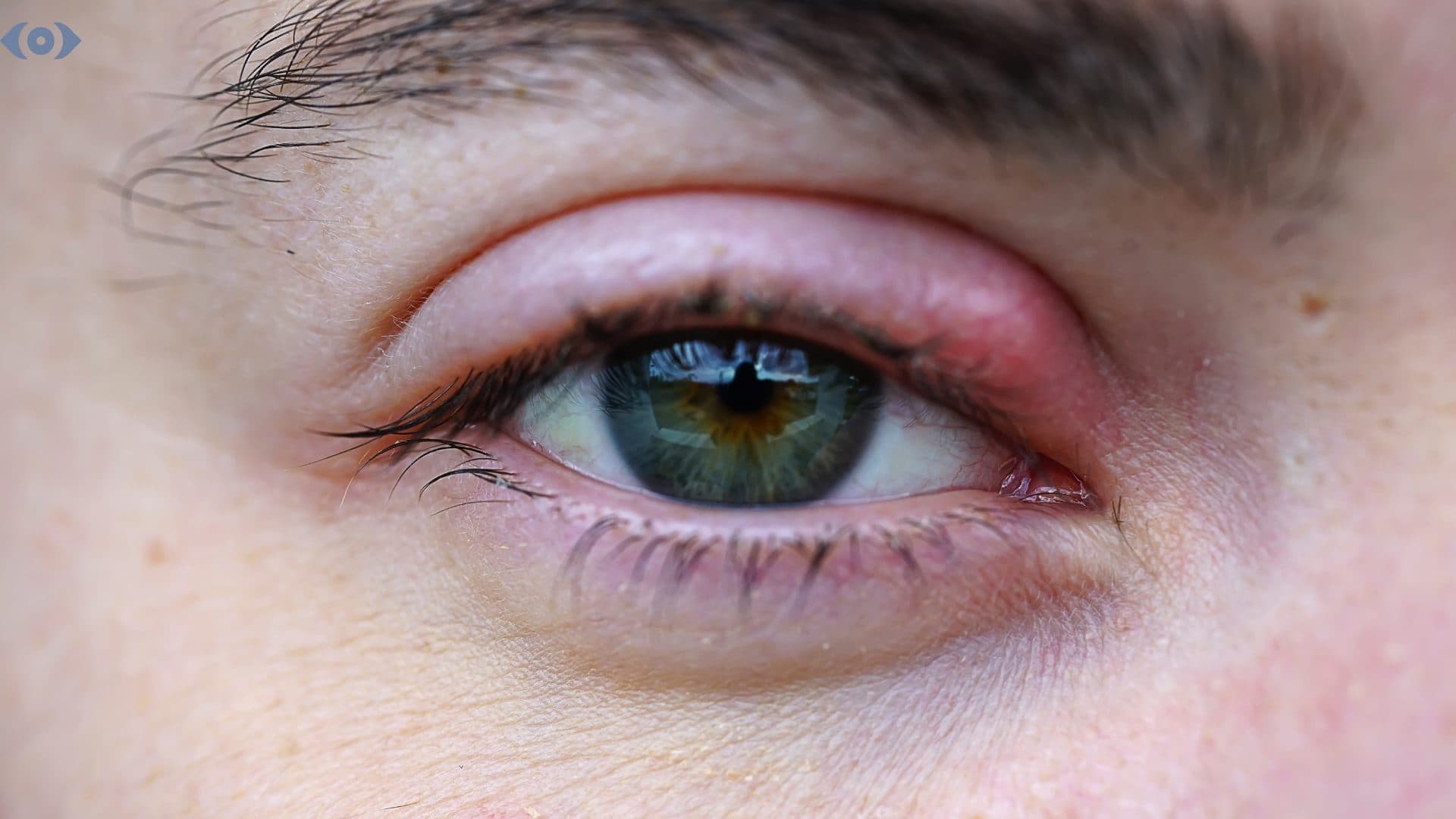
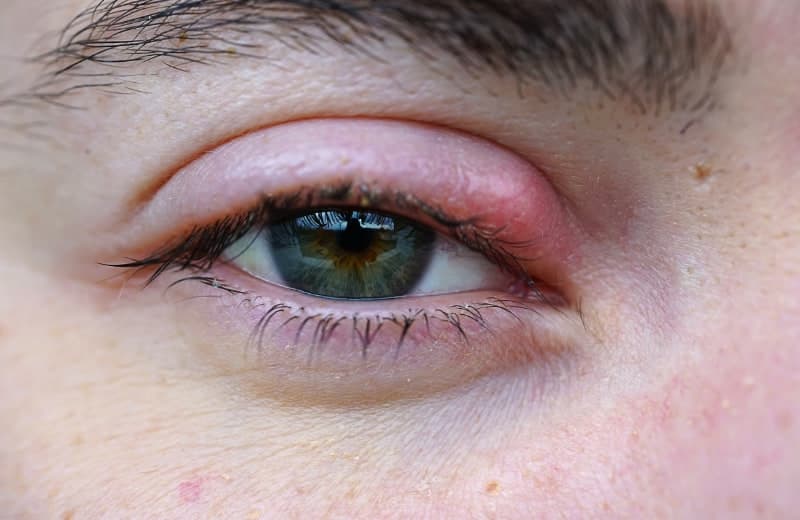
- As the condition progresses, a small, red, and often painful lump appears. This is one of the more noticeable stye stages.
- The lump may resemble a pimple, complete with a yellow or white head, indicating pus formation.
3. Peak Inflammation
- The stye is at its largest size, with greater swelling and pain.
- It can swell the eyelid very much, even obstructing the view in extreme cases.
4. Drainage and Healing
- The stye may start draining with the right care or as part of the natural course, releasing pus and relieving pressure.
- Healing starts, although residual swelling might persist for a few days.
Identifying Early Signs of Eye Stye
Spots the stye in its early stages can avoid the condition from worsening. Typical symptoms include:- Mild itchiness or tenderness around the eyelid.
- Minimal redness or swelling that feels sensitive to the touch.
- Feeling of having something "lodged" in the eye, even when there is nothing present.
Causes and Risk Factors
The early stages of eye stye are usually caused by bacterial infections. Some of the risk factors include:- Poor hygiene of the eyelids, which creates an environment for bacteria to multiply.
- Using old or expired cosmetics.
- Rubbing your eyes frequently, transferring dirt and bacteria.
- Chronic conditions such as blepharitis, which is inflammation of the eyelids.
Early Stages of Eye Stye Treatment
The early stages of eye stye should be treated to reduce pain and prevent complications. Here are some effective remedies:1. Warm Compress
- Apply a clean, warm cloth to the affected area for 10-15 minutes several times a day.
- This dissolves clogged oils and allows for natural drainage.
2. Eyelid Hygiene
- Clean your eyelid with diluted baby shampoo or an eyelid scrub.
- Be gentle, avoid harsh chemicals, and avoid scrubbing too hard.
3. Nonprescription Treatments
- Follow your chemist's instructions when using antibiotic eye drops or ointments for small infections.
4. Don't Pick at the Stye
- Even if it's tempting, squeezing could make the infection spread and inflammation worse.
5. Seek Medical Attention
- See a doctor for further evaluation and treatment options if the stye does not subside or becomes worse after one week.
Prevention Tips for Stye Early Stages
You may lessen the likelihood of getting a stye by:- Avoid touching your eyes and washing your hands often.
- Make sure to remove any makeup before you go to sleep.
- Replace mascara and eyeliner frequently to minimise bacterial accumulation.
- Maintain good contact lens hygiene, if applicable.
Common Misconceptions About Styes
Despite their ubiquity, misconceptions concerning styes remain. Let's clarify a few:- Myth: Styes are produced by stress.
- Myth: Styes are infectious.
- Myth: Popping a stye will help it heal quicker.
When to See a Doctor
While most styes will resolve with home care, there are some signs that require professional attention:- Persistent swelling or pain for more than a week.
- Vision changes or excessive discharge from the stye.
- Recurring styes, which may indicate an underlying condition.
Conclusion
The early stages of eye stye may seem minor, but recognizing and addressing them early can spare you significant discomfort. From understanding the stye early stages to implementing effective beginning stages of eye stye treatment, proactive care is key. Remember, simple habits like maintaining eyelid hygiene and avoiding eye rubbing can go a long way in preventing styes altogether.Good to know
Frequently asked questions
Still unsure? Our team is glad to talk you through anything before you book.
- The initial stage of a stye usually involves mild tenderness, redness, and swelling near the eyelid.
- A stye usually runs its course through its stages in 7-10 days, although proper care can speed up recovery.
- Yes, many styes resolve on their own, especially when treated early in the stye stages with warm compresses and hygiene.
- No, styes are not infectious; however, transferring makeup or rubbing the affected region may cause infection due to the transfer of bacteria.
- In case of non-recovery within a week and causing intense pain with serious vision impairment, see a doctor.