Ptosis (Droopy Eyelid): Symptoms and Causes
Ptosis is a drooping of the upper eyelid, in one eye or both. In adults it is most often caused by the muscle that lifts the lid stretching with age. It is usually not serious, but it can block your vision. A droop that appears suddenly, especially with double vision or a headache, needs urgent medical attention.
Accredited & recognised by







Ptosis at a glance
- What it is
- A drooping upper eyelid, caused by a problem with the muscle that lifts it or its nerve supply.
- How common
- Common in older adults, and some children are born with it.
- Is it serious?
- Usually not, but a droop that appears suddenly can be a sign of a nerve or brain problem.
- Does it go away?
- Age-related ptosis does not improve on its own and often slowly gets worse.
- When to get it checked
- Urgently if it is sudden. Otherwise if it blocks your vision or you are unhappy with how it looks.
What is ptosis?
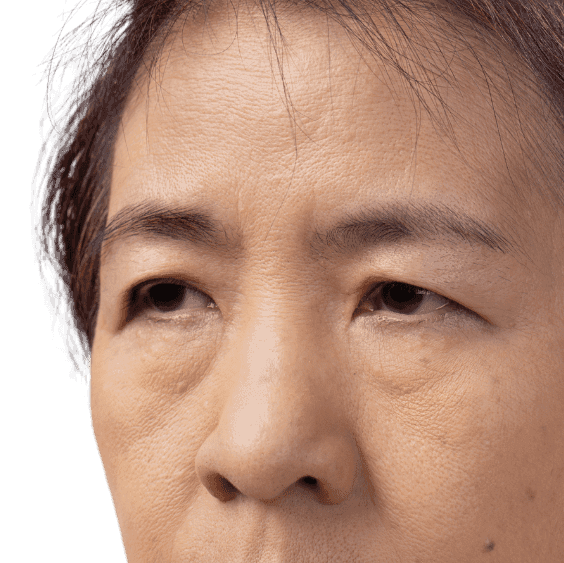
Ptosis (pronounced toe-sis) is the medical name for a droopy upper eyelid. In a ptosis eye, the edge of the lid sits lower than normal, so it covers more of the coloured part of the eye and, in more severe cases, part of the pupil. It can affect one eye, such as a droopy right eye, or both, and it can be mild and mainly cosmetic or severe enough to block your vision.
In adults the most common type is age-related ptosis, where the tendon of the levator muscle, which lifts the lid, stretches or thins. Long-term contact lens wear, eye surgery and injury can do the same. Less often, ptosis is present from birth or is caused by a nerve or muscle condition, which is why it is always assessed properly before treatment.
In children, a droopy eyelid that covers the pupil can stop vision developing normally, so it needs assessing early.
Ptosis symptoms
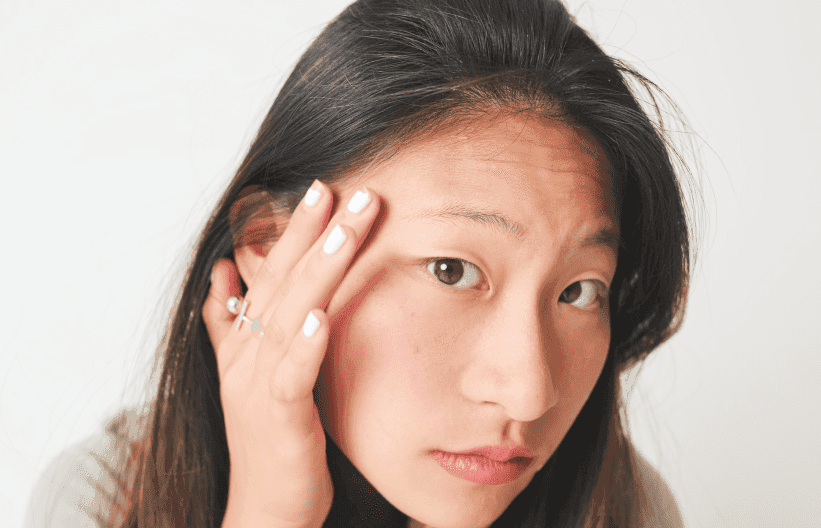
Ptosis usually comes on gradually. Signs include:
A lower upper eyelid
One or both lids sit lower than before, so the eye looks smaller or sleepier.
Tilting your head back
Lifting your chin to see under the lid, especially when reading.
Raising your eyebrows
Using your forehead to lift the lids, which can cause forehead ache or headaches by the end of the day.
A blocked upper field of vision
The lid edge covering part of the pupil, so the top of your vision is cut off.
Tired, heavy-feeling eyes
A sense of heaviness in the lids, often worse later in the day.
Uneven eyes
One eye looking smaller than the other when only one lid is affected.
Ptosis causes
Age-related stretching
The most common cause in adults: the tendon of the lifting muscle stretches or loosens from the lid.
Contact lens wear
Years of putting in and taking out contact lenses can stretch the tendon.
Previous eye surgery
Cataract or other eye surgery can occasionally lead to a droop afterwards.
Present from birth
Congenital ptosis is caused by a lifting muscle that did not develop fully.
Injury
A blow to the eye or eyelid can damage the muscle or its tendon.
Nerve problems
A third nerve palsy or Horner syndrome can cause a droop, often with changes in the pupil or eye movements.
Muscle conditions
Myasthenia gravis causes a droop that varies, is often worse when tired and can come with double vision.
Swelling or a lump
A chalazion, swelling or, rarely, a growth in the lid or eye socket can weigh the lid down.
Ptosis or hooded eyelids?
The two are often confused, and many people have both. Read more about hooded eyelids.
| Ptosis | Hooded eyelids | |
|---|---|---|
| What is lower | The edge of the eyelid itself | Extra skin folding over a lid at a normal height |
| Cause | A stretched or weak lifting muscle, or a nerve problem | Loose skin and a lowering brow with age |
| What you see | Less of the coloured part of the eye, covered by the lid edge | A fold of skin over the crease, sometimes resting on the lashes |
| Treatment | Ptosis surgery to tighten the lifting muscle | Upper blepharoplasty to remove excess skin, sometimes with a brow lift |
Is a droopy eyelid serious? When to get help
Most droopy eyelids develop slowly and are not dangerous. A sudden droop is different.
Call 999 or go to A&E if
- The eyelid droops suddenly, over hours or a day or two
- It comes with double vision, a severe headache, a large pupil or eye pain
- It comes with weakness, numbness or drooping on one side of the face, or difficulty speaking
- It follows a head injury
Book an assessment if
- The eyelid is slowly getting lower
- It covers part of your vision, or you tilt your head back to see
- Your child's eyelid covers part of the pupil
- You are unhappy with how it looks
A droop that varies through the day, or comes with tiredness in other muscles, should be checked by your GP, as it can be a sign of myasthenia gravis.
How ptosis is diagnosed at Perfect Eyes
The assessment finds out what kind of ptosis you have, because that decides whether and how it is treated.
- Step 1
Your history
When the droop started, whether it was sudden or gradual, and about contact lenses, eye surgery, injury, double vision and whether it changes through the day.
- Step 2
Measuring the eyelids
Dr Sabrina measures the lid height and how well the lifting muscle works, compares both sides and checks the crease, brow, pupils and eye movements.
- Step 3
Further tests if needed
A visual field test and photographs record how much the lid affects your sight. If a nerve or muscle cause is suspected, you are referred for tests before any surgery.
Treatment for ptosis
Ptosis Surgery
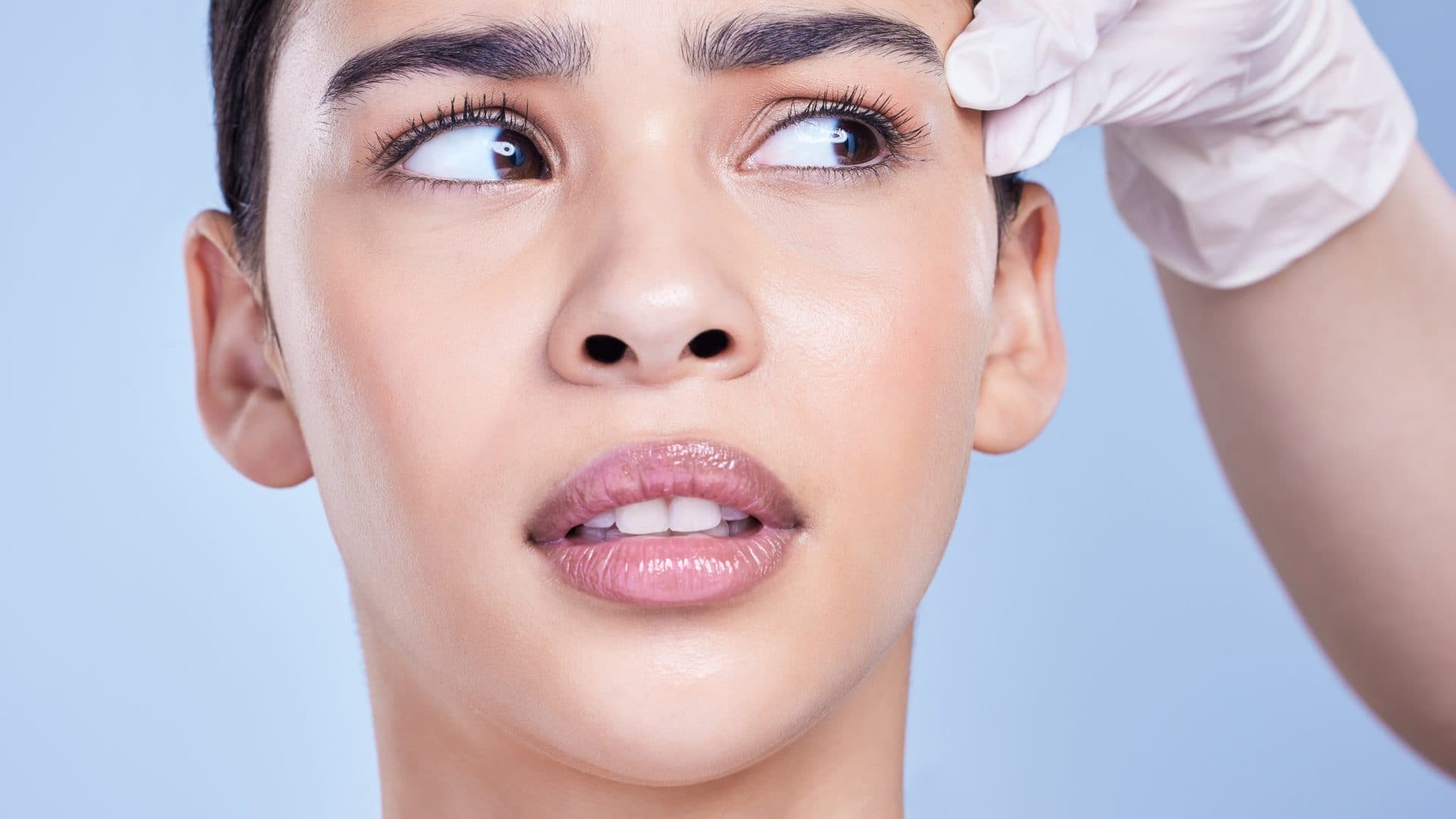
Ptosis surgery tightens or reattaches the muscle that lifts the eyelid. Dr Sabrina usually uses a scarless technique from inside the eyelid, under local anaesthetic as a day case, so the lid height can be checked and adjusted during the operation.
Living with a droopy eyelid
Ptosis cannot be reversed at home, but these steps make a mild droop easier to live with while you decide on treatment.
What helps
- Taking breaks from reading and screens if your eyes feel heavy
- Lubricating eye drops if your eyes feel dry
- Good light for reading, so you squint less
- Handling contact lenses gently and following your optician's advice on wear
What to avoid
- Taping the eyelid up for long periods, which can dry the eye
- Rubbing or pulling on the eyelids
- Relying on creams or eyelid exercises: they cannot tighten the lifting muscle
- Driving if the lid blocks your view of the road, until it has been checked


Meet the Expert: Dr Sabrina Shah-Desai
MS, FRCS (Ed) Ophth
Dr Sabrina Shah-Desai, MS, FRCS (Ed) Ophth is a multi-award-winning Oculoplastic Reconstructive Surgeon and Aesthetic Practitioner specialising in reconstructive, revisional, and cosmetic surgery of the eyelids, as well as non-surgical treatments for the eyes and face. With 25 years of surgical and 17 years of non-surgical experience, she is globally recognised for her pioneering, minimally invasive techniques.
Listed in Tatler’s Beauty & Cosmetic Surgery Guide every year from 2019 to 2026, she is known as the “go-to” surgeon for discerning patients seeking subtle, natural results, and is highly sought after for revisional procedures by those who have undergone previous fillers or eyelid surgeries.
- Listed on the Royal College of Surgeons of England register of Board-Certified Cosmetic Surgeons
- Listed in Tatler’s Beauty & Cosmetic Surgery Guide every year from 2019 to 2026
- 25 years of surgical and 17 years of non-surgical experience
Frequently asked questions
Call or email us today, we would be delighted to answer your questions.
Every surgical treatment has some risk. However, you can be sure you are in competent and safe hands with us. We will go over any potential issues and side effects during your appointment. Some of them include:
- Infection
- Scarring
- Large bruise or haematoma
- Asymmetry of eyelid shape, height, upper lid fold, or fullness
- Blood-stained tears (temporary)
- Recurrence of ptosis
- Contralateral ptosis
- Exposed stitches causing discomfort or a pricking sensation
- Eyelids can start drooping at any age. Most cases of involutional drooping eyelids happen in people over 40. But drooping can happen earlier too, depending on the cause.
- Lack of sleep can make people look more tired, with droopy eyelids, red eyes, and dark circles. It can also cause more wrinkles around the eyes and make the corners of the mouth droop, which may make a person look more sad.
The main symptom of ptosis, or a droopy eyelid, is when one or both upper eyelids sag or droop. This can lead to other signs including:
- Blurred vision
- Dry eyes
- Watery eyes
- Eye discomfort
- Headaches
- There are different types of sagging eyelids, but the most common one happens when the muscle that raises the eyelid gets too stretched out, usually due to getting older. Excessively rubbing your eyes or pulling on your eyelids because they're irritated, or from wearing contact lenses for a long time, can also cause this issue.
- Sometimes, a sagging eyelid can improve without any treatment. If the drooping eyelid isn't causing any problems, a person might not need to do anything about it. The treatment options are determined by the cause of the drooping eyelid, the severity of the condition, and the patient's age.
- You can try some natural remedies like using cold compresses, cucumber slices, chamomile tea bags, and serums to help tighten and firm the skin around your eyelids.
Sources
- Ptosis correction (adults)Cambridge University Hospitals NHS Foundation Trust
- Adult age related ptosisMilton Keynes University Hospital NHS Foundation Trust
- Myasthenia gravisNHS
Rated five stars by patients across the globe
4.9out of 5 from 250+ Google reviews
Other eyelid conditions
Related Blogs
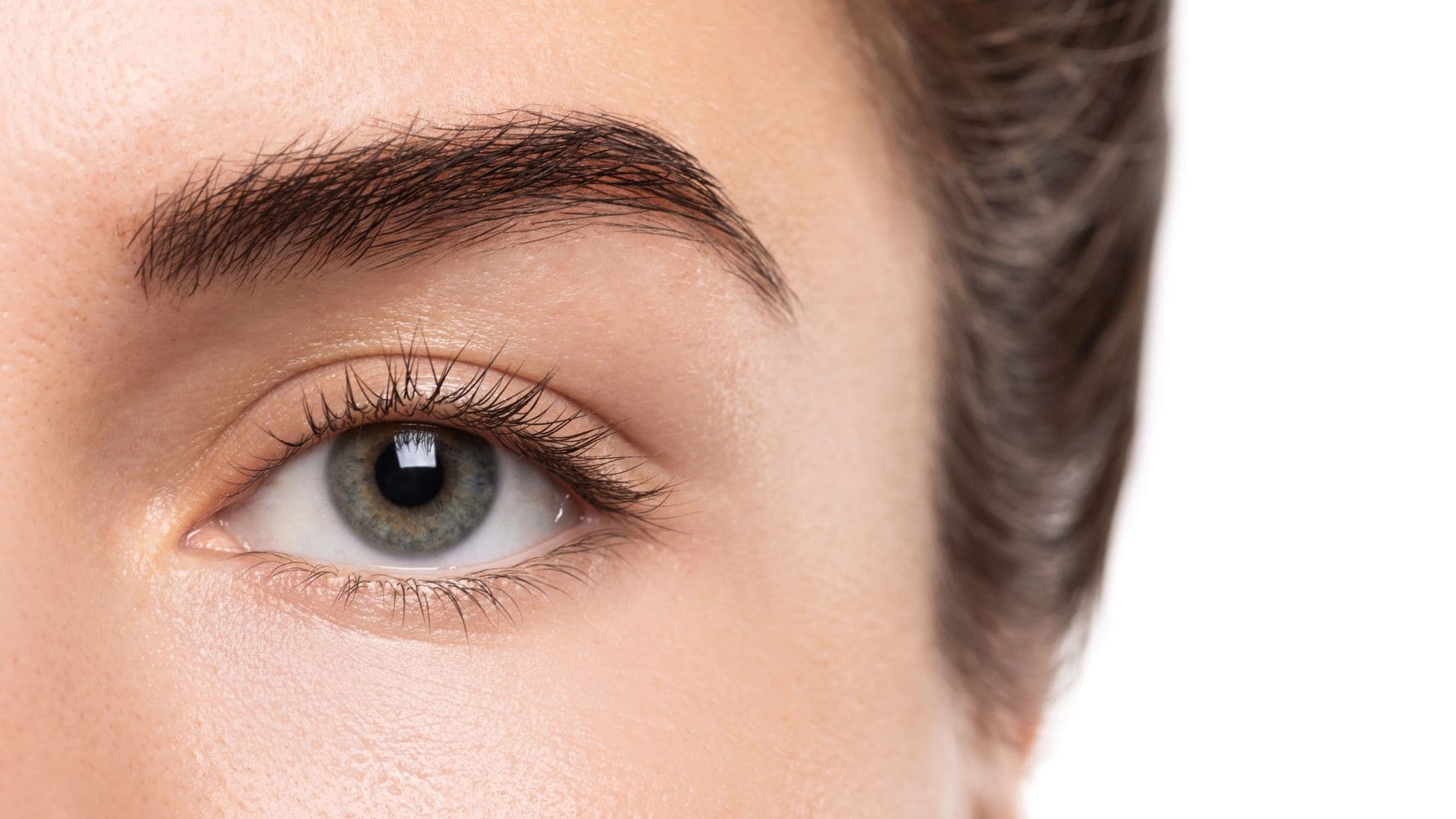
How To Fix Droopy Eyelids Without Surgery?
Droopy eyelids are also known as skin or eyelid ptosis. It can be bothersome and make you look older. Things like genetics, getting older, and…
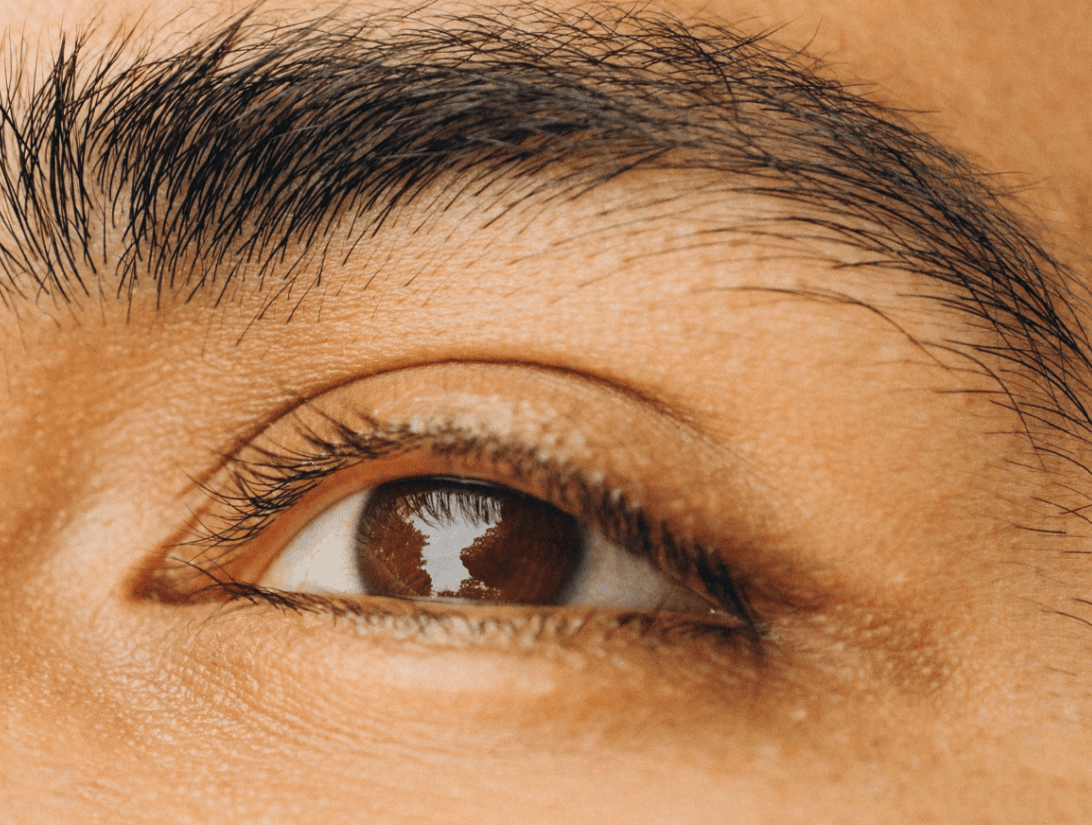
Upper Eyelid Heaviness: When Is It Worth Having an Assessment?
Heavy upper eyelids are a common concern. For some people, the change is mainly cosmetic, making the eyes look tired or less open. For others,…
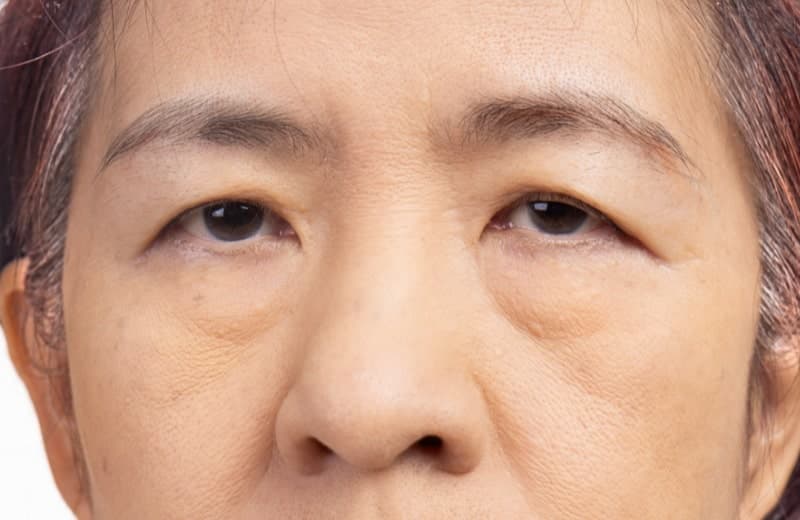
Sudden Droopy Eyelids: Causes, Symptoms, and Diagnosis
Droopy eyelids occur when the upper eyelid sags more than usual. This can be due to the eyelid itself sitting lower than normal (ptosis) or because…
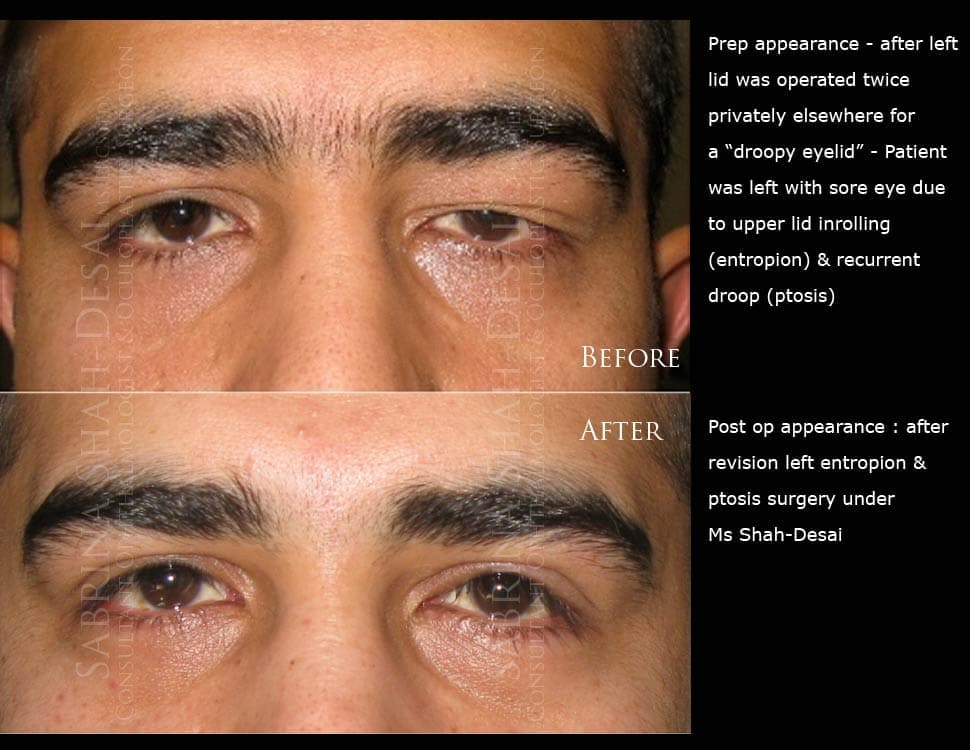
Case study for revision droopy eyelid (ptosis) surgery
"I was initially operated on by a Harley Street surgeon to correct a droop (ptosis) in my left eyelid. Two unsuccessful surgeries by the original…
Brow Position and Facial Ageing: What Patients Ask Us
As we age, changes around the forehead, eyebrows and upper eyelids can alter the appearance of the entire upper face. Some people notice that their…
Thyroid Eye Disease and Eyelid Changes: A Patient Guide
Thyroid eye disease (TED) is an autoimmune condition that affects the tissues around the eyes. It is most commonly associated with thyroid conditions…
Book Your Consultation Today
Get personalised advice and expert care from our top medical professionals at 121 Harley Street, London.
Contact our clinic
Speak to our team about which treatment suits you, or arrange a private consultation at 121 Harley Street.