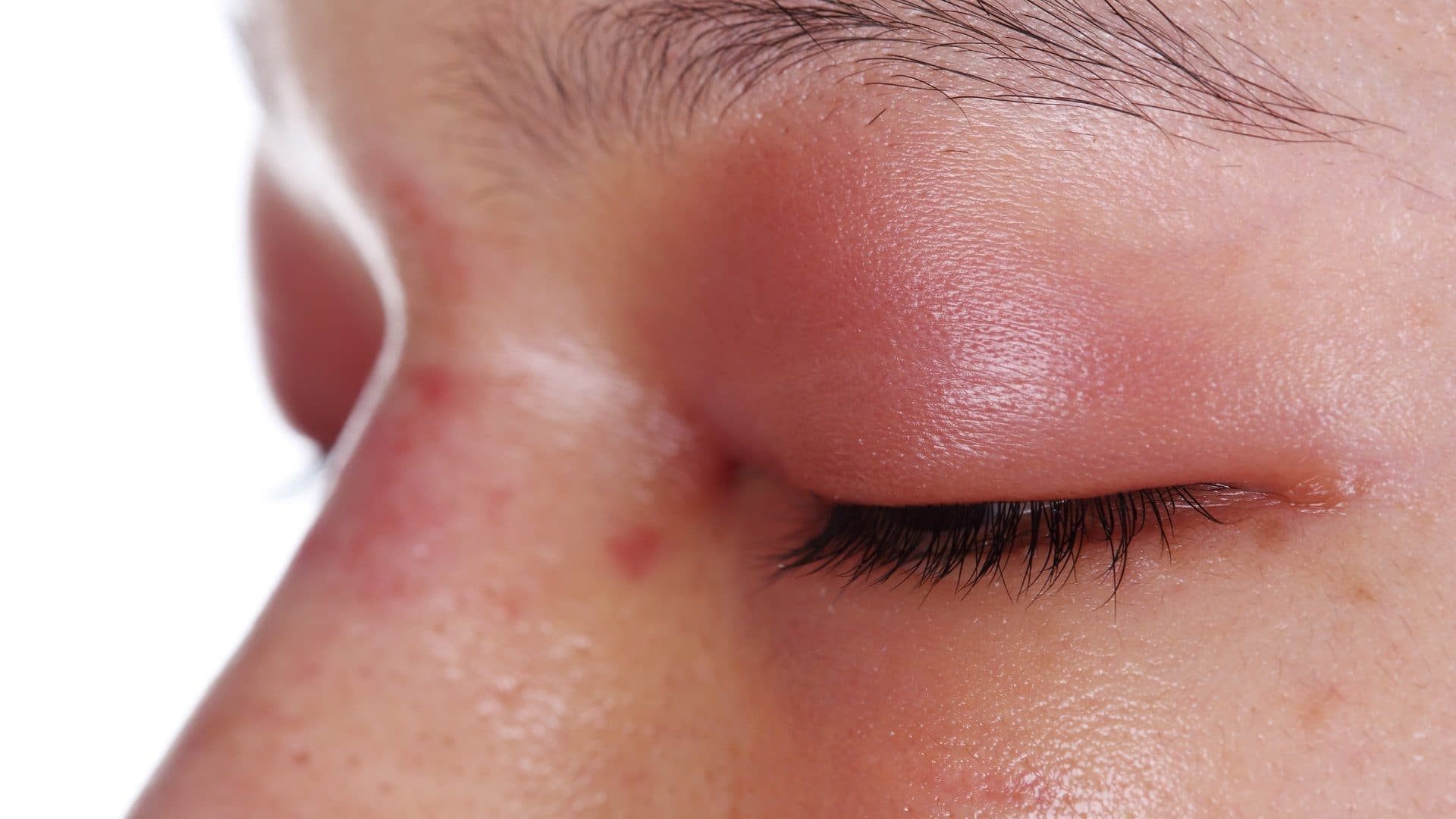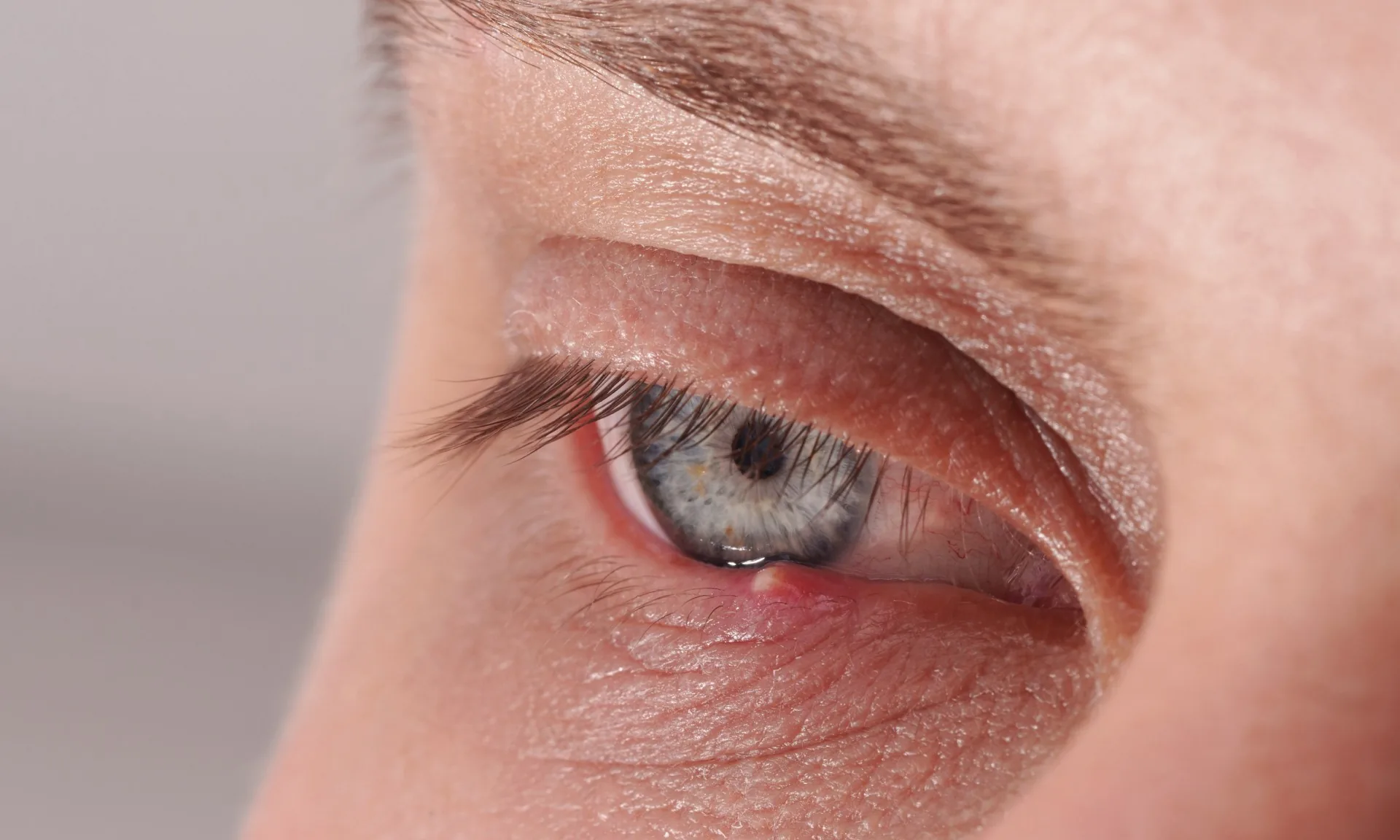
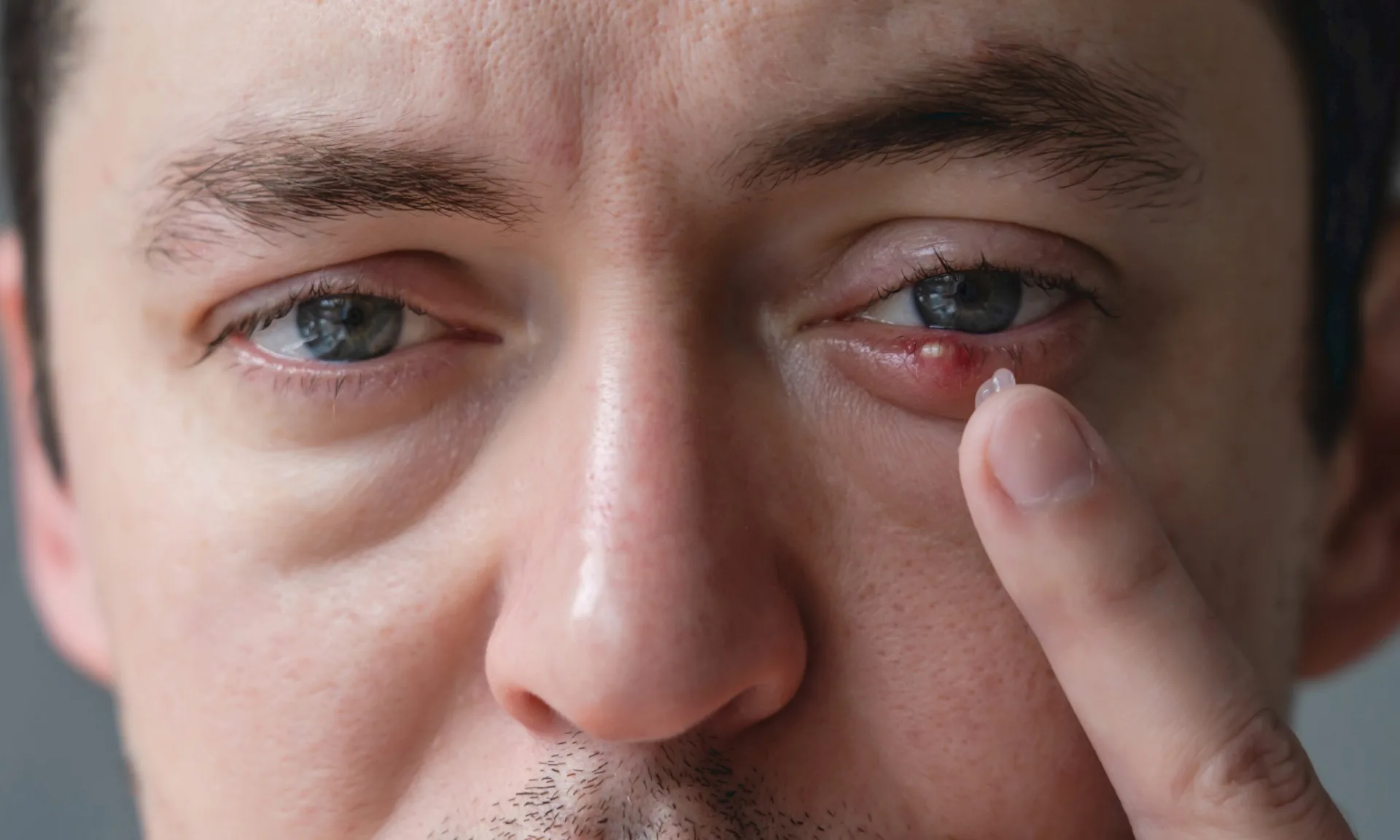
A stye, also known as a hordeolum, is a small, painful lump that develops on the eyelid or near the base of an eyelash. It usually occurs when an oil gland or eyelash follicle becomes blocked and infected, causing localised redness, swelling and tenderness.
A stye can develop on the outside of the eyelid or on its inner surface. Although it may look similar to a pimple, it is an infection involving the delicate tissues of the eyelid. Most styes improve on their own within one to two weeks, but the discomfort can make everyday activities such as blinking, reading and wearing contact lenses difficult.
If you are wondering how to get rid of a stye on the eyelid fast, the first step is to manage the inflammation safely and avoid irritating the affected area. Warm compresses and good eyelid hygiene are usually recommended. More persistent cases may require assessment and treatment by an eye specialist.
This guide explains how to manage a stye at home, which treatments are best avoided, and when professional medical care may be necessary.
How to Treat a Stye at Home
Most uncomplicated styes resolve without surgery or prescription medication. However, appropriate home care can help ease discomfort and support the natural healing process.
If you are looking for ways to get rid of a stye overnight, it is important to understand that there is no reliable way to make it disappear within a few hours. The aim of home treatment is to reduce irritation and encourage the blocked gland to drain naturally.
1. Apply a Warm Compress
A warm compress is generally the first recommended home treatment for a stye. The warmth helps soften the material blocking the oil gland and may encourage natural drainage.
To apply a warm compress:
- Wash your hands thoroughly with soap and water.
- Soak a clean, soft cloth in comfortably warm water.
- Wring out the excess water.
- Close your eye and gently place the cloth over the affected eyelid.
- Leave it in place for around 10–15 minutes, reheating the cloth if it becomes cool.
- Repeat three to four times a day.
Make sure the cloth is warm rather than hot, as the skin around the eyes is particularly delicate.
You should not press firmly on the stye or attempt to force it to drain. Gentle warmth is sufficient. Avoid using tea bags as an alternative, as they do not offer a proven advantage over a clean compress and may introduce irritants or contaminants.
2. Temporarily Avoid Wearing Contact Lenses
Contact lenses do not directly cause most styes, but wearing them while your eyelid is inflamed can increase discomfort and irritation.
It is generally best to switch to glasses until the stye has settled. This also reduces the need to handle the eye area while it is recovering.
If you experience a red or painful eye while wearing contact lenses, seek prompt advice from an eye care professional. Contact lens-related eye infections can sometimes be more serious than an ordinary stye.
3. Avoid Eye Makeup
Avoid wearing mascara, eyeliner, eyeshadow and other eye makeup until the stye has healed.
Makeup can irritate the affected eyelid, while applicators and products may become contaminated during an infection.
A few precautions can help:
- Remove eye makeup gently before going to bed.
- Avoid sharing mascara, eyeliner or makeup brushes.
- Clean reusable brushes and applicators regularly.
- Replace eye products that may have become contaminated.
- Follow the manufacturer's guidance on product expiry and replacement.
If you have used an eye makeup product directly on or near the affected area during the infection, consider replacing it to reduce the risk of recontamination.
4. Use Suitable Over-the-Counter Products Only When Needed
Some over-the-counter products may help relieve discomfort associated with a stye, but they do not necessarily treat the underlying infection.
For example:
- Artificial tears: Lubricating eye drops may help soothe irritation or a gritty sensation.
- Pain relief: Medicines such as paracetamol or ibuprofen may help manage discomfort, provided they are suitable for you and taken according to the instructions.
Antibiotic eye drops and ointments are not routinely required for an uncomplicated stye. They should only be used when recommended by a qualified healthcare professional.
Avoid using leftover prescription eye medication or steroid eye drops without medical advice. The wrong medication may aggravate certain eye conditions or delay appropriate treatment.
5. Maintain Good Eyelid Hygiene
Keeping the eyelid area clean can help reduce irritation and may be particularly useful if you experience recurrent styes.
Follow these simple habits:
- Wash your hands before touching your eyes.
- Clean the eyelid gently using a suitable eyelid cleanser if needed.
- Avoid rubbing or scratching the affected area.
- Do not share towels, face cloths or eye makeup.
- Remove makeup carefully before sleeping.
If you have blepharitis or frequently experience blocked oil glands, an eye specialist may recommend a regular eyelid hygiene routine to help manage the underlying condition.
6. Do Not Pop or Squeeze the Stye
A stye may develop a visible white or yellow spot as pus collects within the affected gland. Although it may be tempting to squeeze it, doing so can worsen the inflammation and potentially spread the infection into surrounding tissues.
Avoid using your fingers, needles or other objects to open the lump. Allow it to drain naturally or seek medical advice if it does not improve.
7. Avoid Applying Coconut Oil or Other Home Remedies
Coconut oil is sometimes suggested as a natural remedy for eyelid irritation because of its reported antibacterial and anti-inflammatory properties. However, there is insufficient clinical evidence to show that applying it to a stye helps the infection heal.
Applying oils, essential oils, tea tree oil or other unsterile substances close to the eye may cause irritation or accidentally enter the eye.
A clean warm compress remains a safer and better-established home-care option.
How to Get Rid of a Stye Fast with Medical Treatments
Most styes improve with home care. However, if the lump becomes increasingly painful, does not settle or repeatedly returns, an eye specialist may recommend further assessment and treatment.
The appropriate treatment depends on the type of eyelid lump and whether there is an active infection or a persistent blocked gland.
Stye vs Chalazion: Understanding the Difference
A stye and a chalazion can look similar, but they develop for different reasons.
A stye is usually an acute infection of an eyelash follicle or an oil gland. It tends to be painful, red and tender.
A chalazion develops when an oil gland becomes blocked and inflamed. It is generally less painful and may remain as a firm lump within the eyelid for several weeks.
Sometimes, a stye settles but leaves behind a blocked gland, which can develop into a chalazion.
| Feature | Stye | Chalazion |
| Main cause | Infection of an eyelash follicle or oil gland | Blockage and inflammation of an oil gland |
| Pain | Usually painful and tender | Usually painless or mildly tender |
| Appearance | Red, swollen lump, sometimes with a visible point of pus | Firm lump within the eyelid |
| Onset | Often develops over a short period | May develop gradually |
| Duration | Often settles within one to two weeks | Can persist for several weeks or longer |
| Initial treatment | Warm compresses and eyelid hygiene | Warm compresses and eyelid hygiene |
| Further treatment | Medical assessment if persistent or worsening | Further treatment may be considered if persistent or troublesome |
An examination can help distinguish between the two conditions and determine whether additional treatment is necessary.
1. Medical Assessment and Prescription Antibiotics
Antibiotics are not needed for every stye. However, if a clinician identifies an infection that is spreading beyond the affected gland, prescription treatment may be recommended.
Depending on the examination findings, this may involve topical or oral antibiotics. Oral medication may be necessary if the infection spreads into the surrounding eyelid tissues.
The choice of medication depends on the extent of the infection and the patient's individual circumstances. Antibiotics should only be used under appropriate medical guidance.
2. Chalazion Treatment (Stye Removal)
If a stye develops into a persistent chalazion, or a blocked gland does not resolve with conservative treatment, an eye specialist may discuss a minor procedure.
Chalazion removal treatment is a procedure used to remove the contents of a persistent eyelid lump.
It is commonly performed under local anaesthetic. A small incision is generally made on the inner surface of the eyelid, allowing the specialist to drain or remove the trapped material. Placing the incision inside the eyelid usually avoids a visible external scar.
The procedure is generally carried out as an outpatient treatment, so patients can usually return home on the same day. Recovery varies depending on the size of the lump and the individual's healing response.
You can also read more about chalazion healing stages and how long a chalazion lasts to understand what to expect during recovery.
It is important to remember that not every stye requires surgical drainage. The procedure is generally considered for persistent or troublesome lumps after an appropriate assessment.
3. Steroid Injections for a Persistent Chalazion
If a stye has developed into a chalazion, a specialist may consider a corticosteroid injection in selected cases.
The injection is intended to reduce inflammation within the blocked gland. It may be an option for certain persistent chalazia, depending on their size, location and clinical characteristics.
Steroid injections are not a routine treatment for an active bacterial stye. They are also not suitable for everyone, so an eye specialist must first establish the diagnosis and discuss the potential benefits and risks.
Steroid eye drops and creams should not be used around the eyes unless specifically prescribed. Their suitability depends on the underlying condition and requires medical supervision.
When Should You See a Doctor for a Stye?
Although most styes are not serious, some symptoms indicate that professional assessment is necessary.
Arrange an appointment with an eye specialist if:
- The stye does not begin to improve after a few days of regular warm compresses.
- The lump persists for around one to two weeks.
- The swelling becomes increasingly painful or severe.
- The stye repeatedly returns, particularly in the same location.
- The lump interferes with blinking or causes persistent discomfort.
- You are unsure whether the swelling is a stye, chalazion or another eyelid condition.
When Do You Need Urgent Medical Attention?
Seek urgent medical advice if you experience:
- Redness or swelling that spreads beyond the eyelid.
- Fever or feeling generally unwell alongside worsening eyelid swelling.
- Significant pain in the eye itself.
- Blurred or reduced vision.
- Marked sensitivity to light.
- Pain or difficulty when moving the eye.
- Bulging of the eye or severe swelling that makes it difficult to open.
These symptoms may indicate a more serious infection or another eye condition that needs prompt treatment. Do not rely on home remedies if any of these warning signs develop.
How to Prevent Styes from Coming Back
While it is not always possible to prevent a stye, good eyelid hygiene and a few everyday precautions may help reduce the risk of recurrence.
Wash your hands regularly: Always clean your hands before touching your eyes, applying eye products or handling contact lenses.
Remove eye makeup before sleeping: Leaving mascara or eyeliner on overnight can contribute to irritation and the build-up of debris around the eyelids.
Keep makeup products clean: Avoid sharing eye makeup and replace products that are old or contaminated.
Follow contact lens hygiene instructions: Clean and store reusable lenses correctly, and replace them according to the recommended schedule.
Avoid rubbing your eyes: Rubbing can irritate the eyelids and transfer bacteria from your hands.
Manage underlying eyelid conditions: If you have blepharitis or recurrent blocked oil glands, follow the eyelid care routine recommended by your eye specialist.
Seek advice for recurrent styes: Repeated episodes may be associated with underlying eyelid inflammation or gland dysfunction. Addressing these problems can help reduce future flare-ups.
Looking After Your Eyelid Health
A stye can be uncomfortable, but most cases improve with simple care and time. Applying warm compresses, maintaining good eyelid hygiene and avoiding makeup or contact lenses while the eyelid is inflamed can help support recovery.
However, a persistent or recurring lump should not be ignored. It may be a chalazion or another eyelid condition that requires a different approach to treatment.
At Perfect Eyes Clinic, patients can seek an assessment for persistent styes, chalazia and other eyelid concerns. Following an examination, the appropriate treatment options can be discussed based on the condition and individual needs.
If your stye is not improving or is causing ongoing discomfort, consider arranging an assessment with a qualified eye care professional.
Frequently asked questions
Still unsure? Our team is glad to talk you through anything before you book.
- The most commonly recommended home treatment is a warm compress. Apply a clean, comfortably warm cloth to the closed eyelid for 10–15 minutes, three to four times daily. This may help soften the blocked gland and encourage natural drainage. There is no guaranteed way to make a stye disappear overnight.
- A stye is unlikely to disappear completely overnight. Some people may notice temporary relief in discomfort after using a warm compress, but the swelling and lump usually take several days or longer to settle.
- Most uncomplicated styes improve within a few days and resolve within approximately one to two weeks. However, the healing time can vary. If the lump persists, becomes more painful or repeatedly returns, seek an eye specialist's advice.
- A warm compress is generally preferred because it helps soften the contents of the blocked gland and may encourage drainage. A cold compress may temporarily soothe discomfort but does not have the same role in managing a blocked oil gland.
- Not every stye requires antibiotics. Many resolve with warm compresses and good eyelid hygiene. A clinician may prescribe antibiotics if there is evidence of a spreading infection or another specific medical reason.
- It is best to avoid eye makeup until the stye has healed. Makeup and applicators may irritate the affected eyelid or become contaminated. Resume using eye products once the infection has settled, replacing products that may have been contaminated where appropriate.
- It is generally advisable to switch to glasses until the stye and associated irritation have resolved. If you experience a red or painful eye while wearing contact lenses, seek prompt medical advice, as this may indicate a more serious eye infection.
- Most styes do not require surgery. They usually settle with conservative care. If a persistent lump develops into a chalazion and does not improve, an eye specialist may consider a minor procedure to drain or remove it.
- Yes. Sometimes the infection associated with a stye settles, but the oil gland remains blocked. This can leave a firmer, less painful lump known as a chalazion. A specialist can assess whether further treatment is needed.
- Recurrent styes may be associated with blepharitis, ocular rosacea, blocked oil glands or eyelid hygiene issues. If you frequently develop styes, an eye specialist can examine your eyelids and recommend ways to manage any underlying condition.