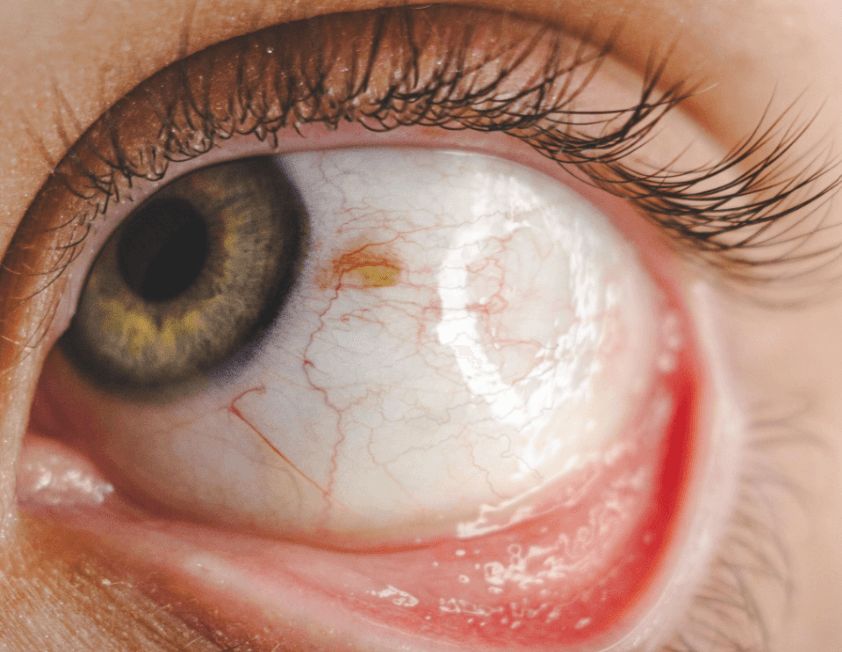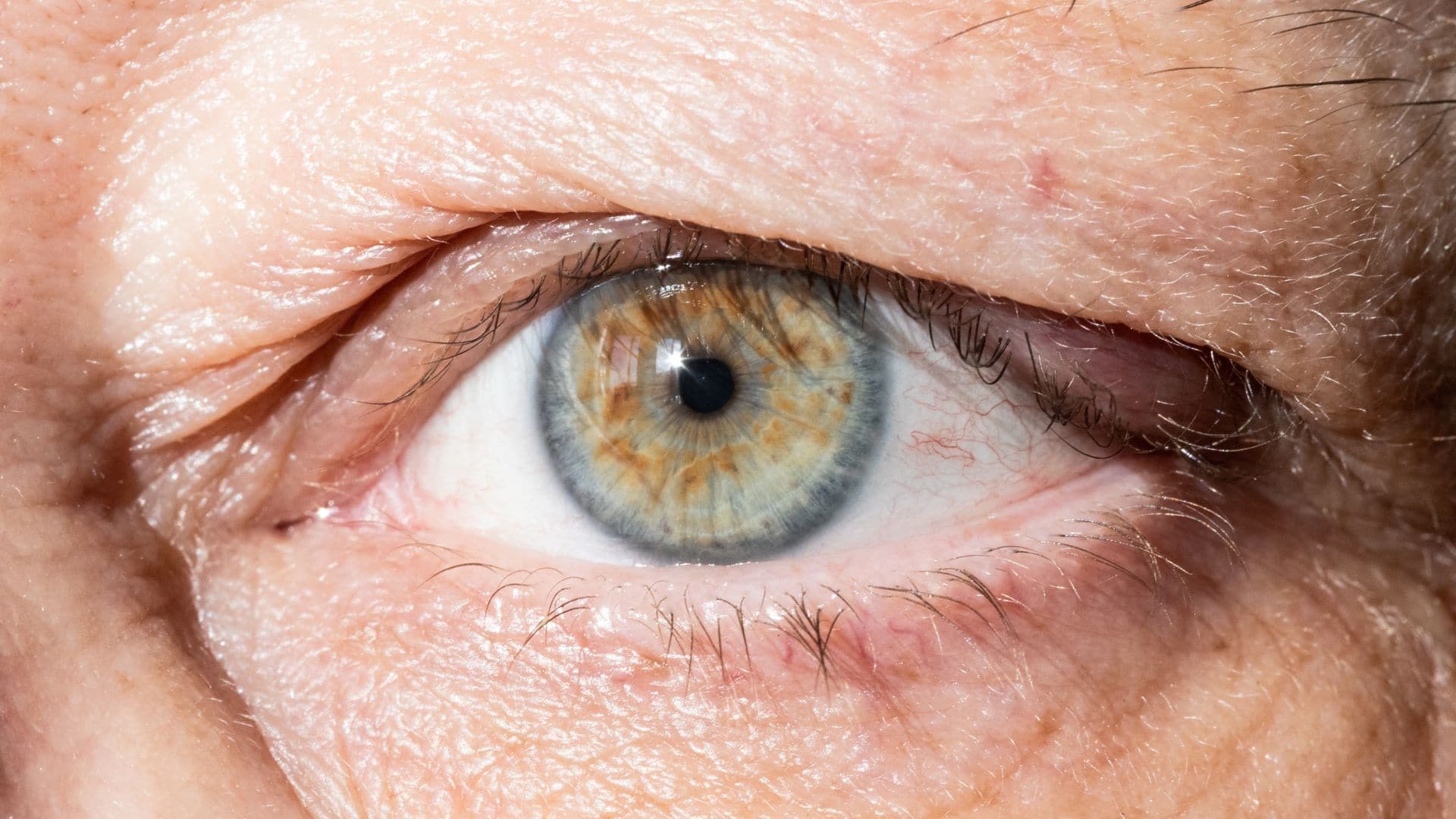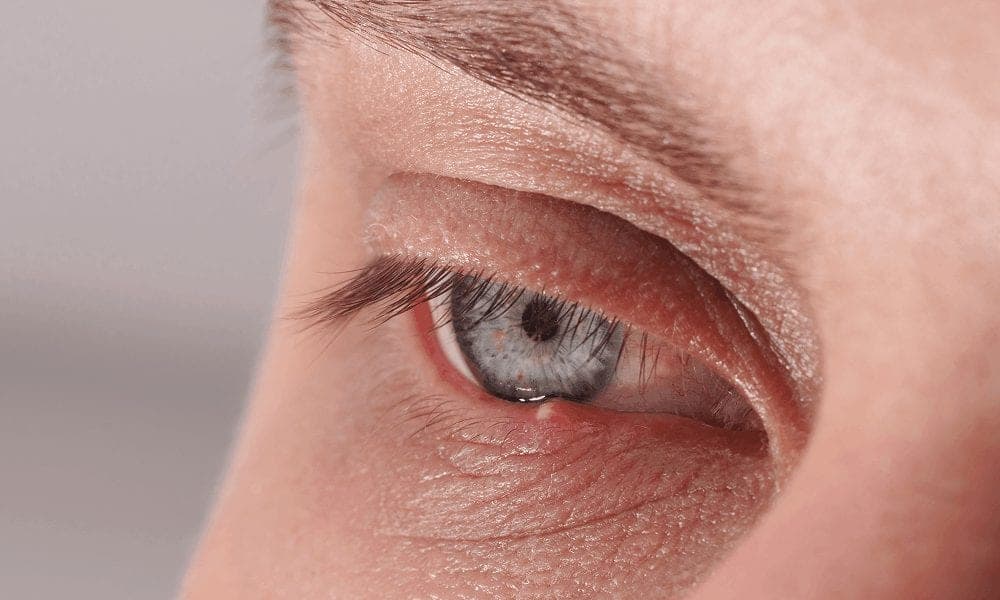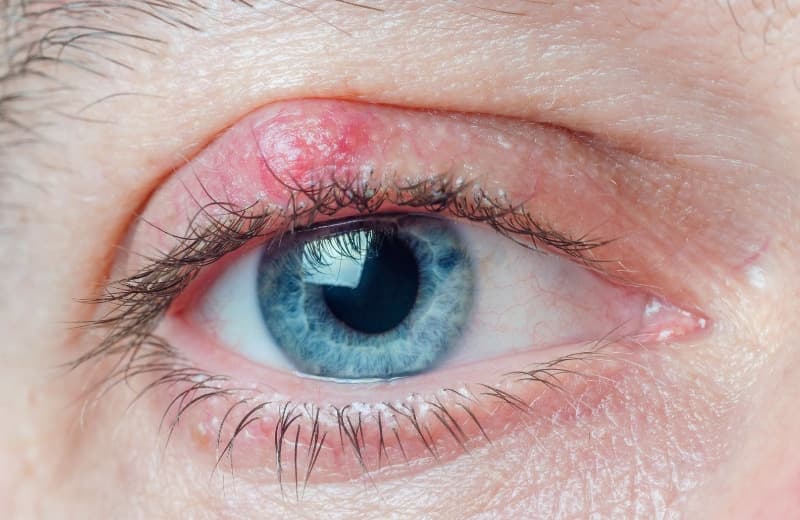
An eyelid lump can appear suddenly and may be painful, swollen or simply noticeable when you look in the mirror. While many eyelid lumps are caused by common conditions such as styes or chalazia, there are several other possible causes.
Most eyelid lumps are not serious and may settle with time. However, a lump that persists, grows, repeatedly returns or is associated with changes in vision should be assessed by an appropriate eye-care professional.
Understanding the different types of eyelid lumps can help you recognise what may be happening and know when it is worth seeking advice.
At Perfect Eyes Clinic, an assessment can help establish the cause of a persistent or unusual eyelid lump and determine whether further treatment or investigation may be appropriate.
What Is an Eyelid Lump?
An eyelid lump is a localised swelling, bump or area of thickening affecting the upper or lower eyelid.
It can occur:
- Along the eyelid margin
- Around the eyelashes
- Within the eyelid
- Under the skin
- Near the inner or outer corner of the eye
The appearance and symptoms can vary considerably depending on the cause.
An eyelid lump may be:
- Painful or painless
- Red or skin-coloured
- Soft or firm
- Small or relatively large
- Sudden or gradual in onset
- Temporary or persistent
These characteristics can provide clues, but an examination may be needed to establish the diagnosis.
Common Types of Eyelid Lumps
Some of the more common causes include:
- Stye
- Chalazion
- Blocked eyelid glands
- Cysts
- Benign skin lesions
- Inflammatory conditions
- Less common eyelid lesions
Not every lump is a stye or chalazion, particularly if it does not behave as expected.
1. Stye
A stye, or hordeolum, is a localised area of inflammation or infection involving an eyelid gland.
It often develops relatively quickly and may appear as a red, tender bump close to the eyelash line.
Typical symptoms include:
- Pain or tenderness
- Redness
- Swelling
- A small pimple-like bump
- Watering
- Occasionally, discharge or pus
Styes often settle as the acute inflammation improves.
What causes a stye?
Styes can develop when bacteria and inflammation affect an eyelid gland. They may be associated with factors such as eyelid inflammation, blocked glands, touching or rubbing the eyes and inadequate eyelid hygiene.
People who experience blepharitis may also be more prone to recurrent styes.
2. Chalazion
A chalazion is a firm lump caused by blockage of an oil-producing gland within the eyelid.
Unlike a typical stye, a chalazion is usually not acutely infected.
It may begin with some swelling or inflammation before becoming a firm, rounded lump.
A chalazion is often:
- Firm
- Relatively painless
- Located within the eyelid
- Gradual in onset
- Persistent for several weeks or longer
A chalazion can sometimes develop following a stye.
Stye vs Chalazion: What Is the Difference?
| Feature | Stye | Chalazion |
| Typical cause | Acute inflammation or infection of an eyelid gland | Blockage of an oil-producing gland |
| Pain | Usually painful or tender | Usually painless or mildly uncomfortable |
| Appearance | Red, swollen bump | Firm, rounded lump |
| Onset | Often relatively sudden | Usually more gradual |
| Location | Often near the eyelash line | Usually within the eyelid |
| Pus | May be present | Usually absent |
| Duration | Often settles as inflammation improves | Can persist for weeks or longer |
Although these differences can be helpful, a persistent eyelid lump should not automatically be assumed to be a chalazion. Our guide to telling a chalazion from a stye covers the differences in more detail.
3. Blocked Eyelid Glands
The eyelids contain tiny oil-producing glands that contribute to the tear film.
When these glands become blocked or do not function properly, the eyelid can become inflamed and lumps may develop.
This can be associated with meibomian gland dysfunction and chronic eyelid inflammation.
You may also notice:
- Dry or gritty eyes
- Red eyelid margins
- Irritation
- Fluctuating vision
- Recurrent styes or chalazia
If eyelid lumps keep returning, addressing the underlying eyelid condition may be an important part of management.
4. Cysts Around the Eyelid
Cysts can also occur around the eyelid.
Depending on the type, they may appear as:
- Small, smooth lumps
- Skin-coloured bumps
- Firm or soft swellings
- Lesions that develop gradually
Some cysts are harmless and may not require treatment, while others may need assessment or removal if they become uncomfortable, grow or interfere with the eyelid.
A specialist can determine whether a lump is consistent with a cyst or another type of lesion.
5. Benign Eyelid Lesions
Not every eyelid lump is related to inflammation or blocked glands.
The eyelids can develop a variety of benign skin lesions, including some that are associated with ageing or long-term sun exposure.
These may appear as:
- Small raised bumps
- Skin-coloured lesions
- Pigmented spots
- Thickened areas
- Localised growths
A new or changing lesion should be assessed rather than assuming it is harmless.
6. Inflammatory Eyelid Conditions
Inflammation around the eyelids can sometimes cause localised swelling or thickening.
Conditions such as blepharitis can cause:
- Red or irritated eyelid margins
- Flaking around the eyelashes
- Crusting
- Burning or gritty eyes
- Recurrent eyelid lumps
Treating the underlying inflammation may help reduce repeated episodes.
What Causes Eyelid Lumps?
The cause depends on the type of lump.
| Possible cause | What may happen |
| Blocked oil gland | Oil becomes trapped within the eyelid and may form a firm lump |
| Bacterial inflammation or infection | Can result in a painful, red stye |
| Chronic eyelid inflammation | May contribute to recurrent lumps |
| Skin cyst | A localised cyst can form within or around the eyelid |
| Skin lesion | Benign or, less commonly, concerning growths can develop on the eyelid |
| Previous eyelid inflammation | A persistent lump may remain after an acute episode has settled |
| Skin conditions | Certain inflammatory skin conditions can affect the eyelids |
Why Do I Keep Getting Eyelid Lumps?
If you repeatedly develop styes or chalazia, it may be worth looking for an underlying cause rather than treating each lump individually.
Recurrent eyelid lumps can be associated with:
- Blepharitis
- Meibomian gland dysfunction
- Chronic eyelid inflammation
- Certain skin conditions
- Previous eyelid lumps
Good eyelid hygiene can be helpful, but recurrent or persistent lumps should be assessed to determine whether there is an underlying condition contributing to them.
Can Eyelid Lumps Go Away on Their Own?
Many common eyelid lumps do settle without medical treatment.
A small stye, for example, may improve as the inflammation resolves. Some chalazia also gradually settle.
Warm compresses can sometimes help with uncomplicated styes and blocked oil glands.
A clean, comfortably warm compress can be placed over the closed eye for around 5–10 minutes, several times a day.
However, avoid squeezing or attempting to pop the lump.
If an eyelid lump persists, grows or repeatedly returns, it should be assessed rather than treated indefinitely at home.
Should I Squeeze an Eyelid Lump?
No.
Trying to squeeze or pop a lump can irritate the delicate eyelid tissues and may worsen inflammation or infection.
Instead:
- Keep the eyelid clean
- Avoid rubbing the eye
- Use warm compresses where appropriate
- Avoid sharing towels or eye makeup
- Seek medical advice if the lump does not settle
When Should You Seek Advice About an Eyelid Lump?
Most eyelid lumps are not emergencies, but certain features warrant assessment.
You should consider seeking medical advice if:
- The lump does not improve
- It continues to grow
- It repeatedly returns
- It becomes increasingly painful
- The redness or swelling spreads
- It affects your vision
- The eyelid becomes difficult to open or close
- There is persistent discharge or bleeding
- The lump changes in appearance
- You are unsure what the lump is
A persistent or unusual lump should not simply be assumed to be a stye or chalazion.
Eyelid Lumps: Warning Signs to Look Out For
| What you notice | Why it may need assessment |
| Lump that persists | The diagnosis may need confirming |
| Lump that continues to grow | May require further investigation |
| Repeated lump in the same location | Can warrant a closer examination |
| Persistent redness or inflammation | May indicate ongoing inflammation or another condition |
| Bleeding or crusting | Should be assessed, particularly if persistent |
| Loss of eyelashes around the lump | Can be an important clinical sign |
| Changes in the appearance of the skin | May require specialist assessment |
| Vision changes | Require appropriate eye assessment |
| Significant pain or swelling | May indicate more extensive inflammation or infection |
When Is an Eyelid Lump an Emergency?
Seek urgent medical attention if an eyelid lump is accompanied by:
- Sudden or significant changes in vision
- Severe eye pain
- Rapidly increasing swelling
- Significant redness spreading around the eye
- Difficulty moving the eye
- Severe headache or feeling systemically unwell
- Difficulty closing the eye
- Sudden swelling affecting the eye itself
These symptoms may indicate a condition requiring prompt medical assessment.
What Happens During an Eyelid Lump Assessment?
If you see a specialist about an eyelid lump, they will usually begin by asking about:
- When the lump appeared
- Whether it is painful
- Whether it has changed in size
- Whether you have had similar lumps previously
- Any discharge or bleeding
- Your history of blepharitis or other eyelid conditions
- Previous eye or eyelid surgery
- Any changes in your vision
The eyelid will then be examined closely.
The specialist may assess:
- The size and location of the lump
- Its texture and appearance
- The surrounding skin
- The eyelid margin
- The eyelashes
- The oil-producing glands
- The eye itself
In some cases, further investigation or eyelid lump treatment may be recommended depending on the findings.
What Treatment Might Be Recommended?
Treatment depends entirely on the underlying cause.
For a stye
Many uncomplicated styes can be managed conservatively with warm compresses and good eyelid hygiene.
Specific treatment may be considered if the infection is significant or does not settle.
For a chalazion
Warm compresses may help some chalazia resolve.
A persistent chalazion may require a minor procedure to drain or remove the contents, depending on its size and duration.
For recurrent eyelid lumps
The underlying eyelid condition may need to be addressed.
This could involve management of blepharitis, meibomian gland dysfunction or another contributing condition.
For other eyelid lesions
If the lump does not appear to be a typical stye or chalazion, your specialist will determine whether it needs monitoring, treatment or further investigation.
Why Is It Important to Diagnose a Persistent Eyelid Lump?
Most eyelid lumps are benign. However, a persistent or unusual lesion can sometimes resemble a common stye or chalazion.
This is why a lump that:
- Does not resolve
- Keeps returning
- Grows
- Changes in appearance
- Bleeds
- Causes loss of eyelashes
should be assessed by an appropriate eye-care professional.
The aim is not to cause unnecessary concern, but to make sure that a persistent lesion is correctly identified.
When to Have an Eyelid Lump Assessed
A new eyelid lump can be worrying, but many are caused by common and treatable conditions.
The important thing is to pay attention to how the lump behaves.
A painful, red lump that appears suddenly may be consistent with a stye. A firm, relatively painless lump that persists may be a chalazion. However, if a lump does not settle, repeatedly returns or develops unusual features, a professional assessment can help establish the cause.
At Perfect Eyes Clinic, patients can receive a detailed assessment of persistent, recurrent or unusual eyelid lumps. The aim is to understand the underlying cause and determine whether monitoring, treatment or further investigation may be appropriate.
If you have an eyelid lump that is persistent, changing, recurrent or affecting your vision, seeking appropriate medical advice can help provide clarity and ensure that any necessary treatment is considered.
Frequently asked questions
Still unsure? Our team is glad to talk you through anything before you book.
- Styes and chalazia are among the most common causes of eyelid lumps. They have different underlying causes and often have different symptoms.
- A stye is typically a painful, red and tender lump that develops relatively quickly, often close to the eyelash line.
- A chalazion is usually a firmer, relatively painless lump within the eyelid. It often develops more gradually and can persist for several weeks.
- Yes. Many common styes and some chalazia settle without further treatment. Persistent or recurrent lumps should be assessed.
- If a lump is not improving, continues to grow, repeatedly returns or is associated with concerning symptoms, it is worth seeking medical advice rather than continuing to wait.
- A small lump usually does not affect vision, but a larger swelling can sometimes temporarily interfere with vision. Any significant or persistent visual change should be assessed.
- Repeated eyelid lumps can be associated with conditions such as blepharitis or meibomian gland dysfunction. An assessment can help identify whether there is an underlying cause.
- It is generally best to avoid eye makeup while the eyelid is inflamed. Good hygiene and avoiding potentially contaminated products can also help reduce recurrence.
- If the eyelid is significantly inflamed or you have an active infection, it is generally sensible to avoid contact lenses and follow advice from your eye-care professional.
- Yes. Cysts, benign skin lesions and other conditions can also cause eyelid lumps. A persistent or unusual lesion should therefore be examined rather than assumed to be a stye or chalazion.