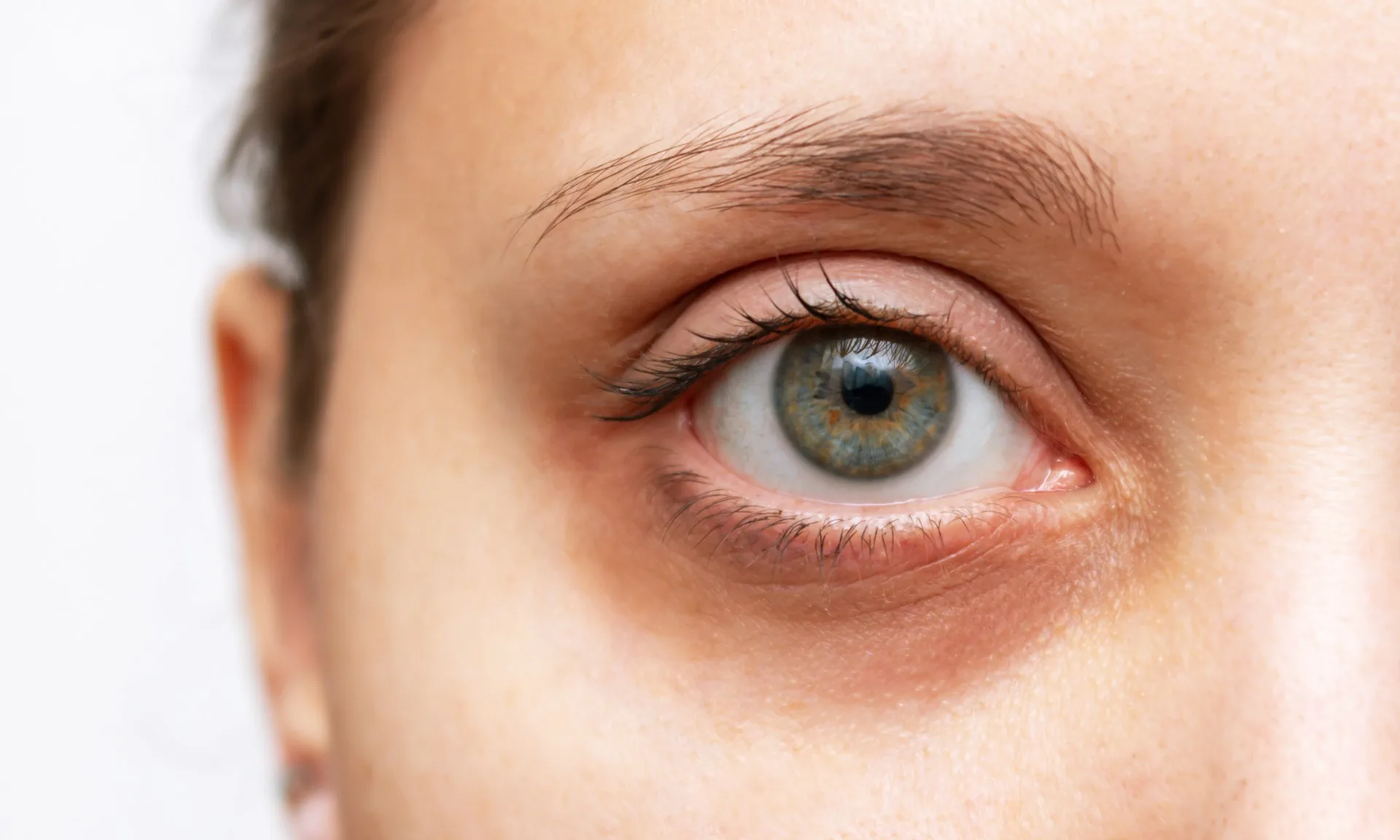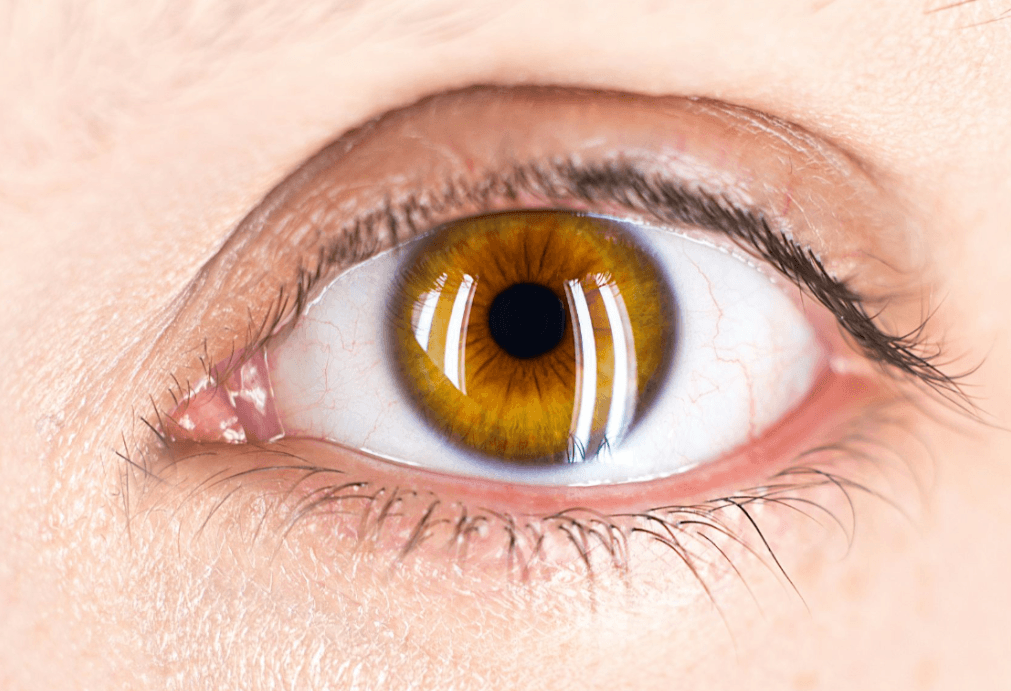
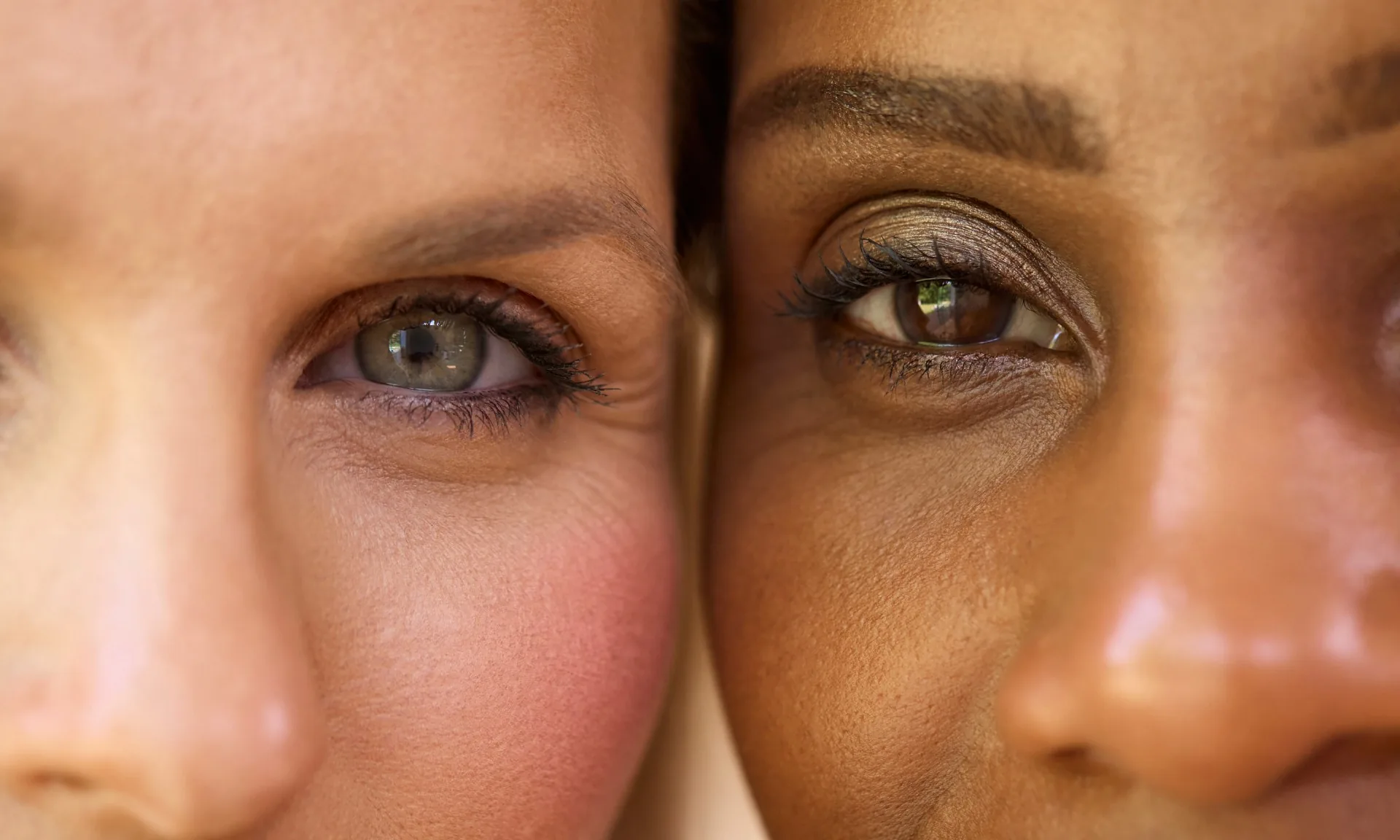
Eye shapes vary from person to person, and understanding yours can help you make more informed choices about makeup, glasses and eyebrow styling. Some eyes have a visible crease, while others have a fold of skin that partially covers the upper eyelid. Some appear more rounded, while others have a naturally elongated shape or an outer corner that tilts upwards or downwards.
There is no single ideal eye shape. Each has its own characteristics, and many people have a combination of features rather than fitting neatly into one category.
Understanding the differences can help you recognise your natural features and choose styles that work with them. It can also help you understand some of the anatomical terms used when discussing the eyelids and the area around the eyes.
In this guide, we explore the 10 commonly described eye shapes, how to identify your own and what makes each one distinctive.
Why Does Eye Shape Matter?
Eye shape influences the appearance of the eyes and the surrounding facial features. Understanding your eye shape can be useful for styling choices, although it is important to distinguish cosmetic characteristics from medical concerns.
1. Makeup and Personal Styling
Different eye shapes can influence how eyeliner, eyeshadow and mascara appear when applied.
For example, someone with hooded eyes may find that their eyelid crease is less visible when their eyes are open, while someone with round eyes may prefer makeup techniques that emphasise the outer corners.
Recognising your features can help you experiment with makeup techniques that suit your preferences.
2. Eyewear Choices
The shape and proportions of your eyes, eyelids and face can influence how glasses look on you.
Frame size, bridge fit and overall facial proportions are generally more important for comfort and fit than eye shape alone. However, understanding your features may help you choose frames that complement your appearance.
3. Facial Appearance and Symmetry
Eye shape contributes to the overall appearance of the face. Differences in eyelid creases, the angle of the outer corners and the distance between the eyes all influence how the eyes look.
It is normal for the two eyes to differ slightly in shape or position. Perfect symmetry is uncommon, and minor differences are usually part of natural facial variation.
4. Understanding Eyelid Anatomy
Some eye shapes describe the visible appearance of the eyes, while others relate to the position of the eyeballs or the arrangement of the eyelids.
For example, hooded eyes describe an upper eyelid fold that covers part of the crease, while deep-set eyes describe eyes that sit further back relative to the surrounding brow area.
Understanding these distinctions can help when discussing eyelid concerns with an eye care professional.
Eye shape alone does not determine visual acuity or whether you need glasses. Refractive errors, such as short-sightedness and long-sightedness, are influenced by factors including the length of the eyeball and the optical properties of the eye.
What Are the Different Types of Eye Shapes?
Eye shapes are commonly described using features such as the eyelid crease, the angle of the outer corners, the depth of the eye socket and the distance between the eyes.
The following 10 categories are useful descriptive terms. They are not mutually exclusive, and you may recognise more than one feature in your own eyes.
1. Almond-Shaped Eyes
What Do Almond Eyes Look Like?
Almond-shaped eyes have an elongated outline, with the inner and outer corners appearing relatively tapered. The iris may touch the upper and lower eyelids when you look straight ahead, although this is not a universal feature.
The outer corners may be level with the inner corners or slightly raised.
Key features:
- An elongated eye opening.
- Relatively tapered inner and outer corners.
- A naturally defined outline.
- A visible eyelid crease in some people, although this can vary.
Makeup Tips for Almond Eyes
Almond-shaped eyes are compatible with a wide range of makeup styles.
You could experiment with:
- Winged eyeliner to emphasise the outer corners.
- Soft eyeshadow blending across the eyelid.
- Smoky eyeshadow for a more defined look.
- Mascara focused on the upper lashes.
The best technique depends on your eyelid space, crease and personal preferences rather than the almond shape alone.
2. Round Eyes
What Do Round Eyes Look Like?
Round eyes generally appear more open and circular than elongated eye shapes. Depending on the individual, there may be visible white space above or below the iris when looking straight ahead.
The outer corners can be level, upturned or downturned.
Key features:
- A relatively rounded eye opening.
- A more noticeable curve along the upper and lower eyelids.
- An open appearance.
- Possible visible white space around the iris.
Makeup Tips for Round Eyes
If you want to emphasise the length of round eyes, try:
- Extending eyeliner slightly beyond the outer corner.
- Blending eyeshadow outwards.
- Concentrating darker shades towards the outer third of the eyelid.
- Applying mascara to emphasise the outer lashes.
Alternatively, you can embrace the rounded appearance with soft eyeliner and defined lashes.
3. Monolid Eyes
What Do Monolid Eyes Look Like?
Monolid eyes have little or no clearly visible upper eyelid crease. The skin above the lash line may appear relatively smooth when the eyes are open.
The amount of visible eyelid space varies between individuals, and monolid eyes can also be almond-shaped, rounded or have upturned or downturned outer corners.
Key features:
- Little or no distinct upper eyelid crease.
- A relatively smooth appearance between the lash line and brow.
- Variable amounts of visible eyelid space.
- A wide range of possible eye outlines.
Makeup Tips for Monolid Eyes
Makeup techniques can be adapted to the amount of visible eyelid space.
You could try:
- Applying eyeliner close to the upper lash line.
- Blending eyeshadow upwards to create a gradient.
- Using a slightly deeper shade along the lash line.
- Curling the lashes before applying mascara, if suitable.
There is no need to create an artificial crease unless you prefer that look. The aim is to work with your natural eyelid structure.
4. Hooded Eyes
What Do Hooded Eyes Look Like?
Hooded eyes have an upper eyelid fold that partially covers the crease. When the eyes are open, some or most of the mobile eyelid may be less visible.
Hooding can be a natural anatomical feature. In some people, it becomes more noticeable with age as the skin and supporting tissues around the eyelids change.
Key features:
- A fold of skin that covers part of the upper eyelid crease.
- Reduced visibility of the mobile eyelid when the eyes are open.
- A crease that may be difficult to see without raising the eyebrows.
- Varying amounts of skin overhang.
Makeup Tips for Hooded Eyes
If your eyelid crease is partly hidden, consider:
- Applying eyeshadow with your eyes open to see where the colour remains visible.
- Blending a transition shade slightly above the natural crease.
- Choosing eyeliner techniques that remain visible when your eyes are open.
- Using smudge-resistant products if the upper eyelid touches the skin below the brow.
Hooded eyes are a normal variation in eyelid anatomy. However, if an eyelid begins to droop suddenly or interferes with vision, it should be medically assessed rather than assumed to be a cosmetic change.
5. Upturned Eyes
What Do Upturned Eyes Look Like?
Upturned eyes have outer corners that sit slightly higher than the inner corners. This creates a gentle upward angle along the eye opening.
Upturned eyes can also be almond-shaped or have a visible eyelid crease.
Key features:
- Outer corners positioned higher than the inner corners.
- An upward angle along the eye opening.
- A naturally lifted appearance.
- A variety of eyelid crease patterns.
Makeup Tips for Upturned Eyes
You can emphasise the natural angle with:
- Winged eyeliner that follows the outer corner.
- Eyeshadow blended towards the temples.
- Mascara that defines the upper lashes.
- Soft shading along the outer lash line.
If you prefer a more balanced appearance, experiment with different eyeliner lengths and angles rather than relying on a single technique.
6. Downturned Eyes
What Do Downturned Eyes Look Like?
Downturned eyes have outer corners that sit lower than the inner corners. The downward angle may be subtle or more noticeable.
This is a natural variation in eye shape and does not necessarily indicate drooping of the eyelid.
Key features:
- Outer corners positioned lower than the inner corners.
- A downward angle along the eye opening.
- A range of possible crease patterns.
- A shape that may also be almond-shaped or hooded.
Makeup Tips for Downturned Eyes
If you want to create the appearance of a more lifted outer corner, you could try:
- Angling eyeliner slightly upwards rather than following the lower lash line downwards.
- Blending eyeshadow diagonally towards the outer brow.
- Concentrating definition along the outer upper lash line.
- Keeping the lower outer lash line relatively soft.
These techniques are optional. Downturned eyes are not a problem that needs correcting, and makeup should reflect your preferred style.
7. Deep-Set Eyes
What Do Deep-Set Eyes Look Like?
Deep-set eyes sit relatively far back within the eye sockets, making the brow bone appear more prominent in comparison.
The upper eyelid may appear naturally shaded because of the surrounding bone structure. Deep-set eyes can also be almond-shaped, round, hooded or upturned.
Key features:
- Eyes positioned relatively far back within the eye sockets.
- A more prominent appearance of the brow bone.
- Natural shadowing around the upper eyelids.
- Variable visibility of the eyelid crease.
Makeup Tips for Deep-Set Eyes
If you want to bring more attention to the eyelids, consider:
- Using lighter or medium eyeshadow shades on the mobile eyelid.
- Applying shimmer selectively if it suits your preferred look.
- Keeping crease shading relatively soft.
- Curling the lashes to make them more visible.
These are styling choices rather than rules. The best colours and finishes depend on your overall look and the amount of visible eyelid space.
8. Prominent or Protruding Eyes
What Do Prominent Eyes Look Like?
Prominent eyes, sometimes described as protruding eyes, appear to project further forwards relative to the surrounding facial structures.
The eyelid surface may be more visible, and the eye opening can appear rounded.
It is important to distinguish a naturally prominent eye shape from a new change in the position of the eyeball. New or progressive prominence, particularly when accompanied by pain, double vision or other symptoms, needs medical assessment.
Key features:
- An eye that appears relatively prominent within the face.
- A more visible eyelid surface.
- An eye opening that may appear rounded.
- Variation in the surrounding brow and eyelid contours.
Makeup Tips for Prominent Eyes
Depending on your preferences, you could try:
- Matte eyeshadow to create a softer visual effect.
- Blending colour across the eyelid for a more diffused finish.
- Using eyeliner to define the lash line.
- Experimenting with different levels of shimmer and contrast.
Prominent eyes do not automatically indicate a medical problem. However, a sudden change in prominence or a noticeable difference between the two eyes should be assessed.
9. Close-Set Eyes
What Do Close-Set Eyes Look Like?
Close-set eyes have a relatively short distance between the inner corners compared with the width of one eye.
This describes the spacing between the eyes rather than the shape of the eyelids themselves.
Key features:
- Less space between the inner corners relative to eye width.
- A narrower gap between the eyes.
- Any combination of eyelid creases and eye outlines.
- Normal variation in the proportions of the face.
Makeup Tips for Close-Set Eyes
If you want to create the appearance of greater spacing, you could try:
- Applying a lighter shade near the inner corners.
- Blending eyeshadow towards the outer corners.
- Keeping the inner portion of the eyeliner relatively subtle.
- Emphasising the outer lashes.
These techniques can alter the visual balance of makeup but do not change the actual distance between the eyes.
10. Wide-Set Eyes
What Do Wide-Set Eyes Look Like?
Wide-set eyes have a relatively greater distance between the inner corners compared with the width of one eye.
As with close-set eyes, this describes facial proportions rather than the outline of the eyelids.
Key features:
- A wider gap between the inner corners.
- A greater distance between the eyes relative to eye width.
- A variety of possible eye outlines and crease patterns.
- Natural variation in overall facial proportions.
Makeup Tips for Wide-Set Eyes
If you prefer to create the appearance of closer spacing, you could try:
- Applying a medium eyeshadow shade closer to the inner eyelid.
- Keeping eyeliner definition relatively close to the inner corners, where comfortable.
- Blending eyeshadow across the central part of the eyelid.
- Avoiding excessive emphasis on extending the eye makeup outwards.
Makeup is a matter of personal preference. There is no need to change the appearance of naturally wide-set eyes unless you want to experiment with a different style.
How to Identify Your Eye Shape: A Step-by-Step Guide
Identifying your eye shape is easier when you look at your eyes in natural light and observe them without changing your expression.
Follow these steps to understand the features that define your eye shape.
Step 1: Look at Your Eyes Straight On
Stand in front of a mirror with your head upright and your face relaxed. Look straight ahead without raising your eyebrows or tilting your head.
Observe the overall outline of your eyes and compare the inner and outer corners.
Step 2: Check Your Upper Eyelid Crease
Look at the skin between your lash line and brow.
- If you can see a distinct crease, your eyes have a visible upper eyelid fold.
- If the crease is partly covered by skin when your eyes are open, you may have hooded eyes.
- If there is little or no visible crease, you may have monolid eyes.
The amount of visible eyelid space varies, so these descriptions are not absolute categories.
Step 3: Observe the Angle of the Outer Corners
Compare the height of the outer corners with that of the inner corners.
- If the outer corners sit higher, your eyes may be upturned.
- If the outer corners sit lower, your eyes may be downturned.
- If the corners are approximately level, your eyes may have a more neutral angle.
Look at both eyes, as a small amount of asymmetry is common.
Step 4: Look at the Overall Eye Outline
Consider whether your eyes appear more elongated or rounded.
- An elongated outline with tapered corners may indicate almond-shaped eyes.
- A more circular opening may indicate round eyes.
The amount of visible white around the iris can offer a clue, but it should not be used as the only way to identify your eye shape.
Step 5: Observe the Position of Your Eyes
Look at the relationship between your eyes and the surrounding brow area.
- Eyes that sit relatively far back may be described as deep-set.
- Eyes that appear relatively prominent may be described as prominent or protruding.
It can be difficult to judge this accurately from a mirror or photograph. A new or unusual change in the position of an eye requires medical assessment.
Step 6: Consider the Distance Between Your Eyes
Look at the distance between the inner corners of your eyes relative to the width of one eye.
- A smaller gap may suggest close-set eyes.
- A larger gap may suggest wide-set eyes.
This is a general visual guide rather than a formal measurement of facial proportions.
Step 7: Combine Your Observations
Once you have considered your eyelid crease, eye outline, corner angle, depth and spacing, you may recognise several features.
For example, you might have almond-shaped eyes with hooded eyelids or round eyes with slightly upturned outer corners.
You do not need to fit into just one category. These terms describe different aspects of eye appearance, so several can apply at the same time.
Can You Have More Than One Eye Shape?
Yes. Many people have a combination of eye-shape characteristics.
The categories used to describe eye shapes are not mutually exclusive because they refer to different features.
For example:
- Almond-shaped and hooded: The eyes have an elongated outline, while the upper eyelid crease is partly covered by skin.
- Round and upturned: The eyes have a relatively rounded outline, with the outer corners sitting higher than the inner corners.
- Almond-shaped and downturned: The eyes have a tapered outline, but the outer corners sit lower than the inner corners.
- Deep-set and hooded: The eyes sit relatively far back in the sockets, and the upper eyelid fold partially covers the crease.
- Monolid and upturned: The upper eyelid has little or no visible crease, while the outer corners angle upwards.
These combinations are entirely normal.
Your eye shape may also appear slightly different depending on your facial expression, lighting, makeup and the position of your eyebrows.
Does Eye Shape Change With Age?
The underlying structure of the eyes is generally stable, but the appearance of the eyelids and surrounding tissues can change over time.
Age-related changes may include:
- Reduced skin elasticity around the eyelids.
- Changes in the position of the eyebrows.
- Increased visibility of upper eyelid skin.
- Changes in the distribution of fat around the eyes.
- Differences in the appearance of under-eye hollows or bags.
These changes can make an existing eyelid fold more noticeable or alter how open the eyes appear.
However, a sudden change in eyelid position or eye prominence should not automatically be attributed to ageing. New drooping, double vision, unequal pupils or a sudden difference between the eyes requires medical assessment.
When Should You Seek an Eye Assessment?
Eye shape is usually a natural anatomical feature rather than a medical concern. However, changes in the appearance or position of the eyes can sometimes be associated with an underlying condition.
Consider seeking an assessment if you notice:
- Sudden drooping of one eyelid.
- A new or progressive difference between the two eyes.
- An eye that appears to be protruding more than before.
- Double vision or a sudden change in vision.
- Pain, redness or swelling around the eye.
- Upper eyelid skin that obstructs your field of vision.
Sudden eyelid drooping accompanied by double vision, unequal pupils, severe headache or other neurological symptoms requires urgent medical attention.
An eye care professional can assess the eyelids and surrounding structures to determine whether the change is a normal variation, an age-related change or something that needs further investigation.
Conclusion
Understanding the different types of eye shapes can help you recognise your natural features and make more informed choices about makeup and personal styling.
From almond and round eyes to hooded, deep-set and upturned eyes, each category describes a different aspect of the eye's appearance. Many people have a combination of features, so there is no need to fit neatly into one label.
It is also important to distinguish natural eye shape from changes that may need medical attention. A sudden change in eyelid position, new eye prominence or a change in vision should not be treated as a cosmetic concern alone.
At Perfect Eyes Clinic, an assessment can help clarify concerns relating to eyelid structure, eyelid heaviness and changes in the appearance of the eyes.
If you have concerns about changes in your eyelids or the area around your eyes, consider arranging a consultation for an individual assessment.
Frequently asked questions
Still unsure? Our team is glad to talk you through anything before you book.
- Commonly described eye shapes include almond, round, monolid, hooded, upturned, downturned, deep-set, prominent, close-set and wide-set eyes. These categories describe different features, and a person may have several at the same time.
- Look straight into a mirror with your face relaxed. Observe the outline of your eyes, whether your upper eyelid crease is visible, the angle of the outer corners, the position of your eyes within the sockets and the distance between them. Combining these features can help you identify your eye shape.
- Yes. Almond-shaped eyes describe the overall outline, while hooded eyes describe the upper eyelid fold. Since these terms refer to different features, both can apply to the same person.
- No. Hooded eyes have an upper eyelid fold that covers part of the crease. Drooping of the upper eyelid, known medically as ptosis, occurs when the eyelid margin sits lower than expected. The two can sometimes occur together, but they are not the same condition. Sudden or progressive drooping should be assessed by a healthcare professional.
- Eye shape in the cosmetic sense does not determine whether you are short-sighted or long-sighted. Vision is influenced by factors such as the length of the eyeball and the focusing properties of the cornea and lens. However, some eyelid conditions, including significant drooping, can interfere with the field of vision.
- The appearance of the eyelids can change with age because of changes in skin elasticity, eyebrow position and the tissues surrounding the eyes. However, sudden changes in eye shape or position should not be assumed to be a normal part of ageing.
- No. Some people naturally have more prominent eyes. However, new or progressive prominence, particularly when accompanied by pain, double vision or other symptoms, should be medically assessed.
- No. Minor differences between the two eyes are common. One eyelid may have a more visible crease, or one outer corner may sit slightly higher than the other. These differences are usually part of normal facial variation.
- Makeup can create visual effects that emphasise certain features. Eyeliner, eyeshadow placement and mascara can make the eyes appear more elongated, rounded or lifted. These effects are temporary and do not change the underlying anatomy.
- Understanding your eye shape can help you describe your concerns, but it does not determine which cosmetic treatment, if any, is suitable. If you are concerned about eyelid heaviness, excess skin, under-eye bags or changes in the position of your eyes, an individual assessment can help establish the cause and discuss appropriate options.