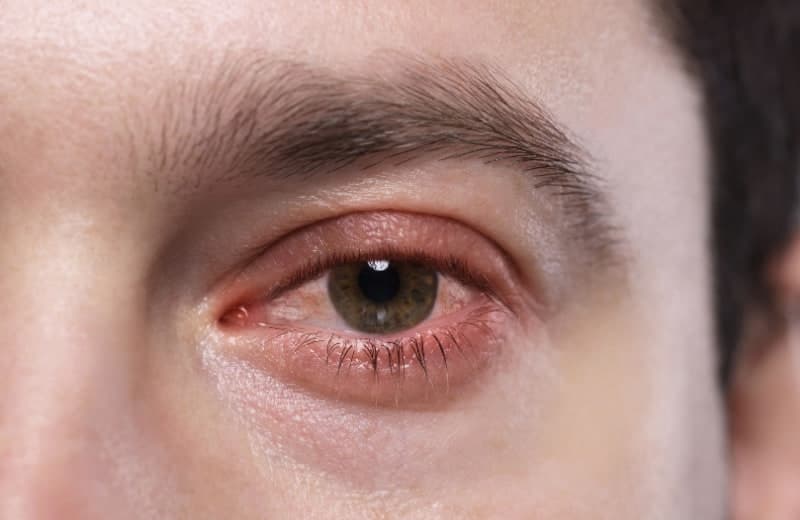
Eye infections are a daily reality for people of all ages, often beginning with subtle discomfort and rapidly becoming a source of intense frustration. From a minor irritation to serious vision threats, understanding the roots of these infections helps you act early and keep your eyes healthy.
Whether you're dealing with redness, itching, or unexplained swelling, knowing what causes eye infections is key to protecting your vision. Let's look at the major culprits and how they affect eye health.
Why Do Eye Infections Happen?
Eye infections are typically caused by germs, bacteria, viruses, fungi, or even parasites that invade the delicate structures around or inside your eye. Everyday habits, such as touching your eyes without washing your hands or improper contact lens care, are common sources of contamination. Sometimes, environmental factors play a role, such as dust, pollen, or contaminated water. Infections can affect any part of the eye: eyelids, conjunctiva, cornea, and deeper tissues. The following sections explore these causes in detail and address key questions like "what causes eye irritation?" and "what causes pink eye infection."Main Causes of Eye Infections
01 Bacterial Causes
Bacteria are among the most frequent offenders in eye infections. Commonly, species like Staphylococcus aureus, Streptococcus pneumoniae, and Haemophilus influenzae cause issues ranging from conjunctivitis to corneal ulcers. These infections often occur when bacteria enter the eye through contaminated fingers, makeup, or contact lenses. Improper hygiene or not cleaning contact lenses can make matters worse, offering bacteria the perfect breeding ground. For example, sleeping in lenses or using expired solutions heightens risk.02. Viral Causes
Viruses are another major source of eye infections, with adenovirus responsible for many cases of viral conjunctivitis (pink eye). Herpes simplex can also affect the eye's surface or deeper layers, sometimes leading to more severe complications. Viral infections are highly contagious and spread easily from person to person, making hygiene and early detection essential.03. Fungal Causes
Though less common, fungi can cause serious eye infections - especially following injury with plant material, exposure to contaminated water, or in people with weakened immune systems. Candida, Fusarium, and Aspergillus are the usual suspects. These infections often occur after trauma or surgery, and sometimes after long-term use of antibiotics or steroids.04. Parasitic Causes
Parasites, such as Acanthamoeba, can infect the eye, particularly among contact lens wearers with poor cleaning habits or who use tap water to rinse lenses. Symptoms can be severe and require prompt medical attention.Other Risk Factors and Contributing Causes
01. Poor Hygiene and Lifestyle Habits
- Touching eyes without clean hands
- Sharing towels, makeup, or personal hygiene products
- Not replacing old eye makeup regularly
- Failing to clean or change contact lenses and cases as directed
02. Environmental Exposure
- Dust, smoke, or air pollutants commonly irritate eyes and make infections more likely.
- Swimming in pools or natural water bodies can introduce harmful microbes, especially if the water is unclean
03. Immune System Issues
Individuals with chronic illnesses or weakened immune systems are more prone to eye infections. Conditions such as diabetes or HIV, or medications suppressing immune function, make it harder to fight off germs.04. Eye Injuries
Scratches, foreign objects, and trauma can create entry points for infection - this is common with accidental injuries or post-surgical healing.Most Common Types of Eye Infections
Here’s a snapshot of the eye infections most frequently seen in clinics and what causes them:| Infection Type | Common Causes | Frequent Symptoms |
| Conjunctivitis | Bacteria, viruses, allergens | Redness, itching, discharge |
| Keratitis | Bacteria, viruses, fungi, parasites, trauma | Pain, sensitivity to light, blurry vision |
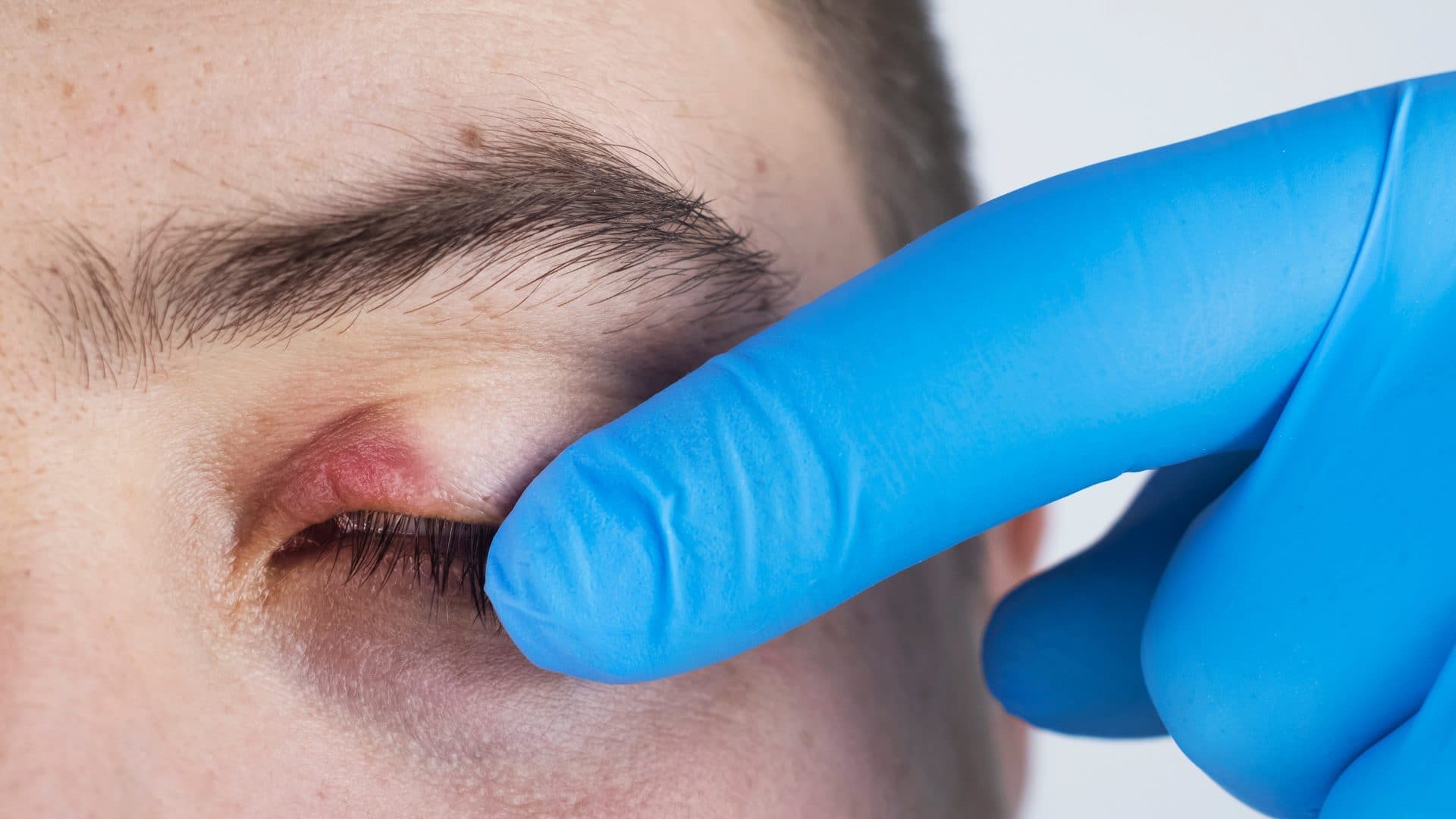
| Blepharitis | Bacteria, clogged oil glands | Eyelid swelling, crusting, irritation |
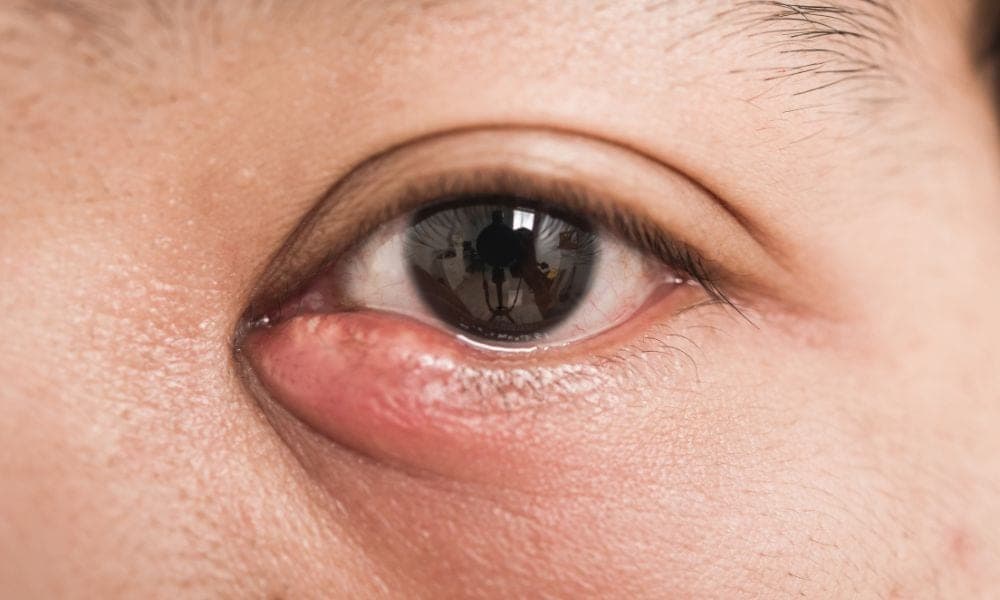
| Styes | Staphylococcus infection of eyelid glands | Red bump, soreness, swelling |
| Endophthalmitis | Fungi (Candida), bacteria | Severe pain, decreased vision, swelling |
| Pink Eye | Viral or bacterial infection | Redness, watery discharge, swollen eyelids |
| Fungal Keratitis | Fungal spore entry post-injury or surgery | Eye pain, redness, vision loss |
Symptoms to Watch For: Eye Infection Symptoms
Early detection is crucial. Here are eye infection symptoms you should never ignore:- Redness and inflammation of the eye or eyelid
- Persistent itch or irritation
- Sticky, crusty, or watery discharge
- Puffiness and swelling around the eye
- Sensitivity to light
- Gritty or dry sensation
- Blurred or decreased vision
- Severe pain
- Increased tear production
How Are Eye Infections Diagnosed?
Doctors start by taking a thorough history and asking about recent activities - such as contact lens use, makeup, swimming, or trauma. The next steps usually include:- Careful examination under a slit lamp
- Swab tests if there is discharge, to detect specific germs
- Sometimes, blood tests or imaging are used to determine if deeper parts of the eye are affected
Effective Treatments for Eye Infections
Treatment varies with the cause:- Bacterial infections: Prescription antibiotic drops or ointments clear most bacterial eye infections within days.
- Viral infections: Artificial tears, mild steroid drops (if prescribed), and comfort measures are common. Most viral infections resolve on their own, but some require antiviral drops.
- Fungal infections: Specialised antifungal eye drops or oral medications - often needed for post-surgery or trauma cases.
- Allergic reactions: Avoiding triggers and using antihistamine drops for relief.
Cause of Pink Eye Infection
The “pink eye” is among the best-known eye infections, most often caused by viruses (adenovirus) but sometimes by bacteria. Allergic reactions and chemical exposure (like pool chlorine) can also trigger similar symptoms.- Viral pink eye is highly contagious and often comes with other cold-like symptoms.
- Bacterial pink eye features thicker, yellow-green discharge and may affect both eyes.
- Allergic conjunctivitis involves itching and watery discharge, but doesn't spread between people.
Preventing Eye Infections
Good habits dramatically reduce your risk:- Wash your hands before touching your eyes or face
- Clean and replace contact lenses as recommended
- Never share towels, makeup, or eye drops
- Avoid swimming in dirty water
- Wear protective glasses during high-risk activities
- Seek medical attention for eye injuries quickly
Conclusion
Eye infections can range from mild irritations to serious threats to vision, making early recognition and prompt intervention essential. By understanding the main causes, from bacteria and viruses to fungi and parasites, you’re empowered to protect your eye health with good hygiene and regular checkups. Remember, symptoms like redness, discharge, pain, or vision changes should never be ignored. Taking action not only helps relieve discomfort but also ensures lasting protection for your eyes. If you experience ongoing irritation or sudden symptoms, consult an eye professional and get the right care as soon as possible.Good to know
Frequently asked questions
Still unsure? Our team is glad to talk you through anything before you book.
- Germs like bacteria and viruses enter the eye via hands, contacts, or foreign objects.
- Allergic symptoms are mainly itching and watery discharge, while infections can involve redness, pain, and thick discharge.
- Many respond well to early treatment, but some, especially in the cornea or deeper tissue, can cause vision loss without proper care.
- Yes, especially if hygiene practices are not followed or lenses are worn overnight.
- Yes, allergies can irritate the eyes, sometimes making them more susceptible to infections, especially if you rub your eyes frequently.