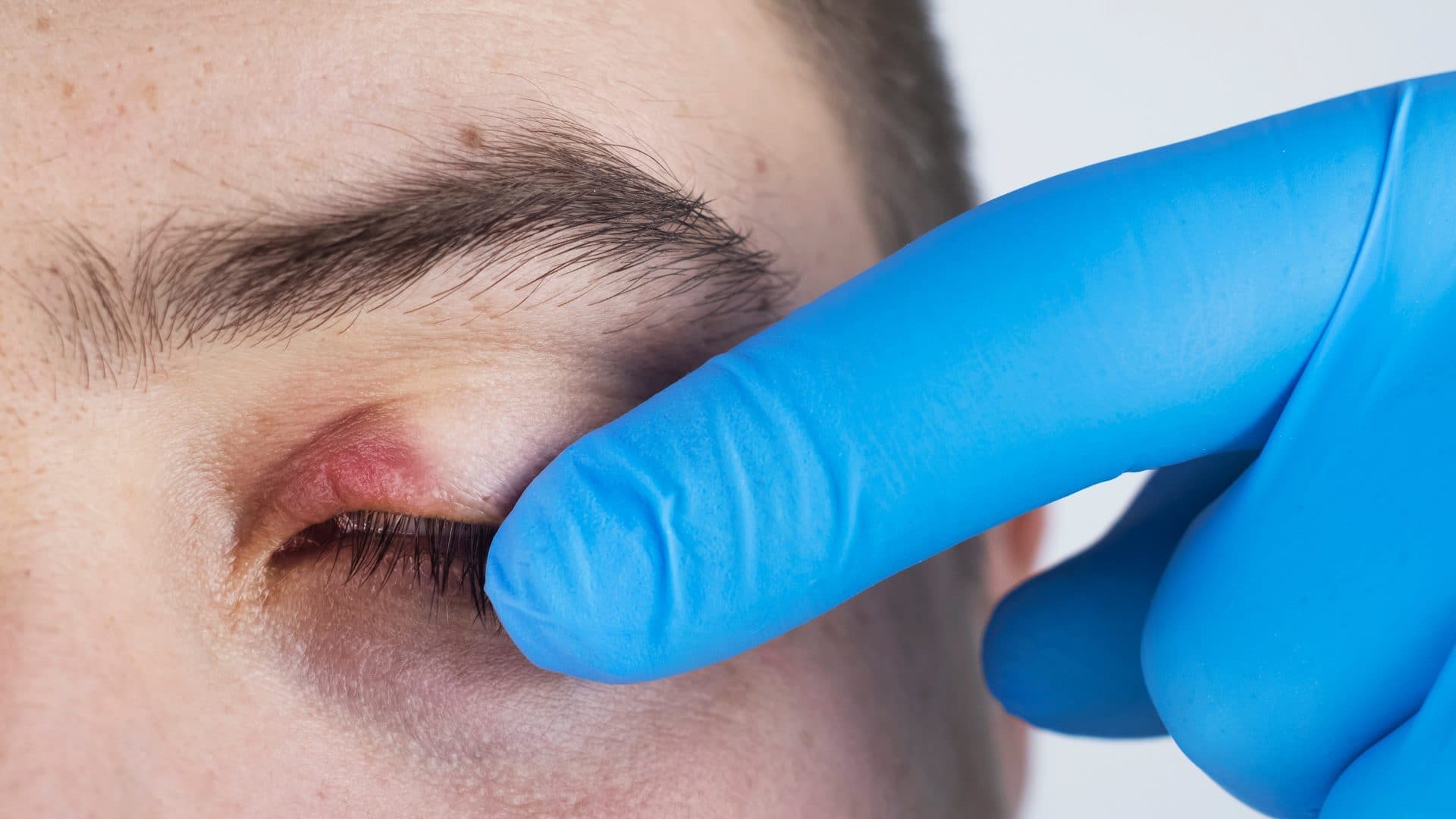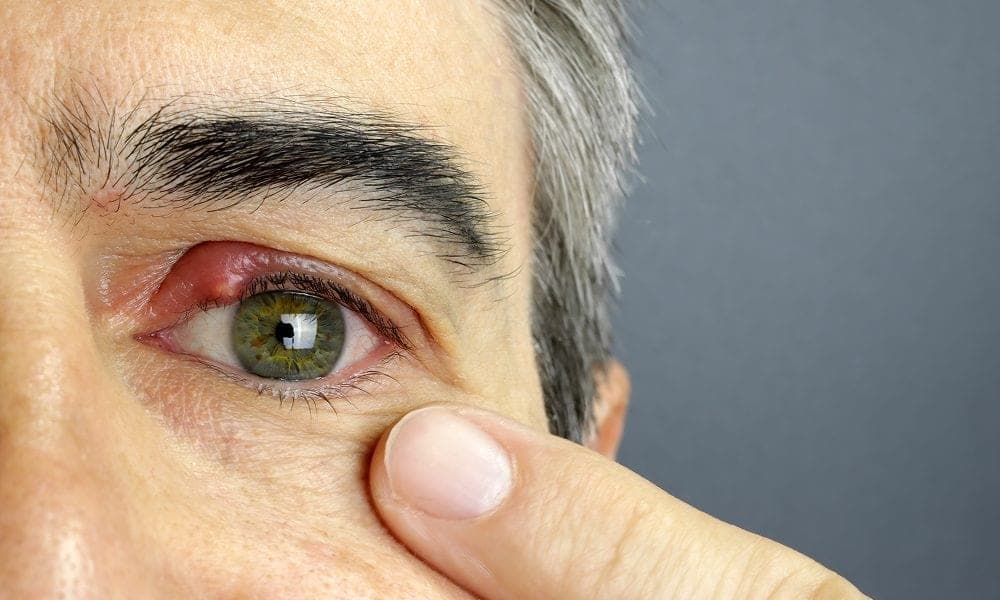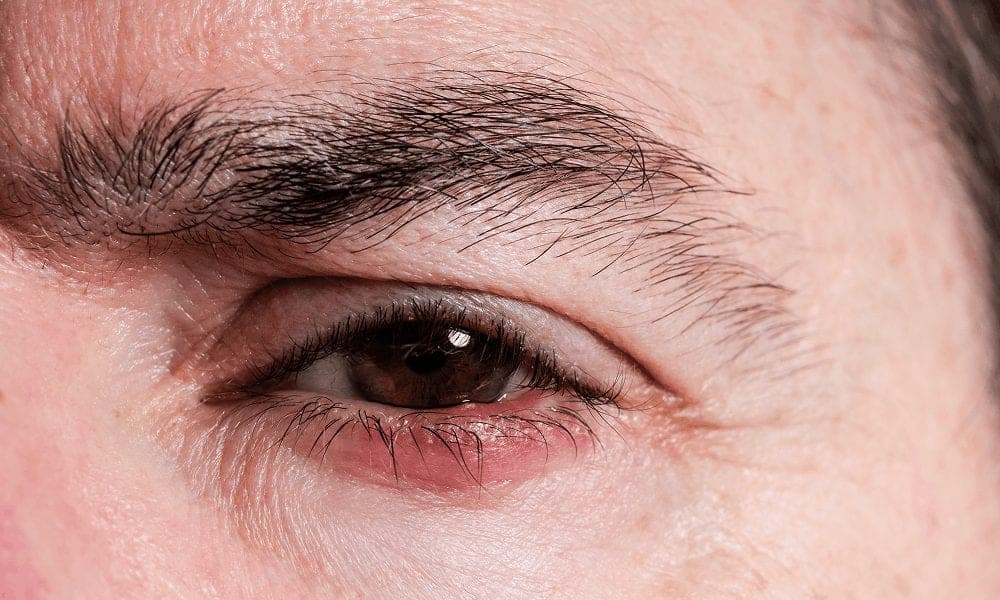
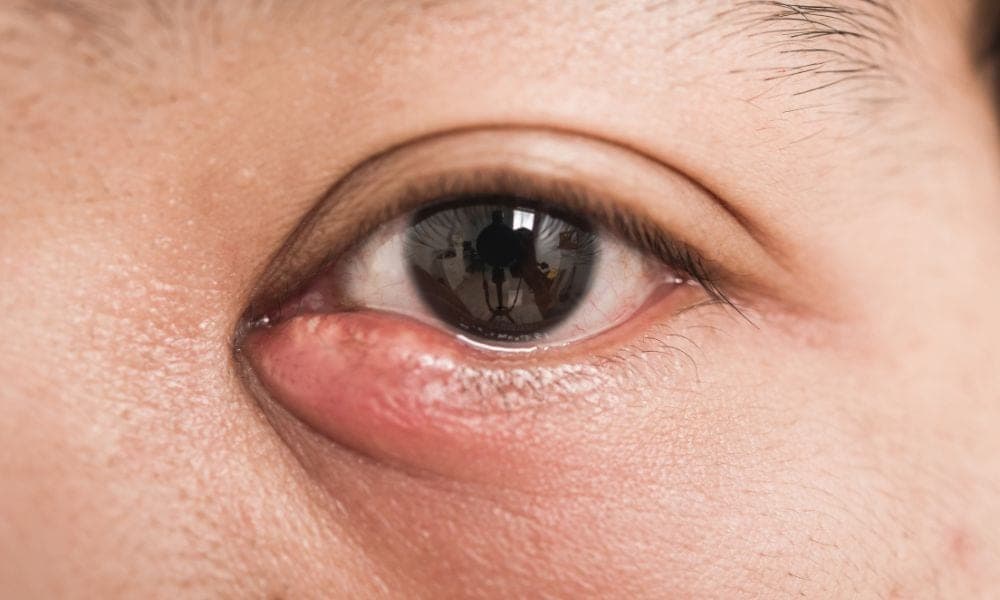
Yes, a stye can cause blurry vision. This happens when a swollen, infected lump forms on the edge or inside of the eyelid and presses against the eyeball. The good news is that this blurred vision is usually a temporary condition and will resolve once the swelling subsides.
A stye, medically known as a hordeoleum, is a bacterial infection inside an oil gland or eyelash follicle that creates a highly sensitive, tender red bump. Whilst they feel very uncomfortable and make the eyes water constantly, they are highly treatable.
By understanding the root causes and getting professional medical advice for stubborn lumps, individuals can safely clear the infection and restore clear eyesight without any lasting structural damage.
How Does A Stye Affect Your Eyesight?
Blurred vision is a very common symptom associated with styes that develop right on the eyelid margin. As the bump grows, the severe inflammation causes it to press against the sensitive surface of the eye. The external force changes the shape of the tear film and the cornea, causing blurry and distorted vision.
Additionally, the eye naturally produces extra tears to soothe the painful irritation. This constant, watery film over the eye makes it difficult to focus clearly. However, this is not a permanent structural change. Once the medical treatment begins and the swelling subsides, the vision returns to normal straightaway. If blurry vision persists for a long time after the bump heals, a doctor must examine the eye for other serious conditions such as cataracts, astigmatism, or glaucoma.
What Causes A Stye To Form?
An eyelid infection shares many biological similarities with common facial acne. It forms when bacteria infect the tiny oil glands located along the edge of the upper or lower eyelids. These specific glands normally produce a thick oil that mixes with tears to keep the eyes moist and healthy. When dead skin cells, heavy makeup, or bacteria block the gland’s opening, an infection quickly develops. Medical professionals divide these painful bumps into two distinct categories:
- External Styes: These are the absolute most common type. They form on the outside edge of the eyelid. A bacterial infection located deep inside the root of an eyelash follicle usually causes this specific bump.
- Internal Styes: These occur when an oil gland deep within the inner eyelid becomes infected. The swelling often faces inwards towards the eyeball, making it particularly painful and much more likely to cause temporary blurred vision.
Recognising The Common Symptoms
Whilst a tender red bump on the eyelid is the most obvious sign, an infection presents several other noticeable symptoms. Identifying these physical signs early helps individuals seek the correct clinical treatment.
Common symptoms include:
- Partial or total swelling of the affected eyelid.
- A crusty, dry discharge forms along the lash line.
- Heightened sensitivity to bright lights or sunshine.
- General soreness and a persistent aching feeling around the eye socket.
- Excessive watering occurs as the eye attempts to clean itself.
- A constant, irritating feeling that a foreign object is stuck in the eye.
- Temporary blurred vision caused by the heavy swelling and extra tears.
Who Is Most At Risk?
Anyone can develop an eyelid infection, but certain factors make some individuals much more vulnerable. Adults often experience them more frequently than children because adult oil glands produce a thicker substance that more easily blocks the tiny pores.
Other common risk factors include:
- A previous medical history of recurring styes.
- Underlying skin conditions like active rosacea or severe facial dandruff.
- Medical conditions such as diabetes weaken the natural immune system.
- Hormonal changes that alter the normal oil production in the skin.
- High levels of bad cholesterol can physically thicken the bodily oils.
- Poor facial hygiene, such as regularly leaving eye makeup on overnight.
Professional Clinical Treatments For Styes
The common infection usually clears up on its own within a fortnight. In the event that a lump is extremely painful, significantly bigger, or lasts longer than two weeks, medical help is strictly required. It is important to seek medical help to ensure that the infection does not spread further into the facial tissue.
A medical practitioner may recommend the following targeted treatments:
- Prescription Antibiotics: A doctor can prescribe strong antibiotic eye drops or specialist medical ointments to apply directly to the bump. If the infection spreads heavily to the surrounding skin, they may prescribe a full course of oral antibiotic tablets to clear the bacteria from the inside out.
- Clinical Incision and Drainage: For severe, stubborn lumps that do not respond to medication, a doctor performs a highly precise minor surgical procedure. Using a local anaesthetic to numb the area completely, the doctor makes a tiny cut to drain the trapped pus safely. This instantly relieves the pressure, clears the blurry vision, and resolves the infection entirely.
Learn more about our stye treatment options here: Eyelid cyst removal.
How To Reduce Symptoms Safely At Home
Whilst waiting for the clinical treatment to take effect or for the bump to heal naturally, individuals can reduce their discomfort safely at home. Medical professionals strongly advise focusing on reducing the swelling and keeping the area meticulously clean.
- Use a Warm Compress: Soak a clean, soft cloth in warm water, wring it out, and place it gently over the closed eye for 5 to 10 minutes. This process, when repeated a few times a day, helps the blocked gland open and drain naturally. Always check the temperature before applying it to your eye, as it can burn if it’s too hot.
- Maintain Strict Hygiene: Wash the eye area gently with warm water and a tiny drop of baby shampoo to remove any crusty debris or bacteria.
- Never Pop The Bump: Individuals must never squeeze, pick, or attempt to pop the lump. Squeezing it physically pushes the infected bacteria much deeper into the eyelid, leading to severe medical complications, scarring, and intense pain.
How To Prevent Future Eyelid Infections
Since prevention is always better than a cure, individuals prone to frequent eye infections should adopt a strict daily hygiene routine. Simple daily habits significantly reduce the risk of the oil glands becoming blocked.
- Wash Hands Regularly: Always wash your hands well with soap before touching your face, applying creams, or inserting contact lenses.
- Remove Makeup Daily: Never sleep with heavy eye makeup on. Always use a gentle cleanser to wipe away mascara and eyeliner, keeping the eyelash follicles clear so they can breathe.
- Replace Cosmetics Often: Throw away old eye makeup every three to six months. Mascara wands easily harbour dangerous bacteria that transfer directly to the eyelids with every single use.
Conclusion
To conclude, if you are wondering whether a stye can cause blurry vision, the answer is yes. When an infected oil gland becomes considerably swollen along the margins of the eyelid, the swelling can press against the eye and interfere with the normal tear film, thereby causing blurry, distorted vision. This physical pressure temporarily alters the cornea’s shape, making it difficult for the eye to focus on light properly. Additionally, thick discharge from the blocked gland often smears across the cornea, creating a cloudy barrier that blocks clear sight.
However, the structural problem is corrected immediately as the swelling subsides and the infection clears. While most lumps tend to disappear on their own within two weeks, persistent and painful bumps require treatment with antibiotics and/or safe medical drainage. However, the patient must never pop the bump, as this could spread the infection and make the problem much worse. Squeezing the lump actively forces harmful bacteria deeper into the delicate eyelid tissue, which often triggers much more severe infections. Patients must allow the blockage to drain naturally or seek professional medical intervention to protect their long-term eye health.
By practising excellent facial hygiene and using warm compresses, individuals can manage their symptoms safely.
If you want a treatment or have an inquiry about a persistent eyelid lump, consult the expert oculoplastic specialists at Perfect Eyes Clinic for a comprehensive medical assessment.