Xanthelasma Removal in London - Reveal brighter & clearer eyes with advanced treatment for smooth, scar-free results
Precisely remove cholesterol deposits from the eyelids with Dr Sabrina's choice of chemical peel, argon laser, or surgical excision.
Accredited & recognised by




At a Glance
- Duration
- 30 - 90 Minutes
- Anaesthesia
- Local
- Hospital Stay
- Outpatient
- Excercise
- After 2 weeks
- Driving
- After 1 week
Advantages of Xanthelasma Removal
Precision and Safety
The treatment precisely targets xanthelasma without harming the surrounding skin, which is essential for the delicate eye area.
Less Invasive
This minimally invasive treatment reduces bleeding, lowers infection risk, and results in fewer post-operative complications.
Quick Procedure and Recovery
The procedure is fast, often completed in one visit, with quicker recovery, letting patients return to normal activities sooner.
Minimal Discomfort
With local anaesthesia, the treatment is relatively painless, offering a more comfortable experience than invasive options.
What is Xanthelasma Removal?
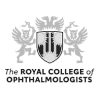
A xanthelasma is a yellow bump that is benign and appears on or around your eyelid. It doesn't go on its own and is caused by fatty deposits, which are primarily made of cholesterol. It may be a sign of high cholesterol, liver problems, heart disease, and many more serious conditions.
Treatment options for xanthelasmas include various approaches, such as TCA peels and argon lasers, which can be used to remove the xanthelasma. This is particularly helpful when treating xanthelasma around the inner corner of the eye or in areas where skin is not present.
How Does Xanthelasma Removal Work?
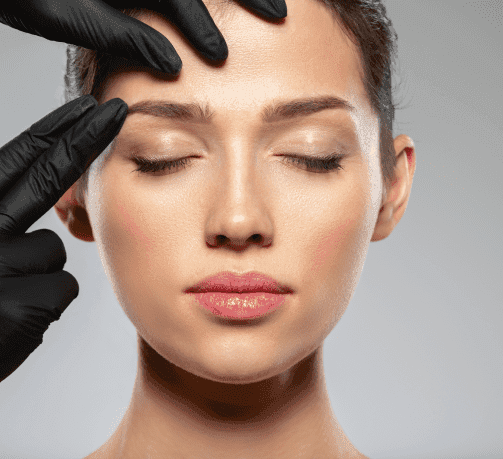
Quick and precise: surgery swiftly targets xanthelasma, often in one session for lasting results. Low discomfort: minimal discomfort with quick recovery, leaving skin smoother and clearer. Specialist expertise: performed by a consultant oculoplastic surgeon.
Every xanthelasma treatment will leave scars, and the extent of those scars will vary based on how well they heal. Chemical peels are a popular way to treat small flat xanthelasma. It uses substances such as trichloroacetic acid (TCA), which can be used to remove the top layers of the skin on the xanthelasma and reduce the visibility of the lesions.
Argon laser therapy is another way to treat this condition. It precisely targets and vaporises the affected tissue, minimising harm to the surrounding skin. The procedure is typically fast, often completed in one session, with minimal discomfort and recovery time. Most patients observe a significant reduction in the visibility of xanthelasma, and the results tend to be long-lasting.
Surgical correction aims to excise the lesions. This can range from a simple 30-minute procedure to a more complex 90-minute procedure, which involves sliding in a flap of normal skin, generally performed under local anaesthetic.

Meet the Expert: Dr Sabrina Shah-Desai
Dr Sabrina Shah-Desai is the founder and Medical Director of Perfect Eyes Clinic. With over 25 years of surgical and non-surgical experience, she is considered one of the safest, most experienced oculoplastic surgeons in the UK.
Her extensive training, combined with her caring and empathetic nature, makes her a natural choice for patients seeking the very best care. Dr Sabrina has been listed in Tatler’s Beauty & Cosmetic Surgery Guide every year from 2019 to 2026.
Learn About Dr SabrinaXanthelasma Removal Cost in London
Performed in clinic under local anaesthetic, so the fee below is the whole fee.
- Xanthelasma Removalfrom£1,500
Where a procedure is undertaken for a diagnosed medical condition rather than solely for aesthetic purposes, VAT may not apply. Your VAT position will be confirmed in writing in your personalised quotation.
Frequently Asked Questions
The questions patients ask most often, answered by the clinic. If yours isn’t here, ask us directly - we would be delighted to help.
- While treatment for xanthelasma is not always necessary for medical reasons, some people may want to consider it for aesthetic reasons. Lowering lipid levels in the body can help manage this condition. There are a few treatment options to consider, such as surgery to remove the growth, argon laser therapy, and using a topical solution called trichloroacetic acid (TCA).
- No, surgical removal of xanthelasma is not painful. After the procedure, you might have a small scrape or need stitches. There is very little risk of scarring, and once the skin has healed, the area around the eyelid will look much better than before, especially when compared to how it looked with the xanthelasma.
- Xanthelasma usually does not go away on its own and tends to stay the same or even grow in size.
- Yes, small flat xanthelasma can be removed without surgery. These yellow bumps near the eyelids, caused by cholesterol deposits, can be treated with chemical peels, heat, or cold. While these methods are effective, you may need several sessions to completely remove them.
- Even after successful removal, xanthelasma can return. Regardless of the treatment used, there's a chance of recurrence. Working with your doctor to lower your cholesterol level can help reduce the chance of it recurring.
- Xanthelasma tends to be permanent and can grow over time, especially on the upper eyelids. Many people seek treatment, as these lesions can become more noticeable and bothersome.
Call or email us today; we would be delighted to answer your questions.
Ask a Question or Book an AppointmentRated five stars by patients across the globe
4.9out of 5 from 250+ Google reviews


Book Your Consultation Today
Get personalised advice and expert care from our top medical professionals at 121 Harley Street, London.
Related Blogs
Best Xanthelasma Removal in London: Causes, Treatments, and More
Seeing yellow patches appearing on your eyelids can make you feel irritated, especially when they gradually become more visible. If…
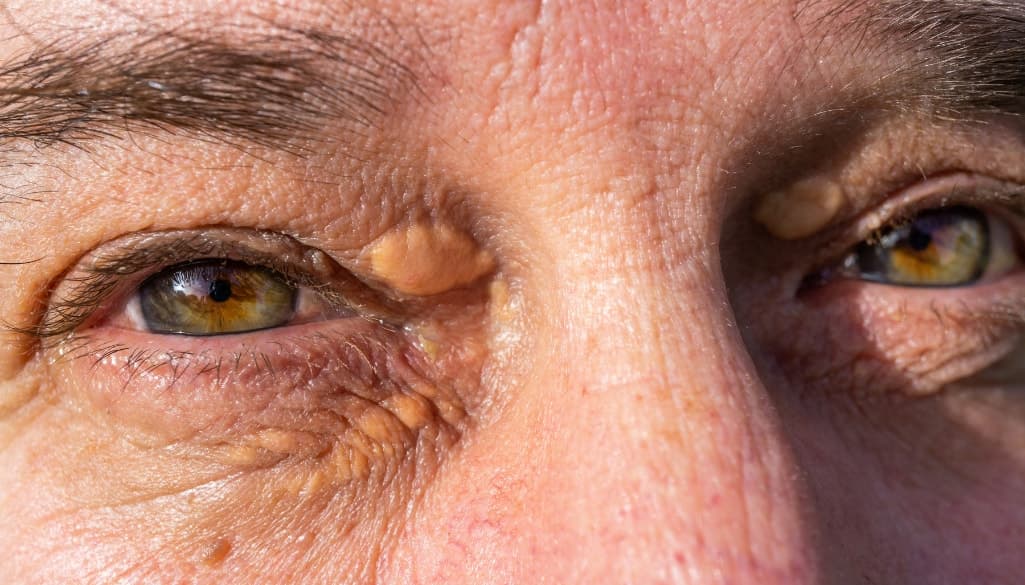
Cholesterol Bumps Under Eyes: Causes, Treatments, and More
Have you ever stared in the mirror and noticed small, yellowish bumps under your eyes, wondering if your morning coffee habit is catching up with…

How To Get Rid Of Eye Bags? Causes, Risks & Treatments
Do you have puffy eyes? If so, you're not alone. Most people experience puffiness and bags under the eyes at some time in their lives. While eye bags…
Say Goodbye to Eye Bags: Effective Removal Treatments
Many people try to find a treatment that works best for them when it comes to eye bags, which may be a stressful and irritating cosmetic concern.…
Contact our clinic
Speak to our team about which treatment suits you, or arrange a private consultation at 121 Harley Street.