“Scarless” Ptosis Surgery in London Say goodbye to droopy lids and hello to brighter, more expressive eyes
A precise procedure to correct drooping eyelids caused by weakened levator muscle, restoring comfortable lid function and a natural appearance.
Accredited & recognised by


At a Glance
- Duration
- 30 - 90 Minutes
- Anaesthesia
- Adults - local/general
- Hospital stay
- Day case
- Exercise
- After 4 weeks
- Driving
- After 1-2 weeks
- Results last
- Upto-10 Years
Advantages of Ptosis Surgery
Improved Vision
Ptosis surgery can expand your field of view, improve peripheral vision, and brighten up your eyesight, reducing eye fatigue.
Rejuvenate Your Look
By lifting your eyelids, Ptosis surgery can refresh your appearance, making your eyes look more vibrant and youthful, with a more defined shape.
Reduced Forehead Wrinkles
By restoring eyelid muscle function, Ptosis surgery can also reduce forehead wrinkles and creases, giving your face a more relaxed and rejuvenated appearance.
Improved Eye Symmetry
It ensures even alignment and symmetry, restoring a natural and harmonious look to your eyes, and enhancing the overall balance of your facial features.
What is Ptosis Surgery (Droopy Eyelid Surgery)?
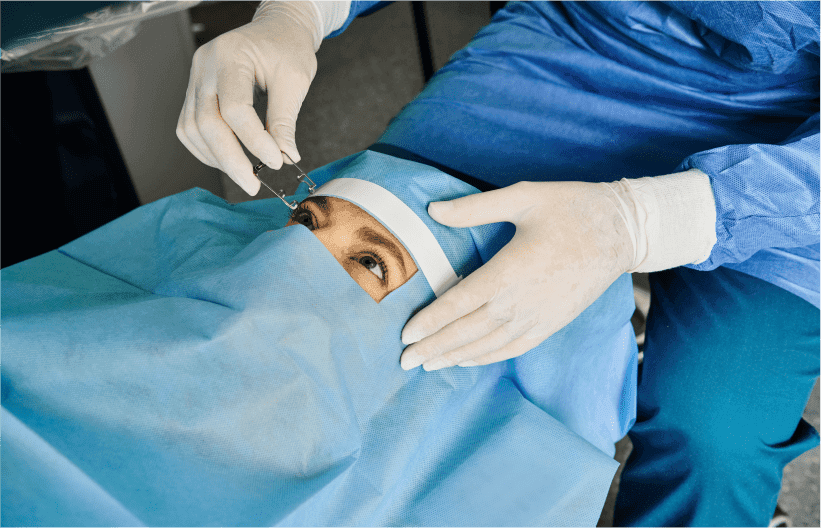
Ptosis Surgery, also known as "Droopy Eyelid Repair," is a surgical procedure designed to correct a droopy eyelid and restore balance to the anatomy. It involves adjusting the tendons or the tiny muscles that lift the eyelid. The procedure is often performed with a local anaesthetic injected into the upper lid.
Adult patients receiving local anaesthesia while awake may feel a pulling sensation. Compared to adults, children are more likely to need full general anaesthesia. The surgeon usually needs to make minor levator muscle adjustments. When the eyelid is open, an incision is made in the upper lid, usually in the skin fold that naturally forms there, to hide the stitches and ensuing scars.
How Does the Procedure Work for Ptosis Surgery?
Minimal Downtime: 1-2 weeks. Long-lasting results. Treatment is performed by the UK's leading oculoplastic surgeon to achieve the best possible results.
Ptosis surgery is a procedure that is used to correct a drooping eyelid. The most common for age-related ptosis is to tighten the tendon or muscle that lifts the eyelid. Mrs Shah-Desai performs a "scarless" or "transconjunctival" ptosis surgery, either by performing a "White Line advancement" or Mullers muscle resection (MMR).
The incision can be made inside the eyelid or within the skin fold to hide the scar, resulting in a minimally invasive procedure. Sometimes, a strip of tissue from the thigh (called "fascia lata") or a silicone band is used to lift the eyelid. Depending upon the cause of ptosis, surgery can range from a simple 30-minute procedure to a more complicated 90-minute procedure. The recovery period is usually short, and most patients can achieve full recovery within 14 days.
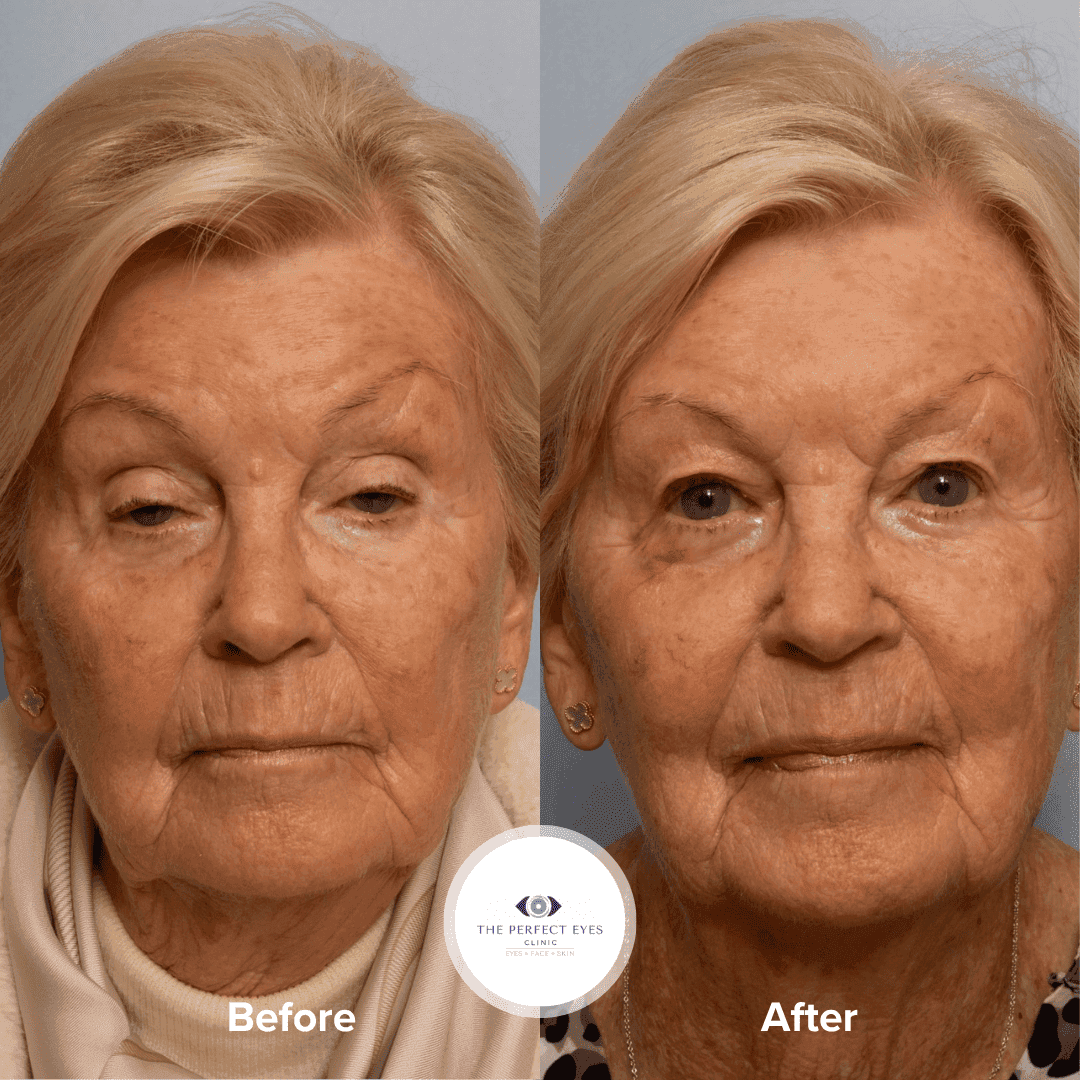
Ptosis Surgery Before and After
See the Ptosis Surgery before and after results below, achieved by Dr Sabrina.
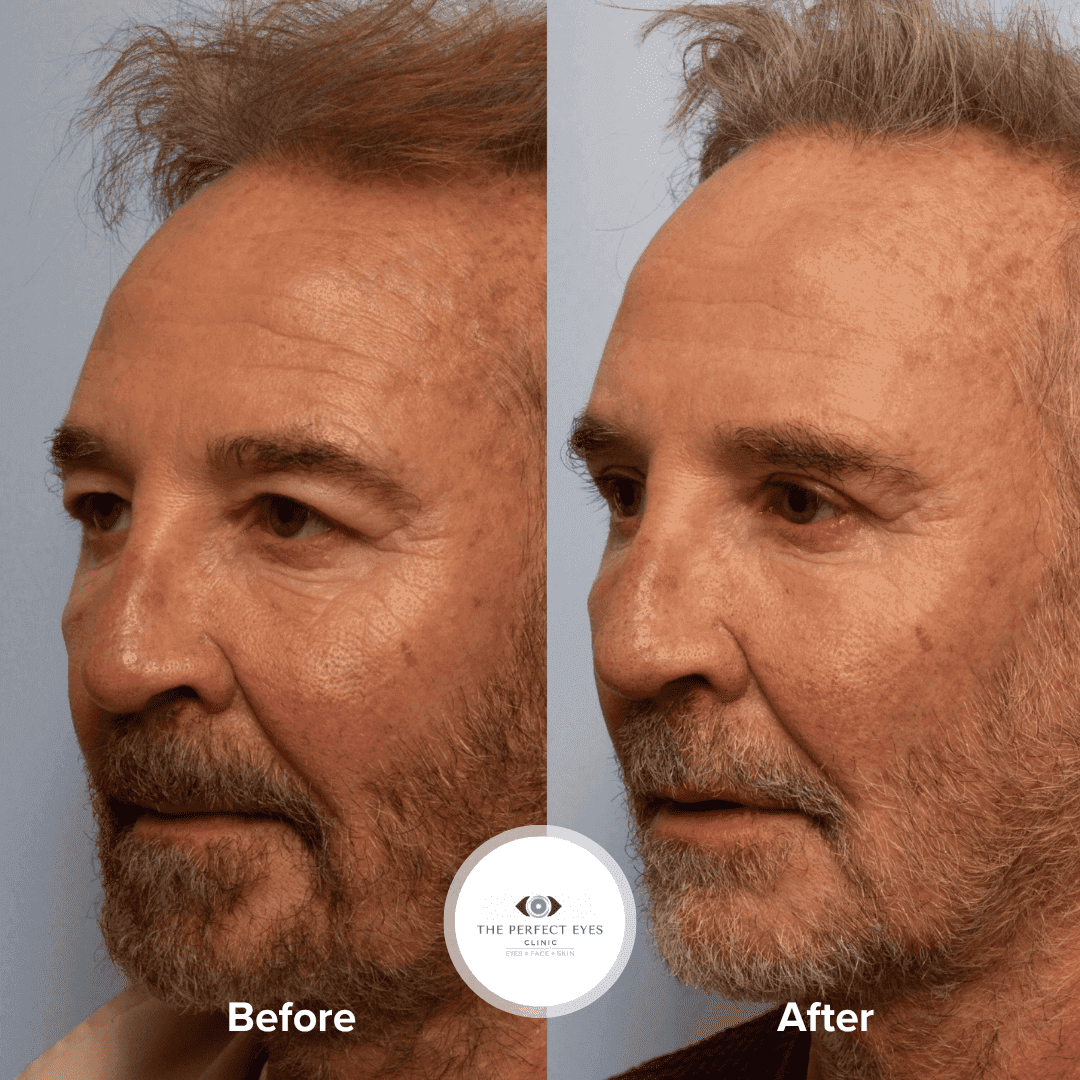
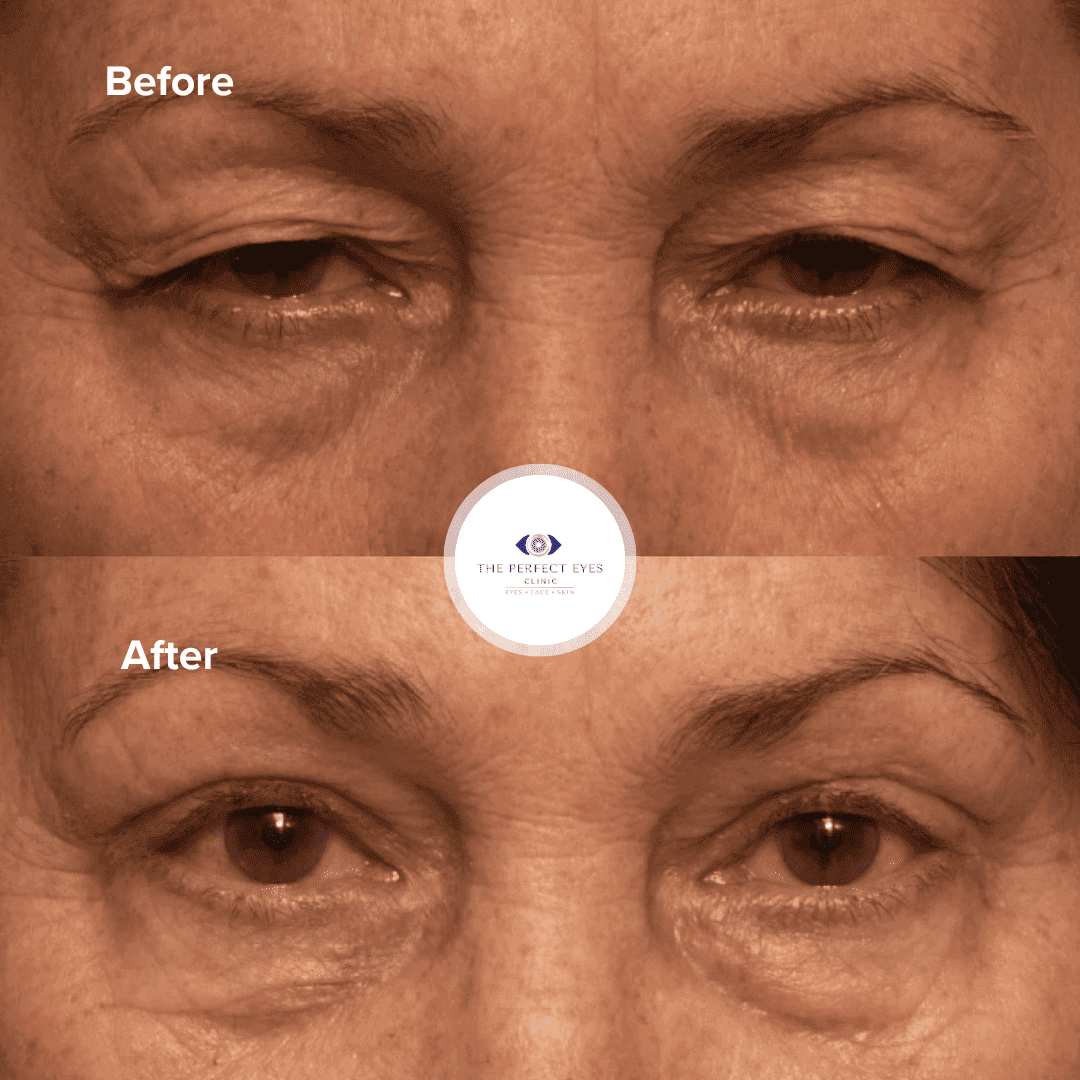
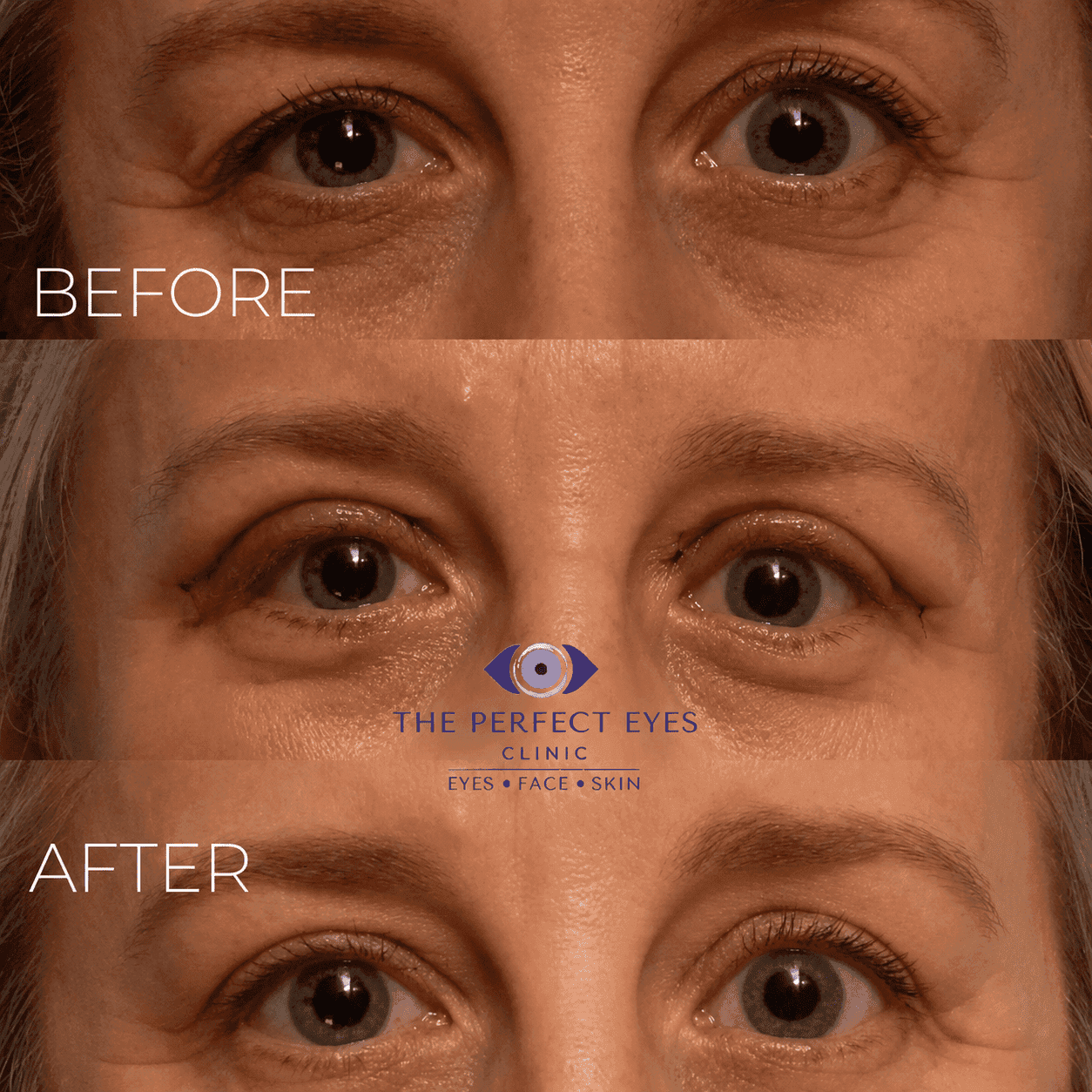
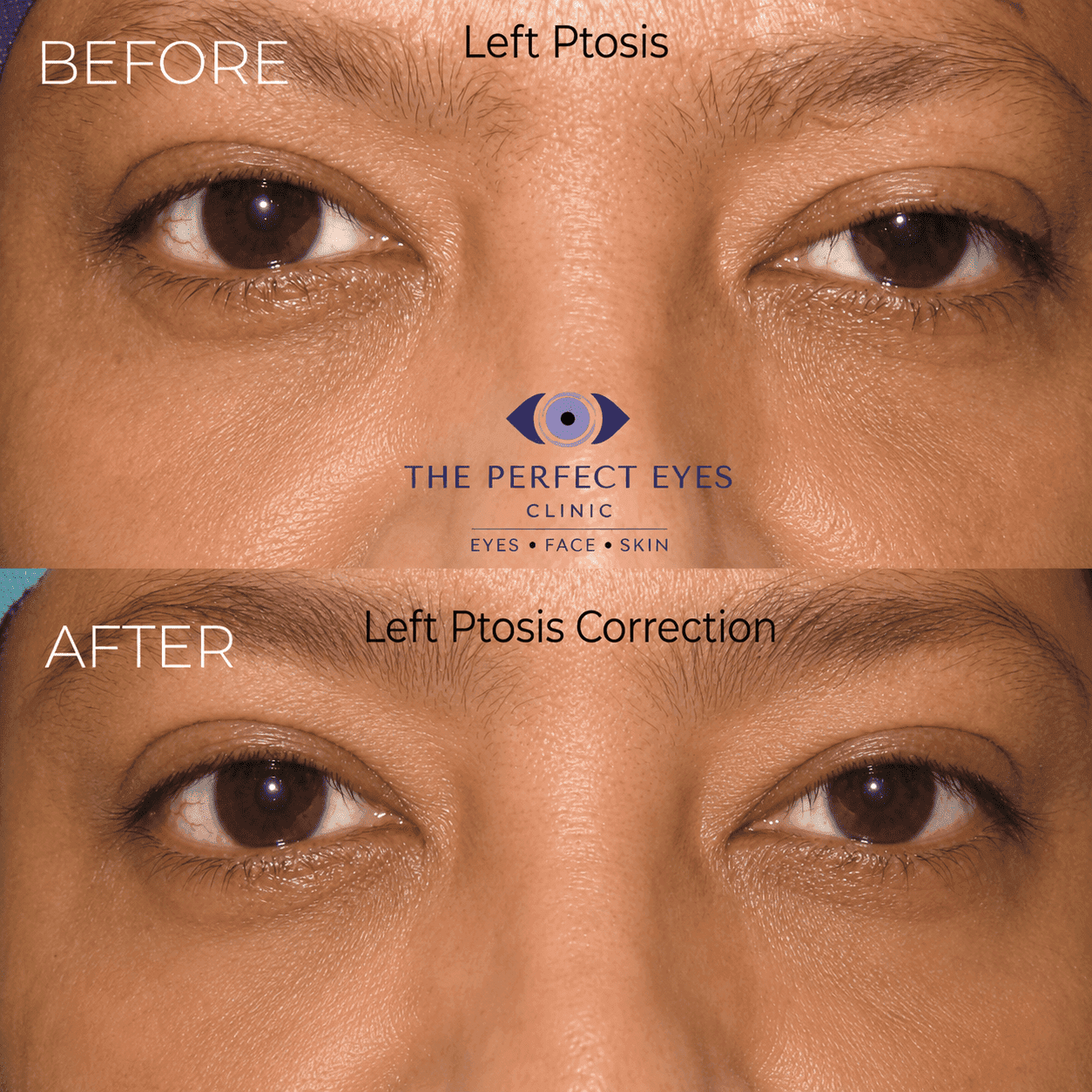
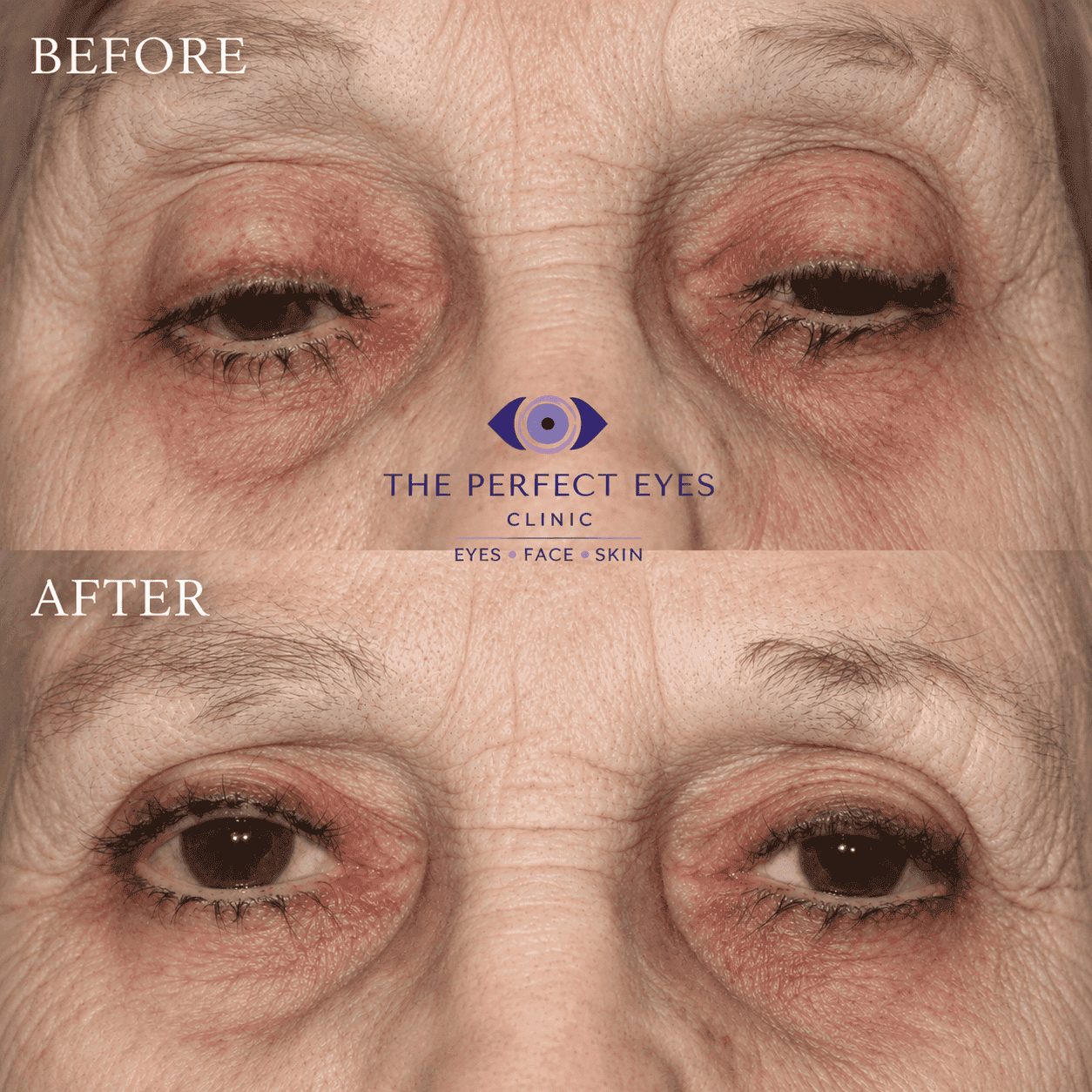
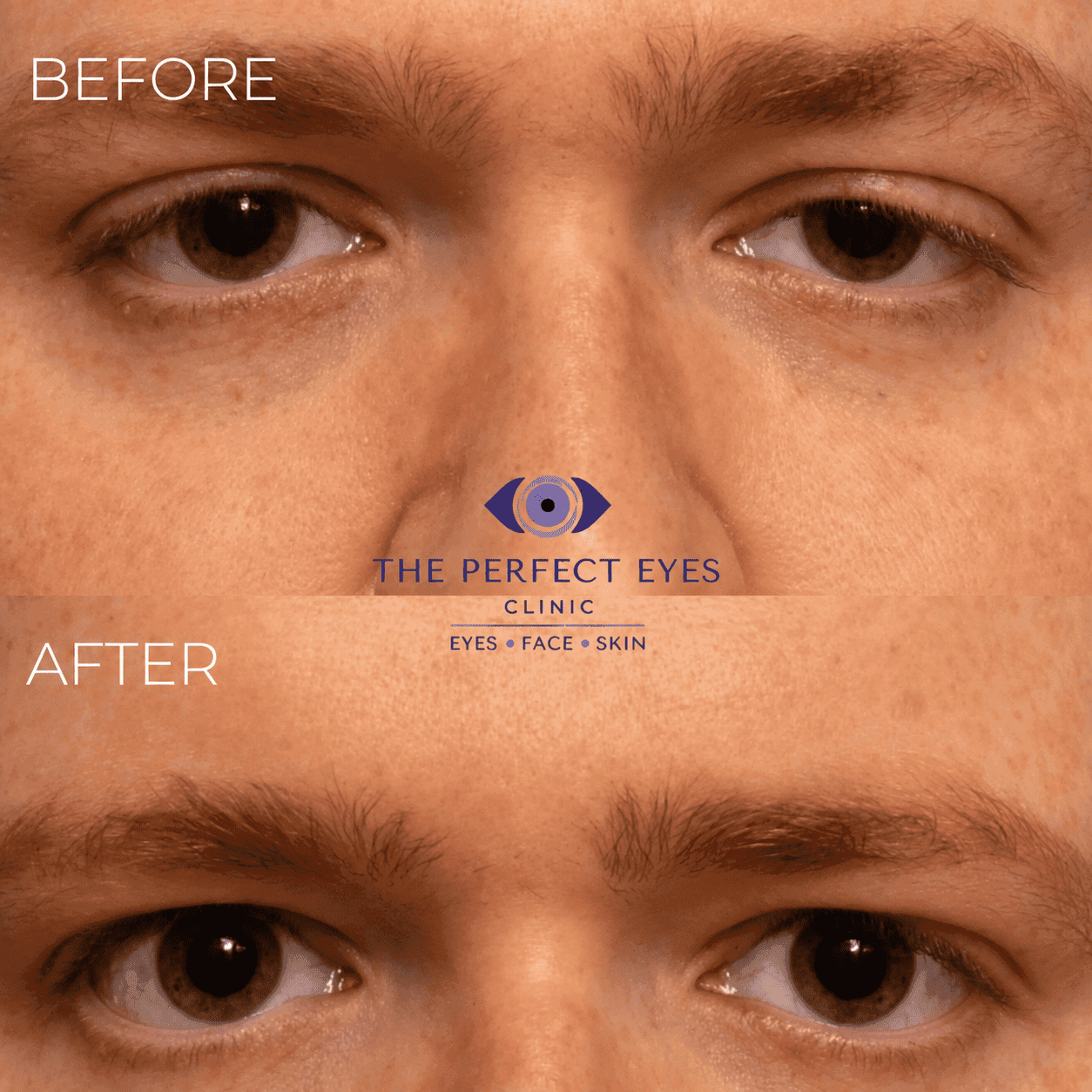
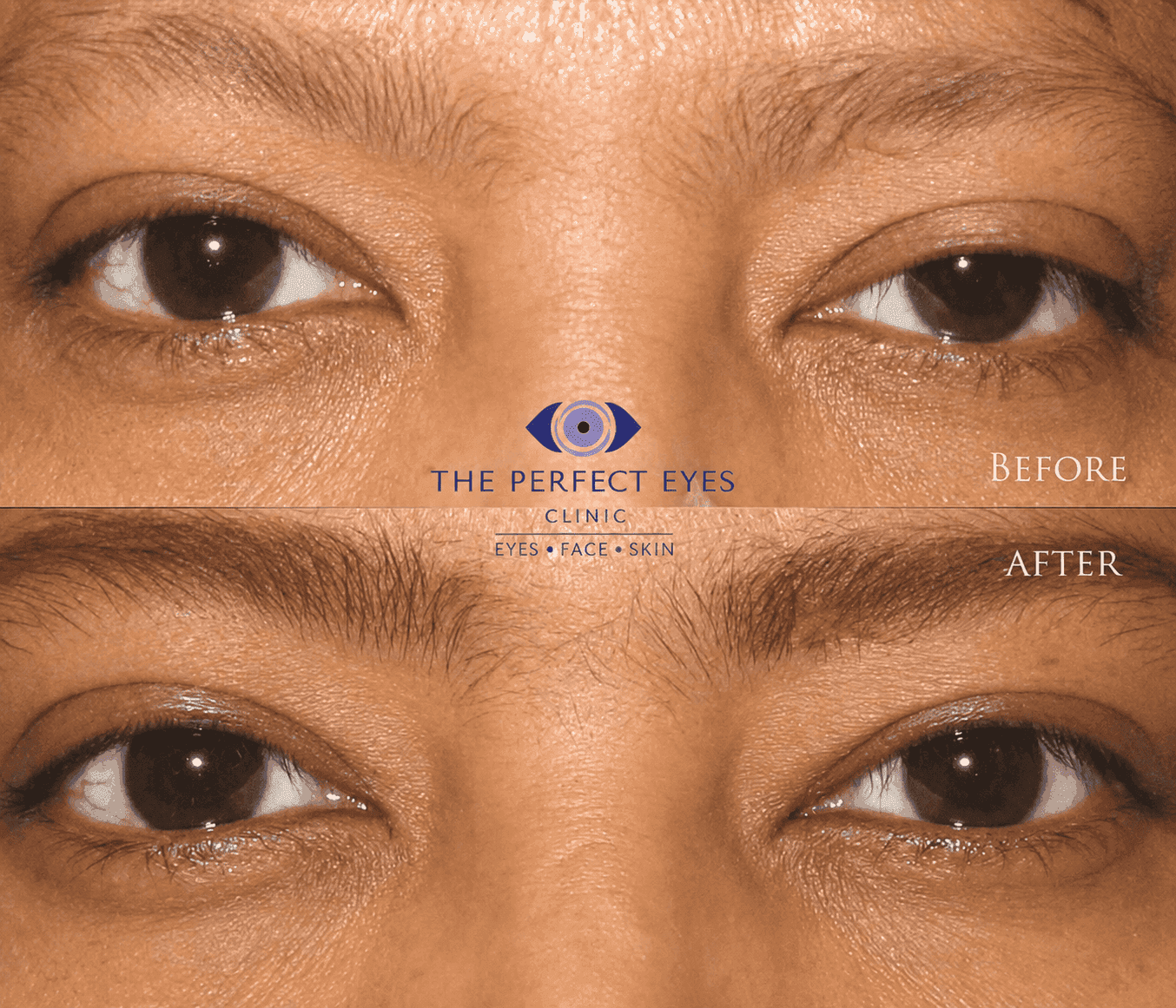
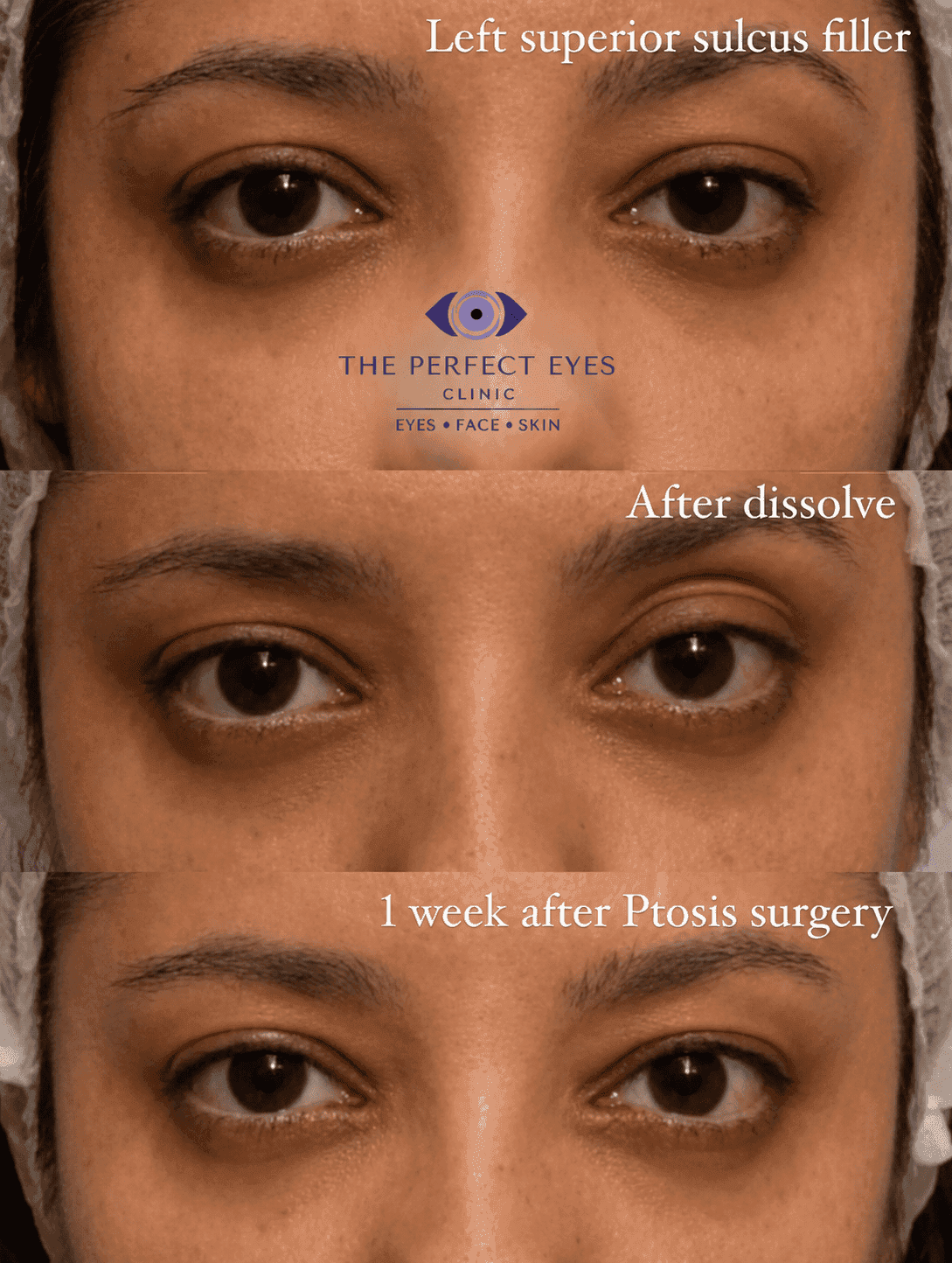
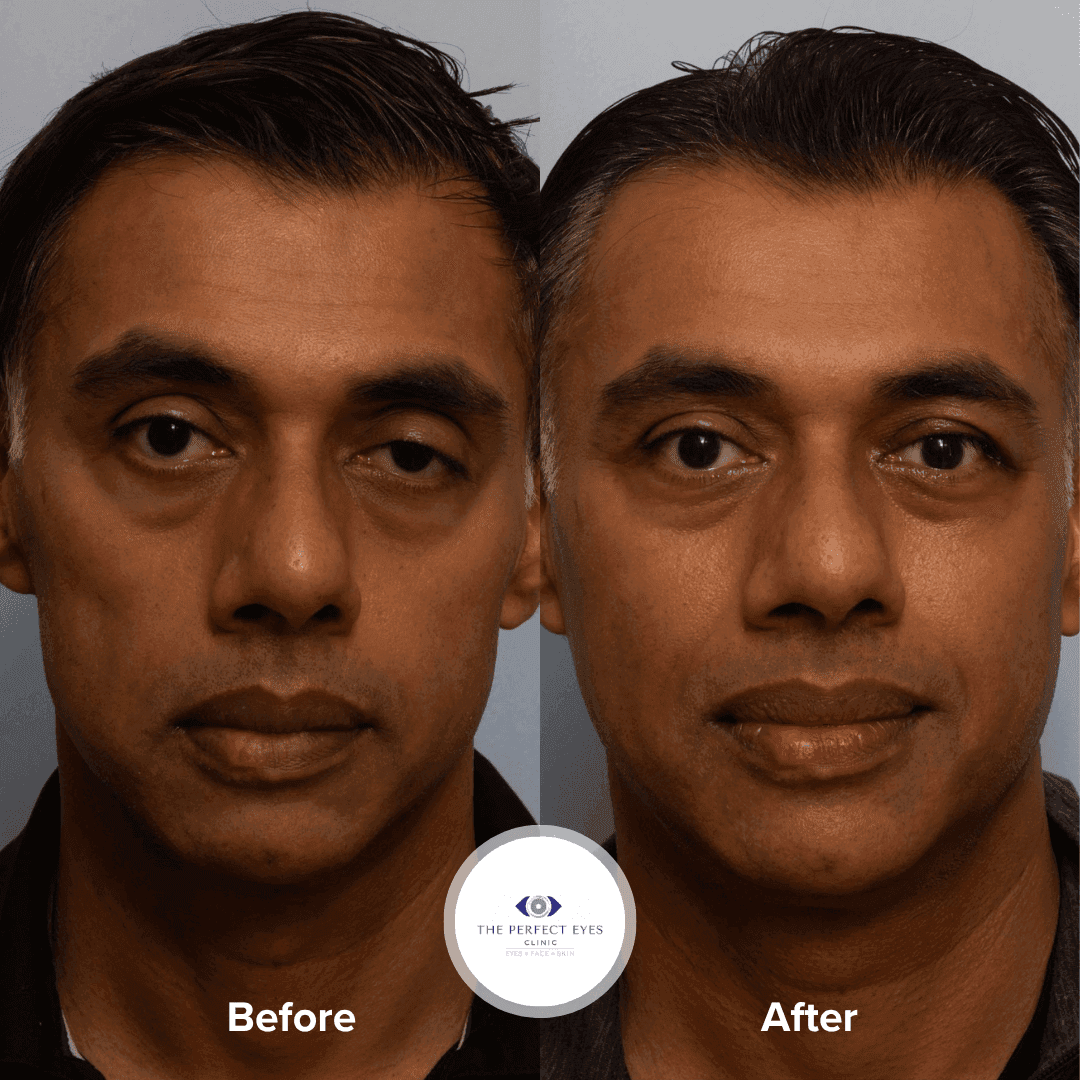
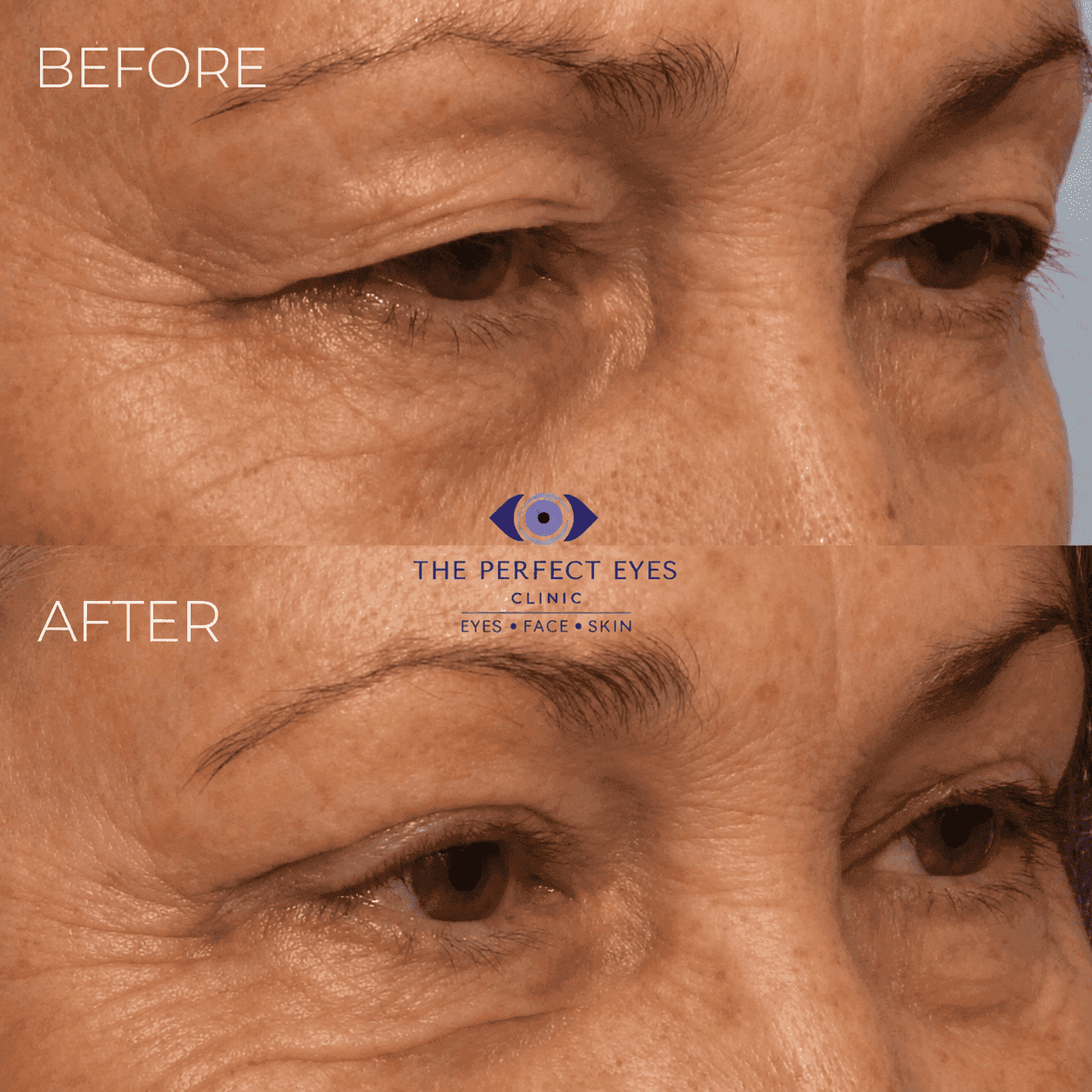
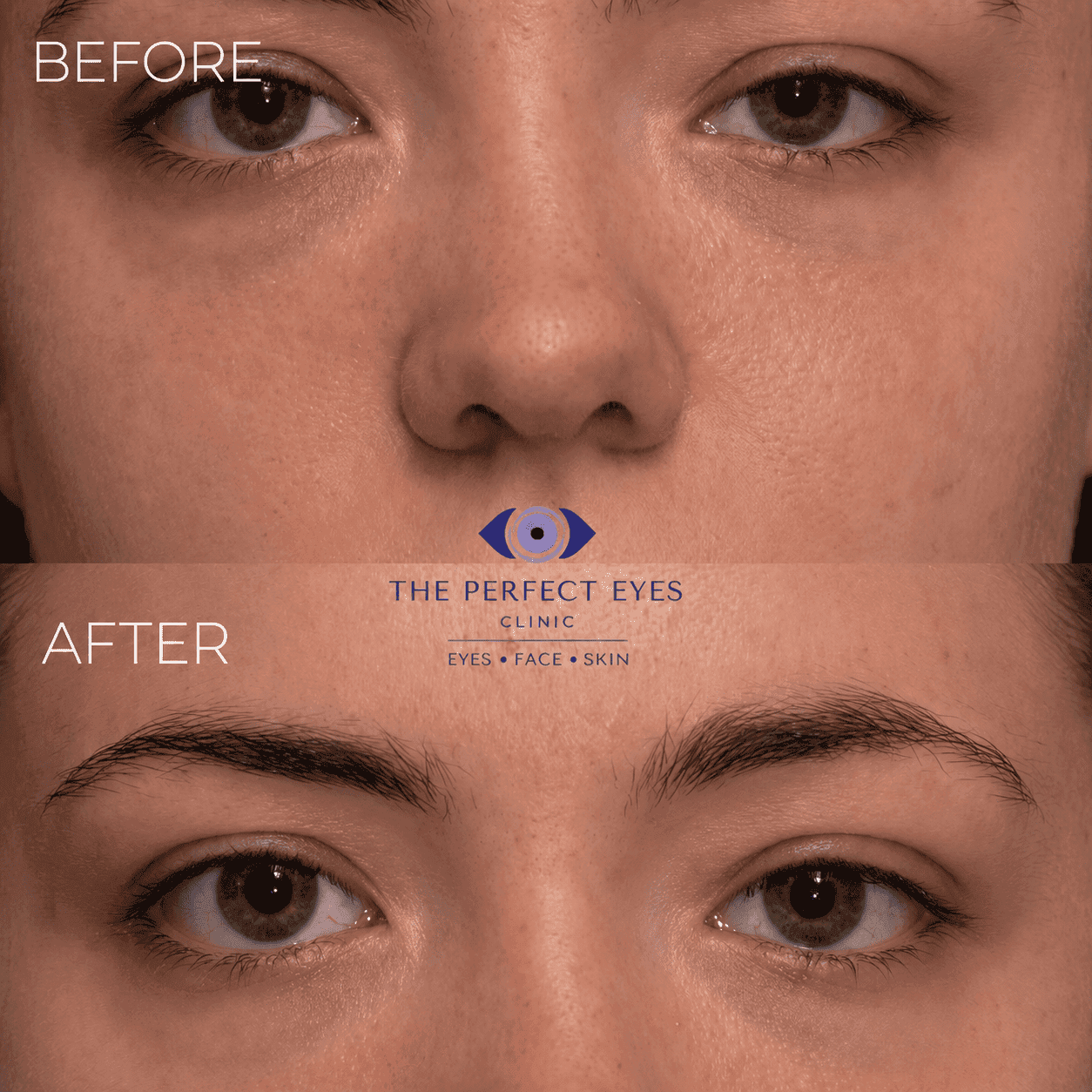
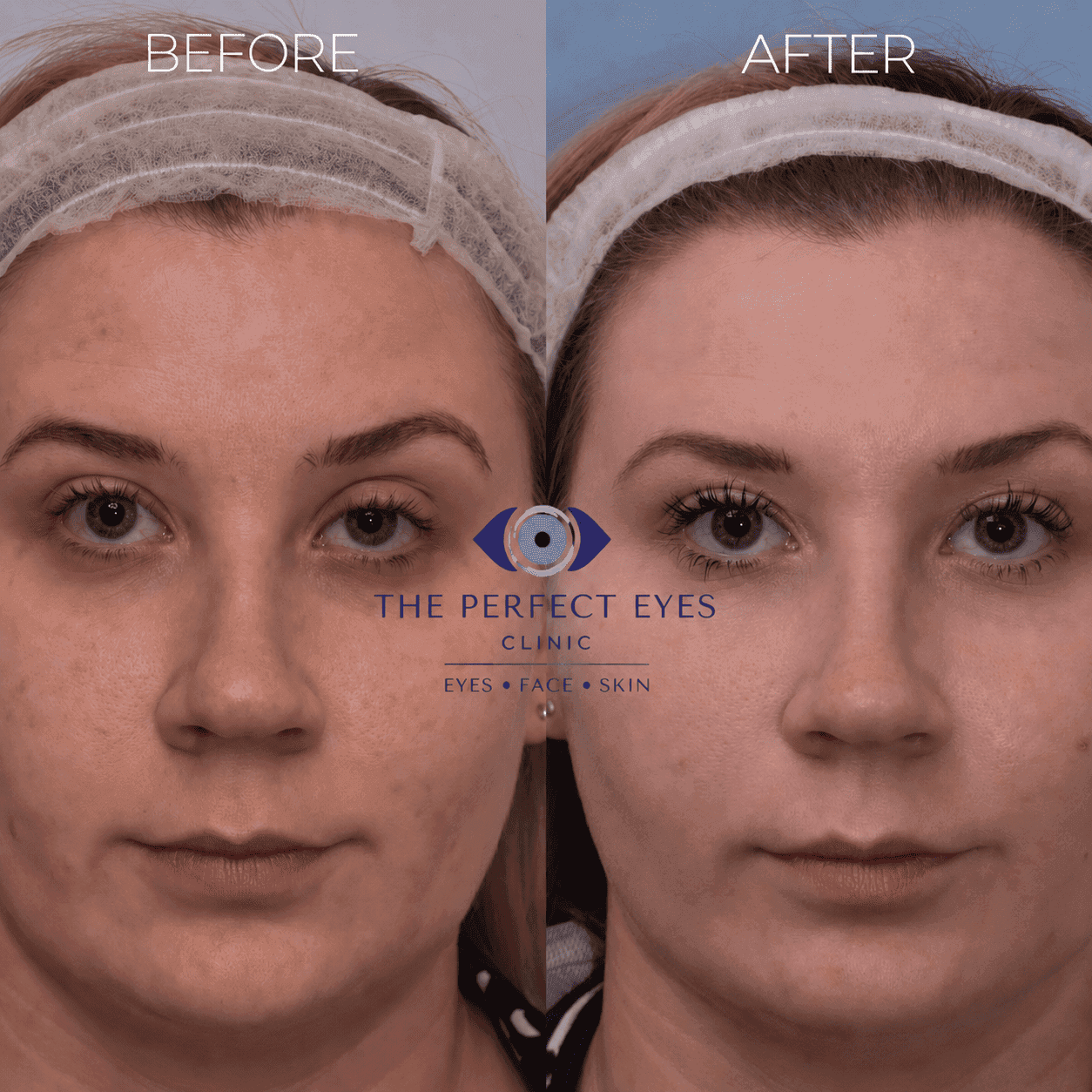
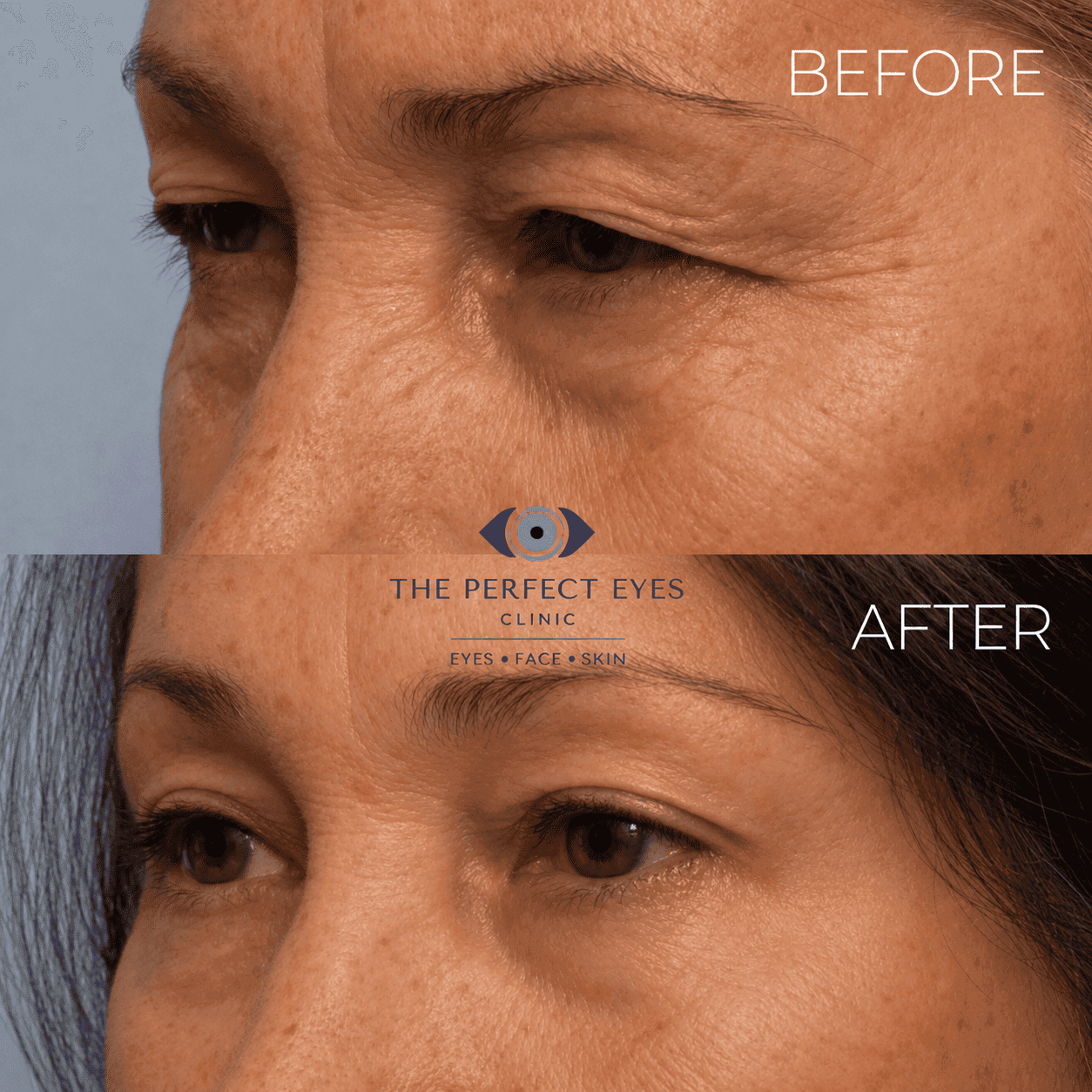
Disclaimer: Your results may vary. Any specific claims or duration of results vary for each patient and are not guaranteed.

Meet the Expert: Dr Sabrina Shah-Desai
Dr Sabrina Shah-Desai is the founder and Medical Director of Perfect Eyes Clinic. With over two decades of surgical and non-surgical experience, she is considered one of the safest, most experienced oculoplastic surgeons in the UK.
Her extensive training, combined with her caring and empathetic nature, makes her a natural choice for patients seeking the very best care. Dr Sabrina appears consistently in Tatlermagazine as one of the UK's “Best Eye Surgeons” and “Top Doctors” since 2019.
Learn About Dr SabrinaPtosis Surgery Cost in London
Prices are a guide; your surgeon confirms the total during consultation.
Unilateral £4,500, inclusive of hospital charge, local anaesthetic.
Bilateral £6,500, inclusive of hospital charge, local anaesthetic.
Important: all cosmetic procedures incur 20% VAT. Fees are estimates and will be confirmed after medical consultation.
Book a medical consultationFrequently Asked Questions
The questions patients ask most often, answered by the clinic. If yours isn’t here, ask us directly - we would be delighted to help.
- Patients with eyelid trauma or myopathic ptosis may benefit from ptosis props, crutch spectacles, or scleral contact lenses. Although the outcome may not produce as good an aesthetic result, in certain cases, they are an option to consider and can be discussed by your surgeon. Patients with mild (1 mm) ptosis can benefit from topical prescription eye drops (Upneeq). Some patients may also benefit from a neurotoxin injection to temporarily improve the eyelid ptosis.
- After a surgical ptosis procedure, patients can go home after a few hours. Pain medication is not needed, and you'll need to wear an eye patch for around 24 hours to reduce swelling. Antibiotic eye ointment and lubricant eye drops will be prescribed for several weeks after the operation. Follow-up appointments will be scheduled, and you should keep the wound clean and dry. Contact your doctor immediately if there are any signs of infection. Avoid strenuous physical activity for 14 days, swimming, wearing contact lenses, and make-up until the wound has completely healed.
- There are many products on the market that promise to tighten eyelids. But frequently, there is little or nonexistent evidence that these are effective. Ptosis cannot be effectively treated with facial exercises. Our expertise has shown that the most effective treatment for drooping eyelids is eyelid reduction surgery.
- Every surgical treatment has some risk. However, you can be sure you are in competent and safe hands with us. We will go over any potential issues and side effects during your appointment with us. Following your ptosis surgery, you should anticipate a few common symptoms, which often go away in a few days. Some of them include:
Infection: This is rare; stitches may become infected or inflamed. This can be swiftly settled with oral and topical antibiotics.
Scarring: Generally, scars are hidden in the skin fold. Stitches are normally visible for the first week, and when they are removed, a faint scar is visible. While the scar may seem thickened and red for 6 to 12 weeks, it will gradually become almost invisible after that period. While not every scar heals equally well, silicone scar remodelling gel can improve the appearance of a thickened or reddened scar. However, the treatment needs to be continued for several months to have a good result.
Large bruise or haematoma: This can be minimised by using ice packs, avoiding heavy exercise for 2 weeks after surgery, and stopping aspirin and other anticoagulants 2 weeks pre-operatively. If you do experience a haematoma, you may have to go back to have the blood clot removed and your stitches redone.
Asymmetry of eyelid shape, height, upper lid fold, or fullness: This is rare but can occur. Often, asymmetry may be due to lid bruising and settles as the swelling resolves. Rarely, this may require revision surgery. Occasionally, pre-existing asymmetry of the face, eyebrow, or eyeball position may be responsible; however, your surgeon will discuss this with you prior to the operation.
Blood-stained tears: This can occur within the first 48-72 hours after surgery and should be managed by gentle, firm, and constant pressure on the shut eyelid for 10-15 minutes.
Recurrence of ptosis: This can occur early or late after surgery due to suture dissolution, stretching, or scar weakening. It will need to be corrected by reoperation.
Contralateral ptosis: The position of one droopy eyelid can make the other appear normal. However, immediately after surgery, the "normal" eyelid can droop. This can correct itself within a few weeks or require a ptosis correction.
Exposed stitches causing discomfort or a pricking sensation: If this happens, the offending stitch must be removed. Rarely, if the stitch is not removed, it can cause a corneal ulcer, requiring intensive topical antibiotic treatment.
Call or email us today, we would be delighted to answer your questions.
Ask a Question or Book an AppointmentRated five stars by patients across the globe
4.8out of 5 from 240+ Google reviews




Book Your Consultation Today
Get personalised advice and expert care from our top medical professionals at 121 Harley Street, London.
Related Blogs
How Much Does a Brow Lift Cost in the UK?
For a brow lift surgery in the UK, prices begin at £6,000 for uncomplicated cases. The cost of a brow lift not only covers the actual surgery but…
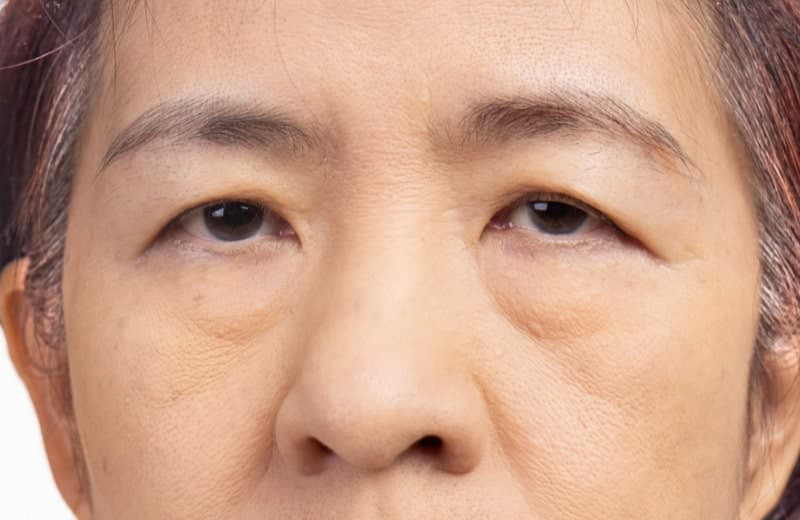
Sudden Droopy Eyelids: Causes, Symptoms, and Diagnosis
Droopy eyelids occur when the upper eyelid sags more than usual. This can be due to the eyelid itself sitting lower than normal (ptosis) or because…
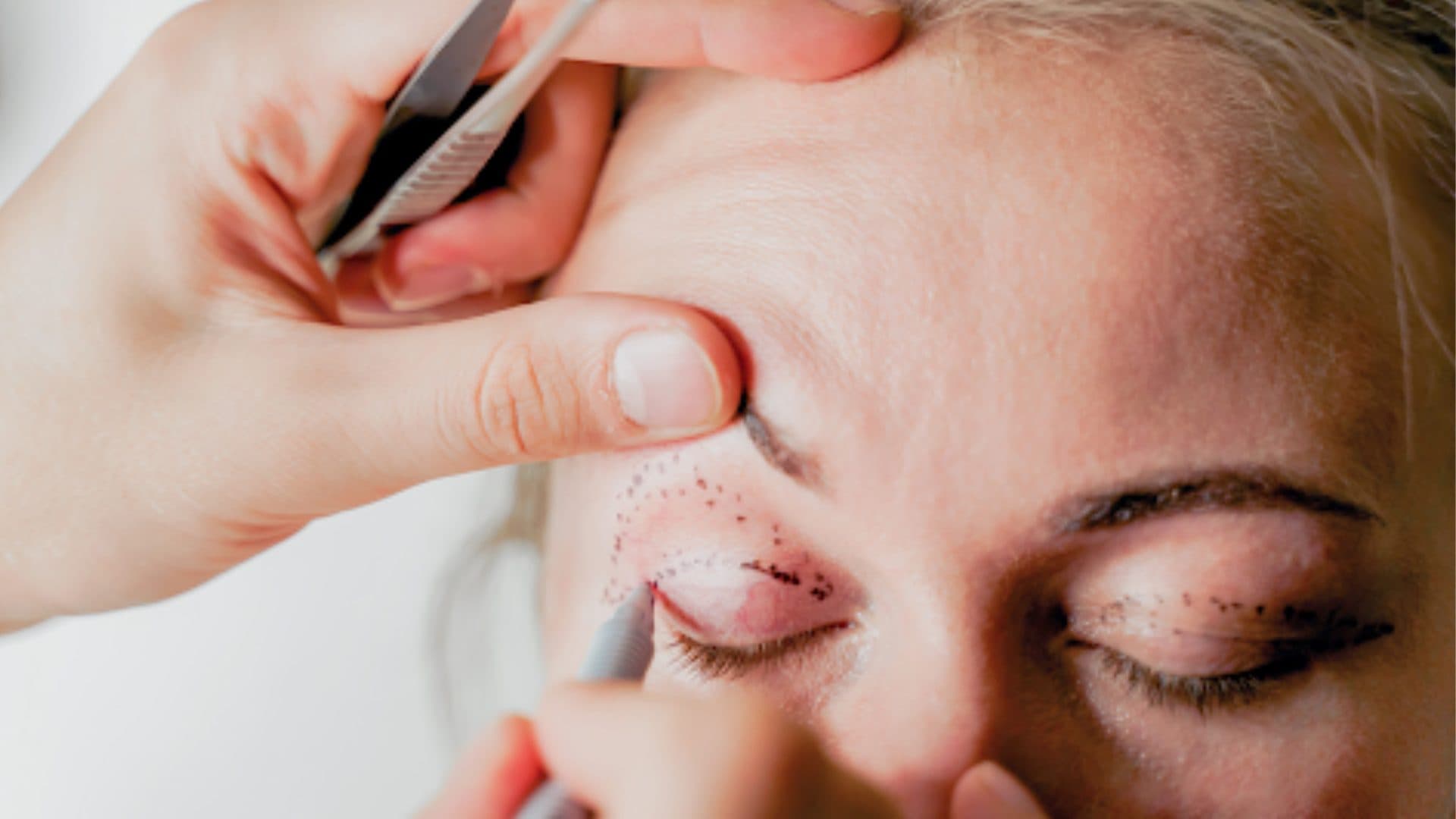
Ptosis Surgery Recovery
Ptosis of the eyes is commonly known as " droopy eyelids ." This condition signifies that your eyelids sag over your eyes. As we grow older, the…
How To Fix Droopy Eyelids Without Surgery?
Droopy eyelids are also known as skin or eyelid ptosis. It can be bothersome and make you look older. Things like genetics, getting older, and…
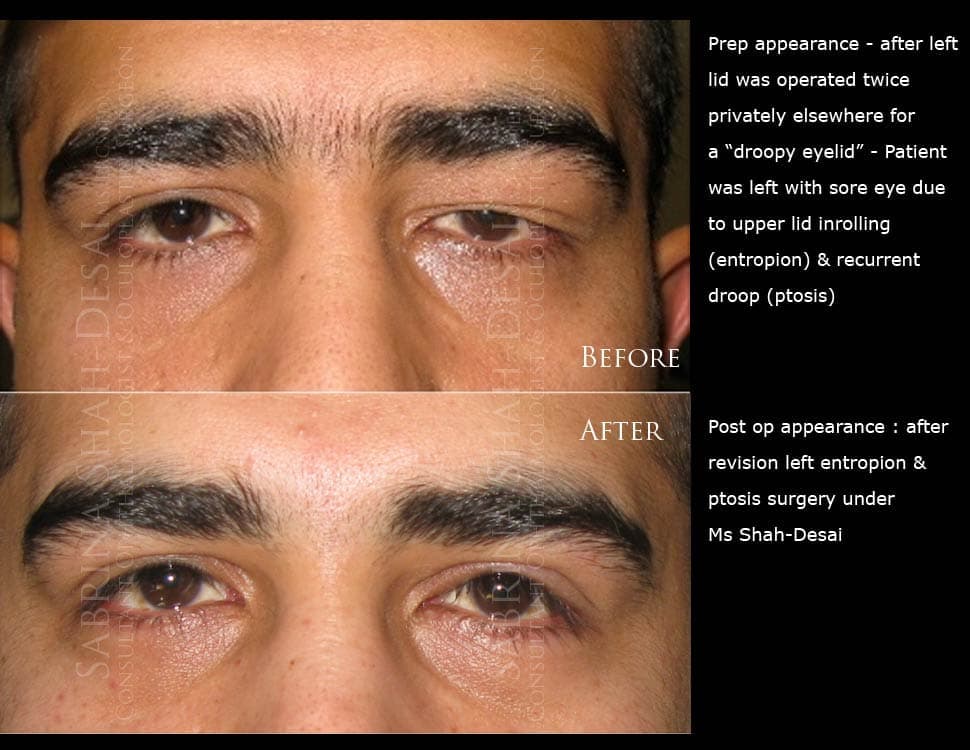
Case study for revision droopy eyelid (ptosis) surgery
"I was initially operated on by a Harley Street surgeon to correct a droop (ptosis) in my left eyelid. Two unsuccessful surgeries by the original…
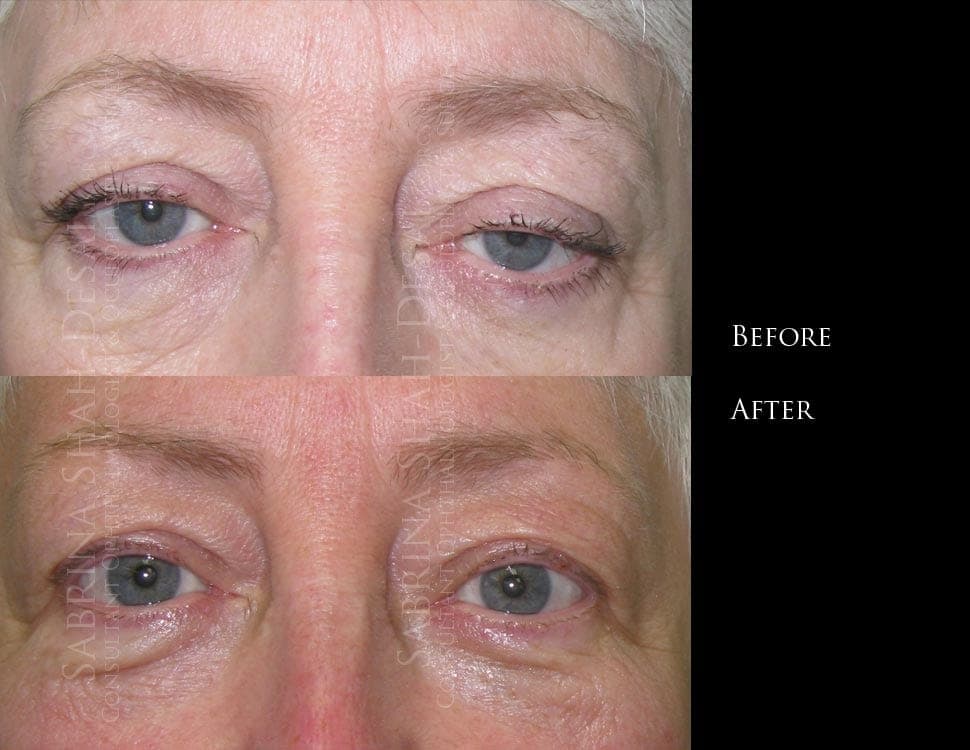
Case study : scarless droopy eyelid (ptosis) repair
I am absolutely thrilled with the outcome of my eye surgery. Mrs Shah-Desai did a brilliant job in correcting my ‘droopy eye’. I was a little…
Contact our clinic
Speak to our team about which treatment suits you, or arrange a private consultation at 121 Harley Street.