Have you ever stared in the mirror and noticed small, yellowish bumps under your eyes, wondering if your morning coffee habit is catching up with you?
You're not alone; those pesky spots, often called cholesterol bumps under eyes, pop up more than people talk about. They can throw off your overall look and raise real concern about what's going on inside your body.
What Are Cholesterol Bumps Under Eyes?
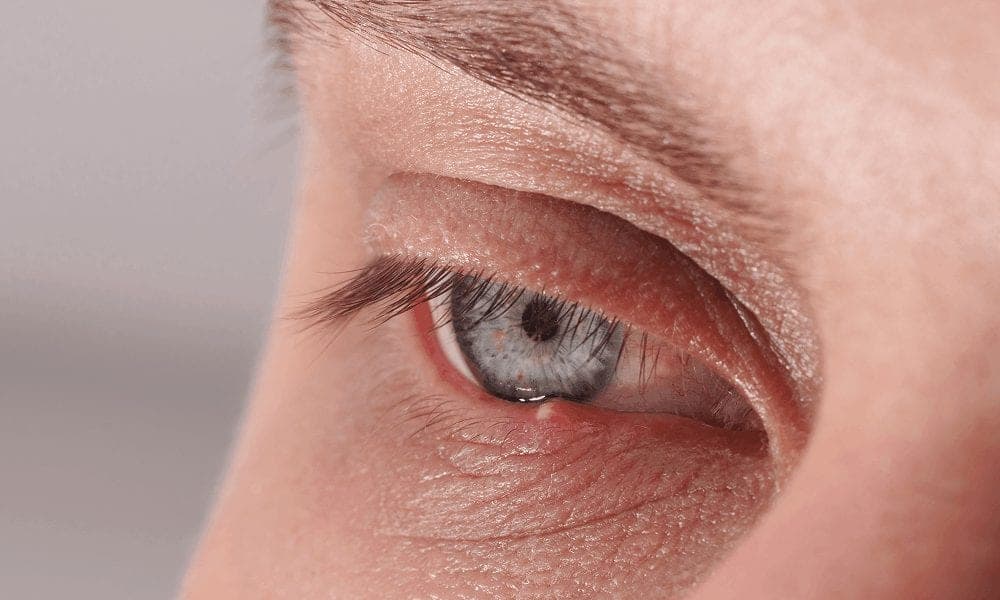
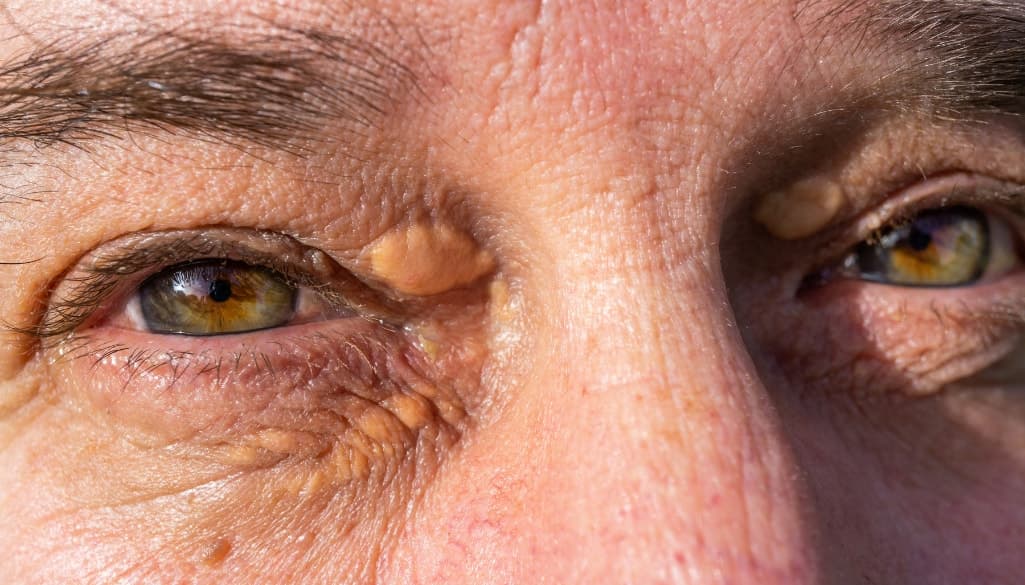
Cholesterol bumps under the eyes are soft, yellowish patches or raised spots that show up on the eyelids or just below them. Medically known as xanthelasma, they form when fat deposits, primarily cholesterol, accumulate in the skin around the eyes. These aren't your typical pimples; they're flat or slightly bumpy, waxy to the touch, and usually painless, which makes them easy to ignore at first. People often spot them in their 40s or 50s, but they can appear earlier as well. Cholesterol bumps under the eyes don't itch or hurt, but they stand out against smooth skin, especially on lighter complexions. If you've got a cholesterol bump under your eye on just one side or both, it's worth paying attention because it might hint at bigger health patterns.Are Cholesterol Bumps Dangerous or Just a Cosmetic Issue?
Cholesterol bumps under the eyes sit in a grey area, not always a red alert, but not just a vanity problem either. On the surface, they're harmless and don't affect vision or cause discomfort, so many folks brush them off as a cosmetic nuisance. But digging deeper, they can signal high cholesterol levels or other issues brewing beneath the skin.- Health risks: About half the time, these bumps are linked to elevated LDL cholesterol, increasing the risk of heart disease or artery buildup over time.
- No immediate danger: They rarely cause complications such as infection unless irritated, and they don't spread.
- Emotional side: The real hit often comes from how they prematurely age your appearance, denting confidence in photos or meetings.
- Warning flag: In some cases, they pair with conditions like diabetes or liver problems, turning a small spot into a prompt for full checkups.
What Causes Cholesterol Bumps Under Eyes?
Cholesterol bumps under the eyes don't just appear out of nowhere; they stem from how fats move through your body. Cholesterol buildup happens when excess lipids, those fatty substances in your blood, leak into tissues instead of staying balanced. Normally, your liver handles cholesterol production and clearance, but when things tip off-kilter, deposits form in thin-skinned areas like the eyes. Here are five main causes, broken down plainly:- Role of LDL (“bad cholesterol”): LDL carries cholesterol to cells, but too much floats around and sticks in artery walls or skin. High LDL directly fuels these eye deposits by overwhelming your system's cleanup crew.
- Genetic factors: Even if you're slim and active, family history can predispose you. Some folks inherit hyperlipidemia, where cholesterol processes go haywire regardless of diet, explaining why fit people still get cholesterol bumps under their eyes.
- Medical conditions: Diabetes disrupts blood sugar levels, spiking triglycerides that combine with cholesterol to form deposits. Thyroid issues, like hypothyroidism, slow metabolism, and lipid breakdown, while liver diseases impair fat filtering.
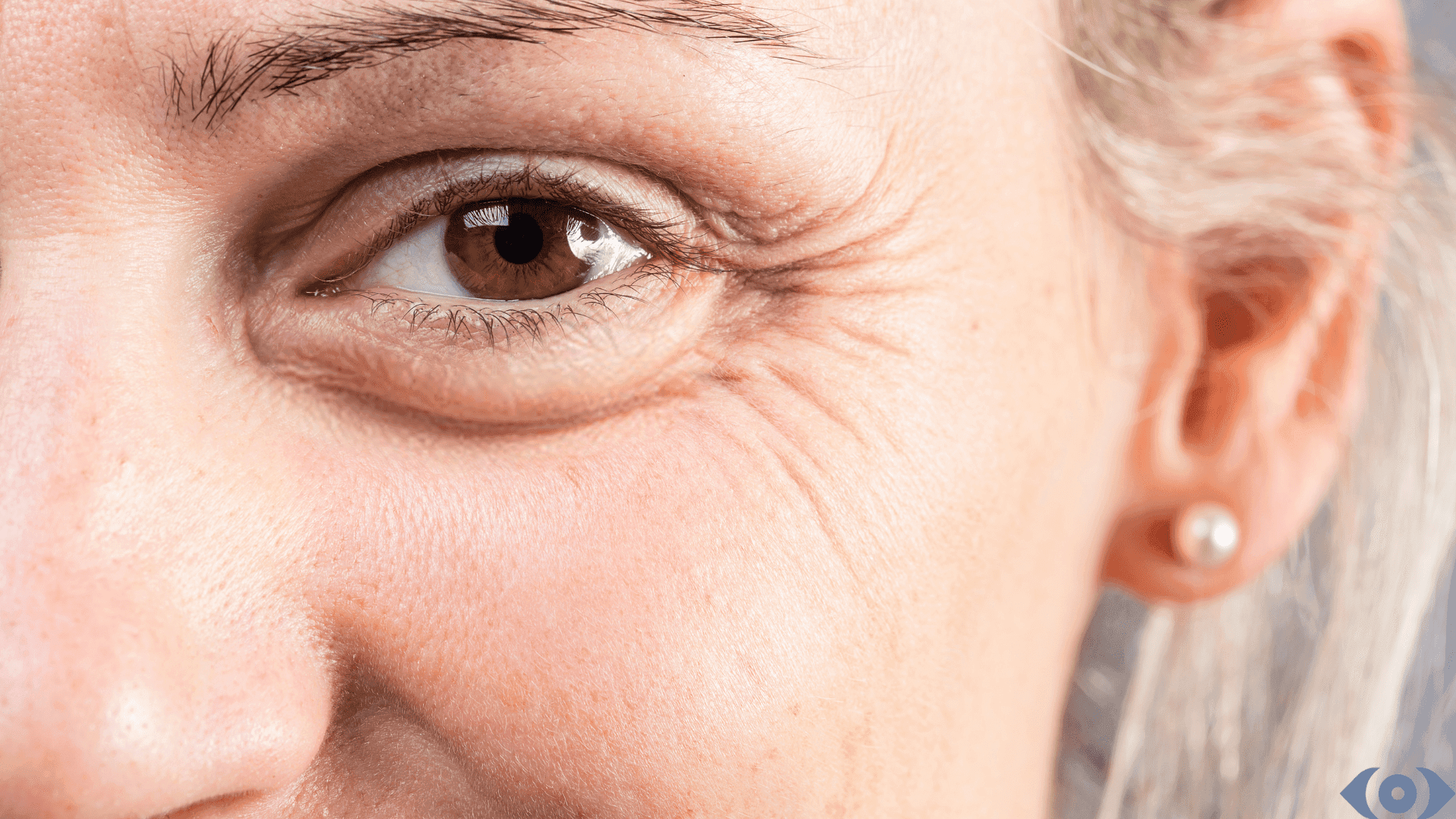
- Age influence: Skin thins and loses elasticity after 40, making deposits more visible. Hormonal shifts around menopause can nudge cholesterol higher, too.
- Lifestyle habits: Diets high in fried foods, smoking, and prolonged sitting raise LDL. Excess weight adds pressure, though it's not always about calories - it's fat quality that counts.
High Cholesterol Symptoms Eyes Can Reveal
Your eyes act like a window into cholesterol levels, revealing high cholesterol symptoms before blood tests. These signs cluster around the lids and whites, often subtle at first. Six key ones include:- Yellowish patches (xanthelasma): The classic cholesterol bumps under eyes, soft and waxy on the inner lids.
- Greyish ring (arcus senilis): A white or blue ring circling the cornea, common over 50, but earlier signals high lipids.
- Blinking discomfort: Dryness or irritation from lipid imbalances affecting the tear films.
- Sudden vision blur: Rare, but plaque in eye vessels from cholesterol can mimic this.
- Yellowish bumps on the whites: pinguecula, inflamed spots caused by sun and lipid exposure.
- Reds or bursts: Tiny vessel breaks tied to hypertension, which often rides with high cholesterol.
Cholesterol Bump Under Eye vs Other Eye Lumps
A cholesterol bump under the eye appears distinct but is often mistaken for an everyday lump. Here's a straightforward breakdown:| Feature | Cholesterol Bump Under Eye | Milia | Cysts | Allergic Swelling | Acne |
| Appearance | Yellowish, flat/raised, waxy | White, tiny pearls | Firm, round lump | Puffy, red, itchy | Red, pus-filled |
| Pain | None | None | Sometimes | Yes, itchy | Yes, tender |
| Duration | Permanent without treatment | Weeks to months | Months/years | Hours to days | Days to weeks |
| Cause | Lipid deposits | Keratin trap | Blocked gland | Allergens | Bacteria/oil |
Understanding Early-Stage Xanthelasma
Early-stage xanthelasma typically presents as a subtle, faint yellow tinge or a tiny flat spot on the upper lid. Unlike advanced versions that bulge and spread, these are barely noticeable and are often dismissed as shadows or fatigue. Patients often miss early-stage xanthelasma because it blends with the skin's texture and lacks the puffy look of later-stage growths. Catching it young means simpler removal with less scarring and better blending. Early treatment yields smoother cosmetic results because the skin hasn't yet stretched around the deposit.Xanthelasma Treatment Options Explained Clearly
Xanthelasma treatment continues to evolve, with options tailored to size and health status. No one-size-fits-all doc pick based on your skin and cholesterol status.- Laser treatment: A precise beam vaporizes fat without cutting; 15-minute sessions; pinkness fades in days; 90% success; minimal downtime.
- Surgical removal: Scalpel shaves it off under local numbing; best for thick bumps, quick heal, but small scar risk.
- Chemical cauterisation: Trichloroacetic acid peels off layers; affordable, in-office procedure; redness lasts a week.
- Radiofrequency treatment: Heat waves gently remove deposits; low recurrence; smooth finish on thin skin.
Can Cholesterol Bumps Come Back After Treatment?
Yes, cholesterol bumps under the eyes can recur if the root causes persist. Treatment removes the visible spot, but unchecked LDL or genetic factors can recolonise the area within months to years. About 40% see regrowth without lifestyle shifts. Pair removal with bloodwork and diet for lasting clear skin.Prevention Tips to Avoid Cholesterol Bumps Under Eyes
Dodging cholesterol bumps under the eyes boils down to smart habits anyone can adopt. Start with bloodwork to establish baseline values.- Diet guidance: Swap fries for salmon, oats, and nuts. Aim for fibre-rich meals that bind fats. Realistic: Two veggie servings daily cuts LDL 10%.
- Manage cholesterol early: Walk 30 minutes most days; quit smoking to boost HDL.
- Regular health checkups: An annual lipid screen catches increases before issues develop.
- Eye hygiene myths vs. facts: Garlic rubs don't dissolve fats, save time by using sunscreen to protect the lids. Skincare hydrates but skips cholesterol fixes.
Final Thoughts
Your eyes might be dropping hints about cholesterol, and no, it's not begging for that third espresso. Visit our clinic for a no-pressure consultation; our specialists spot issues early and handle xanthelasma treatment with a gentle touch. Cholesterol bumps under the eyes (xanthelasma) may indicate elevated cholesterol levels and are treatable with options such as laser or radiofrequency for smooth results. Pair removal with diet tweaks, exercise, and checkups to prevent return and protect heart health. Consult a specialist earl, your clear lids and peace of mind are worth it.Good to know
Frequently asked questions
Still unsure? Our team is glad to talk you through anything before you book.
- Garlic rubs or lemon peels might irritate the delicate eye skin, but they won't dissolve the fat deposits; they lack the power to break down cholesterol buildup. Stick to professional xanthelasma treatment for safe removal, as DIY tricks often lead to redness or scarring without results.
- Early-stage xanthelasma can remain small for months, but over 1-2 years, it often thickens and spreads across the lid without intervention. Factors like high LDL levels can accelerate this, turning a small cholesterol bump under the eye into a noticeable cluster.
- No, these lipid spots don't block sight or press on the eye; they're surface-level and painless. But if high cholesterol symptoms in the eyes lead to vessel issues, blurry vision could follow indirectly, so monitor with a doctor.
- Often classified as cosmetic, laser or radiofrequency eye cholesterol treatment isn't always covered. Still, if linked to high cholesterol or diabetes, some plans chip in to check with your provider after a clinical evaluation.
- Exercise boosts HDL to fight bad cholesterol, lowering recurrence risk post-treatment, but pair it with diet for the best odds. Aim for 150 minutes weekly of brisk walks to keep levels steady and skin clear.