Have you ever looked closely at your skin and noticed that it no longer feels as smooth as it once did? Perhaps your makeup is sitting unevenly, your pores appear more visible, or your skin feels rough despite using a moisturiser.
This is often described as textured skin. It is a common concern, but it is not a single skin condition. Different types of texture can have different causes, which means the best way to improve it depends on what is actually happening beneath the surface.
The good news is that textured skin can often be improved with the right skincare routine, consistent sun protection and, when appropriate, professional treatments.
What Is Textured Skin?
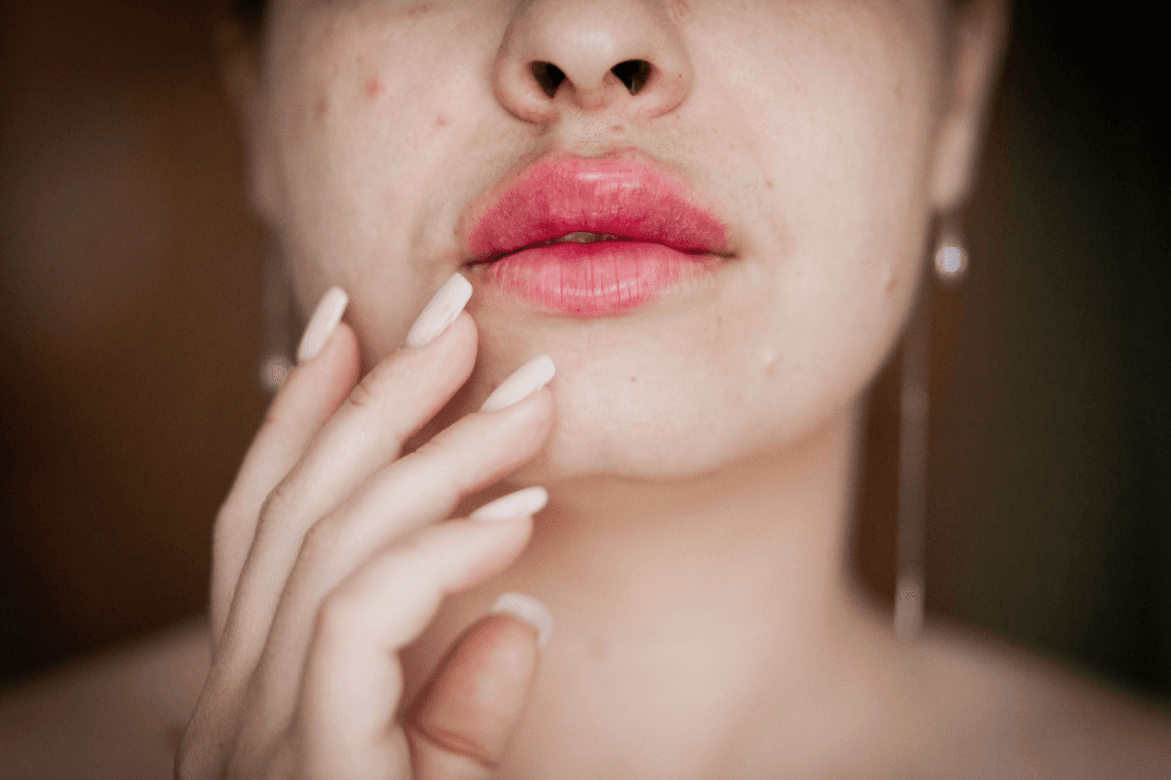
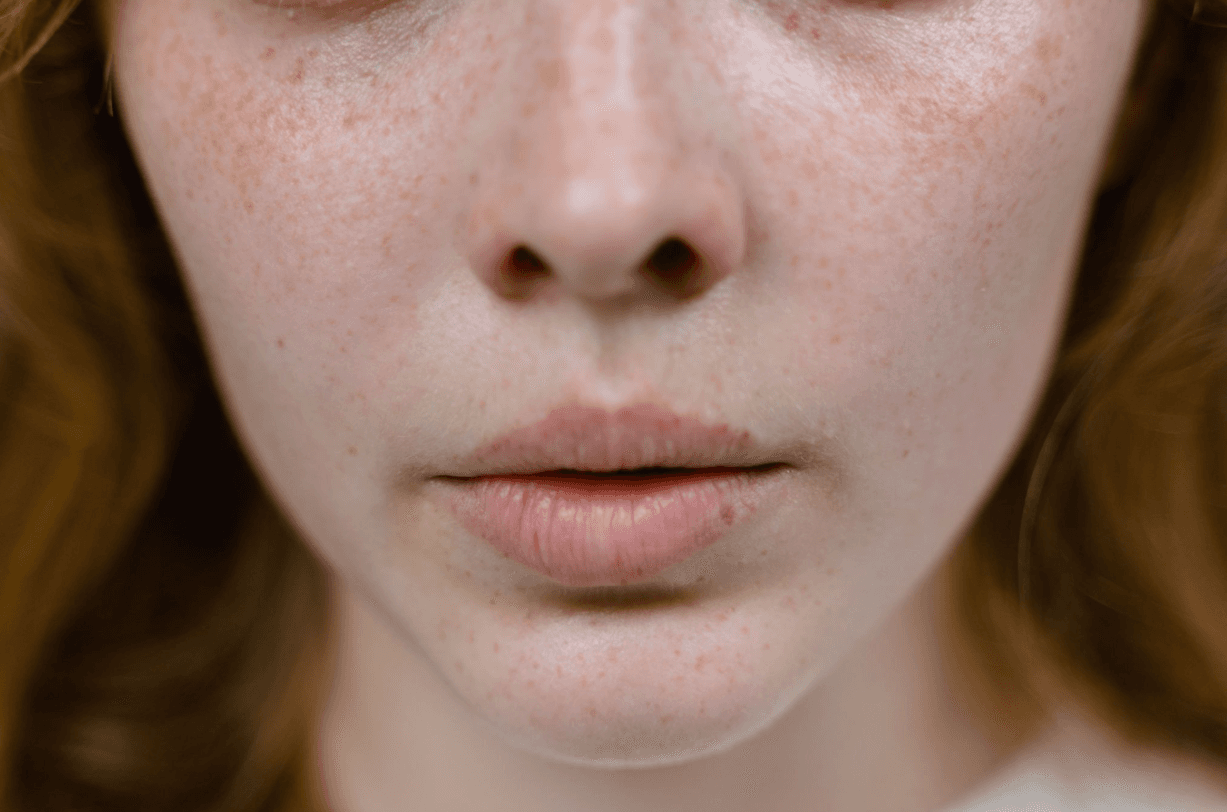
Textured skin refers to an uneven surface of the skin. It may feel rough, look bumpy or appear less smooth and even than usual.
Healthy skin naturally has pores, fine lines and a slightly uneven surface. The aim is not to remove every natural feature, but to improve the appearance and feel of the skin when texture becomes more noticeable.
Textured skin can appear on the cheeks, forehead, chin and around the eyes. It may also become more noticeable with age, as the skin gradually loses collagen, elasticity and moisture.
What Causes Textured Skin on the Face?
There is no single cause of textured skin. Several factors can contribute to the way the skin looks and feels.
1. Build-up of Dead Skin Cells
The skin naturally sheds dead skin cells. When these cells do not shed evenly, they can build up on the surface, making the skin feel rough or look dull.
This can also make skincare products and makeup sit less evenly on the skin. Our guide to a skincare routine for dull skin looks at this in more detail.
2. Enlarged Pores
Pores are a normal part of the skin. However, they can appear more visible when there is excess oil, congestion or a loss of skin elasticity.
Pores cannot be permanently removed, but their appearance can often be improved with appropriate skincare and treatment.
3. Acne and Congestion
Acne can leave behind more than just blemishes. Blocked pores, active breakouts and the healing process can all affect the skin’s surface.
Some people develop small bumps, while others may notice unevenness after acne has settled.
4. Acne Scars
Acne scars can change the texture of the skin. Depressed scars may create small indentations, while raised scars can appear as firm areas above the skin’s surface.
These types of texture are different from temporary congestion and may require professional treatment.
5. Dehydrated Skin
When the skin lacks moisture, fine lines and unevenness can become more noticeable. Dehydrated skin may feel tight, look dull or develop a rougher surface.
This is particularly common during colder weather, after excessive cleansing or when the skin barrier has been affected.
6. Sun Damage and Ageing
Sun exposure can contribute to changes in skin texture over time. It can affect collagen and elastin, which help support the skin’s structure.
As the skin ages, fine lines, uneven pigmentation and a gradual loss of firmness may also make the surface appear less smooth.
7. Skin Conditions
Certain skin conditions can cause persistent roughness, bumps or scaling. If the texture is new, worsening or accompanied by redness, itching or irritation, it is important to have it assessed rather than assuming it is simply a skincare concern.
What Are the Different Types of Textured Skin?
Understanding the type of texture you have can help you choose the right approach.
Rough or Uneven Skin
This type of texture often feels dry or rough to the touch. It may be linked to dead skin cell build-up, dehydration or an impaired skin barrier.
The skin may look dull, and makeup can settle unevenly.
Bumpy Skin
Small bumps may be caused by congestion, blocked pores or irritation. They can appear on the forehead, cheeks or chin and may be more noticeable under certain lighting.
Not every bump is acne, so it is important to avoid treating all bumps in the same way.
Enlarged Pores
Visible pores are often most noticeable around the nose, cheeks and forehead. They may appear larger when the skin produces more oil or when the surrounding skin loses elasticity.
A consistent routine can help improve their appearance, although pores are a natural feature of the skin.
Fine Lines and Wrinkles
Fine lines are another form of skin texture. They can become more visible with age, sun exposure and dehydration.
The delicate skin around the eyes is particularly prone to fine lines because it is thinner and moves frequently with facial expressions.
Acne Scars and Depressed Texture
Depressed acne scars create uneven areas in the skin’s surface. These are not the same as temporary bumps or dry skin and may need treatments that work more deeply within the skin.
How to Treat Textured Skin on the Face
The best approach depends on the cause, but a few skincare habits can make a meaningful difference.
1. Start with a Gentle Cleanser
A gentle cleanser helps remove dirt, oil, makeup and impurities without unnecessarily stripping the skin.
Over-cleansing or using harsh products can leave the skin feeling tight and may make roughness more noticeable.
2. Use a Moisturiser Regularly
Keeping the skin hydrated can help improve the appearance of fine lines and roughness.
Look for a moisturiser that supports the skin barrier and suits your skin type. If your skin is sensitive or easily irritated, a simpler routine may be more beneficial than using several active ingredients at once.
3. Exfoliate Carefully
Exfoliation can help remove dead skin cells and improve the appearance of uneven texture. However, more exfoliation does not necessarily mean better results.
Using too many exfoliating products, or using them too frequently, can cause irritation and make the skin feel rougher.
If you are new to exfoliation, start slowly and choose a product that is appropriate for your skin.
4. Consider Ingredients That Support Skin Renewal
Certain skincare ingredients can help improve the appearance of textured skin over time.
- Retinoids can support skin renewal and help improve the appearance of fine lines and uneven texture.
- AHAs, such as glycolic or lactic acid, can help exfoliate the skin’s surface.
- Salicylic acid may be useful for skin prone to congestion because it can help clear blocked pores.
- Niacinamide can support the skin barrier and may help improve the appearance of pores and uneven skin tone.
The right ingredient depends on your skin type and the cause of the texture. It is also important to introduce active ingredients gradually.
5. Wear Sunscreen Every Day
Sun protection is one of the most important steps in managing skin texture.
UV exposure can contribute to premature ageing, pigmentation and changes in skin structure. Using a broad-spectrum sunscreen every day can help protect the skin and prevent further sun-related damage.
6. Avoid Picking or Scrubbing the Skin
Scrubbing the skin aggressively or picking at bumps can cause irritation and may increase the risk of marks and scarring.
If you are dealing with persistent congestion or acne, it is better to use an appropriate treatment rather than trying to physically remove every bump.
Can Skincare Improve Textured Skin?
Yes, skincare can help improve many types of textured skin, particularly when the concern is related to dehydration, dead skin cell build-up, congestion or early signs of ageing.
However, the results depend on the cause and how consistently the routine is followed.
For example, a moisturiser may help improve rough, dehydrated skin, while a retinoid may be more appropriate for fine lines and uneven texture. Acne scars, on the other hand, may require professional treatment.
It is also important to remember that skincare takes time. Improvements are usually gradual rather than immediate.
When Should You Consider Professional Treatment?
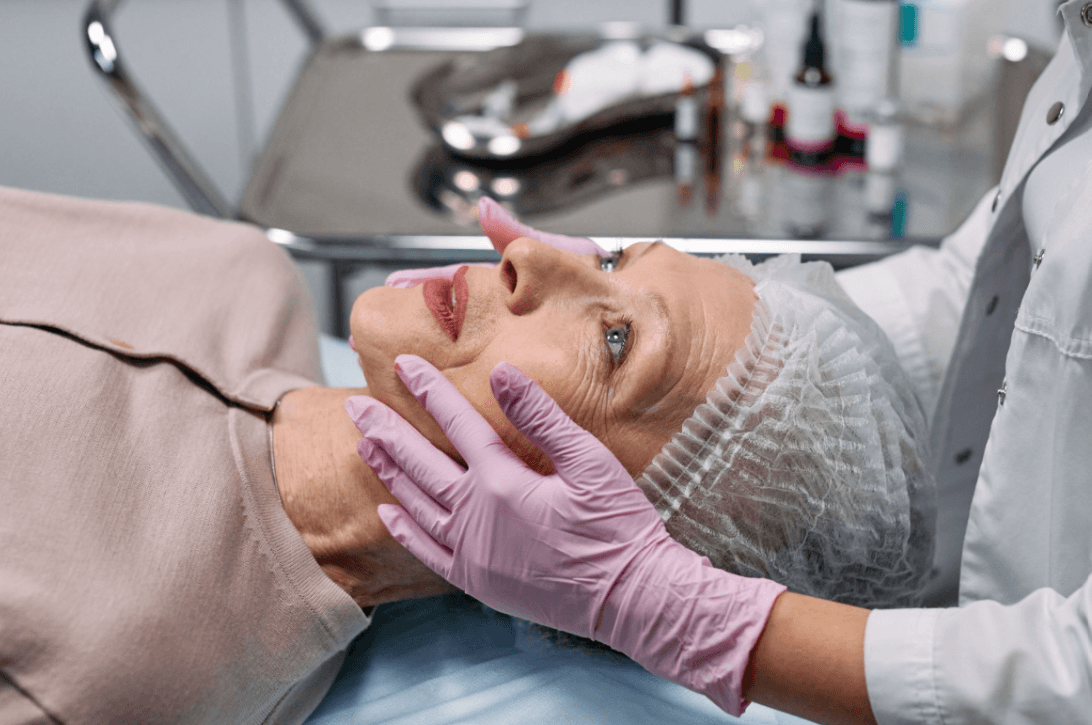
If your skin texture is persistent, worsening or affecting your confidence, a professional assessment can help identify the cause.
Professional treatments may be considered for concerns such as:
- Acne scars
- Deep lines and wrinkles
- Significant sun damage
- Persistent congestion
- Loss of skin firmness
- Uneven texture that does not improve with skincare
The most suitable treatment will depend on your skin, the type of texture and your overall goals.
What About Textured Skin Around the Eyes?
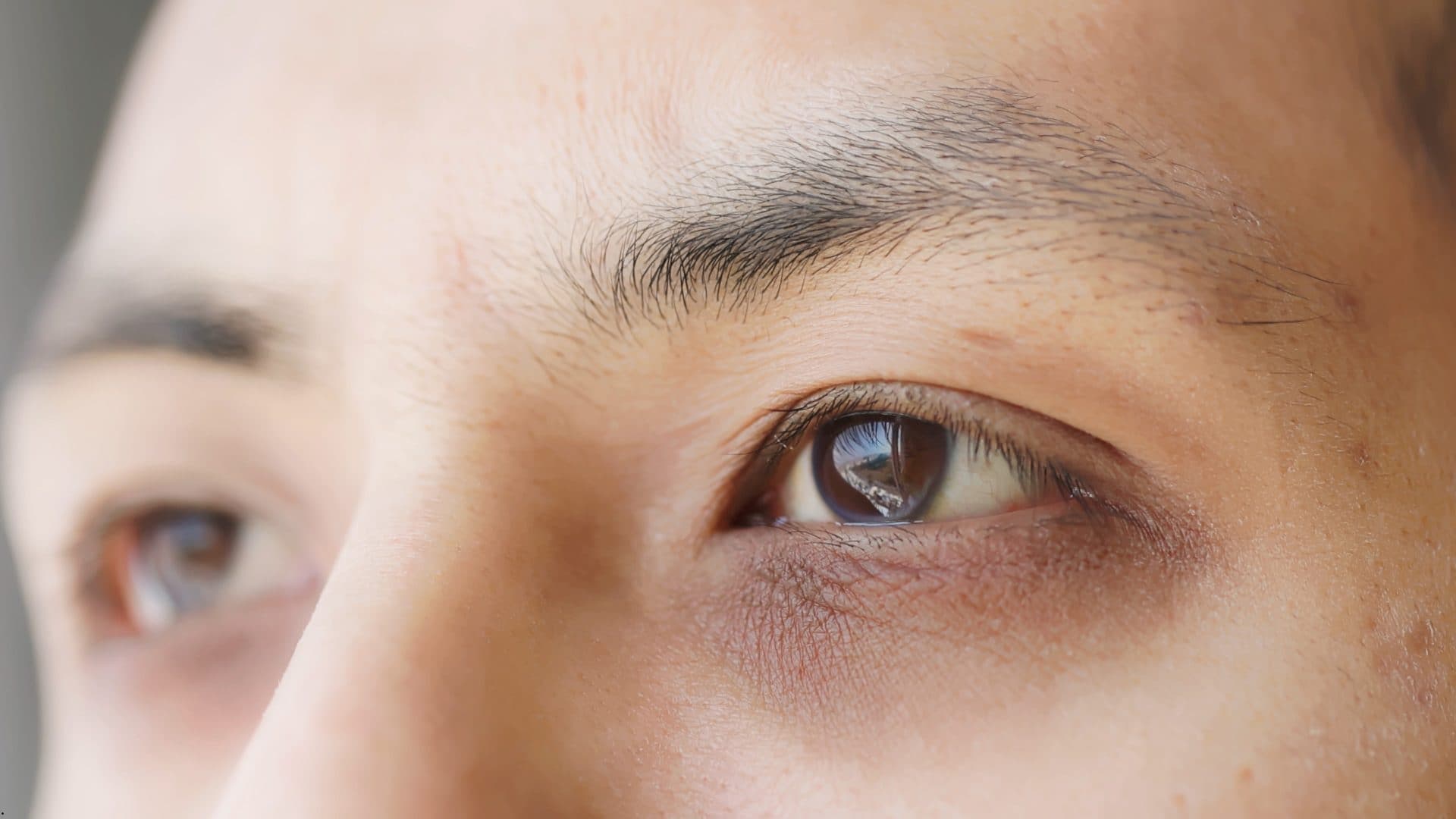
The skin around the eyes is thinner and more delicate than the skin on the rest of the face. This means fine lines, dryness and changes in skin texture can become noticeable earlier.
However, not every under-eye concern is caused by the same thing.
Fine lines may be related to ageing, sun exposure or repeated facial movement. Dryness can make the area look more creased, while changes in skin structure can contribute to a less smooth appearance.
A gentle eye care routine can help support the delicate skin around the eyes. Look for products designed specifically for the eye area and avoid using harsh exfoliants too close to the eyes.
How Dr Sabrina™ Can Help
At Dr Sabrina™, our approach to eye care is focused on understanding the different concerns that can affect the delicate skin around the eyes.
The Dr Sabrina™ Perfect 360 Eye Illuminate is a triple-action liposomal eye serum designed to target concerns including fine lines, wrinkles, pigmentation and eye bags.
It is formulated with the patent-pending Kiara Molecule™ innovation and has undergone dermatological and ophthalmological testing for safety, tolerability and effectiveness.
For those looking to improve the appearance of uneven texture around the eyes, the focus should be on consistent, targeted care rather than trying to treat the area with harsh products.
Final Thoughts
Textured skin is common, and it does not necessarily mean that your skin is unhealthy. The important thing is to understand what is causing the unevenness before choosing a treatment.
A gentle cleanser, regular moisturiser, daily sunscreen and carefully selected active ingredients can help improve many types of texture over time.
If the concern is persistent or more significant, a professional assessment can help you understand which treatment is most appropriate for your skin.
The goal is not perfectly smooth skin. It is healthier-looking skin that feels comfortable, looks more even and is cared for in the right way.
Frequently asked questions
Still unsure? Our team is glad to talk you through anything before you book.
- Some types of texture, such as temporary dryness or congestion, may improve with the right skincare routine. Other concerns, such as acne scars or age-related changes, may require more targeted treatment.
- No. Textured skin is a general term for an uneven skin surface. Acne is one possible cause, but texture can also be related to dryness, pores, fine lines, scarring or other skin changes.
- This depends on the cause and the treatment being used. Some improvements, such as better hydration, may be noticeable relatively quickly. Other concerns, such as fine lines or acne scars, usually require more consistent and longer-term care.
- It is possible, but using both too frequently can cause irritation. If you are introducing active ingredients, start slowly and avoid adding several new products at once.
- Some under-eye texture can be improved with appropriate skincare, particularly when it is related to dryness or fine lines. However, the skin around the eyes is delicate, so products should be chosen carefully and used as directed.