
If you have a bathroom shelf full of skincare products but your skin still looks tired, flat, or generally underwhelming, you are not alone. You can cleanse, moisturise, use serums and remember your SPF most days, yet still wonder why your skin does not have the healthy glow you expected.
The problem is not always that you need another product.
Sometimes your skincare routine is working against you. Sometimes the products are right, but you are using too many of them, not using them consistently, or missing one of the basics. And sometimes what looks like dull skin is actually a sign of dehydration, sun damage, uneven texture, or changes deeper within the skin that skincare alone cannot fully address.
What Causes Your Skin To Look Dull?
- Dead skin cell build-up: Can leave the skin looking rough, uneven and less radiant.
- Dehydration: Makes the complexion look flat, tired and can make fine lines more noticeable.
- Sun exposure: Can contribute to pigmentation, uneven tone and changes in skin texture.
- Ageing: Natural changes in collagen and elastin can gradually affect skin firmness and brightness.
- Damaged skin barrier: Irritation and overuse of active ingredients can leave skin looking dry and dull.
- Lifestyle factors: Poor sleep, stress, smoking and an unbalanced diet can all affect how healthy your complexion looks.
- The wrong skincare routine: If your products are not addressing the underlying cause, adding more products may not improve dullness.
Dull skin is a description rather than a diagnosis. At The Perfect Skin, understanding what is causing your skin to look less radiant is the first step towards choosing the right approach.
Here are seven of the most common reasons your skincare routine may not be giving you the results you want.
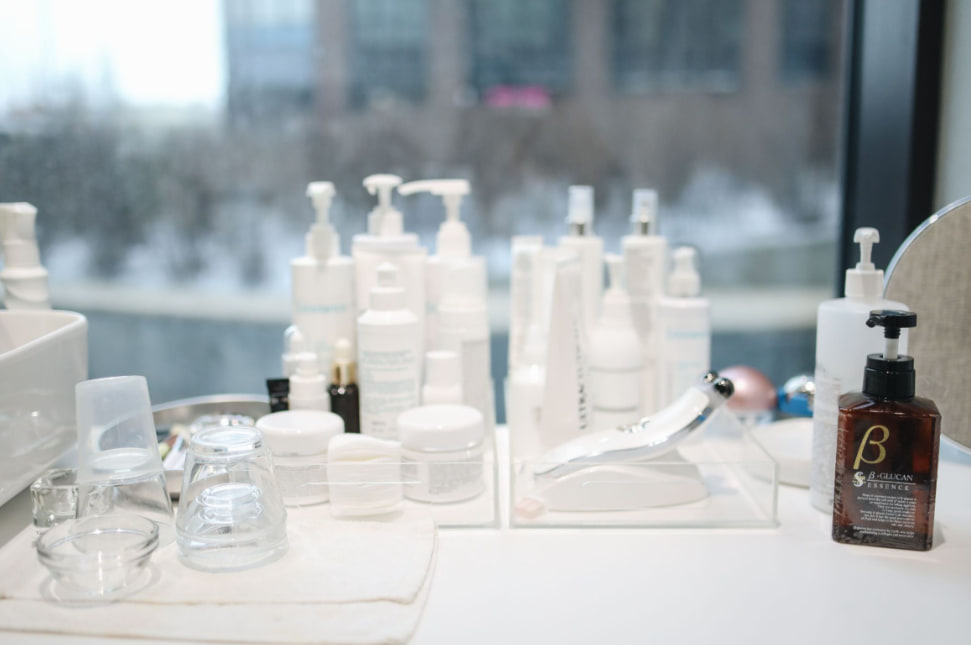
1. You Are Using Too Many Products
More skincare does not automatically mean better skin.
It is easy to build a complicated routine when there is a new serum, exfoliant, toner or treatment promising brighter skin every few weeks. The problem is that layering too many active ingredients can irritate the skin barrier rather than improve it.
Over-exfoliation is particularly common. Using several acids, retinoids and exfoliating products together can leave skin feeling tight, dry, sensitive or rough. Once the skin barrier is compromised, dullness can actually become more noticeable.
A good skincare routine does not need to contain ten different products. In many cases, a simple routine that you can use consistently is more useful than an elaborate one that constantly leaves your skin irritated.
2. Your Skin Is Dehydrated
Dehydrated skin can look dull even when it is not technically dry.
There is an important difference. Dry skin is usually related to a lack of oil, while dehydration means the skin does not have enough water. Dehydrated skin can look tired, feel tight and make fine lines or uneven texture more obvious.
This is one reason your skin may look better immediately after moisturising but return to looking flat a few hours later.
Look for skincare ingredients that support hydration, such as hyaluronic acid, and use a moisturiser that helps maintain the skin barrier. Drinking enough water is also important for general health, although simply drinking more water will not correct every cause of dull skin.
The key is to keep hydration consistent rather than trying to fix it with one intensive product once in a while.
3. You Are Not Protecting Your Skin From the Sun
If there is one step in your skincare routine that is easy to underestimate, it is sunscreen.
UV exposure contributes to collagen breakdown, uneven pigmentation and premature skin ageing. Over time, this can leave the skin looking less even, less smooth and less radiant.
And it is not only about sunny days.
Daily sun protection matters because your skin is exposed to UV radiation during normal day-to-day activities, even when the weather does not feel particularly bright. If dullness is accompanied by pigmentation, uneven tone or changes in texture, cumulative sun exposure may be part of the reason.
A broad-spectrum sunscreen should be the final step of your morning skincare routine. Hats, sunglasses and shade can provide additional protection when you are outside for longer periods.
Your skincare routine cannot undo ongoing UV damage if you are continuing to expose your skin without protection.
4. You Are Not Exfoliating Properly
Dead skin cells naturally build up on the surface of the skin. When they accumulate, they can contribute to a rough, uneven texture and make the complexion look less bright.
This is where exfoliation can help.
But there is a difference between removing excess dead skin and repeatedly stripping the skin barrier.
The right approach depends on your skin type and the products you are already using. Gentle chemical exfoliants can be useful for some people, while others may find that frequent exfoliation makes their skin more irritated and dry.
If your skin feels tight, stings when you apply products, or has become unusually sensitive, adding another exfoliant is probably not the answer.
Sometimes the better approach is to simplify your routine and allow your skin barrier to recover.
5. You Are Not Giving Your Skincare Routine Enough Time
Skincare is rarely an overnight solution.
This is particularly important if you are using ingredients such as retinoids or vitamin C to improve texture, pigmentation or signs of ageing. These ingredients can support meaningful changes over time, but they need consistent use.
It is easy to try a product for two weeks, decide that it is not working, and replace it with something else. Then another product arrives, and the cycle starts again.
The result is a constantly changing skincare routine without enough time to understand what is actually helping.
Some ingredients can give a temporary improvement in hydration relatively quickly. Other changes, such as improved texture, pigmentation or collagen support, take considerably longer.
Give a suitable routine time to work before deciding that it has failed.
6. Your Lifestyle Is Working Against Your Skin
Skincare is only one part of how your skin looks.
Poor sleep, chronic stress, smoking, an unbalanced diet and excessive alcohol can all affect how healthy and rested your complexion appears.
You may notice this after several late nights. Your skin can suddenly look flatter, more tired and less even, despite using exactly the same products.
That does not mean you need to have a perfect lifestyle to have good skin. It simply means that skincare cannot completely compensate for everything happening elsewhere.
A balanced diet, adequate sleep, regular exercise, avoiding smoking and protecting your skin from excessive sun exposure all support healthier skin over time.
The basics tend to matter more than constantly searching for the next miracle product.
7. Your Skincare Routine Is Treating the Wrong Problem
This is probably the most important reason your skincare routine may not be working.
"Dull skin" is not one specific skin condition.
Your complexion may look dull because it is dehydrated. It may be due to a build-up of dead skin cells. It could be uneven pigmentation from sun exposure. You may have changes in texture, early skin laxity or a gradual reduction in collagen.
These problems can look similar when you look in the mirror, but they do not necessarily respond to the same treatment.
For example, adding more hydrating products may help if dehydration is the main issue. But if your concern is primarily pigmentation or significant textural change, applying another moisturiser is unlikely to make a dramatic difference.
This is why adding more products is not always the answer.
Before changing your entire skincare routine, it is worth working out what is actually causing your skin to look dull.
What Should a Good Skincare Routine Look Like?
You do not need a complicated routine to support healthy-looking skin.
A simple starting point might include:
Morning
- Gentle cleanser
- Antioxidant serum such as vitamin C, if suitable for your skin
- Hydrating serum, if needed
- Moisturiser
- Broad-spectrum SPF
Evening
- Gentle cleanser
- Treatment product suited to your concern, such as a retinoid if appropriate
- Hydrating serum or moisturiser
- Barrier-supporting moisturiser
This is only a general framework. The right skincare routine depends on your skin type, concerns, age, sensitivity and the other products you are already using.
If your skin is irritated, simplifying your routine may be more useful than adding another active ingredient.
Can Skincare Really Get Rid of Dull Skin?
Yes, skincare can make a meaningful difference to skin quality, particularly when dullness is related to dehydration, surface build-up or early changes in texture.
Ingredients such as vitamin C, retinoids and hyaluronic acid can each play a role, but they do different jobs and work at different speeds.
What skincare cannot do is completely reverse every underlying cause of dullness.
If your skin has significant sun damage, pigmentation, loss of elasticity or more noticeable changes in texture, you may need something beyond your daily skincare routine.
That does not mean your skincare is useless. Good daily skincare and sun protection remain important even when you choose professional treatment. They help support the skin and maintain results over time.
When Is It Time to Consider Professional Skin Treatments?
If you have followed a consistent skincare routine and your skin still looks dull, it may be worth looking at what is happening beneath the surface.
At Perfect Eyes Clinic, treatment is not based simply on the fact that your skin looks tired. Our doctors assess your skin, discuss your concerns and look at what may actually be contributing to the problem before recommending a treatment.
Depending on your skin and the underlying concern, options may include treatments designed to improve hydration and overall skin quality, stimulate collagen, improve texture or address sun-related changes.
For example, bio-remodelling treatments such as Profhilo can improve hydration and overall skin quality, while treatments such as UltraClear, Morpheus8 or Sofwave may be considered for specific concerns involving texture, skin tightening or rejuvenation.
The right option depends on the condition of your skin rather than simply choosing the treatment that is currently trending.
Skincare Routine vs Professional Treatment
| Skincare routine | Professional treatment |
|---|---|
| Works gradually | Can target specific concerns more directly |
| Best for daily skin health and prevention | Useful for established skin concerns |
| Requires consistent use | Requires professional assessment |
| Supports hydration and the skin barrier | Can address deeper changes in skin quality |
| Results tend to be gradual | Results depend on the treatment and individual |
| Important for maintaining skin health | Often works alongside good skincare |
These approaches are not alternatives.
Good skincare remains important whether or not you have professional treatments. In fact, protecting your skin from the sun and maintaining a healthy skin barrier can help support the results of treatments.
What Should You Do If Your Skin Still Looks Dull?
Before buying another serum, take a step back.
Look at your current skincare routine and ask:
- Am I using too many active ingredients?
- Is my skin dehydrated or irritated?
- Am I applying sunscreen every day?
- Am I exfoliating too often?
- Have I used my current routine consistently for long enough?
- Are poor sleep, stress or lifestyle factors affecting my skin?
- Do I actually know what is causing my dullness?
If you cannot answer the last question, that may be the point where a professional skin assessment becomes more useful than another trip to the skincare aisle.
Book a Skin Consultation at Perfect Eyes Clinic
If your skin still looks dull despite a consistent skincare routine, there may be more going on than the products sitting on your bathroom shelf can address.
A consultation at Perfect Eyes Clinic gives you the opportunity to discuss what you are seeing in your skin and understand which treatment options, if any, are appropriate for you.
Our team takes a personalised approach rather than recommending the same treatment for everyone. The aim is to understand your skin, your concerns and your expectations before creating a treatment plan.
Perfect Eyes Clinic is based on Harley Street in London, where patients can meet with Janine and Hemmali for expert advice and treatment in surgical and non-surgical facial rejuvenation.
To find out what may be contributing to your dull skin and whether professional treatment could help, contact Perfect Eyes Clinic to arrange a consultation.
Frequently asked questions
Still unsure? Our team is glad to talk you through anything before you book.
- Dullness can have several causes, including dehydration, dead skin build-up, sun exposure, irritation, lifestyle factors, pigmentation and changes in skin texture. Sometimes the issue is not the quality of your products but whether your routine is addressing the actual cause.
- It depends on what is causing the dullness. Hydration can sometimes improve relatively quickly, while changes in texture, pigmentation and signs of ageing can take weeks or months of consistent skincare. Avoid changing products too frequently if you have not given your routine enough time to work.
- Yes. Excessive exfoliation can damage the skin barrier, leading to dryness, irritation and sensitivity. This can make the skin look rougher and less healthy rather than brighter.
- There is no single routine that works for everyone. A sensible starting point is gentle cleansing, hydration, moisturising and daily sunscreen, with targeted ingredients added according to your specific concerns.
- Staying adequately hydrated supports overall skin health, and dehydration can make the skin look less plump and make fine lines more noticeable. However, drinking more water alone will not correct every cause of dull skin.
- They can, depending on what is causing the dullness. Treatments such as Profhilo, laser resurfacing or collagen-stimulating treatments may be considered for specific concerns involving hydration, texture, pigmentation or skin quality. A consultation is the best way to determine which approach is appropriate for your skin.
- If your skin is persistently irritated, adding more active ingredients is unlikely to help. Simplifying your routine and focusing on gentle cleansing, moisturising and sun protection may be more appropriate. If irritation continues, speak to a qualified professional for advice.