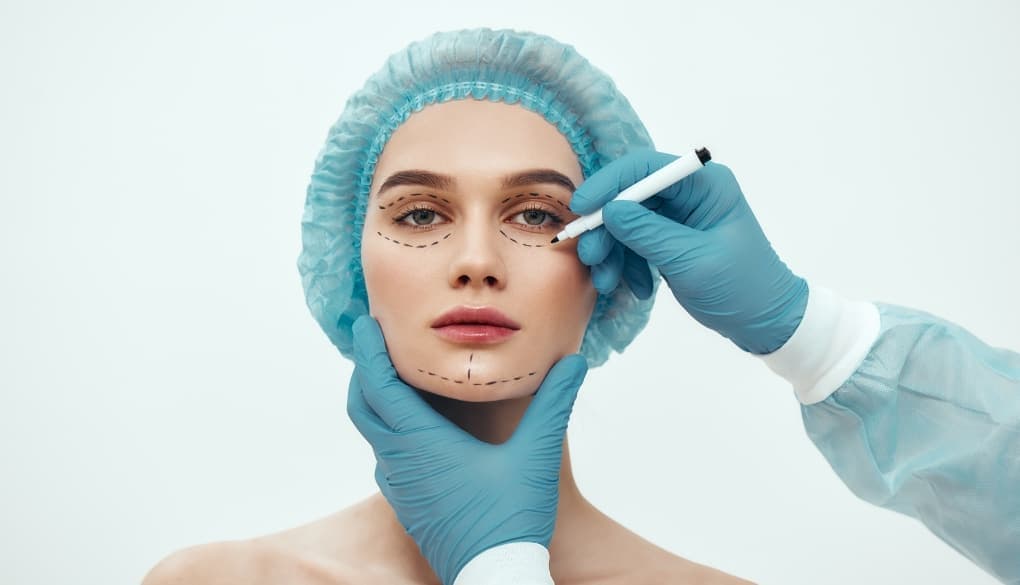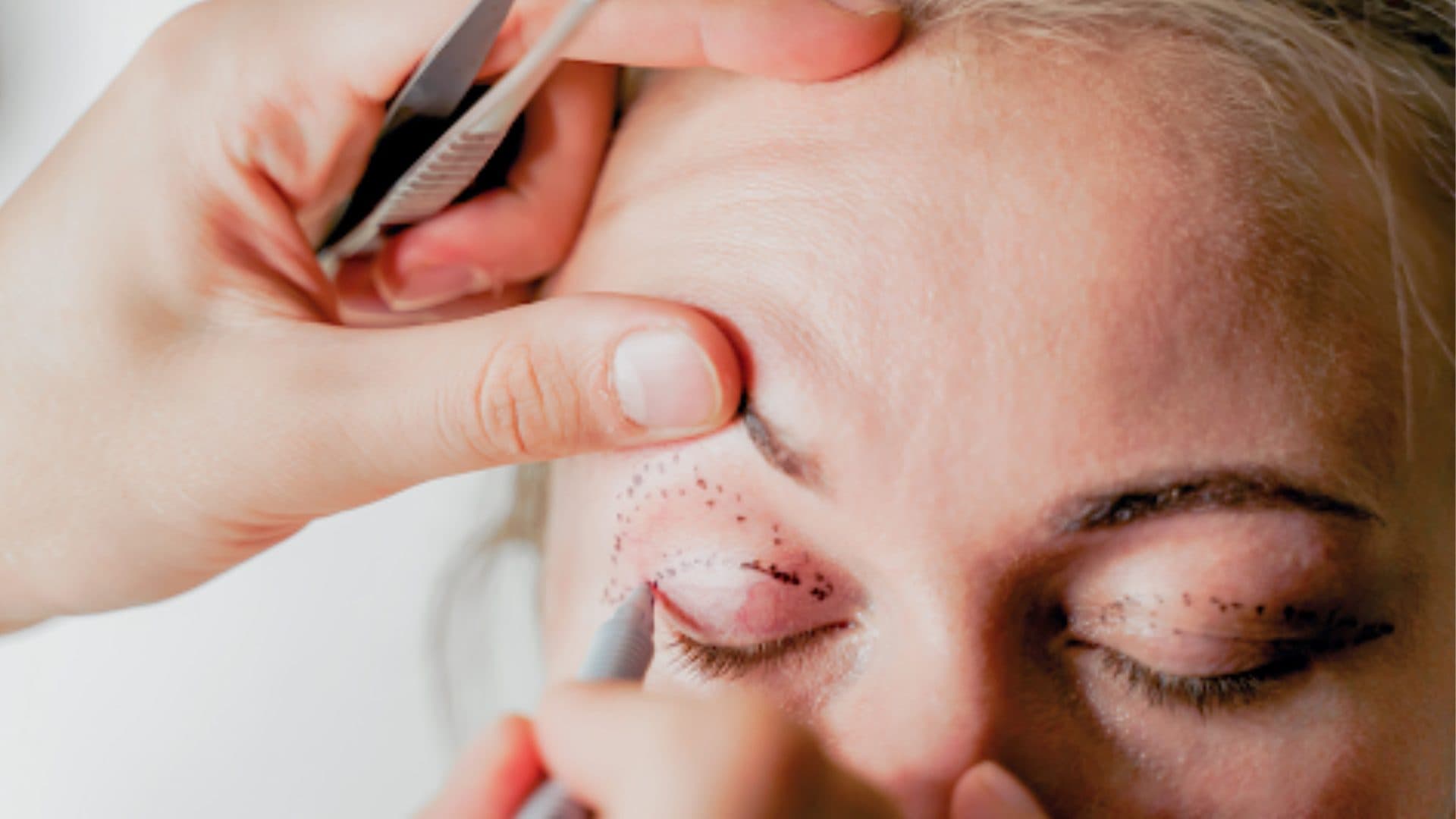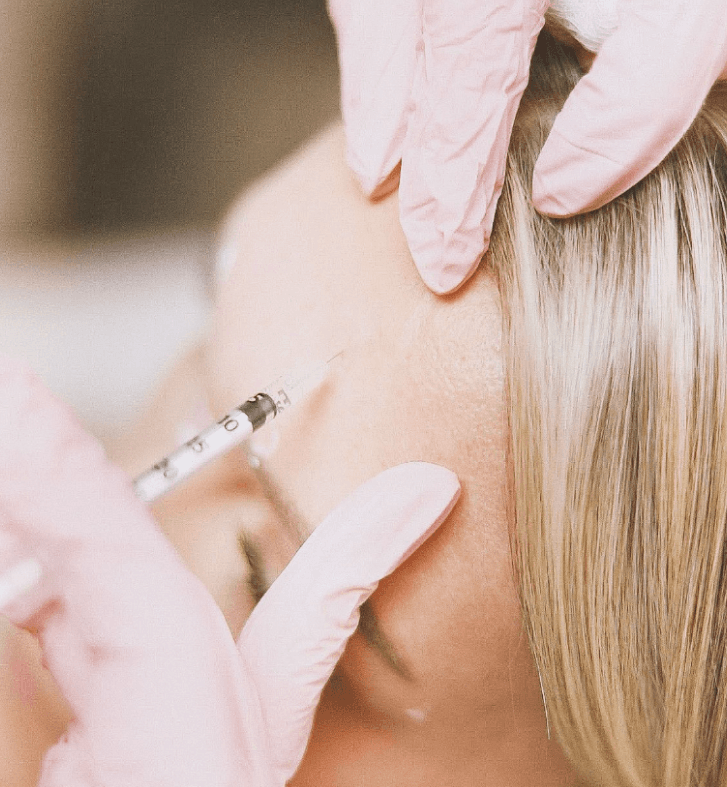
If you are looking for a way to improve skin laxity, facial contour or small areas of unwanted fat without having traditional surgery, you may have come across Endolift treatment.
Endolift is a minimally invasive laser procedure that uses a very fine fibre beneath the skin. The laser energy is designed to create controlled thermal effects within the tissue, with the aim of stimulating collagen remodelling and, in selected areas, reducing small localised pockets of fat.
It is often described as a treatment that sits somewhere between non-invasive skin tightening and surgical procedures. But it is important to understand what that actually means.
Endolift is not a facelift, and it should not be expected to produce the same degree of lifting as surgery.
So, what does the treatment involve, who may benefit from it, and what does recovery actually look like?
What Is Endolift Treatment?
Endolift is a minimally invasive laser treatment that uses a very fine optical fibre inserted just beneath the skin.
The commonly described Endolift technique uses a 1470 nm diode laser. A 2024 systematic review of Endolift studies found evidence of potential benefits for skin laxity, facial and neck contouring, wrinkles and localised adipose tissue, while also noting that larger, better-controlled studies are still needed.
Unlike an external laser treatment, the energy is delivered beneath the skin.
Depending on the area being treated and the treatment plan, the laser may be used to:
- Stimulate collagen remodelling
- Improve skin firmness
- Encourage tissue contraction
- Improve facial contour
- Address selected small pockets of localised fat
- Improve the appearance of mild to moderate skin laxity
The exact effect depends on the treatment area, the degree of laxity and the technique used.
How Does Endolift Work?
The laser fibre is introduced through very small entry points in the skin.
The energy is then delivered into the targeted tissue.
There are two main effects that are relevant to aesthetic treatment.
1. Controlled Thermal Effect
The laser produces heat beneath the skin.
This controlled thermal effect can cause contraction of existing collagen fibres and stimulate a longer-term remodelling response.
Over time, the body produces and reorganises collagen as part of the tissue-repair process.
2. Localised Fat Reduction
The 1470 nm wavelength has an affinity for water and can also produce a lipolytic effect within fat tissue.
This means Endolift can sometimes be used to address small, localised areas of fat, particularly when these occur alongside mild skin laxity.
However, Endolift is not a weight-loss treatment.
It is better suited to carefully selected, localised areas rather than large amounts of excess fat.
What Areas Can Endolift Treat?
The Endolift treatment can be used in different areas depending on the patient’s anatomy and the clinician’s assessment.
Facial areas may include:
- Jawline
- Jowls
- Under the chin
- Lower face
- Neck
- Cheeks
- Lower eyelid area in selected cases
It has also been investigated for areas of the body where localised fat and skin laxity occur.
The 2024 systematic review found Endolift had been studied across facial rejuvenation, neck lifting, skin laxity and localised adipose tissue, as well as several other aesthetic indications.
Not every treatment area is appropriate for every patient.
Is Endolift a Facelift?
No.
This is one of the most important distinctions to understand.
A facelift involves surgically repositioning and, where appropriate, removing or tightening tissues. Endolift does not involve surgical lifting of the facial tissues.
Instead, Endolift uses laser energy beneath the skin to encourage tissue contraction, collagen remodelling and, in selected cases, localised fat reduction.
This means the degree of change is generally more limited than with surgery.
Endolift may therefore be considered for someone with mild to moderate laxity or localised contour concerns, while someone with significant skin excess or advanced tissue descent may require a surgical assessment.
Who May Be Suitable for Endolift?
Endolift may be considered for people who have:
- Mild to moderate skin laxity
- Early jowling
- Reduced jawline definition
- Small areas of submental fullness
- Mild neck laxity
- Localised areas of fat
- Early changes in facial contour
The treatment is generally more appropriate when there is still reasonable skin elasticity.
If there is a significant amount of loose or redundant skin, laser tightening alone may not provide the degree of correction required.
Who May Not Be Suitable?
Endolift is not appropriate for everyone.
It may not be the best option when there is:
- Significant excess skin
- Severe facial or neck laxity
- Large amounts of excess fat
- An active infection in the treatment area
- Certain uncontrolled skin conditions
- Unrealistic expectations
- A need for surgical correction
A consultation is therefore important before deciding whether Endolift is appropriate.
What Happens During an Endolift Treatment?
The exact process varies according to the area being treated and the clinician’s technique.
Generally, the treatment involves:
Step 1: Assessment
Your face or treatment area is assessed to determine whether Endolift is suitable and which areas should be treated.
Step 2: Preparation
The skin is cleansed and prepared. Local anaesthesia or another form of local numbing may be used depending on the treatment area and treatment plan.
Step 3: Fibre Placement
A very fine fibre is introduced beneath the skin through tiny entry points.
Step 4: Laser Delivery
The laser energy is delivered through the fibre at controlled settings.
The fibre is moved through the treatment area according to the planned treatment pattern.
Step 5: Completion
Once treatment is complete, the fibre is removed.
Because there are no traditional surgical incisions or stitches, the entry points are very small and generally heal quickly.
Is Endolift Painful?
Everyone experiences treatment differently.
Because the procedure involves a fibre beneath the skin and the delivery of thermal energy, you may feel:
- Pressure
- Warmth
- Pulling
- Mild discomfort
- A sensation of heat
Local anaesthesia can be used to improve comfort where appropriate.
The treatment should not be assumed to be completely sensation-free simply because it is minimally invasive.
What Does Recovery From Endolift Look Like?
One of the attractions of Endolift is that the visible recovery period is generally shorter than that associated with surgical facial rejuvenation.
However, minimal downtime does not mean no recovery.
You may experience:
- Swelling
- Bruising
- Redness
- Tenderness
- Tightness
- Temporary altered sensation
- Firmness beneath the skin
A 2024 systematic review reported that adverse effects across the studies reviewed were generally mild and self-limiting.
The exact recovery period varies depending on the treatment area, intensity, individual healing response and whether fat reduction was also performed.
The First 24 Hours
Immediately after treatment, the area may feel:
- Warm
- Tight
- Tender
- Slightly swollen
You may also notice small entry points where the fibre was introduced.
The treated area may not look like the final result at this stage.
Swelling can temporarily make the face appear fuller or uneven.
This is one reason why photographs taken immediately after treatment should not be used to judge the final outcome.
Days 2–3
Swelling and bruising may become more noticeable during the first few days.
You may experience:
- Puffiness
- Bruising
- Tenderness
- Tightness
- Firmness beneath the skin
- Temporary numbness or altered sensation
The severity varies from person to person.
Some patients experience very little visible swelling, while others may need several days for the treated area to settle.
The First Week
For many patients, the most obvious swelling and bruising gradually settle during the first week.
However, the tissues underneath the skin may continue to feel firm or tight even when the surface looks relatively normal.
You may therefore notice that the treated area:
- Feels different before it looks different
- Remains slightly tender
- Has areas of firmness
- Looks different from one day to the next
This does not necessarily mean that something has gone wrong.
The tissues are still recovering and remodelling.
Weeks 2–6
As the initial swelling settles, the underlying contour becomes easier to assess.
Some patients may still notice:
- Firmness
- Tightness
- Mild altered sensation
- Areas of uneven texture
These should generally become less noticeable as the tissues recover.
It is important not to judge the final result too early.
When Will You See the Results?
There can be an element of early improvement as swelling settles and tissue contraction occurs.
However, the longer-term changes develop gradually.
Endolift is intended to stimulate collagen remodelling, and this process takes time. The Endolift UK clinical information states that early improvement may become apparent within approximately 4–8 weeks, with continued change over subsequent months.
The exact timing varies between patients.
Your final result should therefore be assessed over time rather than immediately after treatment.
Does Endolift Leave Scars?
Endolift uses very small entry points rather than conventional surgical incisions.
This means there are no long surgical scars associated with the treatment.
However, temporary marks or small entry points can be visible during the early recovery period.
As with any procedure involving the skin, individual healing varies.
What Are the Possible Side Effects?
The most common short-term effects are generally related to the tissue response to the treatment.
These may include:
- Swelling
- Bruising
- Redness
- Tenderness
- Temporary numbness
- Tightness
- Firmness beneath the skin
Less common complications can occur.
Because Endolift involves placing a laser fibre beneath the skin, appropriate knowledge of facial anatomy and careful control of the laser settings are important.
Potential complications can include burns, nerve irritation or injury, infection, prolonged sensory changes and contour irregularities.
The risk depends on the area treated, the technique, the treatment settings and the practitioner’s experience.
When Should You Contact Your Clinician?
Some swelling, bruising and tenderness can be expected after treatment.
However, symptoms that are severe, worsening or unusual should be assessed.
Contact your clinician promptly if you experience:
- Increasing rather than improving swelling
- Severe or worsening pain
- Significant skin colour changes
- Blistering or signs of a burn
- Increasing redness or warmth
- Discharge from an entry point
- Fever
- New facial weakness
- Persistent or worsening numbness
Your own clinician’s aftercare instructions should always take priority because they will know exactly which areas and settings were treated.
What Should You Avoid During Recovery?
Your clinician will provide personalised aftercare, but the general principle is to allow the treated area to settle without unnecessary pressure or irritation.
Depending on the treatment area, you may be advised to temporarily avoid:
- Strenuous exercise
- Excessive heat
- Saunas and steam rooms
- Direct sun exposure
- Aggressive massage
- Pressure on the treated area
- Irritating skincare products
Do not assume that because Endolift has minimal downtime you can immediately return to every activity.
The visible recovery may be short, but the underlying tissue is still healing.
Endolift Recovery vs Surgical Facelift Recovery
The two procedures should not be compared simply on the basis of downtime.
| Endolift | Surgical Facelift |
| Minimally invasive | Surgical |
| Uses a fine laser fibre beneath the skin | Uses surgical incisions |
| No traditional facelift incision | Incisions and surgical wound healing |
| Generally shorter visible recovery | Longer recovery |
| Primarily targets selected laxity and contour concerns | Can address more significant tissue descent and excess skin |
| Results are generally more subtle | Can produce more substantial structural change |
| No general anaesthetic is necessarily required | Anaesthesia requirements depend on the procedure |
| Not a replacement for surgery in every patient | Used for more advanced ageing in suitable patients |
The important point is that less downtime usually also means a different level and type of correction.
Endolift should not be marketed as a non-surgical facelift that produces the same result as surgery.
Can Endolift Remove Fat?
It can be used to target selected small pockets of localised fat.
This is particularly relevant when mild skin laxity and localised fat occur together, such as in the submental or jawline area.
However, Endolift is not designed to replace weight-loss treatment or large-volume liposuction.
The amount of fat that can be treated is limited by the treatment area and the patient’s anatomy.
Can Endolift Tighten Loose Skin?
It may improve mild to moderate laxity by stimulating tissue contraction and collagen remodelling.
The degree of improvement depends on:
- Age
- Skin quality
- Amount of laxity
- Treatment area
- Individual healing response
- Treatment technique
Significant excess skin may require a surgical approach.
Is Endolift a One-Off Treatment?
It can be.
Some patients may have a single treatment, while others may require or choose additional treatment depending on their concerns and response.
The 2024 systematic review found generally favourable outcomes across the available studies but also highlighted the need for larger controlled studies to establish more reliable treatment protocols and long-term outcomes.
A consultation should therefore focus on what is realistic for your particular anatomy rather than promising a fixed number of years or a guaranteed result.
What Should You Look for When Choosing an Endolift Provider?
Endolift is a technically demanding procedure because the laser fibre is placed beneath the skin.
When considering treatment, it is worth asking:
- Who will perform the procedure?
- What medical qualifications and training do they have?
- How much experience do they have with Endolift?
- Which areas do they routinely treat?
- What are the risks for your particular anatomy?
- What recovery should you realistically expect?
- What happens if a complication occurs?
- Is Endolift actually appropriate for your degree of laxity?
The practitioner should be able to explain not only why Endolift may help, but also when it is unlikely to provide enough correction.
What Does a Good Endolift Consultation Involve?
A consultation should look at the underlying reason for your concern rather than simply identifying an area to treat.
The clinician may assess:
- Skin laxity
- Facial fat distribution
- Jowling
- Jawline definition
- Chin projection
- Submental fat
- Neck skin
- Facial symmetry
- Overall facial proportions
This helps establish whether Endolift is likely to address the main issue.
In some cases, another treatment may be more appropriate.
Book a Consultation at Perfect Eyes Clinic
At Perfect Eyes Clinic, the starting point is understanding what you want to change and what is causing the concern.
Endolift can be useful for selected patients with mild to moderate skin laxity, early jowling or small areas of localised fat. However, it is not a replacement for a facelift and is not suitable for every degree of ageing or skin laxity.
A consultation allows your skin, facial structure and soft tissues to be assessed before deciding whether Endolift is appropriate.
You will also be able to discuss recovery, possible side effects, expected results and whether another treatment may provide a more suitable outcome.
The aim is to give you a realistic understanding of what Endolift can and cannot achieve before you decide to proceed.
Frequently asked questions
Still unsure? Our team is glad to talk you through anything before you book.
- Endolift is a minimally invasive laser procedure that uses a fine fibre beneath the skin to deliver controlled laser energy. It is used in selected patients to improve skin laxity, facial contour and small areas of localised fat.
- Endolift is not the same as a facelift. It can provide tightening and contouring in appropriately selected patients, but it does not surgically reposition facial tissues or remove significant excess skin.
- Recovery varies. Many patients experience swelling, bruising or tenderness for several days, although some effects can last longer depending on the treatment area and individual response. Published clinical information describes the overall downtime as relatively limited.
- You may experience warmth, pressure or mild discomfort during treatment. Local anaesthesia or numbing may be used depending on the treatment area and technique.
- Some early improvement may be visible once initial swelling settles, but collagen remodelling continues over the following weeks and months. Early improvement may be noticeable within several weeks, with further changes developing over time.
- It can be used to target selected small pockets of localised fat. It is not a weight-loss procedure and is not designed to remove large amounts of fat.
- It may be considered when early jowling is related to mild skin laxity and localised tissue changes. More advanced jowling or significant excess skin may require a different approach.
- Endolift may be suitable for selected patients with a small amount of submental fat and mild skin laxity. The cause of the fullness should be assessed before treatment.
- The procedure uses very small entry points rather than traditional surgical incisions, so significant surgical scarring is not expected. Temporary marks can occur during early healing.
- Common short-term effects can include swelling, bruising, redness, tenderness, tightness and temporary altered sensation. Less common complications can include burns, infection, nerve irritation or injury and contour irregularities.
- Some people return to normal activities relatively quickly, but visible swelling or bruising can make this uncomfortable for several days. Your recovery will depend on the area treated and your individual response.
- Endolift is generally more appropriate for mild to moderate laxity. Significant excess or very loose skin may require surgical assessment.
- The longevity varies between individuals and depends on factors including ageing, skin quality and the original degree of laxity. Because the treatment stimulates collagen remodelling rather than stopping the ageing process, further changes will naturally occur over time.
- No. Suitability depends on your skin, facial anatomy, degree of laxity, amount of localised fat, medical history and expectations. A consultation is important before treatment.