If you are researching Endolift Recovery & Side Effects, you are likely serious about the treatment but want clear answers before committing. Most people don’t just want to know what Endolift is; they want to understand how their face or body will look after the procedure, how long recovery really takes, and whether the side effects are manageable or disruptive.
This guide is written to answer those questions honestly, without exaggeration or fear-based language. It explains what Endolift is, how the Endolift treatment works, what recovery looks like day by day, and which Endolift side effects are common and which are rare. It also helps you set realistic expectations when comparing Endolift before-and-after results.
What is Endolift?
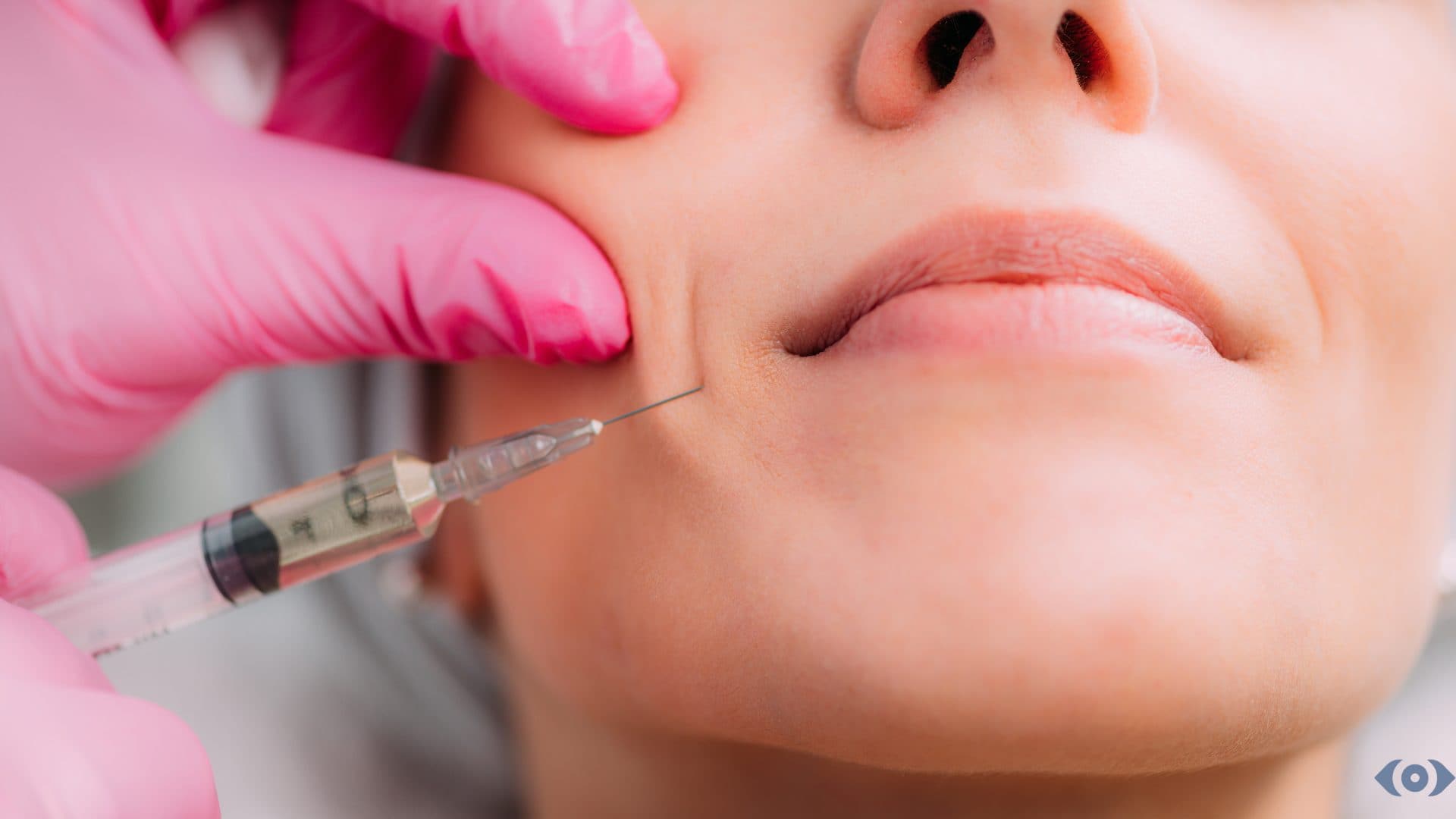
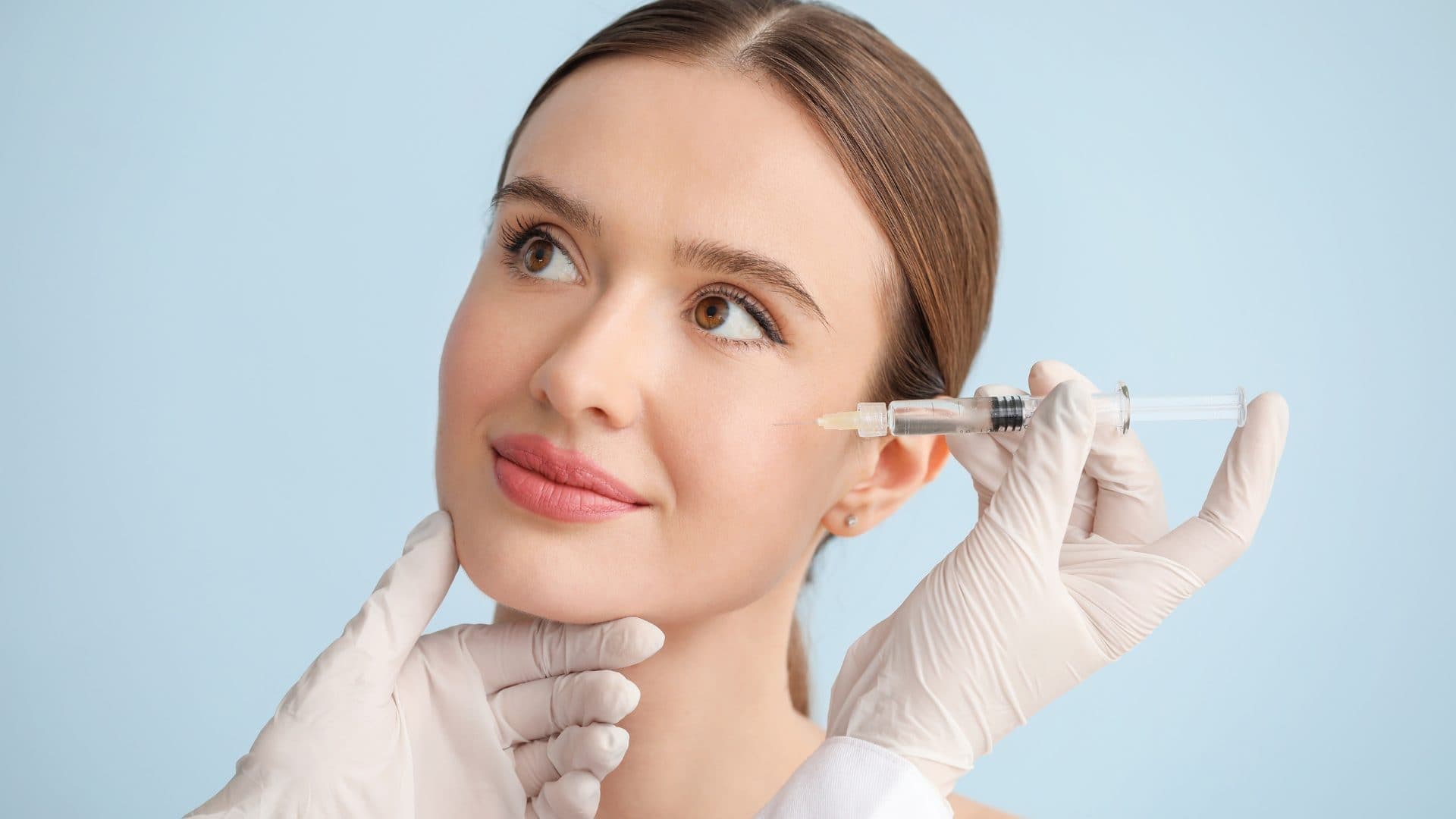
Endolift is a non-surgical laser treatment that targets loose skin, sagging around the chin line, and lower jawline to smooth lines and redefine facial contours by stimulating collagen from within. It is frequently chosen by people seeking a noticeable tightening effect without surgery or major incisions. The procedure, which was carried out on the NHS, relies on a fine laser fibre being inserted under the skin through the small entry point. This fibre transmits regulated laser energy to heat the desired tissues. It stimulates collagen production and can, in some areas, shrink small pockets of fat. The high precision and small size of the fibre mean that Endolift doesn’t require stitches or large wounds. And that is why the recovery time with this technique is generally shorter than with regular surgical lift procedures. However, it remains a medical treatment, and patients need a proper healing period.How Endolift Treatment Works Inside the Skin
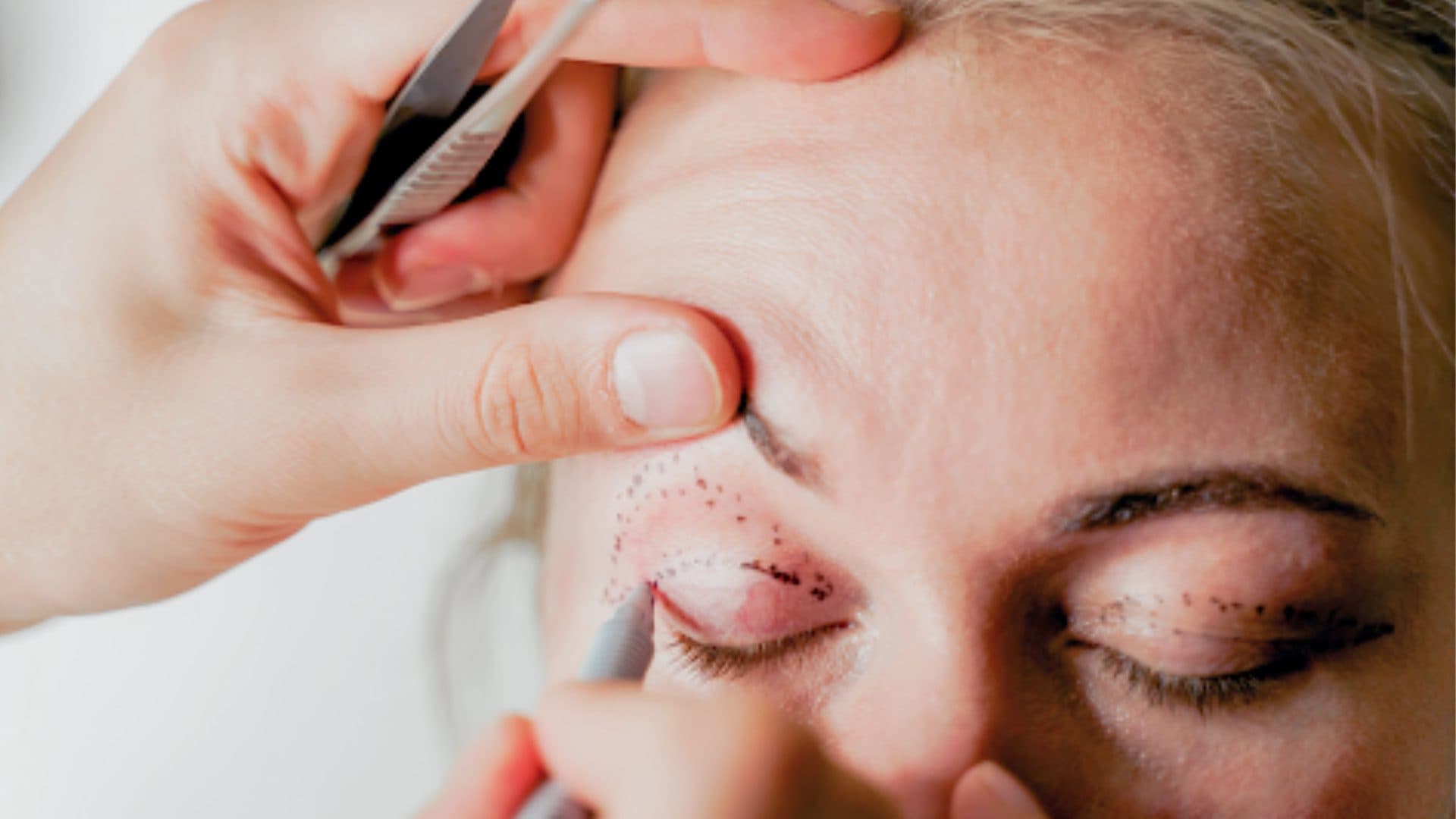
During an Endolift, the laser energy goes beneath the skin, not on top of it. This is an “inside-out” approach that can focus on deeper layers than topical treatments and surface devices can reach. The endolift laser heat is used for 2 basic reasons. First, it induces selective tissue tightening, which may result in a more youthful appearance. Second, it initiates the body’s own healing response and can stimulate collagen production over time. It’s typically done under local anaesthesia. More of the patients are awake, and the procedure time will depend on the area being covered. It may take longer to treat smaller areas, such as the jawline, compared to larger areas, such as the neck or lower face.Areas Commonly Treated With Endolift
Endolift is frequently selected for regions where lax skin or moderate fat deposition leads to loss of contour rather than volume.01. Jawline and lower face
It’s an area that is often treated to enhance definition and reduce sagging in the jawline. Endolift is in high demand here, as patients seek to define contours without adding filler or going under the knife.02. Neck and under-chin area
Endolift is also commonly used to address loose skin under the chin and on the neck. A little longer recovery period for this area as it is subject to movement and, of course, thinner skin.03. Mid-face and cheeks
With the right candidate, Endolift can help with mild cases of cheek skin laxity. This is generally coupled with an evaluation of your facial architecture and skin quality.Endolift Before and After: Setting Realistic Expectations
Results are not guaranteed, may not be permanent, and can vary from individual to individual. When viewing Endolift before-and-after pictures online, it’s worth bearing in mind that results will not be immediate or the same for everyone. Many of the photos show patients improving weeks or even months after a procedure, not immediately afterwards. Tightening that occurs after your treatment can result from tissue contraction. Swelling, however, can obscure results in the first few days. This initial stage is far from the endgame. What’s more, endolift results that are most visible tend to build over time. Because the body continues to produce collagen, skin may remain firmer and more even in texture for several additional months. This gradual shift is standard and predictable.Endolift Recovery: What to Expect After Treatment
It is important to understand recovery before considering Endolift. It is less invasive than surgery, but still involves heating tissue inside the body and then allowing proper healing.01. The first 24 to 72 hours
Swelling and redness are very common for the first couple of days. The treated area may be tender, taut, or warm to the touch. This is the natural reaction of the body to laser energy delivered below the skin's surface. It is not uncommon for some patients to return to work the day after surgery if swelling is minimal. Others want to remove themselves from social situations for a few days until the swelling has subsided. The two reactions are standard and vary with individual healing.02. Days 3 to 10
The wad becomes more normal over a few days as the swelling starts to decrease. If there is bruising, it might even get worse before it gets better. This late bruising is normal and does not indicate anything wrong. Tenderness may improve, but some spots might continue to feel tender when touched. Makeup can generally be applied once the skin's surface has calmed down, but you need to check with your provider about when it’s O.K.03. Weeks 2 to 6
Most signs of treatment are at rest by now. The bruising is almost gone, and the swelling has diminished a lot. This is when the skin might begin to feel tighter, though deeper healing is ongoing. Some contouring & tightening results will start to appear at this time. But beneath the surface, results are still emerging.04. Months 2 to 9
Collagen remodelling takes place over the months following Endolift. This is typically when endolift before-and-after results start to be more visible and stay constant. It's okay if these changes don't happen all at once. Looking at photos too soon can cause undue distress, so patience is key at this stage.Common Endolift Side Effects
Most Endolift side effects are temporary and related to the body’s healing response. These effects usually resolve on their own with time and proper aftercare.01. Swelling and redness
Swelling is one of the most common side effects. It happens because the laser energy triggers inflammation beneath the skin, which is part of the healing process. Redness may appear on the surface, especially near entry points. This typically fades within a few days as the skin settles.02. Bruising
Bruising can occur where small blood vessels react to the procedure. The colour and intensity vary from person to person. Most bruises fade within one to two weeks. Avoiding blood-thinning supplements before treatment can help reduce this risk.03. Tenderness and soreness
The treated area may feel sore, similar to a deep bruise. This sensation usually improves gradually over several days. Tenderness is often more noticeable when touching or moving the area, such as during chewing or neck movement.04. Temporary numbness or tingling
Some patients experience altered sensation in the treated area. This may feel like numbness, tingling, or mild pins-and-needles. In most cases, sensation returns to normal over time as tissues heal and nerves recover.Less Common but Possible Endolift Side Effects
While rare, it is important to be aware of less common risks so you can make an informed decision.01. Burns or skin damage
If laser energy is not used correctly, there is a risk of burns. This highlights the importance of choosing an experienced medical professional. Proper technique and correct settings significantly reduce this risk.02. Infection
Any procedure that involves skin entry carries a small risk of infection. Keeping the area clean and following aftercare instructions helps prevent this. Signs such as increasing pain, redness, or discharge should be reported to your clinic promptly.03. Changes in skin texture or pigmentation
In rare cases, uneven texture or pigmentation changes may occur. These risks can be higher in certain skin types if aftercare advice is not followed. Your practitioner should assess your skin type carefully before recommending Endolift.How to Support a Smooth Endolift Recovery
Recovery is not only about time; it also depends on how well you care for your skin afterwards.01. Rest and activity
Light daily activities are usually fine, but strenuous exercise should be avoided for the first few days. Excessive movement can increase swelling and slow healing. Gradually returning to normal routines allows the tissues to recover without unnecessary strain.02. Skincare and hygiene
Follow your provider’s skincare instructions carefully. Avoid harsh products, exfoliation, or active ingredients until advised. Keeping the entry points clean helps reduce the risk of irritation or infection.03. Sun protection
Protecting the treated area from sun exposure is important during recovery. Sun damage can interfere with healing and affect results. Using sunscreen and avoiding direct sun exposure helps maintain skin quality.Endolift Results: Who Is an Ideal Candidate?
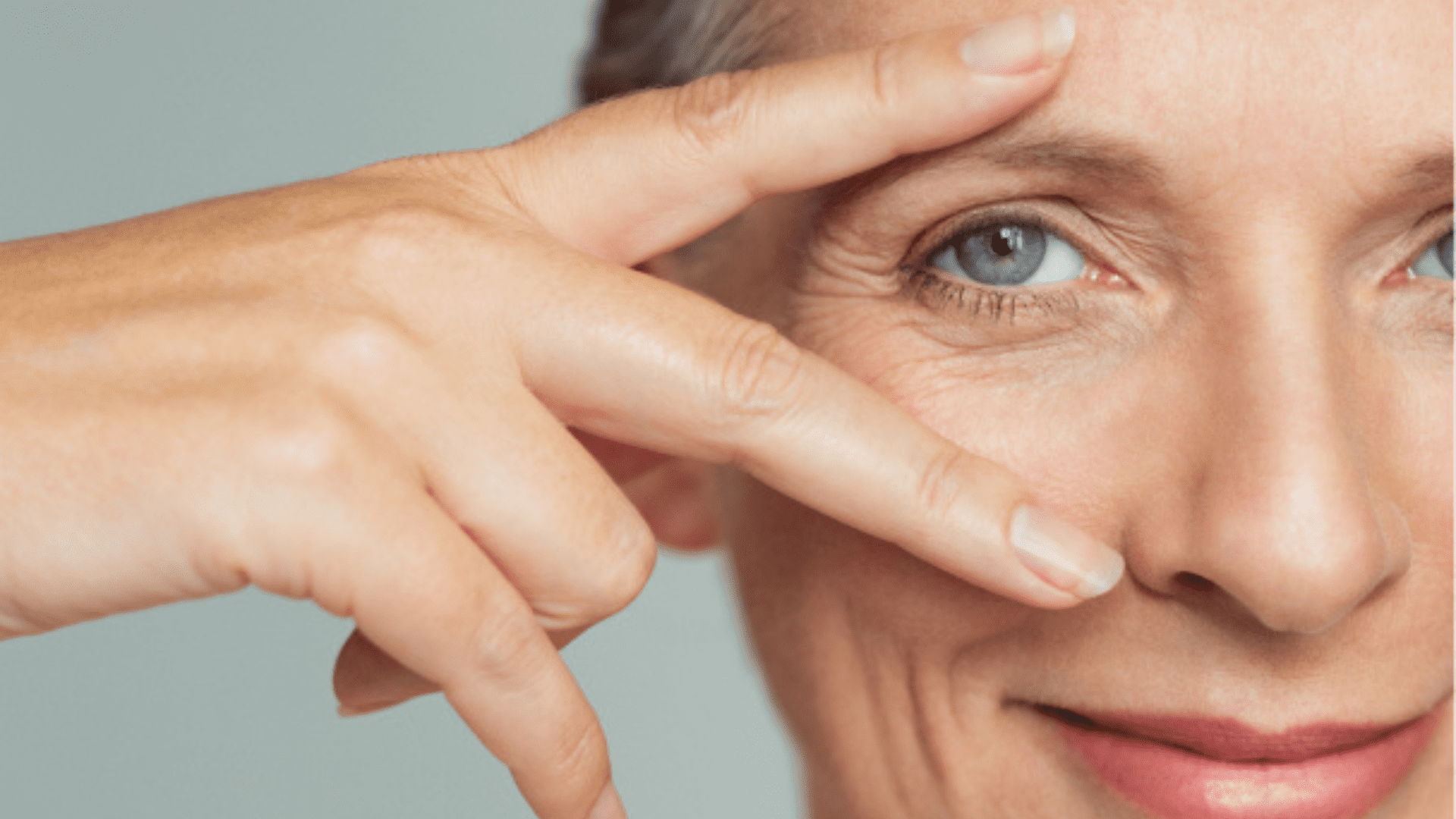
Endolift works best for people with mild to moderate skin laxity rather than significant sagging. It is often chosen by those who want improvement without surgery. People with realistic expectations tend to be most satisfied. Endolift can improve firmness and contour, but it does not replace surgical lifting in cases of severe laxity. A consultation with an experienced practitioner is essential to determine whether Endolift is suitable for your goals.Final Thoughts on Endolift Recovery & Side Effects
Understanding Endolift Recovery & Side Effects helps you decide whether this treatment fits your lifestyle, expectations, and skin needs. While Endolift is less invasive than surgery, it still requires patience and proper aftercare. Most side effects are temporary and manageable, and recovery is generally straightforward when guidelines are followed. The best endolift results develop gradually, so allowing time for collagen rebuilding is key. If you are considering Endolift, a detailed consultation and clear aftercare plan will play a major role in achieving safe, natural-looking results before and after.Good to know
Frequently asked questions
Still unsure? Our team is glad to talk you through anything before you book.
- Most people recover within 7-14 days, with swelling reducing in the first week. Deeper healing and tightening continue for several months.
- No, common Endolift side effects like swelling, bruising, or tenderness are temporary and usually settle on their own with proper aftercare.
- Some tightening may be visible early, but full Endolift results usually develop gradually over 2-6 months as collagen rebuilds.
- Endolift is generally well tolerated. Local anaesthetic is used, and most people describe the sensation as mild discomfort rather than pain.
- Many people return to work within 1-2 days, depending on swelling and bruising. Social downtime varies from person to person.