The way our skin looks can deeply influence how we feel about ourselves and how others see us. Issues like acne scars, large pores, stretch marks, and fine lines often lead to self-consciousness and frustration with our skin’s texture.
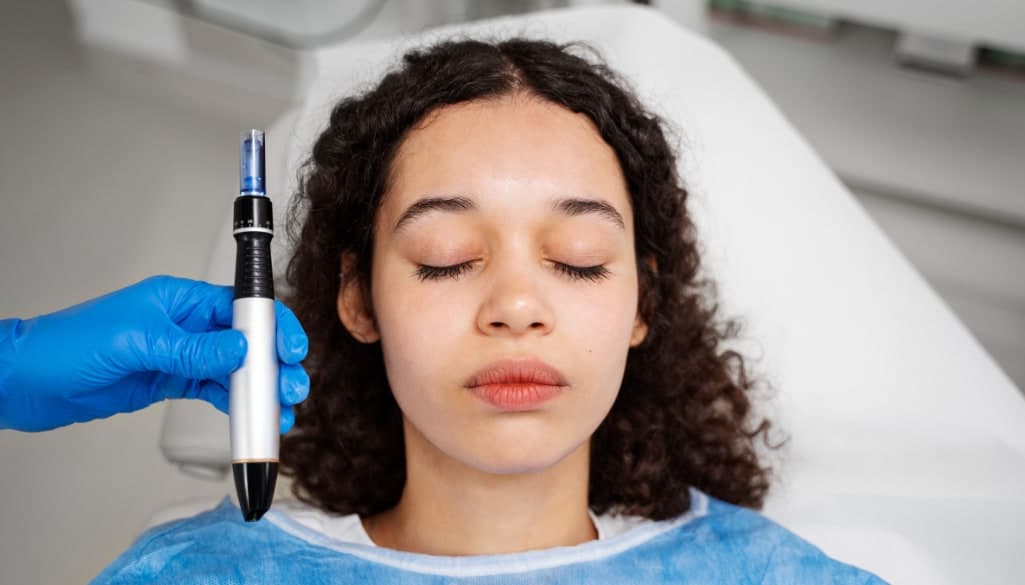
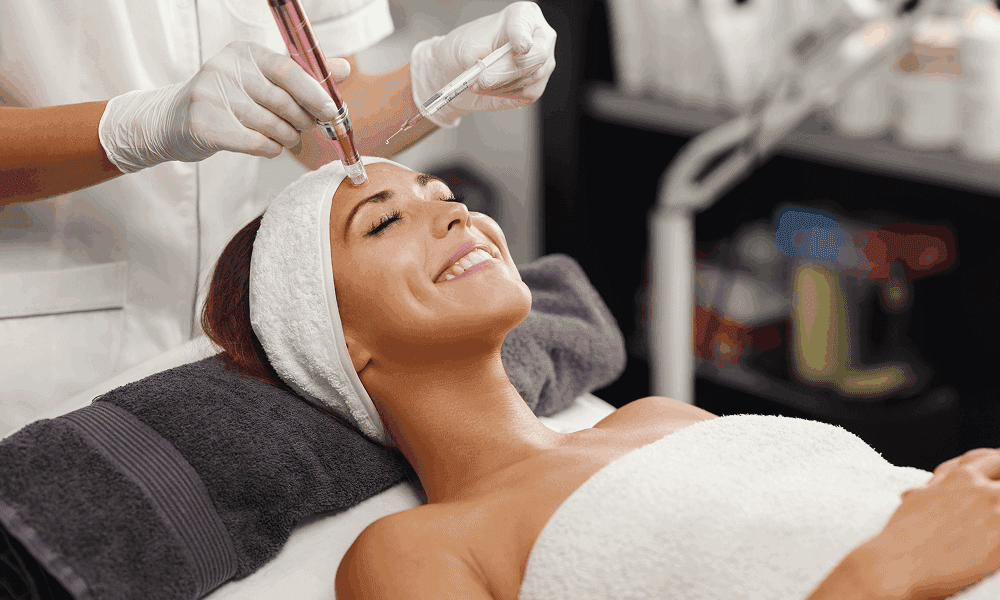
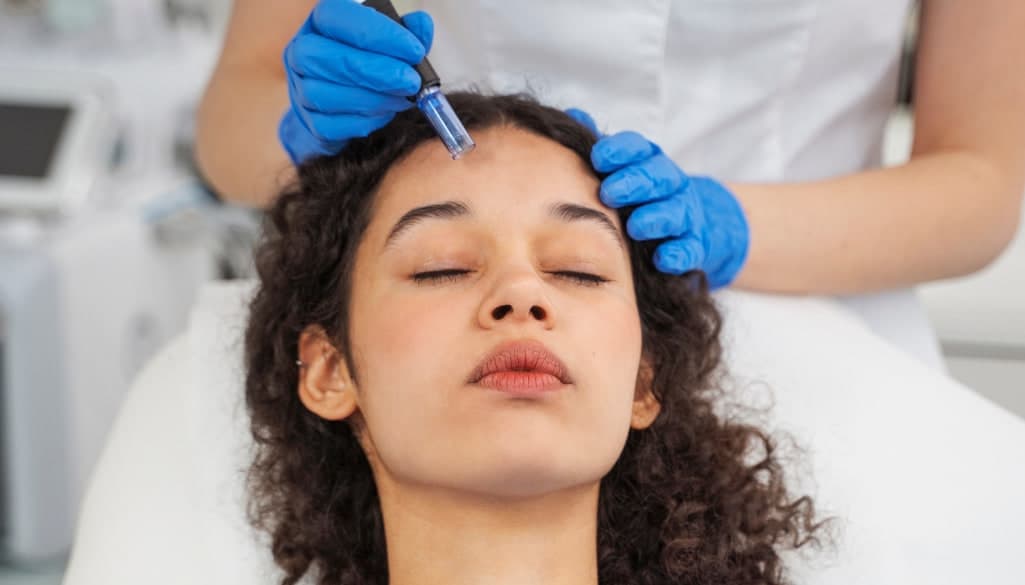
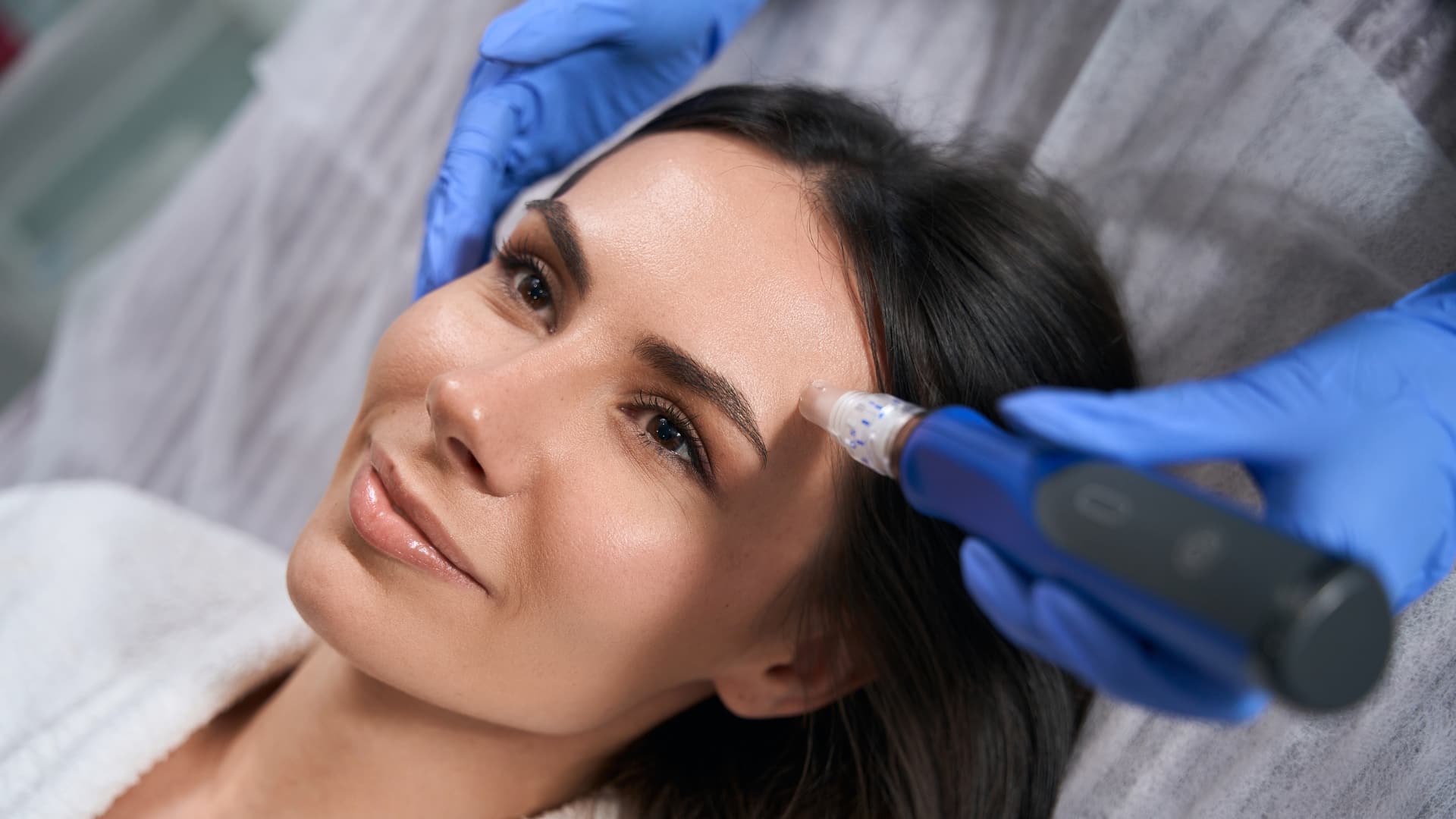
Fortunately, microneedling has gained huge popularity for smoothing skin, reducing scars, & boosting collagen. But no treatment is completely risk-free. By gently puncturing the skin with tiny needles, microneedling encourages the skin's natural healing process. This controlled injury triggers healing. While that process brings results, it also causes side effects.
Some microneedling side effects are mild and expected. Others are less prevalent yet important to understand. In this guide, we break down both.
Common Side Effects of Microneedling
These reactions happen often. The majority of adverse effects are transient and go away in a few days.1. Redness
Redness is the most typical side effect. The skin often appears slightly red or flushed, similar to mild sun exposure. It may last a day or two. Redness means your body has started healing. In some cases, it may last longer, especially with deeper treatments.2. Swelling
Mild swelling can occur after the procedure. Your skin may feel puffy, especially around the eyes or lips. This is normal in the healing process. It usually settles in 24 to 48 hours.3. Skin Sensitivity
The skin becomes more reactive after microneedling. It may feel hot, tight, or tingly. Even gentle skincare can sting. This sensitivity lessens when the skin heals itself.4. Dryness and Flaking
As the skin renews, you may notice dry patches or peeling. This is a good indication as it means the old skin is shedding. Some people don’t peel, while others do for a few days.5. Itching
Itching often comes with healing. It may be mild or irritating, but it usually goes away quickly. To avoid skin irritation or possible infection, avoid scratching the area.6. Mild Bruising
Tiny bruises can show up, especially under the eyes or on thinner skin. These are typically mild and will disappear within a few days. Bruising is more likely if you're on blood-thinning medicines or supplements.7. Temporary Breakouts
Small pimples or whiteheads can appear post-treatment. This typically results from skin purging as trapped sebum and debris are brought to the surface. In most cases, breakouts disappear on their own within a few days.Less Common or Rare Side Effects
These side effects happen less often but can be more serious. Understanding these factors is crucial before beginning the procedure.1. Hyperpigmentation
Dark spots can develop during healing, especially if you have a deeper skin tone. This is called post-inflammatory hyperpigmentation (PIH). Sun exposure can make it worse. It may fade with time, but not always.2. Hypopigmentation
In rare cases, lighter spots may appear on the skin due to pigment loss. This is more likely if the skin is over-treated or if healing doesn’t go well. It can be permanent in some cases.3. Infection
Though rare, infection is a real risk. Open skin is vulnerable, and signs of infection after microneedling include pus, growing redness, swelling, pain, or heat. These infections need medical attention right away. They're more likely with poor hygiene or improper aftercare.4. Allergic Reactions
Some reactions don’t come from the needles, but from products used during or after the procedure. Numbing creams, serums, or skincare might cause itching, hives, or redness. Always check ingredient lists or request a patch test.5. Scarring
Improper technique, deep needling, or poor healing can cause scarring. Scars may look like raised lines, indentations, or rough patches. Though uncommon, scarring can be long-term.6. Keloids
Keloids are thick, raised scars. Some people are genetically prone to them. Microneedling can trigger keloid formation, especially in those with a history of it. It’s best to avoid microneedling if you’ve had keloids before.7. Bleeding
Pinpoint bleeding is normal during treatment. However, significant or continuous bleeding following the session is not. This could be due to too much pressure or certain health conditions. Inform your doctor if you are taking any blood thinners.8. Worsening of Skin Conditions
Microneedling may worsen rosacea, psoriasis, or eczema. If you have active flare-ups, the treatment may make symptoms worse. Always check with a professional first.Final Thoughts
Microneedling comes with a list of possible side effects. The usual ones, such as swelling, flaking, and redness, are a normal part of the healing process. They’re usually mild and resolve quickly. The less common risks, like infection or pigmentation changes, can be more serious. However, they are often preventable with proper technique, hygiene, and professional care.Good to know
Frequently asked questions
Still unsure? Our team is glad to talk you through anything before you book.
- Microneedling is generally safe, but like any treatment, it comes with some risks. It's common to experience redness, swelling, mild bruising, or dry, flaky skin for a few days after the procedure. Some people might also feel itching or stinging. Less commonly, there’s a small chance of infection or flare-ups of conditions like cold sores.
- Yes, microneedling is safe when done by a trained professional using clean, sterile tools. It’s a minimally invasive treatment that doesn’t involve heat or harsh chemicals, so the risks are low compared to other more aggressive procedures.
- Sometimes, the tiny injuries can trigger an inflammatory response that makes your skin look darker. This can activate pigment cells in the skin, especially if you’re prone to hyperpigmentation. This is usually temporary and can improve with the right aftercare.
- Even though it involves tiny needles, microneedling isn’t usually painful. To keep you comfortable, a numbing cream is used before the procedure. The majority of people define the sensation as a slight prickling or pressure.
- Microneedling isn’t suitable for everyone. You should avoid it if you’ve used Accutane (isotretinoin) in the past 3 months, have open wounds or skin infections, have had radiation on your skin in the past year, or if you have active acne, eczema, or herpes outbreaks in the area being treated. It’s also not recommended if you're pregnant or breastfeeding.