
If you’ve been considering skin resurfacing, you’ve likely encountered terms like “microneedling vs. laser, microneedling vs. CO2 laser, and microneedling vs. laser resurfacing everywhere. These two are among the most sought-after skin treatments today, but they work very differently. Before you make a choice, it’s useful to know how each technique works, what results you can (and cannot) expect, and which is most likely to address your skin concerns.
Let’s take a closer look.
Microneedling is the practice of puncturing your skin with very tiny, sterile needles. These micro-injuries trigger your body’s natural healing response, increasing collagen and elastin levels over time. Beacon Dermatology
Laser therapy, however, focuses light energy on deeper layers of the skin. Also, some remove the top layer of skin (ablative), while others heat the underlying tissue without removing the skin (non-ablative). That distinction in how they work has far-reaching implications for results, downtime, cost and who is the best candidate for each treatment.
Understanding the Difference: Microneedling vs Laser
And at the centre of the debate over microneedling versus laser is this: both are skin treatments designed to improve skin quality, but they do so in different ways.Microneedling is the practice of puncturing your skin with very tiny, sterile needles. These micro-injuries trigger your body’s natural healing response, increasing collagen and elastin levels over time. Beacon Dermatology
Laser therapy, however, focuses light energy on deeper layers of the skin. Also, some remove the top layer of skin (ablative), while others heat the underlying tissue without removing the skin (non-ablative). That distinction in how they work has far-reaching implications for results, downtime, cost and who is the best candidate for each treatment.
How Microneedling Works
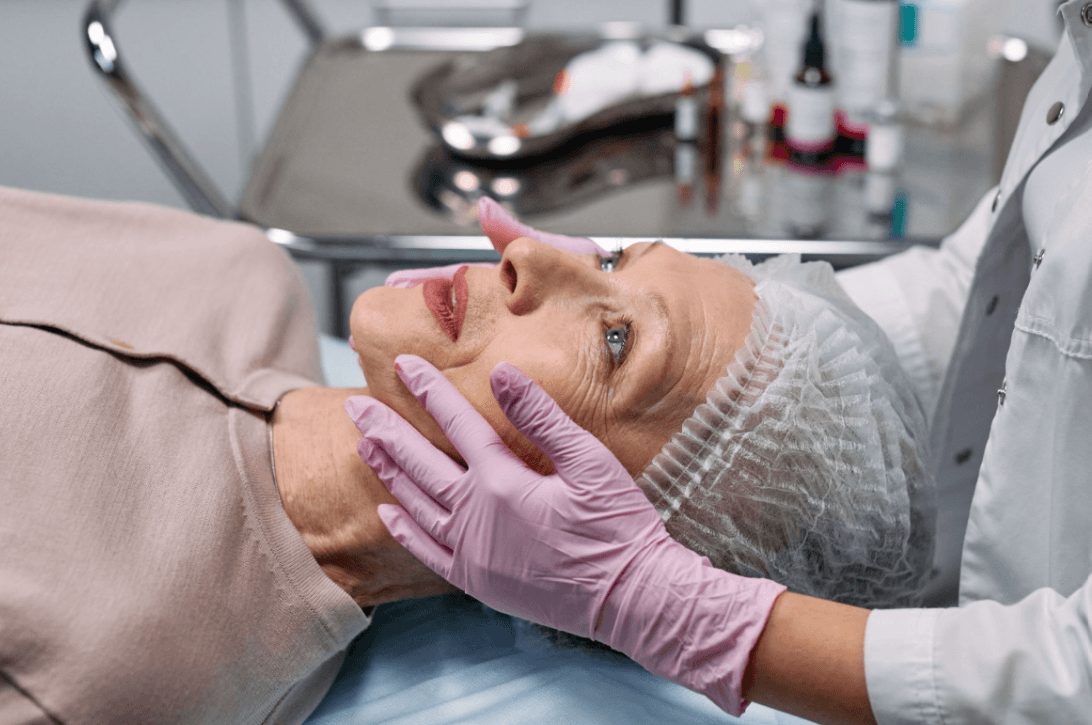
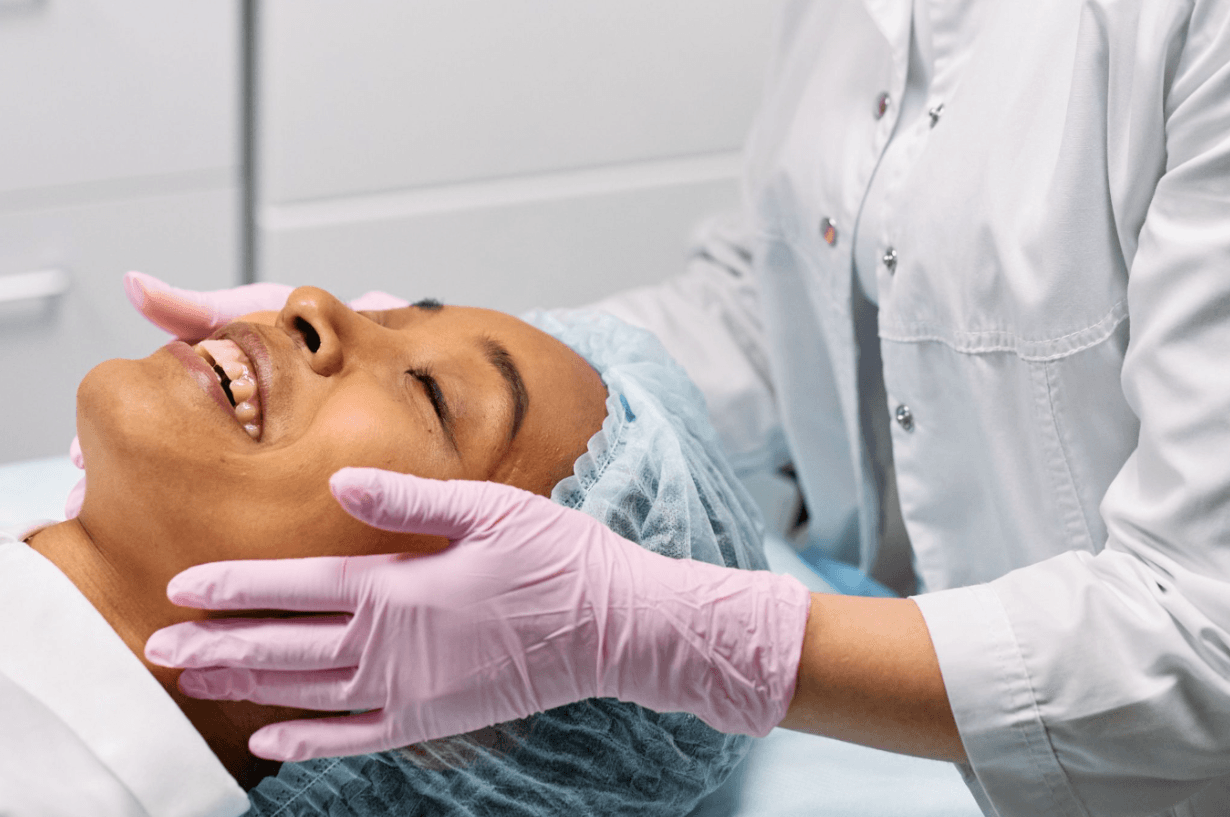
Also referred to as collagen induction therapy, microneedling is a term we hear quite often. A licensed provider presses or rolls small needles over your skin, which results in controlled micro-injuries. Here’s what happens:- Your skin detects the minute “injuries” and responds with repair.
- Performing natural production of collagen and elastin.
- With consistent use, your skin will become firmer and smoother. Beacon Dermatology
- Mild wrinkles and fine lines
- Texture irregularities
- Mild acne scars
- Enlarged pores
- Uneven tone
How Laser Treatment Works
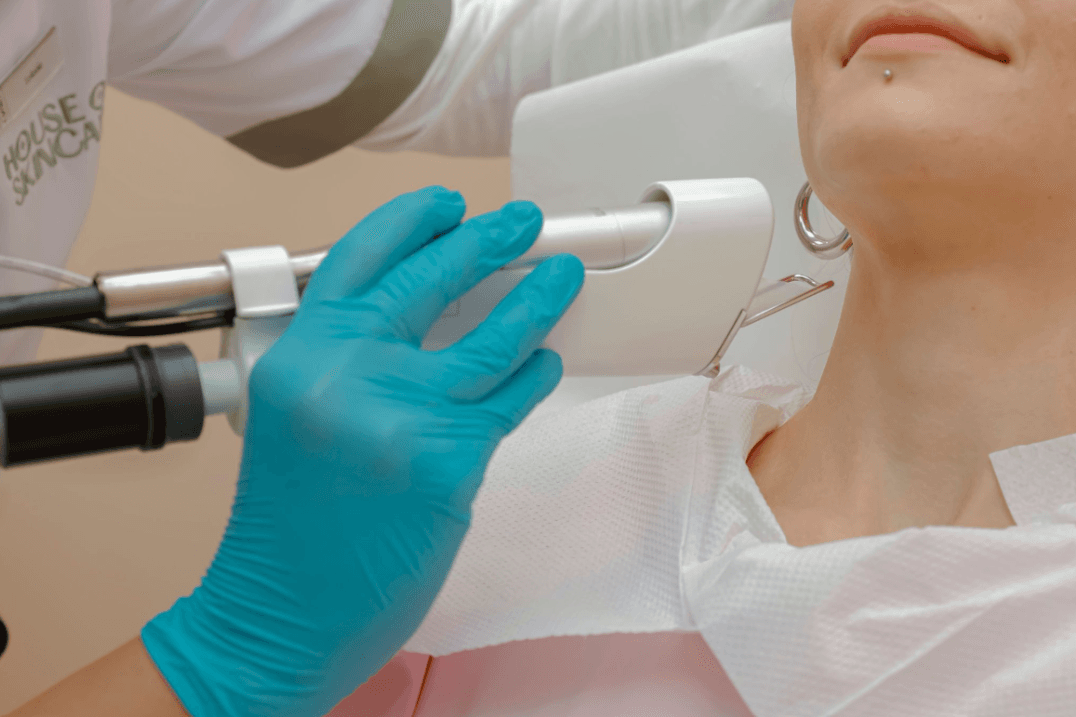
Laser: Laser therapy (fractional or CO2 laser resurfacing) concentrates beams of light at differing levels on your skin to treat it. The effect varies for different types of lasers: Ablative lasers target the upper layer of skin and the underlying dermis, physically removing damaged cells and promoting a more robust healing response. They are often used for dramatic effects. Non-ablative lasers avoid surface damage and instead heat deeper layers, resulting in less downtime. Laser therapy is commonly employed for:- Deep wrinkles and aged skin
- Sun damage and pigmentation issues
- Deep acne scars
- Texture and tone problems
Microneedling vs CO2 Laser 2/Erbium: How They Compare
Microneedling vs. CO2 laser/ Erbium is a frequently asked question, especially if your concerns extend beyond mild to moderate ageing. CO2 laser/Erbium treatments tend to produce more dramatic results in fewer sessions. For deep lines and wrinkles, resistant pigmentation, or moderate-to-severe photoaging, several other treatments may be recommended by many practitioners, such as CO₂ lasers or advanced fractional lasers. Microneedling, in the meantime, delivers more gently and is more appropriate for individuals who:- Want gradual improvement
- Have minimal downtime
- Experience some texture issues or the first signs of ageing
Microneedling vs Laser Resurfacing: A Side-by-Side Look
Hooking up microneedling vs. laser resurfacing: both aim to improve skin texture, though laser is said to go deeper. Since laser resurfacing can both remove damaged skin cells and stimulate collagen more directly, the results may be faster and more dramatic. But that also often means more redness, peeling, and recovery time, not to mention more pain, than with microneedling.Microneedling Laser Treatment: What to Expect
You’ll sometimes see phrases such as microneedling laser treatment used in tandem. That can refer to:- A combination regimen for both microneedling and laser therapy
- Procedures in which microneedling amplifies laser therapy
- More sophisticated treatments, such as radiofrequency (RF) microneedling
Microneedling vs Laser for Wrinkles
If wrinkles are your main concern, the choice often comes dobes are.- Microneedling is effective for fine lines and early wrinkles by stimulating collagen production over time.
- Laser treatment, especially CO₂ or ablative laser resurfacing, can smooth out deeper creases and aged skin more dramatically and faster.
Downtime and Recovery: What You Should Know
Everyone heals differently, but here’s a general look at recovery.Microneedling:
- Redness or pinkness for about 24-48 hours
- Mild swelling
- Return to routine fast
Laser Resurfacing:
- Redness and peeling for several days
- Social downtime depends on treatment strength
- Elevated aftercare with creams and sun avoidance
Which One Is Right for You?
There’s no universal answer to the question of microneedling vs. laser. It depends on:- Your skin concern (texture vs deep wrinkles)
- Your tolerance for downtime
- Your budget
- Your timeline for results
Final Thoughts
Both microneedling and laser treatments are powerful tools for skin improvement. Microneedling is gentle, repeatable, and effective for early signs of ageing and surface concerns. Laser resurfacing reaches deeper and can produce noticeable change faster, especially for stubborn issues. Understanding how these treatments compare helps you make a smart, confident choice for your skin journey. If you’re still unsure, a consultation with a certified dermatologist or skin specialist will help create a plan tailored to your unique needs.Good to know
Frequently asked questions
Still unsure? Our team is glad to talk you through anything before you book.
- Neither is better for everyone. Microneedling is well-suited to mild skin concerns, while laser treatments are more effective for deeper wrinkles, scars, and sun damage.
- Microneedling usually has less downtime, with redness lasting one to two days. Laser treatments may require several days to a week to recover.
- No. Microneedling gradually improves fine lines, while laser treatments often deliver faster, more noticeable results for deeper wrinkles.
- Microneedling causes mild discomfort and is usually well tolerated. CO₂ laser treatments can be more uncomfortable, but are done with numbing for comfort.
- Yes, some people benefit from combining microneedling and laser treatments, but this should only be done under professional guidance.