Microneedling has become one of the most talked-about skin treatments in recent years. From celebrities to dermatology clinics, everyone seems to recommend it for clearer, smoother and younger-looking skin. But the real question remains: does microneedling work, or is it just another skincare trend?
The short answer is yes, microneedling does work, and it is backed by solid scientific research. When done correctly, it can significantly improve skin texture, reduce scars, fade pigmentation and stimulate natural collagen production.
In this in-depth guide, we will explore everything you need to know about microneedling. How it works, what it treats, who it is suitable for, real results, safety, side effects, and whether professional treatment is worth it compared to at-home devices. For those considering professional care, choosing a Microneedling Treatment in London can ensure safe procedures and clinically guided results.
2 to 3 Weeks:At this stage, you may start noticing subtle improvements. Your skin may feel smoother, look brighter, and have a more even tone. These early changes happen as new skin cells rise to the surface.
Around 3 Months:For many people, this is the point where results become clearly noticeable. The new collagen has formed, and the skin looks healthier, firmer, and more refined. However, improvement continues beyond this stage.
Maintenance Phase:Microneedling results can last a long time, but ageing is an ongoing process. To maintain the benefits, many people choose to have a maintenance session once a year.
What Is Microneedling?
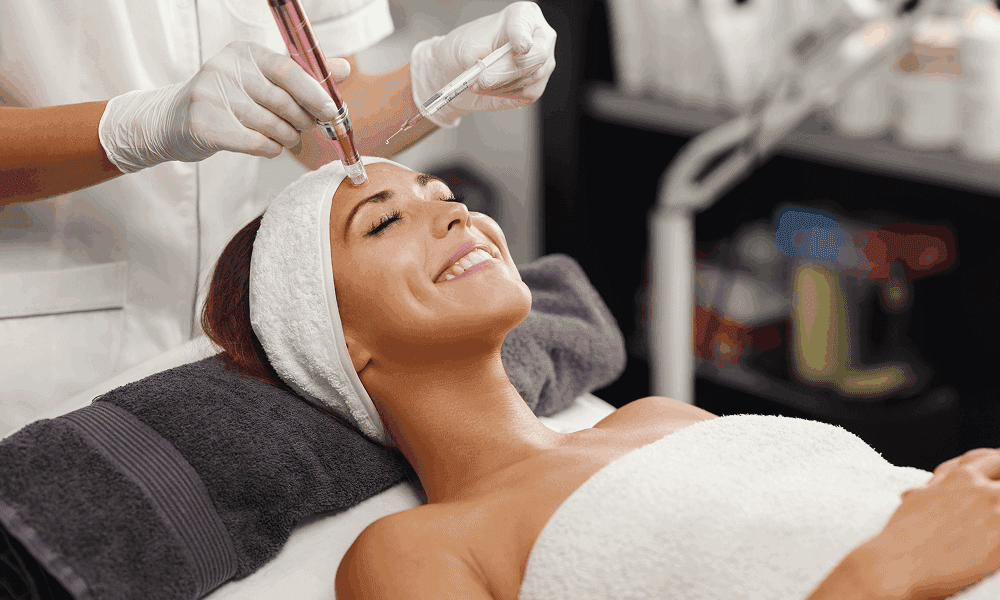
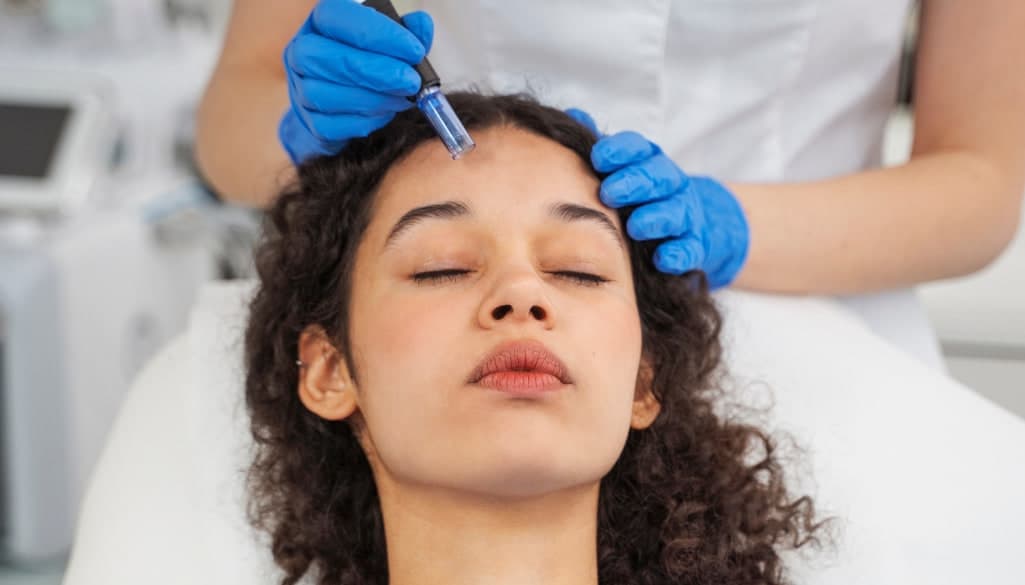
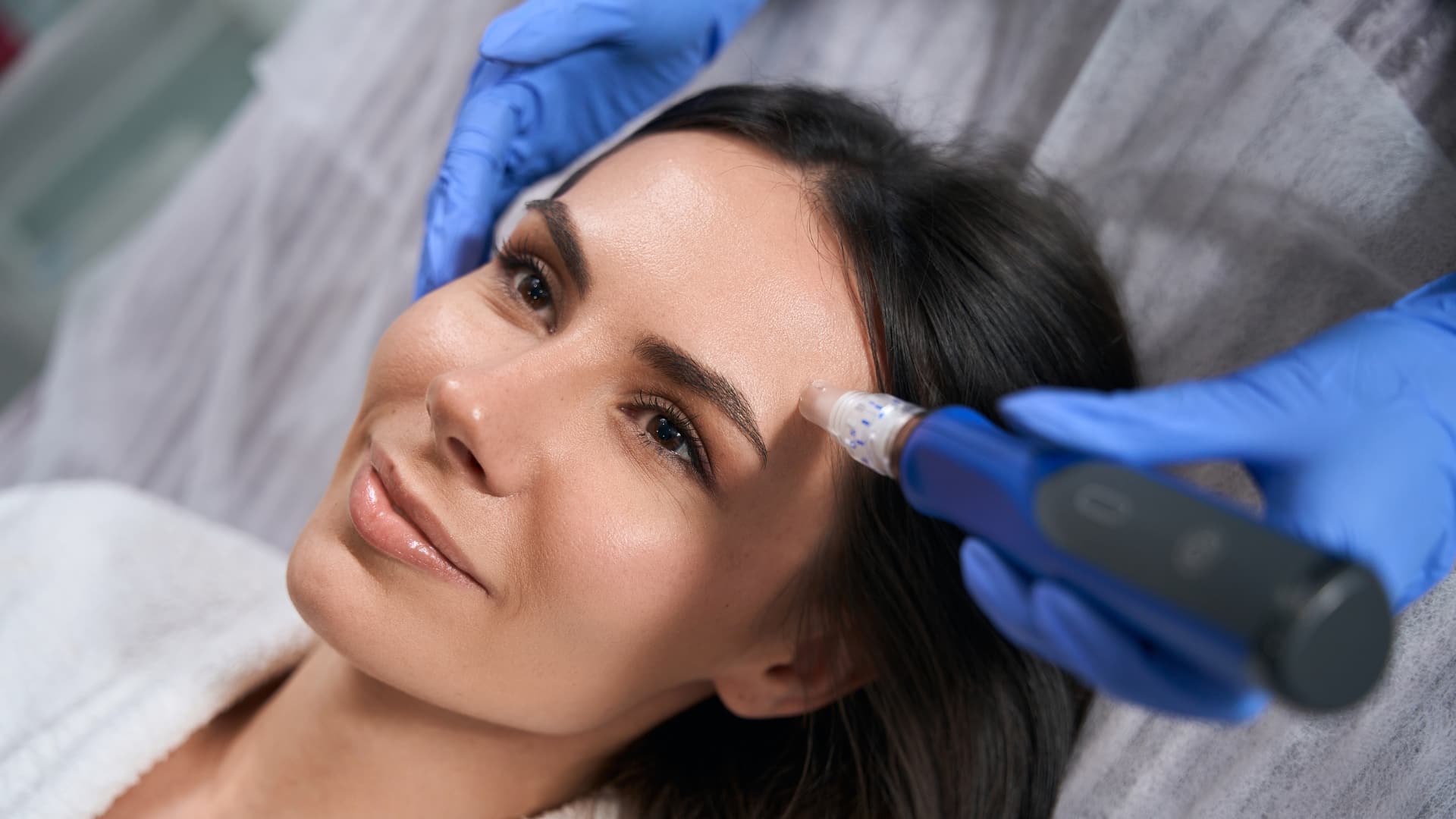
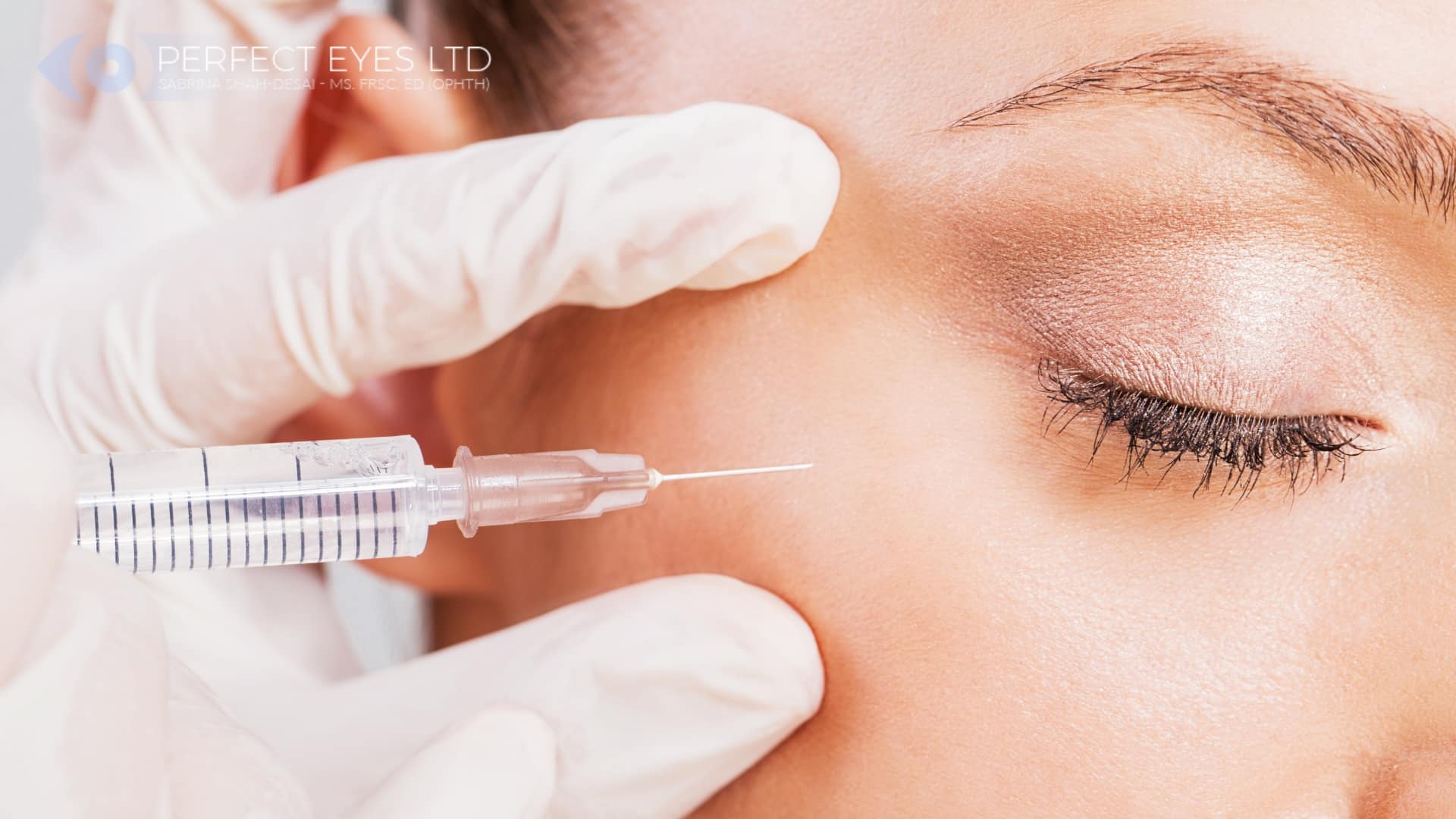
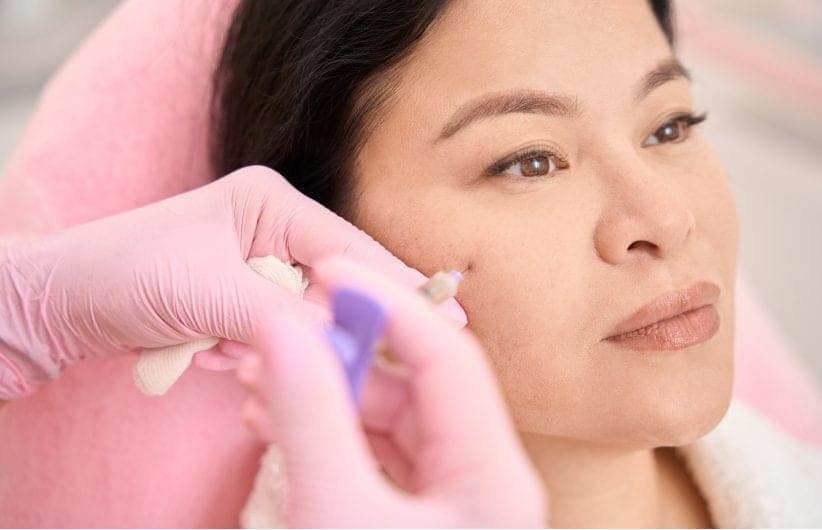
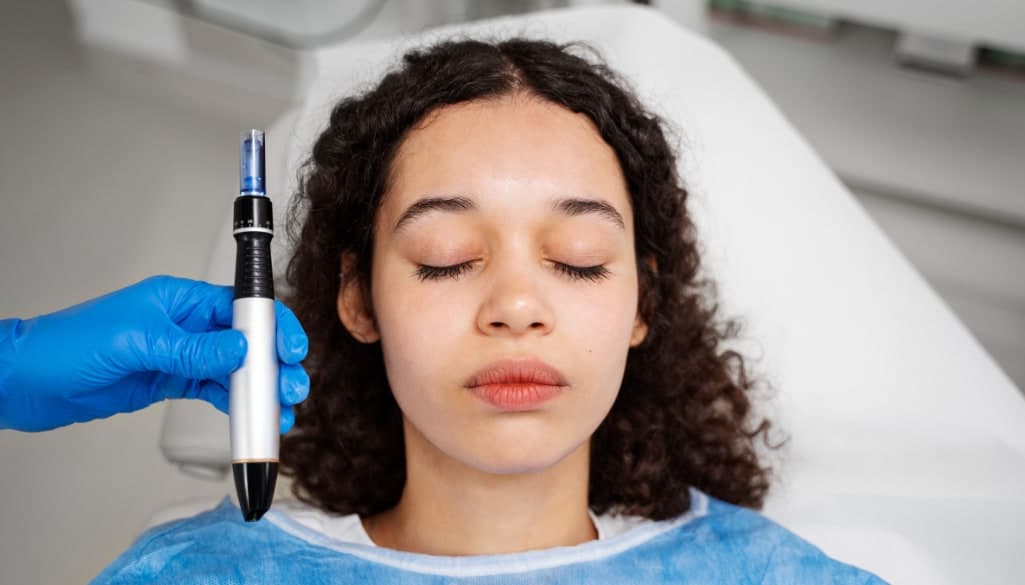
Microneedling is a minimally invasive treatment that uses extremely fine, sterile needles to create small punctures in the skin. These micro-injuries stimulate the body's natural healing process, resulting in enhanced collagen and elastin production. Because of these effects, the Benefits of Microneedling include improved skin texture, firmness, and overall skin quality. Because of this mechanism, microneedling is also known as Collagen Induction Therapy (CIT). Collagen and elastin are the primary proteins responsible for:- Skin firmness
- Smooth texture
- Elasticity
- Youthful appearance
How Does Microneedling Work?
Microneedling works through a controlled injury process. Although it sounds aggressive, the treatment is actually very precise and carefully regulated. Here is what happens step by step:01. Controlled Micro-Injuries
The device forms numerous tiny channels in the skin. These are not visible wounds but tiny punctures that do not cause permanent damage.02. Healing Response
The body immediately reacts by sending growth factors, platelets and repair cells to the area.03. Collagen and Elastin Production
Over the next few weeks and months, the skin produces new collagen fibres and elastin, making the skin thicker, firmer and smoother.04. Improved Absorption of Skincare
The micro-channels allow serums such as vitamin C, hyaluronic acid or growth factors to penetrate deeper and work more effectively. This dual action makes microneedling both a treatment and a delivery system for active ingredients.How Long Does Microneedling Take to Work?
Microneedling does not deliver instant results, but it offers gradual and long-lasting improvement because it works by stimulating your skin’s natural collagen production. While you may notice small changes within a few weeks, the real transformation takes time and usually develops over several months.01. Short-Term Results (First Few Days to Weeks)
Days 1 to 5:Following the procedure, your skin may feel sensitive and seem red, like a light sunburn. As the skin starts to heal itself, some people also notice stiffness, dryness, or a little peeling. This is a natural component of the healing process.2 to 3 Weeks:At this stage, you may start noticing subtle improvements. Your skin may feel smoother, look brighter, and have a more even tone. These early changes happen as new skin cells rise to the surface.
02. Medium-Term Results (1 to 3 Months)
4 to 6 Weeks:This is when collagen production becomes more active. You may see visible improvements in skin firmness, texture, and fine lines. Scars and pigmentation may also begin to fade slowly.Around 3 Months:For many people, this is the point where results become clearly noticeable. The new collagen has formed, and the skin looks healthier, firmer, and more refined. However, improvement continues beyond this stage.
03. Long-Term Results (3 to 6 Months and Beyond)
After 3 to 6 Months:The best results are usually seen after completing a full treatment plan, which typically includes 3 to 6 sessions spaced several weeks apart. Deeper concerns like acne scars, wrinkles, and loss of firmness show the most improvement during this period.Maintenance Phase:Microneedling results can last a long time, but ageing is an ongoing process. To maintain the benefits, many people choose to have a maintenance session once a year.
Who Should Avoid Microneedling?
Microneedling is safe for most people, but it is not suitable for everyone. Certain medical conditions and skin problems can increase the risk of complications, slow healing, or worsen existing issues. That is why a proper consultation with a qualified dermatologist is always recommended before starting treatment.01. People with Active Skin Infections
Anyone with an ongoing skin infection should avoid microneedling. This includes conditions such as cold sores, herpes, warts, or any bacterial or fungal infection. Treating infected skin can spread the infection and delay recovery.02. Those with Severe or Inflamed Acne
Microneedling should not be done on skin with active, painful, or cystic acne. Open pimples and deep inflammation can lead to more scarring and infection if needled.03. People with Chronic Skin Conditions
If you have eczema, psoriasis, or rosacea in the area being treated, microneedling can irritate the skin further and trigger flare-ups.04. Individuals Prone to Abnormal Scarring
People who have a history of keloid or thick raised scars should avoid microneedling, as the treatment can stimulate excessive scar tissue formation.05. Autoimmune Disorders
Conditions such as lupus, scleroderma, or other immune-related disorders can impact the healing process and increase the risk of complications.06. People with Poor Healing or Diabetes
Uncontrolled diabetes can slow down wound healing and increase the risk of infection after treatment.07. Cancer Patients
Those currently receiving chemotherapy or radiation therapy should avoid microneedling, as their immune system is often weakened.08. Recent Sun Exposure
If you have a fresh tan or sunburn, microneedling should be postponed. Sun-damaged skin is already inflamed and more prone to irritation.09. Suspicious Skin Lesions
Any changing moles, unusual freckles, or growing skin tags should be checked by a doctor before considering microneedling.10. Pregnancy and Breastfeeding
Although microneedling itself is not proven to be harmful, it is usually advised to wait until after pregnancy and breastfeeding, especially because of the topical products used during treatment.11. Allergies
If you are allergic to numbing creams, metals used in needles, or specific skincare ingredients, microneedling may not be suitable.12. Bleeding Disorders or Blood Thinners
People with conditions like haemophilia or those taking blood-thinning medications may experience excessive bleeding and poor healing.How Long Does a Microneedling Session Take?
The length of a microneedling session depends on the area being treated and the skin concern. Small areas, such as fine lines around the lips or eyes, may take only a few minutes. Larger areas, like the face, thighs, or stretch marks on the hips, can take between 15 to 30 minutes. In most cases, the entire appointment, including preparation and aftercare guidance, is completed within one hour.Is There Any Downtime After Microneedling?
Microneedling has very little downtime compared to most cosmetic treatments. In most cases, you can return to your normal routine the same day. Right after the session, your skin may look red or slightly darker, depending on your skin tone. It often feels warm, tight, or mildly uncomfortable, similar to a light sunburn. Some people also experience mild swelling or sensitivity. These effects usually settle within a few days and rarely last longer than a week. To help your skin recover faster, your dermatologist may recommend a soothing aftercare cream or serum. This helps reduce irritation and supports healing. Although you can return to work or regular activities immediately, it is important to avoid makeup for at least 24 hours to minimise infection or irritation.What Are the Possible Side Effects of Microneedling?
When microneedling is performed by a trained and experienced dermatologist, side effects are usually mild and temporary. However, risks increase if the procedure is done by someone without proper medical knowledge. Possible side effects include:- Redness lasting longer than expected
- Swelling or skin irritation
- Infection due to poor hygiene
- Scarring from improper technique
- Long-term skin darkening or pigmentation
- Increased sensitivity
Final Thoughts
Microneedling is a proven and effective skin treatment that works by stimulating your body’s natural healing process. It improves skin texture, reduces scars, softens wrinkles, and enhances overall skin quality without aggressive procedures or long recovery time. While results take time and require multiple sessions, the outcome is natural, long-lasting, and suitable for most skin types. When performed by a qualified professional and combined with proper aftercare, microneedling can significantly transform the health and appearance of your skin, making it one of the most reliable and versatile treatments in modern dermatology.Good to know
Frequently asked questions
Still unsure? Our team is glad to talk you through anything before you book.
- Microneedling shows both early and gradual results. In the first few days, your skin may feel sensitive and look slightly red. Within one to two weeks, most people notice brighter, clearer skin. Over time, pores appear smaller, skin tone becomes more even, and texture continues to improve as collagen develops.
- Microneedling is usually not advised during pregnancy. Hormonal changes make the skin more sensitive, increasing the risk of irritation or infection. There is also a risk from topical products used during treatment. It is safer to wait until after delivery and follow pregnancy-safe skincare options recommended by your doctor.
- Most people benefit from microneedling every four to six weeks. The exact frequency depends on your skin type and treatment goals. For concerns like acne scars or wrinkles, a series of sessions over several months is usually required for the best results.
- Yes, microneedling can enhance skin oxygen level and blood flow, which promotes lymphatic drainage. This encourages healing and lessens inflammation, particularly in areas that are prone to acne.
- Microneedling should be avoided on skin with active infections such as cold sores, open wounds, or severe acne. Treating these areas can spread bacteria and lead to further irritation or complications.