Large pores are common, but the right mix of in-clinic treatments, daily skincare, and lifestyle tweaks can noticeably smooth your skin and make pores look much smaller over time.
The best treatment for large pores is usually a customised plan combining professional procedures such as lasers or microneedling with targeted products such as retinoids and salicylic acid, chosen based on your skin type, pore size, and whether you also have wrinkles or acne scars.
What causes large pores?
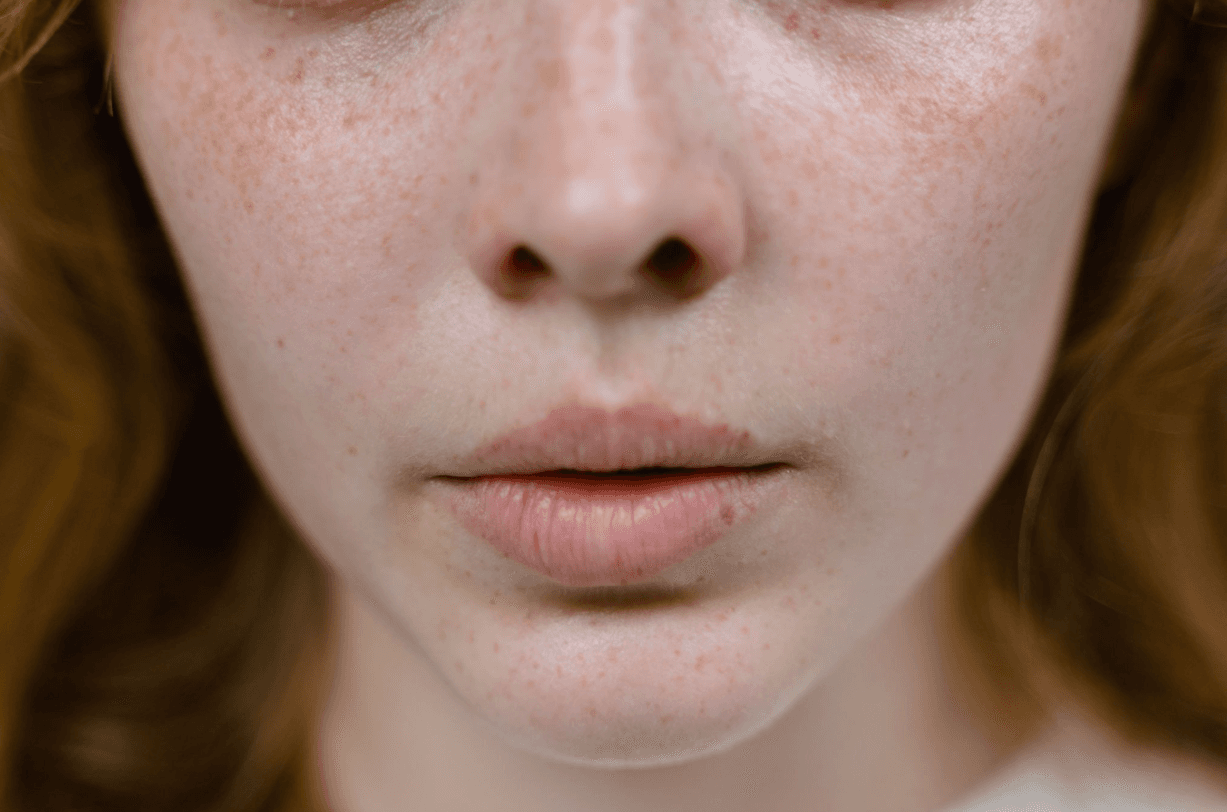
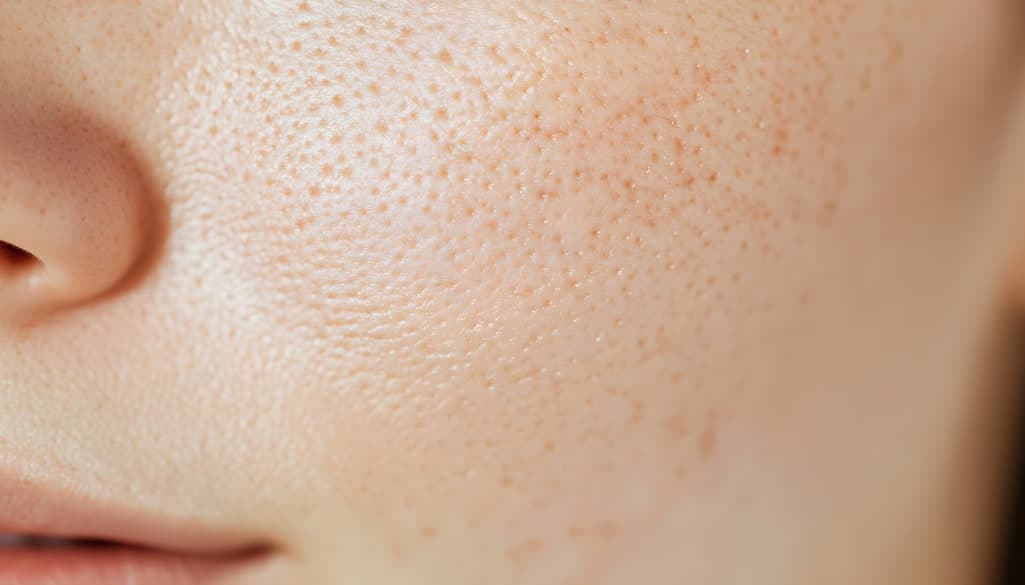
Large pores are often linked to genetics, but other factors make them look more prominent, including excess oil production, sun damage, ageing, and past acne. As collagen and elastin break down with age or UV exposure, the pore walls lose support, making pores appear stretched and more visible on the skin's surface. Hormonal changes, heavy makeup, and not cleansing properly can clog pores with sebum, dead skin, and debris, which makes them look even larger. Acne, blackheads, and post-acne marks contribute to surface irregularities, so treating breakouts and texture together often yields better results than focusing only on pore size.Best Treatment for Large Pores (in-clinic)
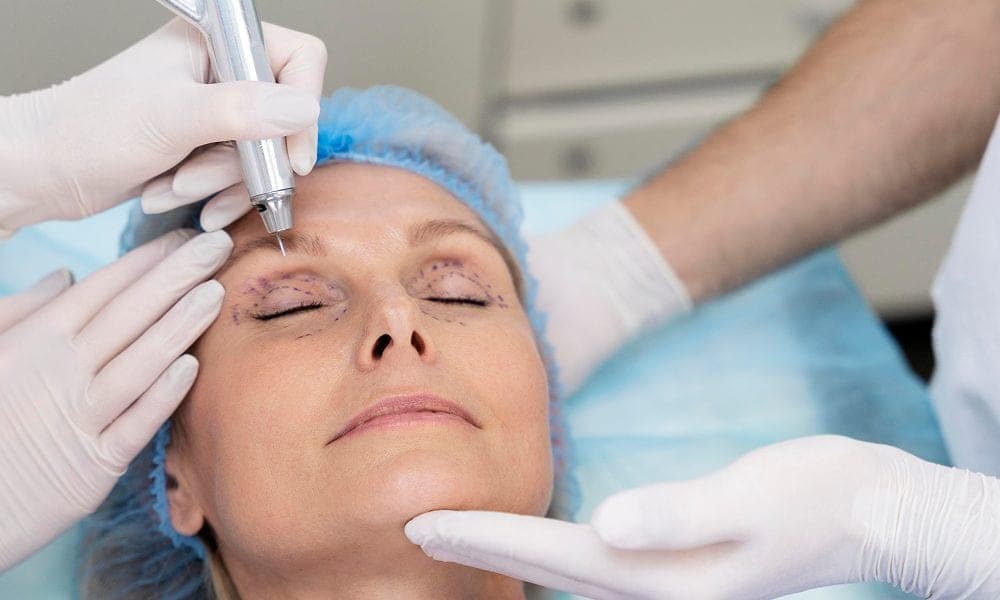
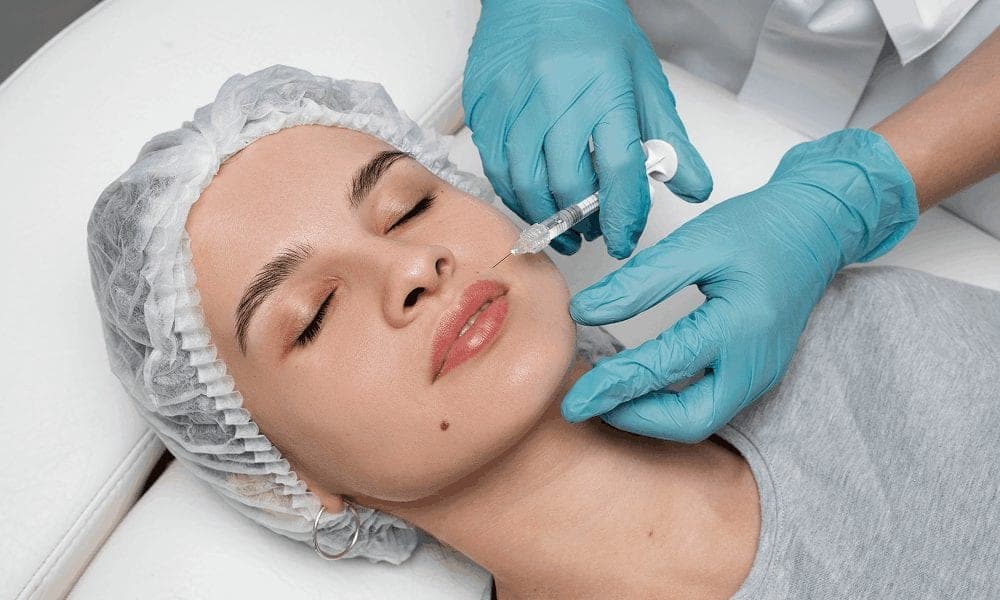
For many people, the best treatment for large pores is a series of in-clinic procedures that target collagen, texture, and oil control, rather than a single one-off session. A dermatologist or aesthetic doctor will usually suggest a combination based on your skin thickness, pore size, and whether you have wrinkles or scars. Top in-clinic options include:- Fractional laser resurfacing: Fractional lasers target the deeper layers of skin to stimulate collagen, tighten tissue, and refine surface texture, making enlarged pores appear smaller over several sessions. These treatments also improve fine lines, sun damage, and mild acne scars, making them a strong choice when you want the best treatment for large pores and wrinkles together.
- Microneedling (Dermaroller, Dermapen, Millifrac): Microneedling creates controlled microchannels in the skin, triggering collagen production, improving firmness, and smoothing pore edges. It works especially well for enlarged pores related to ageing and mild scarring, and can be combined with serums or radiofrequency for stronger tightening.
- Laser carbon peel: A carbon peel uses a layer of carbon plus laser energy to deeply clean pores, reduce oil, and gently resurface the skin. This is a good option if you have oily or acne-prone skin and want a pore-clearing treatment that also targets blackheads and dullness, with minimal downtime.
- Advanced facials and medical facials: Some clinics offer tailored facials that combine deep cleansing, mild peels, masks, and light-based technologies to refine pores and rebalance oil. These can be helpful maintenance treatments between stronger sessions, like laser or microneedling.
Best Treatments for Large Pores and Wrinkles
When large pores appear together with fine lines, crepey skin, or acne scars, the focus shifts to treatments that rebuild collagen and improve overall skin quality. In such cases, the best treatment for large pores and wrinkles often combines energy devices with collagen-boosting skincare.- Fractional lasers (such as CO2 or non-ablative fractional devices) can reduce pore size, soften wrinkles, and improve scars by regenerating collagen in deeper layers. These usually require a few sessions spaced weeks apart, with results continuing to improve over several months as new collagen forms.
- Microneedling with or without radiofrequency is another strong option when pores, wrinkles, and mild laxity coexist. By tightening the skin and thickening the dermis, microneedling makes pores look smaller while gradually smoothing fine lines.
- Collagen-focused skincare, especially retinoids, peptides, and antioxidants, maintains and extends the results of these treatments by supporting skin renewal and defending against daily damage.
Best Products to Minimise Pores: Home Care Essentials
A smart daily routine is just as important as in-clinic procedures when you are looking for the best products to minimise pores. Consistency matters more than the number of steps, so keeping things simple but targeted makes it easier to stick with the long term. Key product categories:- Gentle, non-comedogenic cleanser: A mild cleanser removes sweat, oil, and pollution without stripping the skin, which helps keep pores clear and calm. Foaming or gel cleansers are often better for oily or combination skin, while dry or sensitive skin may prefer cream formulas that protect the barrier.
- Exfoliants with AHA/BHA: Products with glycolic acid, lactic acid, or salicylic acid help dissolve dead cells and debris, keeping pores clean and less noticeable. Salicylic acid is oil-soluble, so it can work inside the pore lining and is especially useful if you are prone to congestion or breakouts.
- Retinoid creams or serums: Retinoids increase cell turnover, refine skin texture, and improve the structural support around pores, making pores appear smaller. Over time, they also help with fine lines and pigmentation, which is why many dermatology sources list retinoids as a foundation product for texture concerns.
- Lightweight, non-comedogenic moisturiser: Hydrated skin reflects light more evenly, so pores are less visible, and a healthy barrier is better at handling active ingredients. Look for gel or lotion textures if you are oily, and avoid heavy occlusive products that may clog pores.
- Broad-spectrum sunscreen: UV damage breaks down collagen and elastin, causing pores to stretch over time, so daily SPF is non-negotiable if you want long-term results. Many modern sunscreens are designed for oily or acne-prone skin and can even provide a slight blurring effect.
- Pore-minimising serums and toners: Clinical brands often offer dedicated pore-refining products with ingredients like niacinamide, salicylic acid, and gentle exfoliants. These formulas help control shine, smooth texture, and reduce the look of enlarged pores when used regularly.
Best Way to Shrink Pores: Daily Habits and Tips
While pore size is partly genetic, the best way to reduce the appearance of pores is to keep them clean, supported with collagen, and protected every single day. With the right habits, many people notice their skin looks smoother and more refined within a few weeks. Helpful habits include:- Consistent cleansing: Wash your face twice daily and always remove makeup and sunscreen before bed to avoid pore-clogging buildup. Double cleansing in the evening, starting with a makeup remover and following with a gentle cleanser, can be especially effective if you wear heavy makeup or water-resistant SPF.
- Smart exfoliation: Over-exfoliating can irritate the skin and actually make pores more noticeable, so follow professional guidance on how often to use acids or scrubs. Generally, a few times a week with chemical exfoliants is enough for most people, but oily skin may tolerate more frequent use under supervision.
- Avoid pore-clogging makeup: Opt for non-comedogenic, oil-free formulas and avoid sleeping in foundation or heavy primers that can block pores. If you like the “blurred” effect of primers, choose ones that are specifically formulated for acne-prone or sensitive skin.
- Sun protection every morning: Daily SPF slows down collagen breakdown and prevents the rough texture that exaggerates pores. This step magnifies the benefits of your treatments and is crucial if you are using retinoids, which can make skin more sun-sensitive.
- Healthy lifestyle choices: Staying hydrated, managing stress, and following a balanced diet support skin health from within and can reduce some triggers of excess oil production. While skincare products play the lead role, lifestyle habits act as an important backup for long-term pore control.
When to See a Skin Specialist
If your pores look large despite a good routine, or if you also have acne, scars, or pigmentation, it is worth booking a consultation with a qualified skin specialist. Professional assessment can separate what is due to genetics, what is due to damage, and which pores on the face treatment will realistically work for your skin. A clinic visit is especially helpful if:- You are confused between many options marketed as the best treatment for large pores.
- You want a targeted plan that also addresses wrinkles, scars, or uneven tone.
- You prefer evidence-based treatments and medical-grade products instead of trial and error with over-the-counter options.
Final Thoughts
Large pores can be managed effectively with a combination of professional treatments and consistent home care. While permanent pore size reduction is challenging, therapies like fractional lasers and microneedling stimulate collagen and improve skin texture, making pores visibly smaller. Combining treatments tailored to your skin type and concerns, along with daily use of products such as retinoids and salicylic acid, helps maintain results. Regular cleansing, exfoliation, and sun protection support these treatments. Consulting a skin specialist ensures you get a personalised plan that addresses not only large pores but also wrinkles and texture for healthier, smoother skin.Good to know
Frequently asked questions
Still unsure? Our team is glad to talk you through anything before you book.
- Professional options like fractional lasers and microneedling, combined with a good skincare routine, deliver the best results.
- While complete elimination is not possible, treatments significantly reduce their appearance and improve skin texture.
- Yes, products with retinoids, salicylic acid, and niacinamide help keep pores clear and refine their look over time.
- Multiple sessions spaced weeks apart are usually needed, with maintenance treatments recommended for long-term results.
- Yes, ageing and sun damage break down collagen, causing pores to stretch and become more visible.
- Healthy habits, hydration, and sun protection support skin health but do not change genetically determined pore size. Regular cleansing and avoiding pore-clogging products are key.