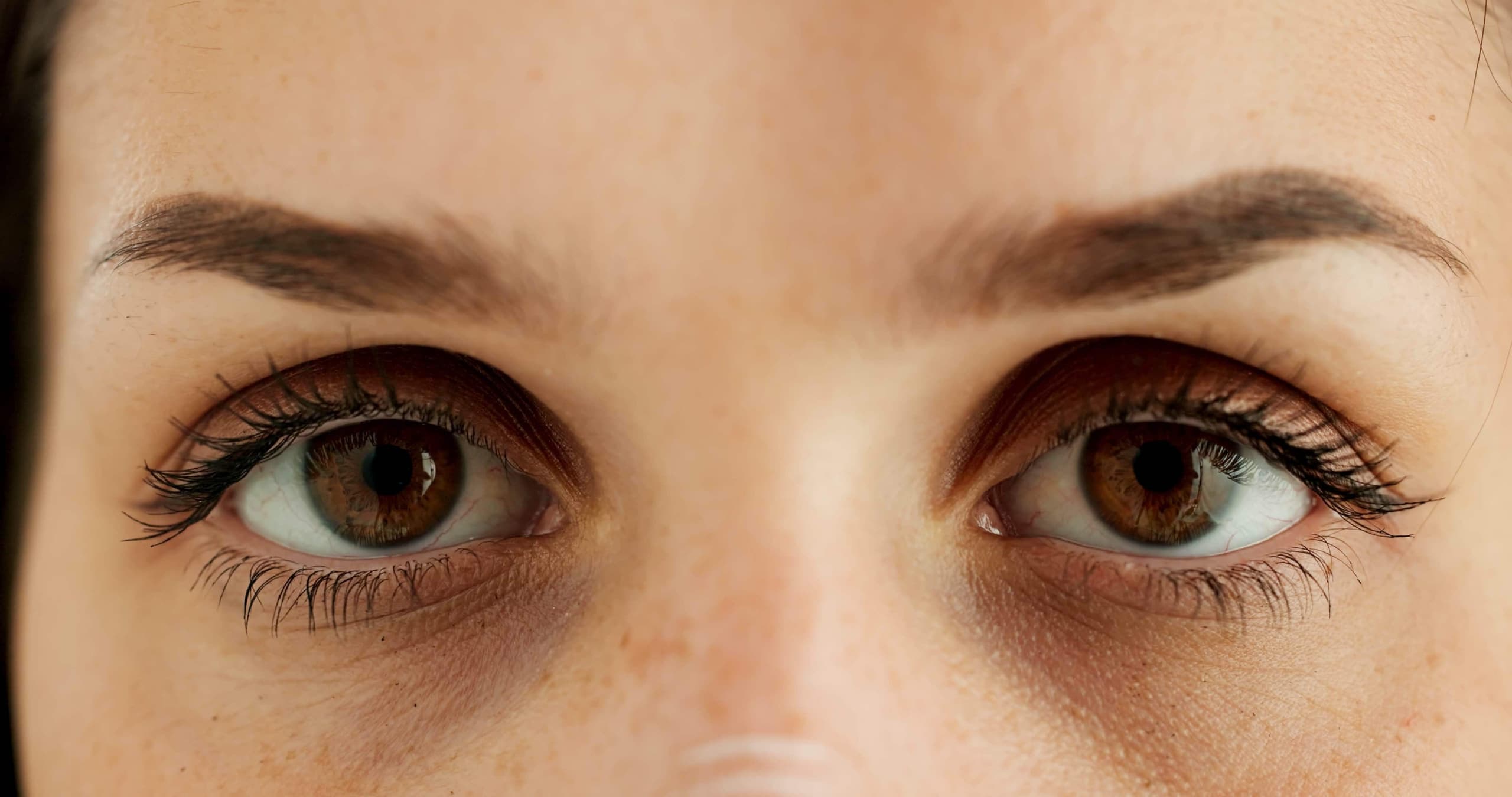
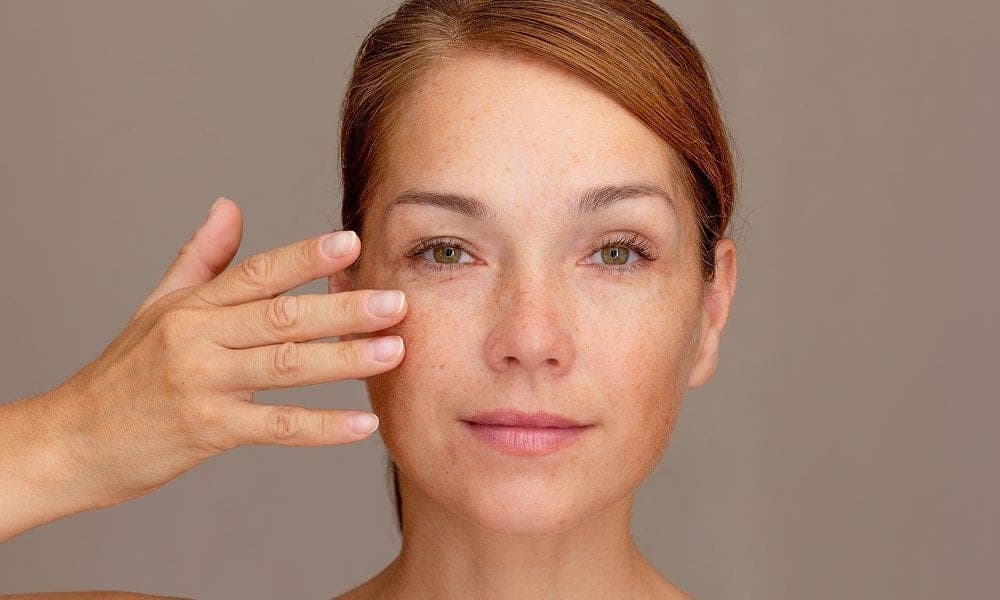
Puffy eyes are a common concern that can make the face look tired or swollen. They often appear because of fluid retention, lack of sleep, allergies, or natural ageing around the delicate under-eye area.
While many people search for quick fixes, improving daily habits, using the right eye care, and understanding the real cause can help reduce puffiness more effectively. From simple lifestyle changes to professional treatments, there are several ways to improve the look of eye bags and puffy eyes and achieve a fresher, more rested appearance.
Why Do Puffy Eyes Happen?
Fluid Retention
Fluid is often the reason for swollen eye bags and puffy eyes. When you’re lying flat at night, fluid collects in your head, potentially causing the delicate eye area to look puffy come morning. Sleeping with your head slightly raised can reduce this effect.Lack of Sleep
Lack of sleep weakens the tissue around your eyes and causes fluid to build up beneath the skin. To reduce under-eye swelling, most adults require about 7-9 hours of sleep.Allergies & Irritation
While seasonal allergies can cause inflammation and swelling, they can also be a reaction to certain skincare products. Allergies can also cause fluid retention around the eyes, making them look puffy.Diet & Hydration
Salt or alcohol can cause fluid retention, and dehydration can make puffiness more apparent. Staying well hydrated and avoiding salty foods helps manage swelling.Aging & Genetics
As we get older, our fat pads rearrange, and our skin becomes less firm, making puffy under-eyes more prominent. Genetics can also play a role in how early under-eye bags develop.How to Get Rid of Puffiness Around Eyes Naturally?
Many people ask how to reduce under-eye puffiness without treatment. The first step is often a lifestyle change.Improve Your Sleep Position
Lying flat causes fluid to pool under the eyes. Consider propping your head up with an extra pillow, too.Stay Hydrated
Hydration can help reduce bloating: Dehydration can cause the body to retain water, which adds extra bloat. It's important to stay hydrated throughout the day to maintain skin health.Reduce Salt Intake
A high-sodium diet tends to promote fluid retention, which is one of the worst enemies of puffy eyes.Manage Allergies
If allergies are causing swelling, antihistamine drops or a consultation with a doctor might help soothe the inflammation.Gentle Massage & Lymphatic Drainage
Gentle tapping or massage helps move fluids in the area out and reduce puffiness over the long term.Quick At-Home Tips That Help Puffy Eyes
If you want the best thing for under-eye puffiness in the morning, simple things like cooling can be a miracle.- Cool compress or chilled washcloth
- Refrigerated spoons or tea bags
- Cold cucumber slices
Skincare Tips: Best Thing for Puffy Under Eyes
Skin care specifically targeted at combating bags and puffy eyes. Honesty, when used relentlessly, can help with the appearance.Ingredients That Support De-Puffing
Dermatologists often recommend:- Caffeine to reduce swelling
- Retinol to improve firmness
- Hydrating ingredients like hyaluronic acid
Gentle Application Matters
The under-eye skin is delicate. Do not rub your makeup off harshly, as this will only make the puffiness worse.Lifestyle Habits That Make the Biggest Difference
If you’re serious about getting rid of puffiness around the eyes, long-term habits are more important than short-term fixes.Get Consistent Sleep
Bad sleep breaks down the structure supporting your eyes, making them puffy.Limit Alcohol & Smoking
Both can dehydrate the skin and accelerate ageing, in turn exacerbating puffiness.Remove Makeup Before Bed
Wearing makeup to bed can irritate the skin and lead to inflammation.When Home Remedies Are Not Enough
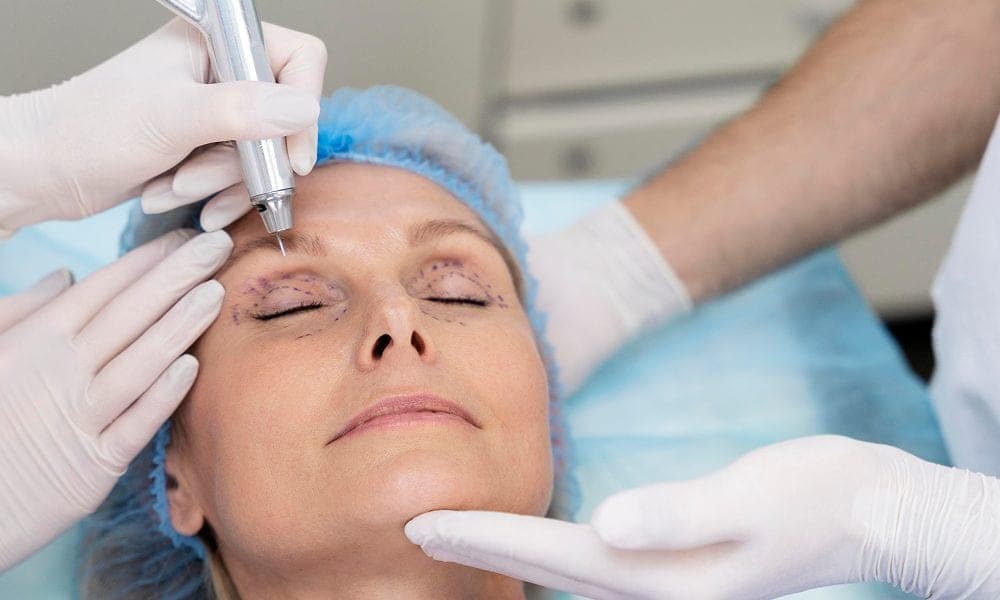
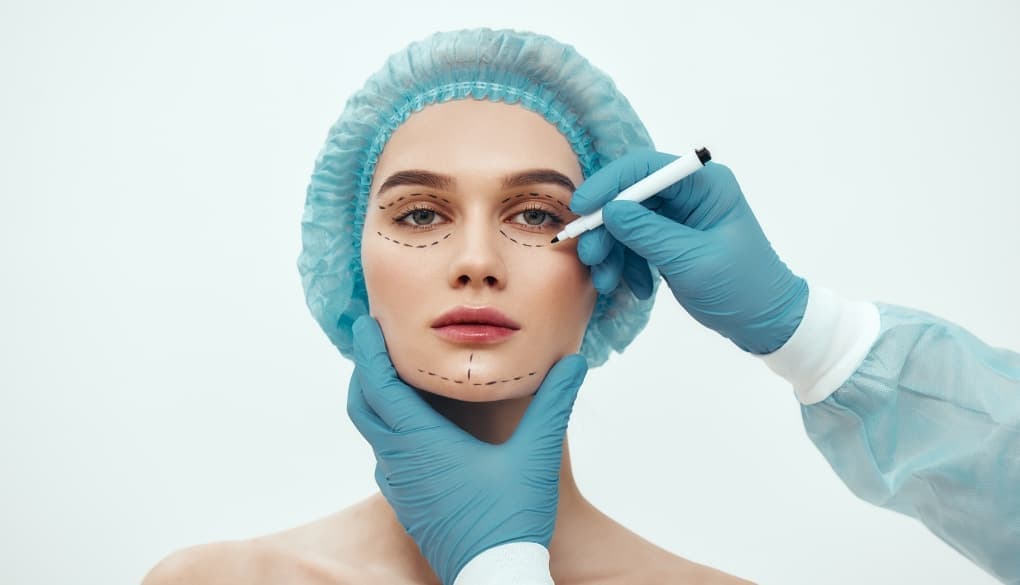
Sometimes lifestyle changes and skincare are not enough to fully improve under-eye puffiness, especially when ageing, genetics, or structural changes are involved. In these cases, professional treatments can help target the real cause rather than just reducing swelling temporarily.-
Skin-Tightening Treatments
-
Laser or Collagen-Boosting Procedures
-
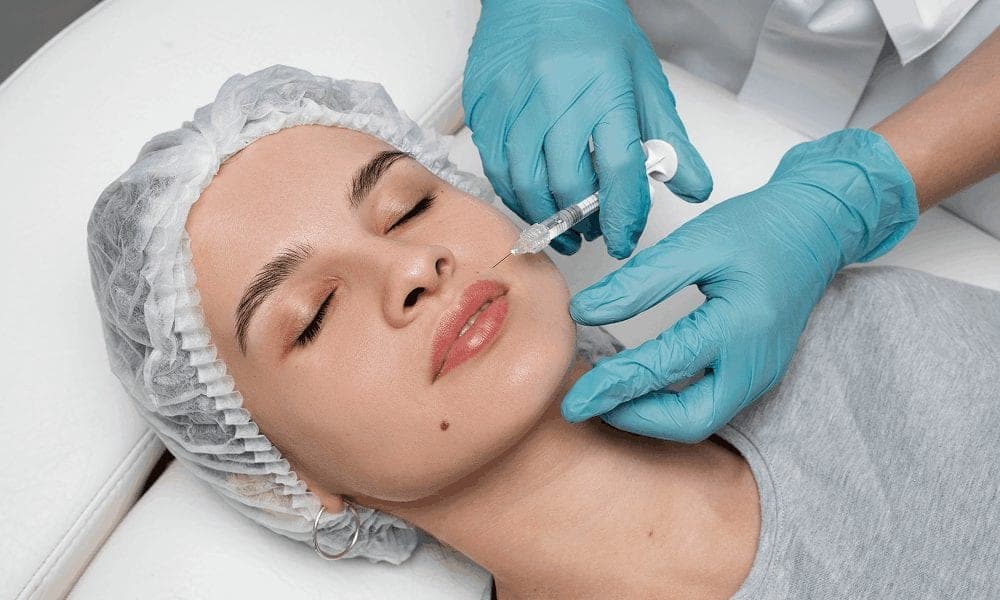
Dermal Fillers for Hollow Areas
-
Lower Eyelid EyeBag Surgery (For Advanced Cases)
Morning Routine for Puffy Eyes That Actually Works
Here’s a simple routine many clinics suggest:- Cleanse gently with lukewarm water to remove oil, sleep residue, and any overnight skincare buildup without irritating the delicate eye area.
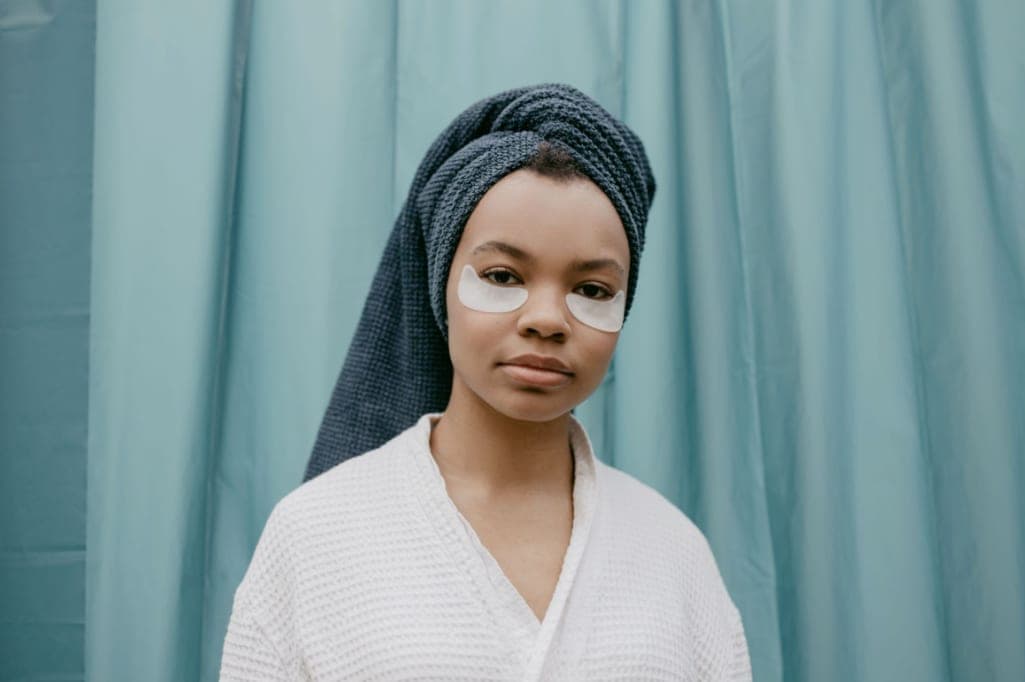
- Apply a cool compress or a soothing eye mask for 2-3 minutes. The cooling effect can help calm puffiness and reduce mild swelling around the eyes.
- Use a lightweight eye product with caffeine. Ingredients like caffeine can help improve the look of tired, puffy eyes and make the area appear fresher.
- Stay hydrated throughout the day. Drinking enough water supports circulation and helps reduce fluid retention that can contribute to under-eye puffiness.
Prevention Tips: Reduce Puffiness Long-Term
Even if you don’t have severe puffiness, prevention helps keep your look fresher.- Sleep on your back withyour head slightly raised.
- Keep salt intake balanced.
- Avoid rubbing your eyes frequently.
- Protect skin from sun exposure.
Final Thoughts
Puffy eyes can develop due to lifestyle habits, fluid retention, or natural ageing in the delicate eye area. Simple changes and the right eye care can help reduce puffiness, but understanding the difference between swelling and pigmentation is key. Learning about Dark circles vs eye bags can help you choose the right treatment and achieve a fresher, more rested look.Good to know
Frequently asked questions
Still unsure? Our team is glad to talk you through anything before you book.
- Puffy eyes can result from fluid retention, lack of sleep, allergies, ageing, or genetics. Identifying the main cause helps decide the best way to treat eye bags and puffy eyes.
- Sleeping with your head slightly elevated, reducing salt intake, and using cooling eye products can help reduce puffiness over time.
- The best approach often combines good sleep, hydration, caffeine-based eye care, and professional advice if puffiness is persistent.
- If lifestyle changes and skincare don’t improve swelling, a clinic assessment can help determine whether treatments like skin tightening or other options may be suitable.