Does eye surgery leave you questioning how much is blepharoplasty? In the UK, the price typically ranges between £2,000 and £11,000. This can be a broad estimate, keeping some patients still confused about the exact treatment budget. The exact eyelid surgery cost depends on a number of factors, most importantly whether you are treating the upper eyelids, the lower eyelids, or both. Non-surgical treatment charges are generally much less than surgical. The clinic and medical experience of the surgeon also change the final price. There are some hidden costs as well that you must take into consideration.
This complete guide breaks down the true costs of this medical procedure. It will help patients make safe, informed choices about their eye health.
Typical Eyelid Surgery Prices and Process
Eyelid surgery removes excess skin, loose muscle, and bulging fat from the eye area. It helps to restore a rested appearance. It can also help to improve visual function if heavy skin blocks the eyes. As it treats a number of concerns, the cost for eyelid surgery varies widely. The exact price depends on the specific type of surgery required. Here is a breakdown of average UK prices:Upper Eyelid Lift Cost
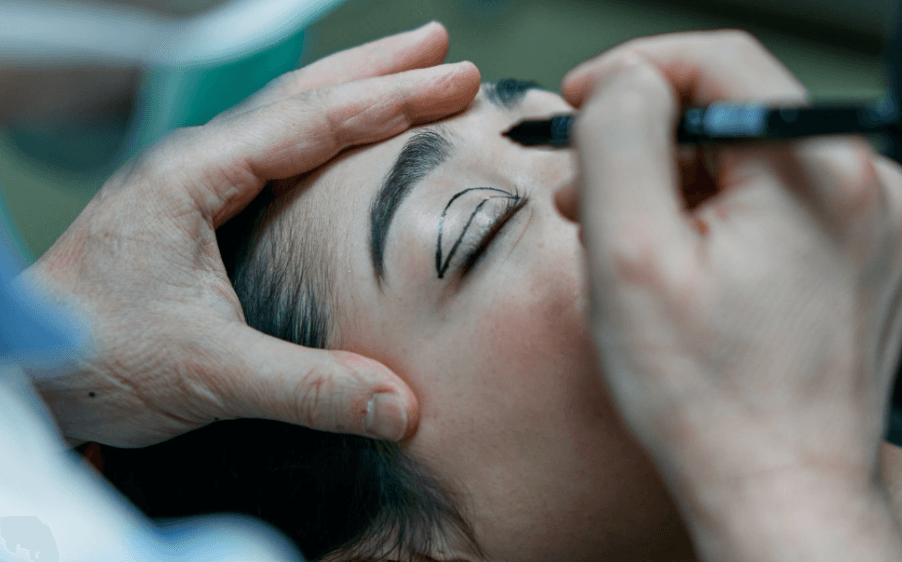
Across UK clinics, upper blepharoplasty typically ranges from £5,000 to £6,000, with non-surgical options at around £1,000. This procedure treats redundant, hooded skin that rests heavily on the eyelashes, creating visual obstruction. Surgeons often perform incisions in the natural folds of the eyes, under a local or twilight anaesthetic. The patient remains awake but feels no pain. The upper eyelid lift cost is slightly less than other procedures.Lower Blepharoplasty Cost
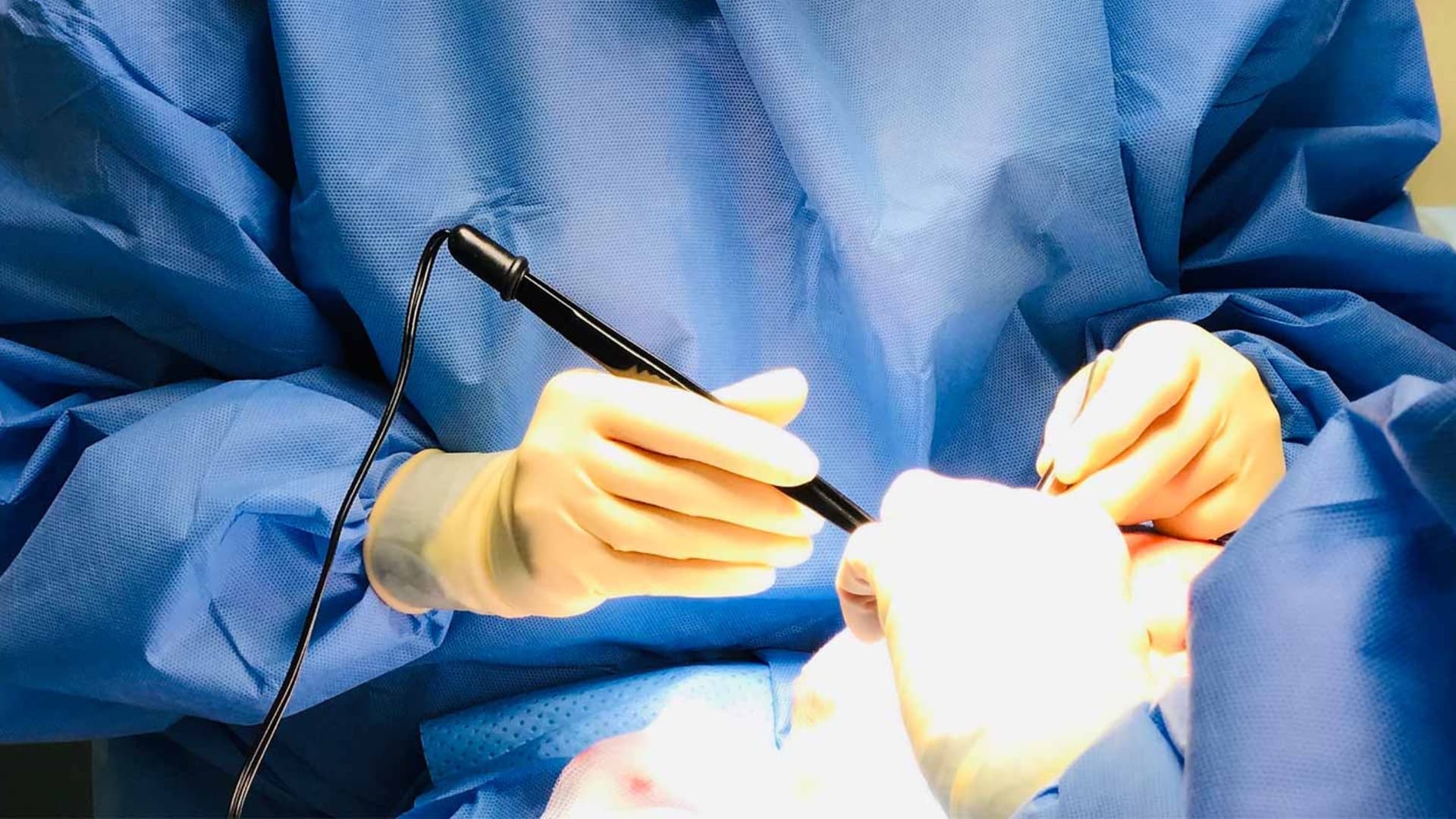
Across UK clinics, lower blepharoplasty typically ranges from £6,000 to £11,000. Patients often ask why the blepharoplasty lower cost is much higher. The lower eyelid anatomy is highly complex. It requires immense medical precision. The surgeon must carefully address prolapsed fat pads, skin laxity, and tear trough hollows. Furthermore, a lower eyelid lift cost usually includes general anaesthetic or twilight sedation. Hospital and overnight stay charges may also apply. These add to the final price.Combined Upper and Lower Eyelid Surgery
Treating both eyelids together is a common choice for facial balance. Across UK clinics, combined upper and lower surgery varies widely and is individually quoted. Combining the procedures is often more cost-effective than two separate surgeries. It combines the surgeon fees, theatre fees, and anaesthesia costs. It also requires only one recovery period for the patient.Typical UK Market Prices
The figures below are the range across UK clinics, not Perfect Eyes’ own fees. What this clinic charges is set out in the section beneath the table.
| Procedure | Price | Results | Treats |
| Upper Blepharoplasty | £5,000 | Up to 10 years | Excess upper-lid skin, eyelid heaviness, irritation, and obstructed peripheral vision. |
| Lower Blepharoplasty | £11,000 | Up to 10 years | Prolapsed fat pads, skin laxity, and under-eye irritation |
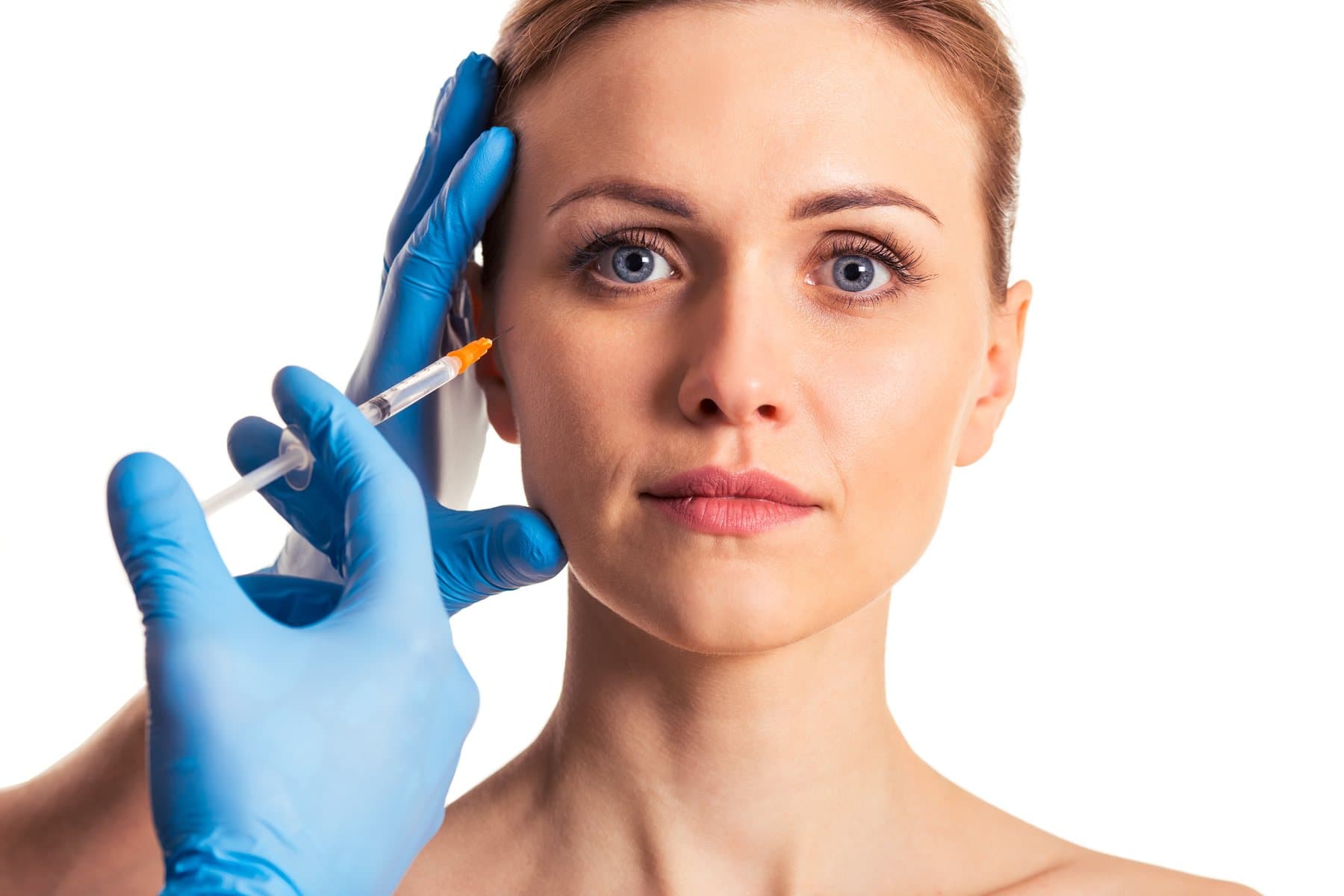
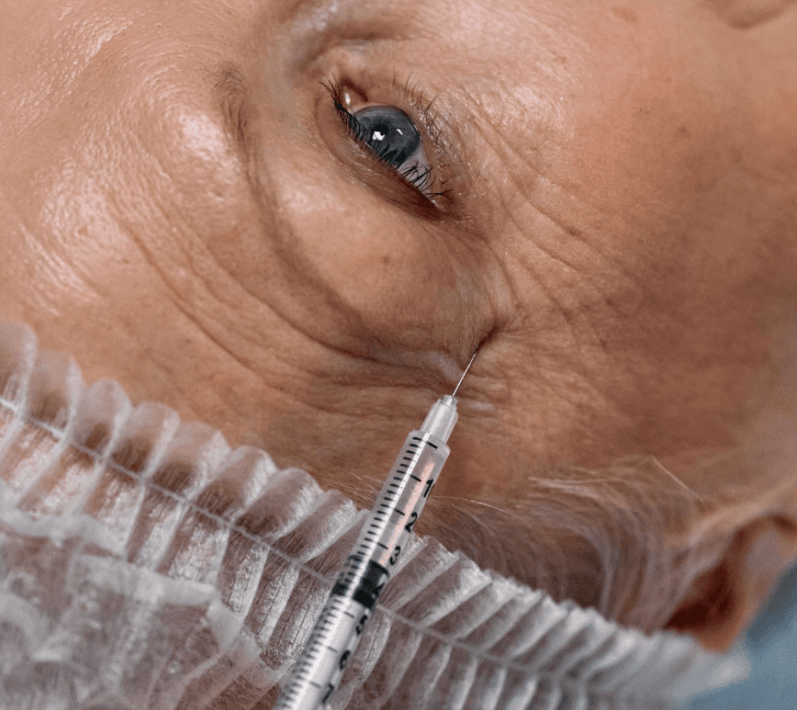
| Non-surgical Eyelid | £1,000 | 1-2 years | Under-eye puffiness, hooding, and fine lines |
How much does blepharoplasty cost at Perfect Eyes?
- Bilateral upper eyelid blepharoplasty: surgeon’s fees from £4,000
- Bilateral lower eyelid blepharoplasty, scarless: surgeon’s fees from £8,000
- Combined upper and lower: surgeon’s fees from £11,000
Surgeon’s fees only. Hospital and facility charges, anaesthetist fees, pre-assessment tests and any overnight stay are charged separately. VAT may apply. A personalised written quotation setting out the total cost is provided following your consultation.
What Factors Affect How Much Blepharoplasty Surgery Costs?
Patients often notice that prices vary wildly across different clinics. When you ask how much is blepharoplasty surgery costs, you must look at the following aspects that define this fluctuation.-
Surgeon Expertise
-
Clinic Location
-
Type of Anaesthesia
-
Complexity of the Case
What Should Be Included in Your Eyelid Surgery Quote?
Patients must understand exactly what their money covers. This prevents unexpected bills later. When you ask a clinic eyelid surgery how much does it cost, ensure they provide a fully transparent breakdown. A reputable medical clinic includes these essentials in its quoted price:- Pre-operative medical assessments: To ensure you are fit for surgery.
- The surgeon’s fee: For their time and medical expertise.
- Anaesthetist and hospital fees: For the theatre space and sedation.
- Post-operative care: For follow-up appointments and suture removal.
Is Blepharoplasty Available on the NHS?
Patients frequently search for NHS funding options. The NHS does not cover eyelid surgery for cosmetic reasons, but it does help if your eyelid is causing severe issues. To qualify for NHS funding, you must prove a strict medical necessity. The criteria are very specific:- Severe eyelid drooping (ptosis) that significantly blocks the visual field.
- Visual field tests from an optician that prove a major obstruction.
- Chronic eye infections or severe physical discomfort caused by excess skin.
What the Fee Reflects
Price is one factor among several, and it is worth understanding what sits behind it. Eyelid surgery is performed in a small, delicate area where anatomical precision matters, and the training required to do it well is specialised. Dr Shah-Desai is a consultant oculoplastic surgeon, a sub-specialty concerned with the eyelids and the area around the eyes rather than facial surgery generally. A large part of her practice is revision work, correcting eyelid surgery performed elsewhere, which is technically harder than primary surgery and informs how the primary operations are planned. The fee also covers the aftercare pathway: a second appointment for final planning and consent, a review at six to seven days for wound assessment and suture removal, and a further review at twelve to sixteen weeks. When comparing quotations, it is worth asking what each one includes rather than comparing headline figures alone.Invest in Your Eye Health and Appearance
It is completely normal to ask blepharoplasty how much it costs. However, the safety of your eyes and the skill of the surgeon should always come first. In the UK, prices range from £2,000 for simple upper lid procedures to £11,000 or more for complex, combined surgeries. For those who seek expert care, book a lower or Upper Blepharoplasty in London with a consultant oculoplastic surgeon at The Perfect Eyes Clinic. Our clinicians ensure you walk out with natural, long-lasting results and the highest standards of medical safety.Good to know
Frequently asked questions
Still unsure? Our team is glad to talk you through anything before you book.
- Across UK clinics the average ranges from £5,000 to £6,500, and specialist oculoplastic procedures, especially lower eyelid surgeries, can cost upwards of £11,000, depending on the complexity of the facial anatomy. At Perfect Eyes, surgeon's fees start from £4,000 for bilateral upper eyelid blepharoplasty, with hospital, anaesthetist and pre-assessment charges quoted separately.
- Private health insurance typically only covers the procedure if a doctor deems it medically necessary. For example, insurance might pay to correct severe vision impairment. Insurance does not cover surgery for purely aesthetic reasons.
- When performed by a skilled surgeon, the structural improvements of a blepharoplasty are long-lasting. The results often remain stable for up to 10 years or more.
- Yes. For mild to moderate concerns, expert practitioners often recommend non-surgical Blepharoplasty treatment. Even options like Microneedling or targeted dermal fillers improve skin laxity and hollowing without surgery.