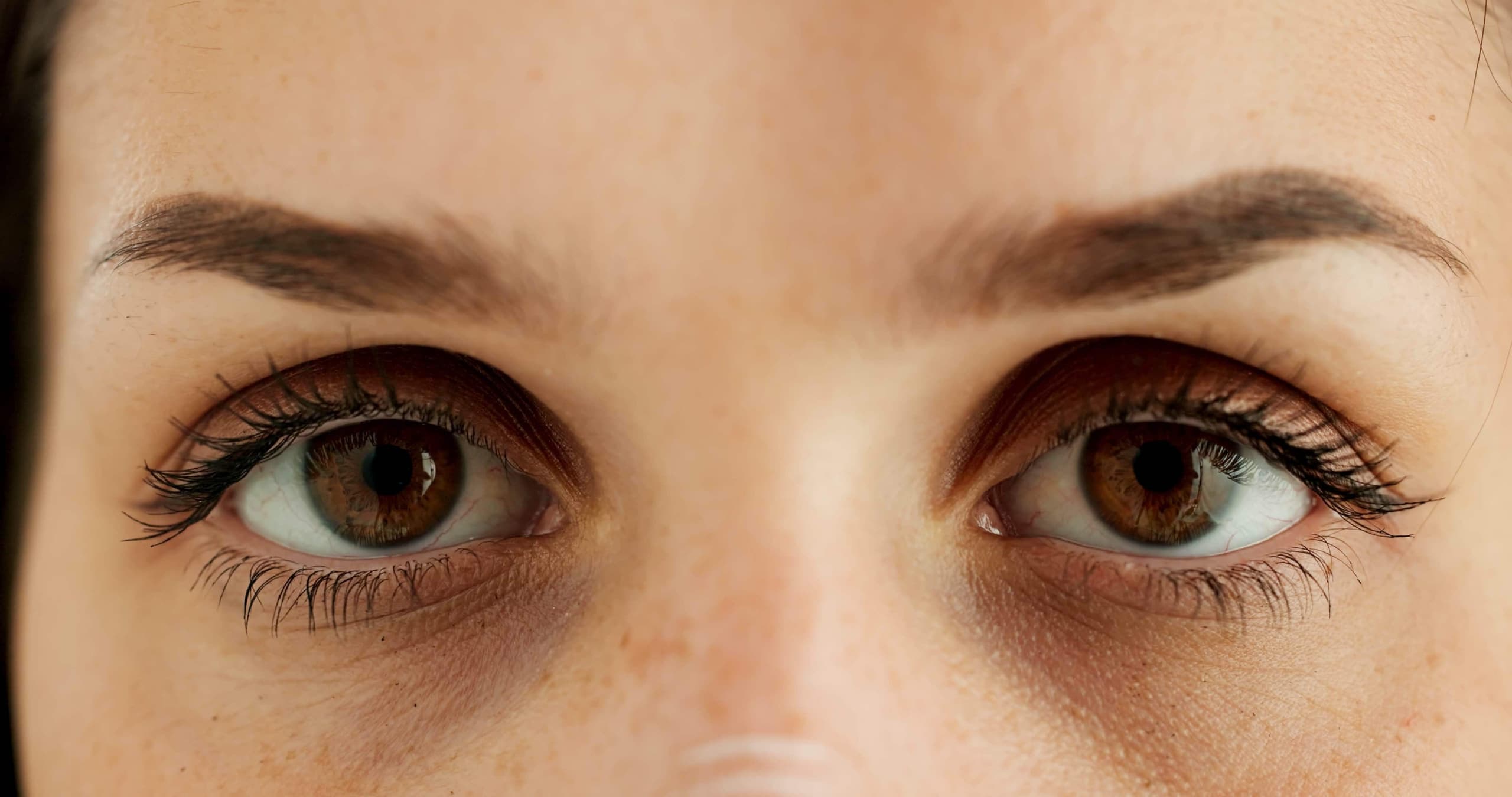
Dark Circles

Cure Under Eye Circles: Complete Guide

Written and reviewed by Dr Sabrina Shah-Desai, Medical Director
Cure Under Eye Circles: Complete Guide
Looking for an eye-under cure can be a drag. One article says you’re not getting enough sleep; the other pushes you to pay a high price for some miracle creams, while someone else goes to bed worshipping their old home remedies that do little. The confusion is understandable, of course; dark circles aren’t a single problem. They stem from different changes beneath the skin, and each cause requires a different solution. If you're really looking for a dark circle under eyes treatment that works, the first step is to understand why your undereye area looks dark. And only then can you decide on the approach that’s best for you, whether it's natural care, skincare, or medicinal treatment. This guide is all about how to treat under-eye circles in real terms: what's causing them, your skin type, and your vibe - no bullshit.

What causes under-eye circles in the first place?

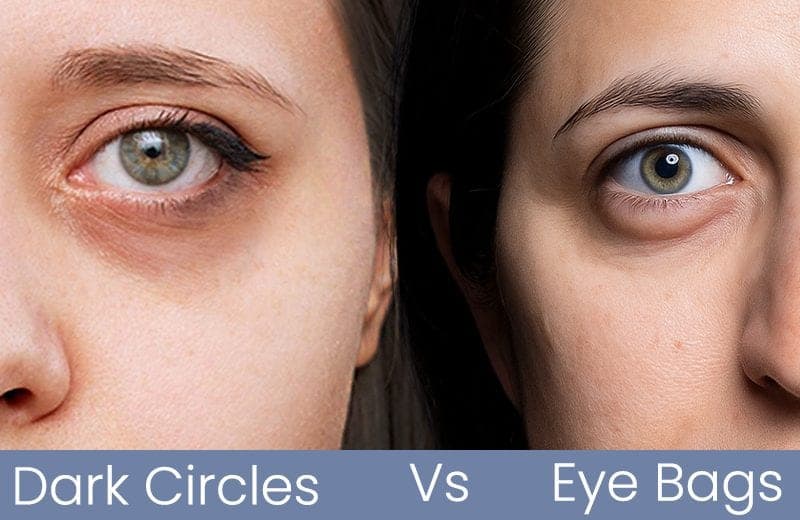
Before we go looking for a cure, let’s understand what we’re dealing with. Darkness under your eyes generally comes from one or a combination of the following factors, and most people have a mix of factors rather than just one.
  • Genetics and facial structure

Under-eye darkness is a genetic predisposition for some individuals. This may be because you have particularly deep tear troughs, thinner skin there, or naturally more pigment there. If dark circles are familial, you may even notice them even when you’ve had enough sleep and good skin care.
  • Thin skin and visible blood vessels

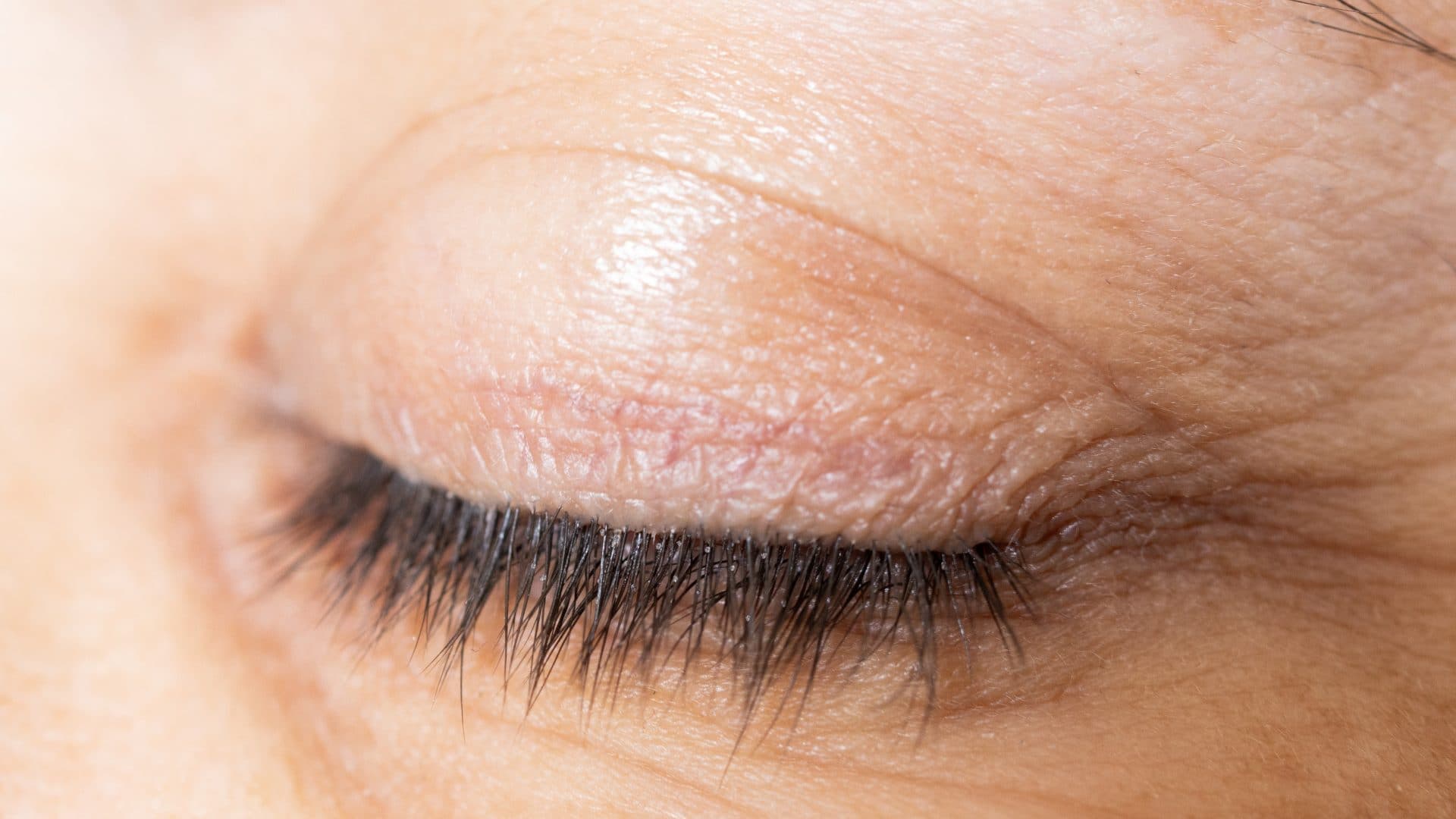
The skin around the eyes is one of the thinnest on our faces. When this skin thins, typically due to ageing or dehydration, the veins beneath become more visible and take on a blue or purple tint. It is more common in people with lighter skin, but it can also occur in people with any complexion.
  • Pigmentation and sun exposure

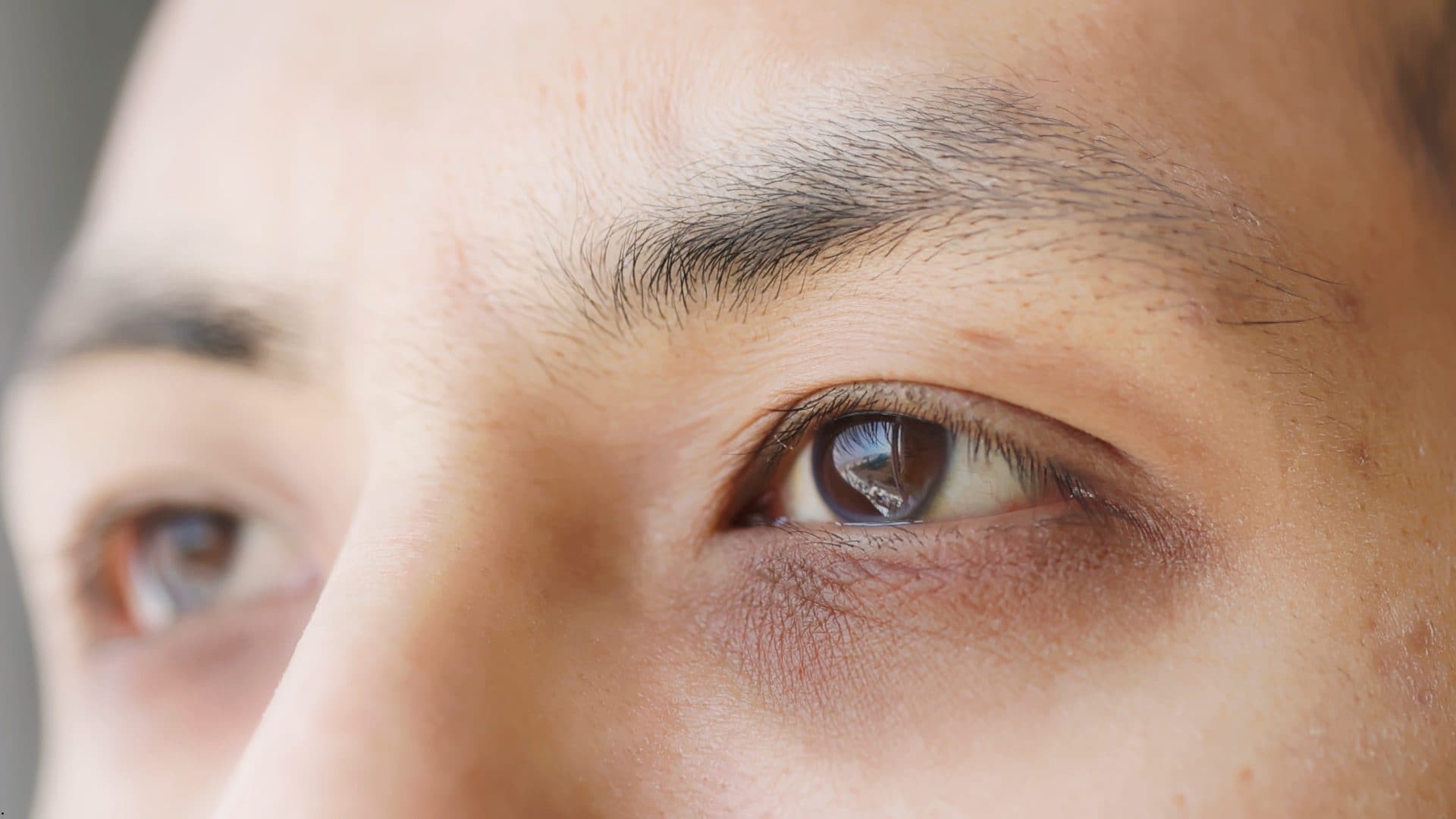
. If the colour of your dark circles is more brown or grey, you probably have excess melanin to blame. Prolonged sun exposure, rubbing the eyes, hormonal changes, and post-inflammatory pigmentation can cause darkness to intensify over time. This type of dark circle can get worse over time when left exposed.
  • Volume loss and shadows

With ageing, we lose fat and collagen around the eyes. This results in hollowing or tear troughs. Light strikes these depressions unevenly, making them appear as shadows that can resemble dark circles even when the colour of the skin is standard.
  • Lifestyle factors

Under-eye darkness is something that can worsen from a lack of sleep, dehydration, high salt intake, smoking and excessive time looking at electronic screens or drinking alcohol. These things typically do not , by themselves, create dark circles, but they can accentuate existing ones, giving them a deeper, more conspicuous appearance.

Cure under-eye circles naturally: what helps and what doesn’t

Most people seek ways to get rid of dark under-eye circles naturally, without using chemicals or clinic treatments. Natural means work, but only up to a point.
  • Cold compress for swelling and tiredness

Cold compresses also cause blood vessels to narrow and reduce fluid buildup. This reduces puffiness and tones the skin a bit, especially in the morning or after a crappy night’s sleep. While this doesn’t eliminate dark circles permanently, it can make a visible short-term change.
  • Adequate sleep and a consistent routine

Sleep restores the body's tissues and helps maintain blood flow. When sleep is inconsistent, blood pools more readily under the eyes, which can worsen dark circles. So, while sleep won’t cure genetic or structural circles, it will make them look less pronounced and less noticeable.
  • Hydration and reduced salt intake

When you’re dehydrated, the skin under your eyes appears thinner and duller, creating the illusion of darkness. Too much salt can lead to water retention, causing puffiness and shadowing. Good hydration and reduced salt intake lead to a healthier under-eye appearance.
  • Gentle eye habits

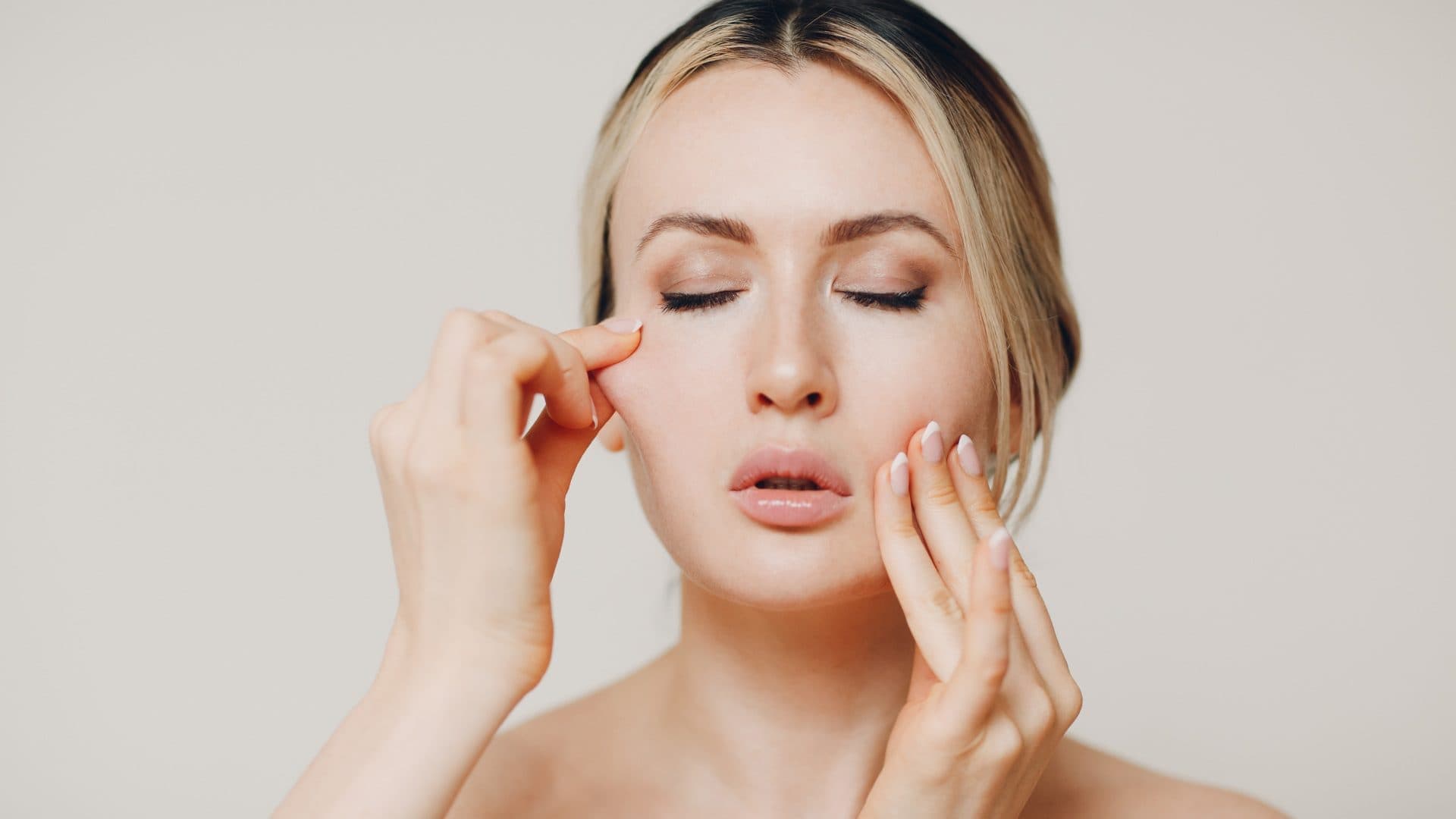
Frequent rubbing of our eyes can also irritate and pigment the skin over time. It occurs most frequently in people with allergies. Using caution to avoid rubbing eyes and removing makeup gently can also help minimise darkness. Think of natural methods as supportive care rather than a total cure, especially when it comes to more profound or long-standing dark circles.

Skincare-based dark circle treatment: what actually makes sense

Skincare can help with mild to moderate dark circles or when thin skin and pigmentation are involved. However, expectations need to be realistic. However, if you’ve already tried routines without success, reading detailed approaches like how to cure under eye circles can help you understand when to move beyond home care.
  • Vitamin C for brightness and skin strength

Vitamin C supports collagen production and helps improve skin tone over time. With consistent use, it can make the under-eye area look firmer and slightly brighter. Results are gradual and usually noticeable after several weeks of regular use.
  • Caffeine-based eye products

Caffeine temporarily tightens blood vessels, which can reduce puffiness and make blue or purple circles appear less visible. This effect is short-term, making caffeine products best for daytime use or special occasions rather than long-term correction.
  • Retinoids (used carefully)

Low-strength retinoids can help thicken under-eye skin over time by encouraging collagen production. This can reduce the visibility of blood vessels. However, the under-eye area is sensitive, so retinoids must be used sparingly and under professional guidance.
  • Sunscreen around the eyes

Sun protection is essential if pigmentation plays a role in your dark circles. Without sunscreen, even the best treatments won’t last. A gentle, eye-safe sunscreen helps prevent further darkening and protects delicate skin. Skincare works best as part of a long-term routine, not as an instant solution.

Trust your eyes to the experts

  • Consult with our doctor-led team for expert, personalised care
  • A Care Quality Commission (CQC) rated clinic for your peace of mind
  • Achieve a naturally refreshed look with over 25 years of expertise
Book a Consultation

Dark circles under the eyes treatment in the clinic: when to consider it

If your dark circles are clearly structural, deeply pigmented, or resistant to skincare, clinical treatments may be the most effective option.
  • Tear trough filler for hollow-related dark circles

When darkness is mainly due to volume loss, tear trough fillers can smooth the area and reduce shadowing. This does not change skin colour but improves light reflection, making the area appear brighter and more rested.
  • Laser treatments for pigmentation and skin quality

Laser treatments can target excess pigment and stimulate collagen production. Over a series of sessions, this can improve both colour and skin thickness, leading to a more even under-eye appearance.
  • PRP and skin-boosting treatments

Platelet-rich plasma and skin boosters aim to improve skin quality, hydration, and collagen production. These treatments work gradually and are often used in combination with other methods for the best results. Clinic treatments should always be chosen based on individual assessment, not trends or social media claims.

How to cure under-eye circles: a realistic plan that works

Instead of chasing quick fixes, the most effective approach combines multiple strategies:
  1. Identify the cause of your dark circles accurately, whether it’s pigment, hollowness, thin skin, or lifestyle-related.
  2. Support the area naturally with sleep, hydration, and gentle habits to prevent worsening.
  3. Use targeted skincare consistently, focusing on ingredients that match your cause.
  4. Consider professional treatments if skincare alone doesn’t give sufficient improvement.
This layered approach delivers far better results than relying on one solutions.

Final Thoughts

There isn’t one single solution that works for everyone. The most effective way to improve under-eye darkness is by understanding the real cause, whether it’s pigmentation, hollowing, thin skin, or lifestyle factors and choosing treatments that match your needs.  Natural care and skincare can help in many cases, but deeper concerns may require a personalised dark circles under eyes treatment for more visible, lasting results. With the right plan and consistent care, under-eye circles can look fresher, lighter, and more balanced over time.
Good to know

Frequently asked questions

Still unsure? Our team is glad to talk you through anything before you book.

  • Permanent removal depends on the cause. Genetic and structural dark circles usually require ongoing management, while lifestyle-related darkness can improve significantly with consistent care.
  • Natural and skincare-based treatments usually show visible improvement within 6-12 weeks. Clinical treatments may offer faster results but often require maintenance.
  • Home remedies can help with puffiness and a tired appearance, but rarely remove dark circles completely, especially if the cause is pigment or volume loss.
  • Eye creams can improve texture and brightness, but they cannot replace lost volume or change bone structure. They work best as part of a broader plan.
  • Not necessarily. Mild dark circles often respond well to skincare and lifestyle changes. Clinical treatments are best for deeper, long-standing, or structural concerns.
Book Your Consultation Today

Get personalised advice and expert care from our top medical professionals.

Book Now
From the journal

Related Blogs