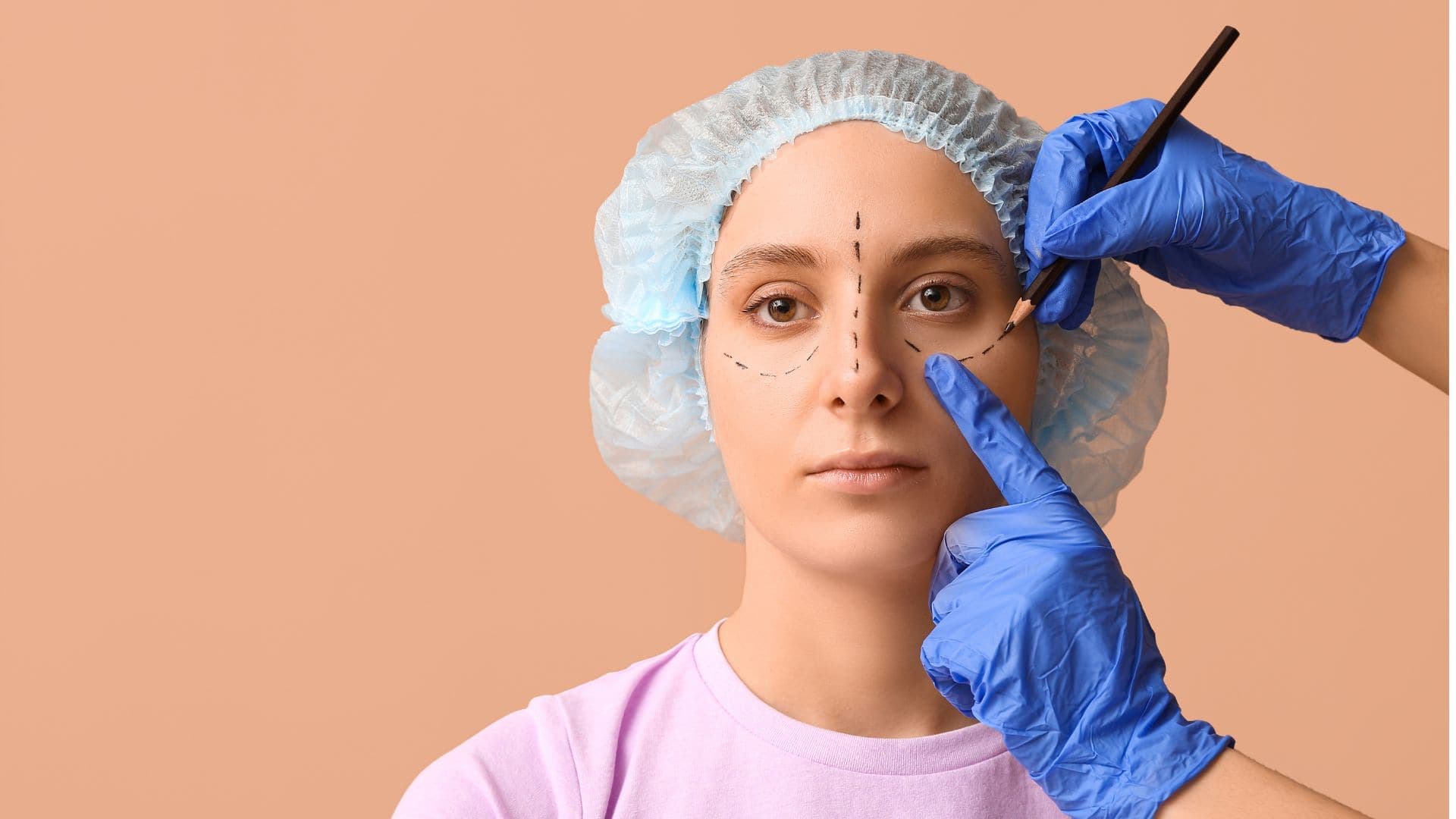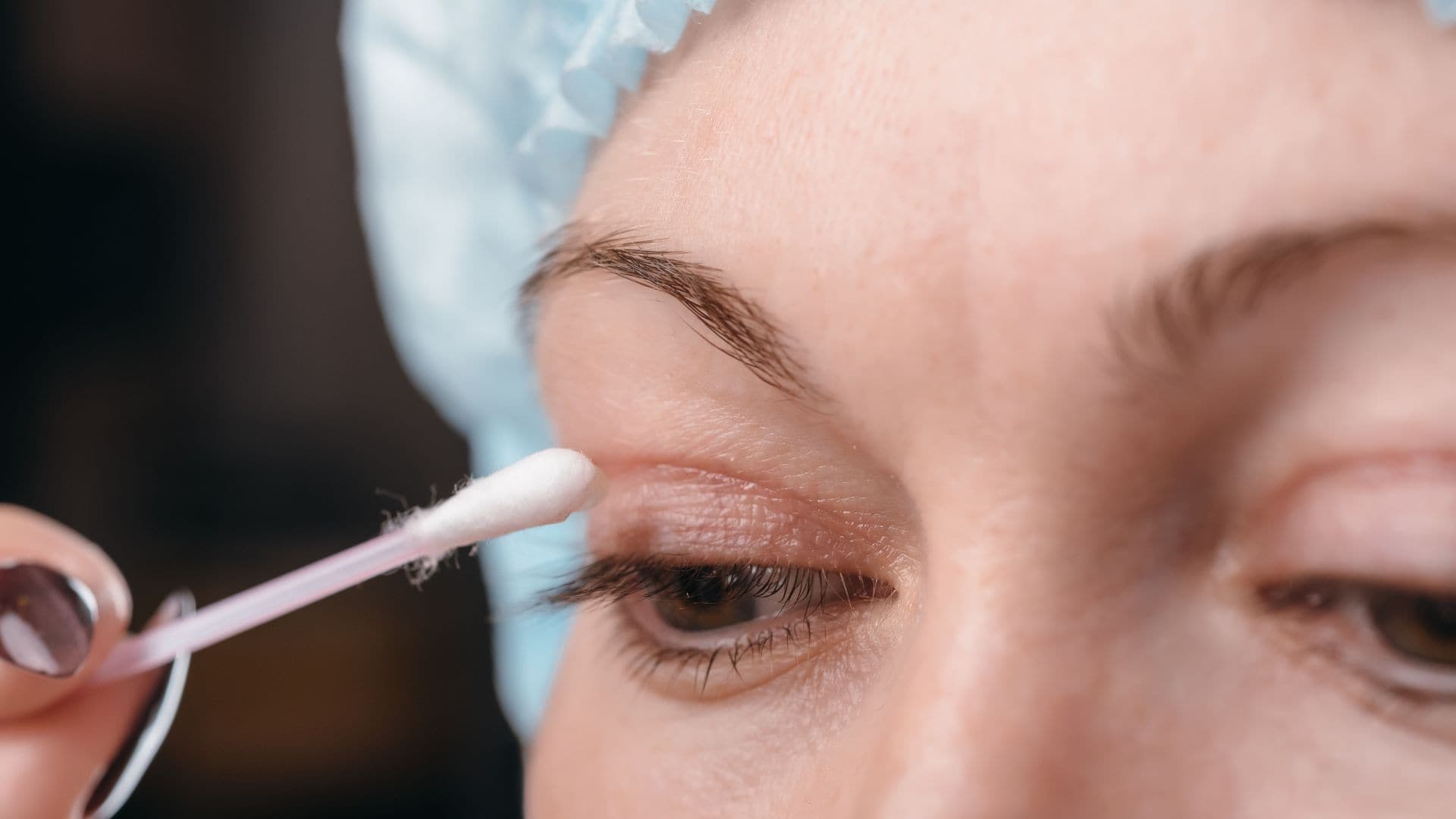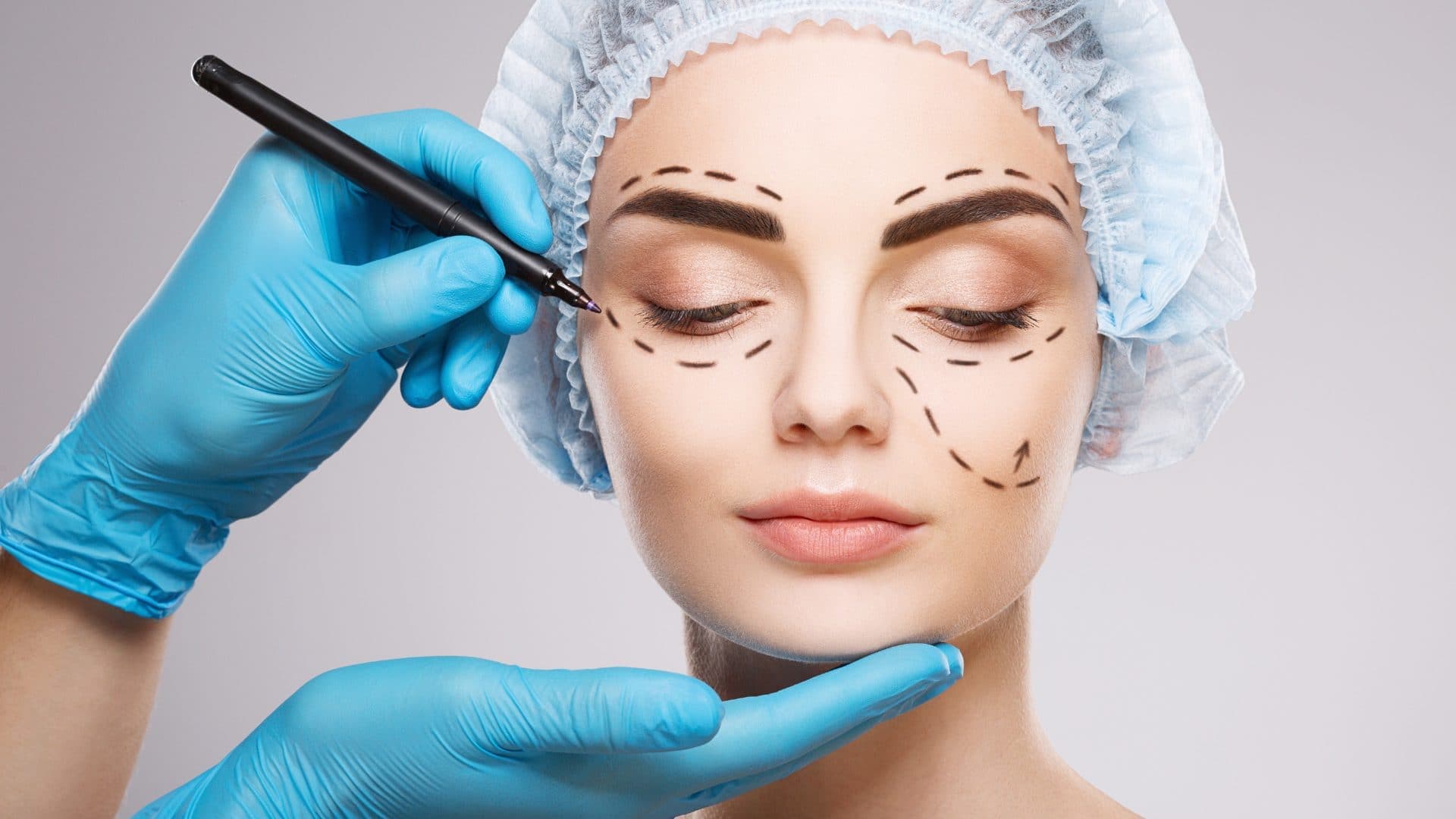
The shape of the upper eyelids can vary considerably from person to person. Some people naturally have a visible crease above the upper eyelid, while others have a smoother eyelid without a defined fold.
For some, this is simply a natural facial feature. For others, the absence of a crease, excess skin or changes in eyelid structure may affect how they feel about their appearance.
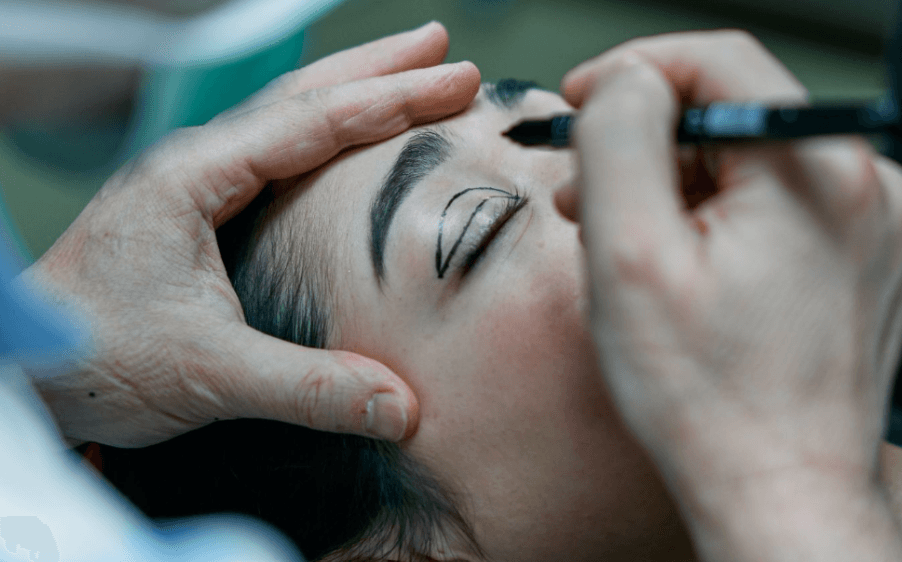
Double eyelid surgery is a procedure designed to create or define an upper eyelid crease. It is often discussed in the context of Asian eyelid surgery, but it may also be considered by people of different ethnicities who want to improve the shape or definition of their upper eyelids.
Although it is a type of eyelid surgery, it is not exactly the same as a conventional upper blepharoplasty. Understanding the difference can help you decide which procedure may be more suitable for your concerns.
What Is Double Eyelid Surgery?
Double eyelid surgery, also known as Asian blepharoplasty or upper eyelid crease surgery, is a procedure that creates or enhances a fold in the upper eyelid.
The term “double eyelid” refers to the presence of a visible crease above the eyelid. This crease is formed by the relationship between the eyelid skin and the underlying structures, including the levator muscle that helps lift the eyelid.
Some people naturally have:
- A clearly defined upper eyelid crease
- A low or subtle crease
- An uneven crease between the two eyes
- A partial crease
- No visible crease, sometimes referred to as a monolid
Double eyelid surgery may be performed to create a new crease, improve an existing crease or address asymmetry.
The procedure is not intended to change a person’s ethnic identity or create one standard eyelid shape. The aim is to achieve a result that suits the individual’s anatomy and preferences.
What Is Blepharoplasty Eyelid Surgery?
If you are wondering what is blepharoplasty eyelid surgery, it is a procedure used to address changes in the eyelids, such as excess skin, fat pockets or, in some cases, muscle.
Blepharoplasty may be performed on the upper eyelids, lower eyelids or both.
Upper blepharoplasty is commonly considered for concerns such as:
- Excess upper-eyelid skin
- Hooding
- A heavy appearance around the eyes
- Skin folds that affect the eyelid contour
- Fat pockets that contribute to fullness
- In some cases, a reduced field of vision caused by overhanging skin
Lower blepharoplasty may address:
- Under-eye bags
- Lower-eyelid fat pockets
- Excess lower-eyelid skin
- Certain changes in the transition between the lower eyelid and cheek
Unlike double eyelid surgery, conventional blepharoplasty is generally focused on removing or repositioning excess tissue rather than creating an upper eyelid crease.
Double Eyelid Surgery vs Regular Blepharoplasty
Although both procedures involve the eyelids, their aims and techniques can be different.
| Feature | Double eyelid surgery | Regular upper blepharoplasty |
| Main purpose | Creates or defines an upper eyelid crease | Removes or reshapes excess eyelid tissue |
| Common concern | Monolid, subtle crease or uneven eyelid fold | Hooding, excess skin or a heavy upper eyelid |
| Main focus | Eyelid crease formation and definition | Skin, fat and sometimes muscle |
| Tissue removal | May involve limited tissue removal, depending on the technique | Often involves removing or repositioning excess skin and fat |
| Suitable for | People seeking a defined crease or improved eyelid symmetry | People with excess skin, fullness or functional concerns |
| Result | A more visible or refined upper eyelid fold | A more open or less hooded appearance |
| Surgical approach | Can be performed using a suture or incision technique | Usually performed through an incision in the natural eyelid crease |
The procedures may sometimes be combined, but they should not be considered interchangeable.
What Are the Different Types of Double Eyelid Surgery?
There are two main approaches to double eyelid surgery: the non-incisional method and the incisional method.
Non-Incisional Double Eyelid Surgery
The non-incisional technique uses carefully placed sutures to create a connection between the eyelid skin and the underlying structures.
This allows a crease to form when the eyes are open.
It may be considered for people who have:
- Relatively thin upper-eyelid skin
- Minimal excess skin
- Limited fat in the upper eyelids
- A preference for a less invasive approach
- A suitable eyelid structure
Potential advantages may include:
- Smaller or less visible external incisions
- A shorter initial recovery period
- Less tissue removal
- The possibility of adjustment or revision in selected cases
However, the crease may be less predictable or less permanent in some patients. It may also be less suitable when there is significant excess skin or fat.
Incisional Double Eyelid Surgery
The incisional technique involves creating an incision along the planned eyelid crease. The surgeon can then adjust the underlying tissues and secure the crease more directly.
This approach may be considered when there is:
- Excess upper-eyelid skin
- More substantial eyelid fat
- Thick or heavy eyelid tissue
- A need for more precise crease formation
- A previous crease that has become less defined
Potential advantages include greater control over the crease and the ability to address excess tissue at the same time.
However, it involves a surgical incision and may require a longer recovery period than the non-incisional technique.
What Can Double Eyelid Surgery Treat?
Double eyelid surgery may be considered for several concerns relating to the upper eyelid crease.
| Concern | How double eyelid surgery may help |
| No visible upper eyelid crease | Creates a defined crease |
| A very subtle crease | Makes the fold more noticeable |
| Uneven eyelid creases | Improves symmetry where possible |
| A crease that disappears when the eyes are open | Creates a more stable fold |
| A heavy upper eyelid appearance | May improve the contour in selected patients |
| A lack of definition around the upper eyelid | Creates a clearer transition between the eyelid and brow |
The procedure does not necessarily address every cause of heavy or hooded eyelids. If excess skin, fat or muscle is the main concern, an upper blepharoplasty may be more appropriate.
What Can Regular Upper Blepharoplasty Treat?
Upper blepharoplasty is commonly used to address excess skin and changes in the upper eyelid tissues.
It may help improve:
- Upper-eyelid hooding
- Excess skin folds
- A heavy eyelid appearance
- Certain fat pockets
- Skin that rests on the eyelashes
- Some functional concerns caused by overhanging skin
In selected patients, upper blepharoplasty may improve the upper visual field when excess eyelid skin is obstructing vision. A visual field assessment may be required when there is a functional concern.
However, blepharoplasty is not designed to create a crease in every patient. The procedure needs to be planned around the existing eyelid anatomy and the individual’s goals.
Can Double Eyelid Surgery and Blepharoplasty Be Combined?
In some cases, double eyelid surgery and upper blepharoplasty may be combined.
For example, a patient may want:
- A more defined upper eyelid crease
- Removal of excess skin
- Reduction of upper-eyelid fullness
- Improved eyelid symmetry
- A more open appearance around the eyes
Combining procedures is not automatically the best option. Removing too much skin or creating an excessively high crease may produce an unnatural appearance or affect eyelid function.
A specialist assessment is important to determine how much tissue should be adjusted and what type of crease would suit the individual.
What Is the Difference in the Surgical Technique?
The main difference is what the surgeon is trying to achieve.
During double eyelid surgery, the surgeon focuses on creating or defining a crease by connecting the eyelid skin with the underlying eyelid structures.
During a conventional upper blepharoplasty, the surgeon focuses on removing or repositioning excess tissue. This may include:
- Skin
- Fat
- Occasionally muscle
The exact technique varies depending on the patient’s anatomy and the intended result.
Some patients may need only crease formation, while others may benefit from a combination of crease creation and tissue adjustment.
What Are the Benefits of Double Eyelid Surgery?
Creates a Defined Upper Eyelid Crease
The main benefit is the creation or enhancement of an upper eyelid fold. This may make the eyelid contour more visible when the eyes are open.
Improves Eyelid Symmetry
If one eyelid crease is higher, lower or less defined than the other, surgery may help improve balance. However, complete symmetry cannot always be guaranteed.
Can Be Tailored to the Individual
The crease can be planned according to factors such as:
- Eyelid anatomy
- Brow position
- Eye shape
- Skin thickness
- Facial proportions
- Personal preferences
May Improve the Appearance of Heavy Eyelids
In selected patients, defining the crease may make the upper eyelid appear less heavy. If excess skin is also present, additional tissue adjustment may be required.
Can Create a Natural-Looking Result
A suitable crease should complement the person’s existing features. The aim is not necessarily to create a very high or dramatic fold, but to achieve a balanced result.
What Are the Risks of Double Eyelid Surgery?
As with any surgery, double eyelid surgery carries risks.
Possible complications include:
- Bruising
- Swelling
- Bleeding
- Infection
- Scarring
- Uneven eyelid creases
- A crease that is too high or too low
- A crease that becomes less defined over time
- Difficulty closing the eyes
- Dry eyes
- Eyelid asymmetry
- Changes in eyelid position
- The need for revision surgery
The risk of complications may depend on the surgical technique, the individual’s anatomy, the healing process and whether previous eyelid surgery has been performed.
What Are the Risks of Upper Blepharoplasty?
Upper blepharoplasty also carries risks, including:
- Bruising and swelling
- Scarring
- Asymmetry
- Dryness or irritation
- Difficulty closing the eyes
- Changes in eyelid position
- Over-removal of skin or fat
- A hollow or sunken appearance
- Infection
- Bleeding
- The need for further surgery
Removing too much upper-eyelid skin can affect eyelid closure and comfort. This is why conservative planning is important, particularly when the eyes are already dry or the eyelids do not close completely.
What Is Recovery Like After Double Eyelid Surgery?
Recovery depends on the technique used.
After surgery, you may experience:
- Swelling around the eyelids
- Bruising
- Tightness
- Mild discomfort
- Temporary asymmetry
- Sensitivity around the incision or sutures
The initial swelling may make the crease look higher or more pronounced than expected. As healing progresses, the appearance usually changes.
Your surgeon will provide aftercare advice, which may include:
- Keeping the area clean
- Using prescribed medication
- Applying cold compresses as directed
- Avoiding strenuous activity for a period of time
- Avoiding rubbing or pressure around the eyes
- Attending follow-up appointments
The final result may take several weeks or longer to settle, depending on the technique and individual healing process.
How Long Do Double Eyelid Surgery Results Last?
Double eyelid surgery is intended to create a long-lasting crease. However, the result can change over time.
Factors that may affect the longevity of the crease include:
- The surgical technique
- Eyelid skin thickness
- Natural ageing
- Changes in facial volume
- Weight changes
- Healing and scar formation
- Previous eyelid surgery
Non-incisional techniques may have a higher chance of the crease becoming less defined in some patients, while incisional techniques may provide a more stable result.
No surgical result can be guaranteed to remain unchanged throughout life.
Is Double Eyelid Surgery the Same as Asian Blepharoplasty?
Double eyelid surgery treatment is often referred to as Asian blepharoplasty because it is commonly performed on patients of Asian heritage who naturally have a monolid or a less visible eyelid crease. The difference between the two eyelid shapes is covered in more detail in our guide to monolids and double eyelids.
However, the terms are not always used in exactly the same way.
Asian blepharoplasty may involve:
- Creating an upper eyelid crease
- Adjusting excess skin
- Addressing upper-eyelid fat
- Improving eyelid asymmetry
- Preserving the individual’s natural anatomy
The procedure should not follow a one-size-fits-all approach. Eyelid anatomy varies significantly between individuals, including among people of the same ethnic background. You can see how the result varies from patient to patient in the Asian blepharoplasty before and after gallery.
Final Thoughts on Double Eyelid Surgery
Double eyelid surgery is designed to create or define an upper eyelid crease, while conventional blepharoplasty is generally used to address excess skin, fat and other changes in the eyelids.
Although the procedures may sometimes be combined, they are not the same treatment. The most suitable option depends on whether the main concern is the absence of a crease, excess tissue, eyelid heaviness, asymmetry or a combination of factors.
At Perfect Eyes Clinic, an individual assessment can help determine whether double eyelid surgery or another eyelid procedure is appropriate for your anatomy and goals. Understanding the differences between the procedures can help you make an informed decision and develop realistic expectations about the result.
Frequently asked questions
Still unsure? Our team is glad to talk you through anything before you book.
- Double eyelid surgery is a procedure that creates or defines a crease in the upper eyelid. It may be performed using a non-incisional or incisional technique.
- Blepharoplasty is surgery to address excess skin, fat or other tissue changes in the eyelids. It may be performed on the upper eyelids, lower eyelids or both.
- No. Double eyelid surgery mainly focuses on creating or defining an upper eyelid crease, while upper blepharoplasty generally focuses on removing or repositioning excess tissue. The procedures may sometimes be combined.
- It can, depending on the technique and the patient's needs. If significant excess skin is present, an incisional approach or an additional blepharoplasty may be considered.
- It is intended to be long-lasting, but the crease may change over time due to ageing, tissue changes and individual healing. Non-incisional techniques may be more likely to lose definition in some patients.
- It may change the appearance of the upper eyelid crease and surrounding contour. However, it should not be assumed to change the entire shape of the eyes.
- It may improve asymmetry caused by differences in eyelid crease formation. However, some asymmetry is natural and complete symmetry cannot always be achieved.
- No. Suitability depends on eyelid anatomy, skin quality, eye health, expectations and the presence of concerns such as dry eyes or difficulty closing the eyelids.
- The initial swelling and bruising may improve over the first few weeks, but the crease can continue to settle for longer. Your surgeon will provide a more specific recovery timeline.
- Possibly, but previous surgery can affect the available tissue and the position of the eyelid crease. A detailed assessment is essential before considering revision surgery.