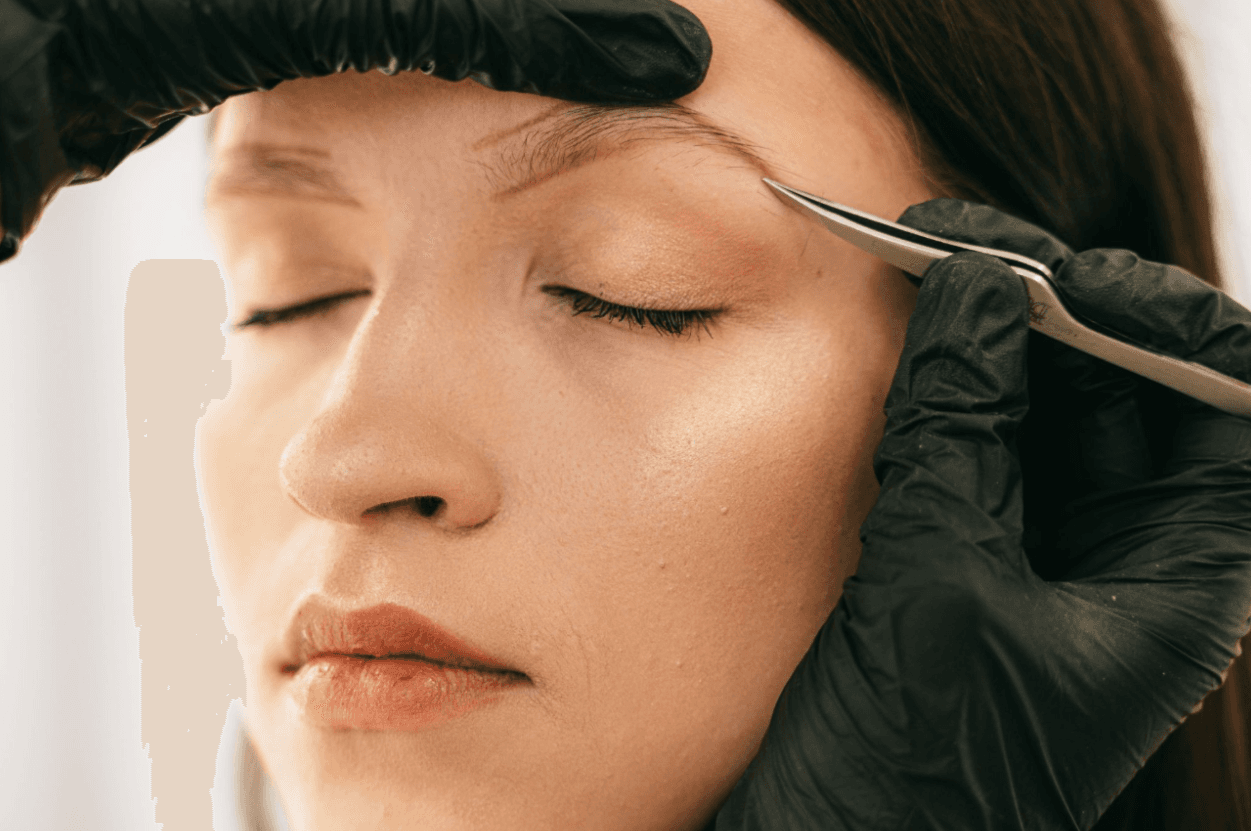
As we age, changes around the forehead, eyebrows and upper eyelids can alter the appearance of the entire upper face. Some people notice that their eyebrows appear lower, while others become aware of heavier upper eyelids, deeper forehead lines or a change in the shape of their eyes.
But does the brow actually drop with age? And if it does, does everyone need treatment?
The answer is more nuanced than simply saying that ageing causes the eyebrows to descend. Brow position is influenced by facial anatomy, skin and soft-tissue changes, muscle activity, genetics and the natural shape of the face.
Understanding these changes can help explain why the upper face may look different over time and why a careful assessment is important before considering any treatment.
At Perfect Eyes Clinic, the brow is assessed as part of the wider relationship between the forehead, eyebrows, upper eyelids and surrounding facial structures.
Does the Brow Really Drop With Age?
It can, but the changes are not the same for everyone.
As we age, the skin gradually loses elasticity and the supporting tissues of the face can change. Changes in soft-tissue volume and the structures around the forehead and temple can also influence how the brow sits.
For some people, these changes contribute to a lower or heavier-looking brow.
For others, the brow position may remain relatively stable while changes in the upper-eyelid skin create the impression that the brow has dropped.
This is why it is important to distinguish brow descent from upper-eyelid skin excess.
What Happens to the Brow as We Age?
Ageing can affect several areas that influence brow position and appearance.
Changes in skin elasticity
Over time, the skin becomes less elastic. This can contribute to folds and laxity around the forehead and upper eyelids.
Changes in supporting tissues
The tissues beneath the skin can change in volume and position, influencing the contours of the forehead, temple and brow.
Changes around the upper eyelids
Excess upper-eyelid skin can become more noticeable with age and may create a heavier or more hooded appearance.
Changes in facial movement
The muscles of the forehead and around the eyes influence brow position. Changes in muscle activity can affect the way the brow moves and rests.
Natural facial anatomy
Some people naturally have lower, flatter or heavier brows. Ageing may make these characteristics more noticeable, but they are not necessarily caused by ageing.
Brow Position and Facial Ageing: What Can Change?
| Change | What you may notice |
| Brow descent | The eyebrows may sit lower than they did previously |
| Upper-eyelid skin changes | More skin may fold over the upper eyelid |
| Changes in the brow shape | The outer or inner brow may appear different |
| Forehead skin changes | Increased laxity or lines may become more noticeable |
| Temple changes | Changes in soft-tissue volume may alter the appearance of the outer brow |
| Asymmetry | One brow may appear lower or differently shaped than the other |
| Heavier upper eye area | The combination of brow and eyelid changes can make the eyes appear less open |
Several of these changes can occur at the same time.
Can a Lower Brow Make the Eyes Look Smaller?
Yes.
The eyebrows and upper eyelids are closely connected visually. When the brow sits lower, tissue above the eyelid can appear heavier, which may make the visible eye area look smaller.
However, a smaller-looking eye does not necessarily mean that the brow has descended.
Upper-eyelid skin excess, eyelid position and natural anatomy can also contribute.
A specialist assessment can help determine which structures are responsible.
Why Does My Brow Look Different in Photographs?
Photographs can make changes in brow position more noticeable.
The way the brow appears can be affected by:
- Facial expression
- Camera angle
- Lighting
- Head position
- Eyebrow grooming
- Changes in body weight
- Ageing
- Natural asymmetry
Comparing photographs over time can sometimes help demonstrate how the brow has changed, but a clinical assessment is needed to understand the underlying anatomy.
Is Brow Asymmetry Normal?
Yes.
Most people have some degree of facial asymmetry.
One eyebrow may naturally sit higher than the other, or the two sides may have slightly different shapes. These differences can become more noticeable as facial tissues change with age.
A new or rapidly developing difference, however, should be assessed.
The aim of treatment, where appropriate, is generally to improve balance rather than create perfectly identical eyebrows.
Can Brow Position Affect Upper-Eyelid Heaviness?
It can.
The brow and upper eyelid work together. When the brow descends, it can contribute to tissue sitting lower over the upper eyelid.
This can create a sensation or appearance of:
- Heavy eyelids
- Hooding
- Smaller-looking eyes
- Tired-looking eyes
- More skin around the upper eyelid
However, upper-eyelid heaviness can also occur independently of brow position.
This is why assessing the brow and eyelid together is important.
What Is the Difference Between Brow Descent and Hooded Eyelids?
These concerns can look similar but have different underlying causes.
Brow descent
Brow descent refers to a change in the position of the eyebrow itself.
Upper-eyelid hooding
Hooding can occur when excess skin or soft tissue sits over the upper eyelid.
A person can have one, the other or both.
During an assessment, the specialist may examine the brow position separately from the upper-eyelid skin to determine how much each contributes to the overall appearance.
Can Brow Position Affect Vision?
In some people, significant brow descent and associated upper-eyelid tissue can contribute to restriction of the upper visual field.
You may notice difficulty when:
- Looking upwards
- Reading
- Driving
- Using a computer
- Seeing objects above or towards the sides
If you have noticed a change in your vision, this should be discussed during a medical assessment.
Not every heavy-looking brow causes a visual problem, so symptoms and clinical findings need to be considered together.
What Happens During a Brow Assessment?
A brow assessment is not simply about deciding whether the eyebrows need to be lifted.
A specialist will consider the relationship between the brow, forehead, upper eyelids and surrounding facial structures.
The assessment may include:
Your medical and treatment history
You may be asked about:
- Previous eyelid or facial surgery
- Previous cosmetic procedures
- Eye conditions
- Changes in vision
- Changes in the appearance of your brow over time
- Any previous facial trauma
Brow position
The specialist will assess where the brow sits and whether there is a difference between the two sides.
Upper eyelids
The amount and position of upper-eyelid skin will be examined to determine whether it contributes to heaviness.
Facial movement
The movement of the forehead and surrounding muscles can be considered as part of the overall assessment.
Eye and eyelid function
The specialist may assess eyelid opening and closure and other aspects of eye function where relevant.
Overall facial balance
The brow is assessed in relation to the forehead, eyes, eyelids and surrounding facial structures rather than in isolation.
What Factors Can Influence Brow Position?
Brow position varies considerably between individuals.
| Factor | How it may influence the brow |
| Genetics | Determines natural brow height, shape and facial proportions |
| Ageing | Can contribute to changes in skin and supporting tissues |
| Facial anatomy | The underlying bone and soft-tissue structure influences brow position |
| Skin elasticity | Reduced elasticity can contribute to tissue laxity |
| Soft-tissue volume | Changes around the forehead and temple can alter contours |
| Muscle activity | Facial movement influences brow position |
| Previous procedures | Surgery or other treatments may affect the appearance of the brow |
| Natural asymmetry | The two sides of the face are rarely completely identical |
Can Brow Position Be Improved?
If an assessment identifies brow descent or another structural concern, different treatment approaches may be discussed depending on the individual case.
The appropriate approach depends on:
- The degree of brow descent
- The amount of upper-eyelid skin
- Skin quality
- Facial anatomy
- Eye health
- Functional symptoms
- Previous procedures
- Individual expectations
Treatment should therefore be based on the underlying cause rather than simply trying to create a higher brow.
Does Everyone Need a Brow Lift as They Age?
No.
Ageing does not automatically mean that the brow needs to be lifted.
Some people experience minimal changes in brow position, while others develop more noticeable changes in the brow, upper eyelids or surrounding tissues.
If the changes are not causing a functional or personal concern, treatment may not be necessary.
An assessment can simply provide a clearer understanding of what has changed and whether there are any appropriate options to consider.
When Is It Worth Having a Brow Assessment?
Consider an assessment if you have noticed:
- A gradual change in your brow position
- Increasing upper-eyelid heaviness
- A change in the shape of your eyes
- New or increasing asymmetry
- Skin resting over the upper eyelid
- A tendency to raise your eyebrows to see more comfortably
- Possible restriction of your upper visual field
- A difference between your current appearance and older photographs
An assessment can also be useful if you are considering treatment and want to understand whether the brow, eyelid or both are contributing to your concern.
When Should a Change in Brow Position Be Checked Promptly?
Most age-related changes occur gradually.
However, a sudden change in brow or eyelid position should not automatically be attributed to ageing.
Seek medical assessment if a new brow or eyelid change occurs alongside:
- Double vision
- Sudden or significant changes in vision
- Severe headache
- Eye pain
- Unequal pupils
- Facial weakness
- Difficulty moving the eye
- Sudden drooping of one eyelid
These symptoms can have causes that require prompt medical evaluation.
Understanding Your Brow as Part of the Whole Upper Face
The brow is only one part of the upper face. Its position influences, and is influenced by, the forehead, eyelids, temples and surrounding facial structures.
This is why a lower-looking brow should not automatically be treated as a problem that needs lifting. The first step is understanding what has changed and whether it is actually causing a concern.
At Perfect Eyes Clinic, a detailed assessment considers the brow alongside the upper eyelids and surrounding facial structures. This allows your concerns, anatomy and expectations to be considered together before discussing whether any treatment may be appropriate.
If you have noticed changes in your brow position or increasing heaviness around your upper eyelids, a specialist assessment can help you understand what may be contributing to the change and what options, if any, may be suitable for you.
Frequently asked questions
Still unsure? Our team is glad to talk you through anything before you book.
- It can, but the degree of change varies considerably. Age-related changes in skin elasticity, soft tissues and facial structure can influence brow position, but some people retain a relatively stable brow position.
- Several factors may contribute, including changes in skin elasticity, soft-tissue changes, upper-eyelid skin excess and changes in facial anatomy. A clinical assessment can help determine the main contributing factors.
- Yes. Brow descent can contribute to tissue sitting lower over the upper eyelid and may make the eyes appear heavier or more hooded.
- It is not always possible to tell from appearance alone. A specialist can assess the brow and upper eyelid separately and together to determine which structures are contributing.
- Mild asymmetry is very common. However, a new or rapidly developing difference between the two sides should be assessed.
- Significant brow descent and associated upper-eyelid tissue can sometimes contribute to restriction of the upper visual field. If you notice changes in your vision, seek an appropriate medical assessment.
- No. Treatment depends on the degree of change, whether it causes functional or personal concerns, your overall anatomy and your individual preferences.
- A specialist may assess brow position, upper-eyelid skin, facial movement, eyelid function, symmetry, skin quality and the relationship between the brow and surrounding facial structures.
- Yes. An assessment can help you understand what is contributing to the change and whether any treatment is appropriate. A consultation does not mean that you have to proceed with treatment.