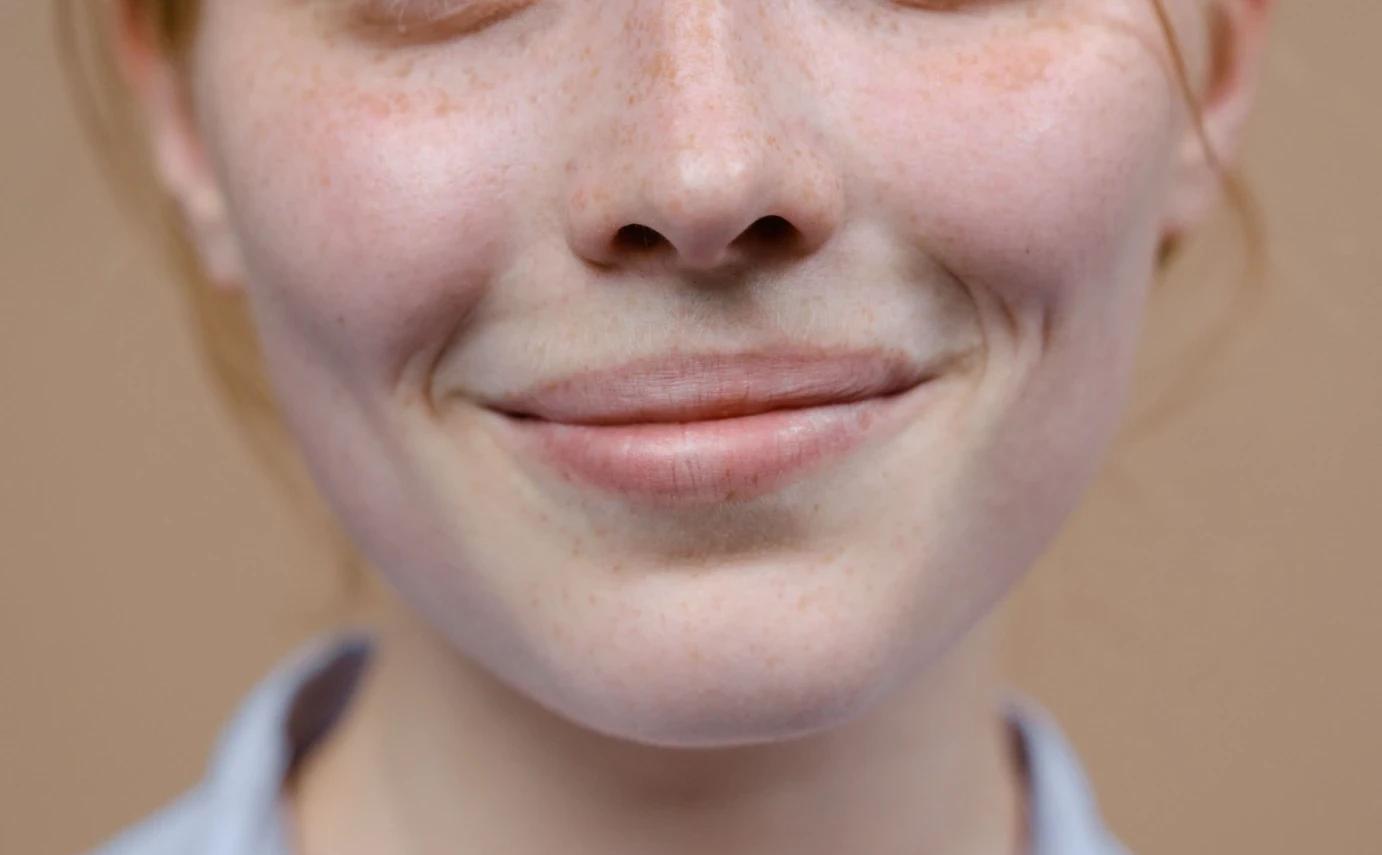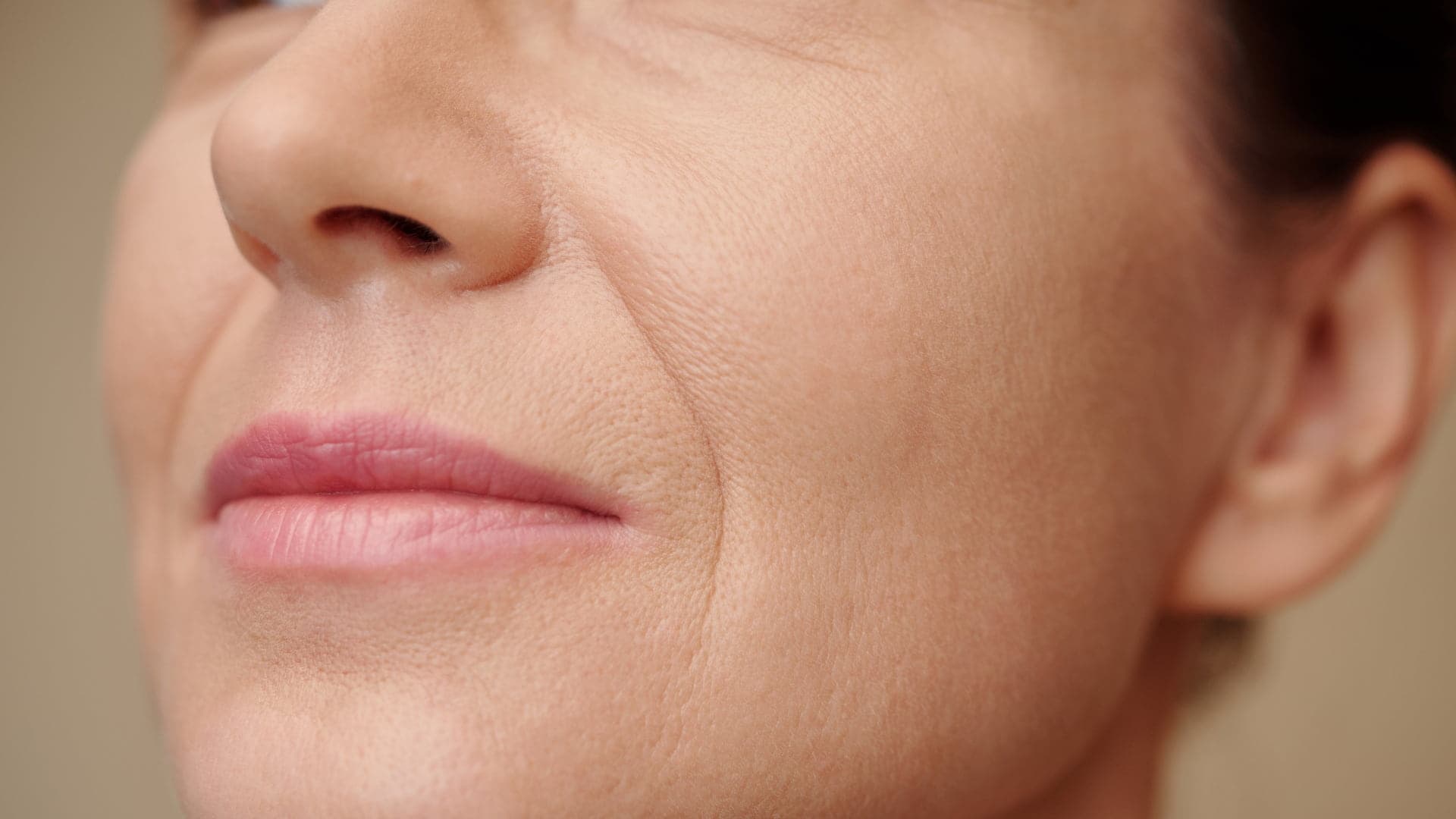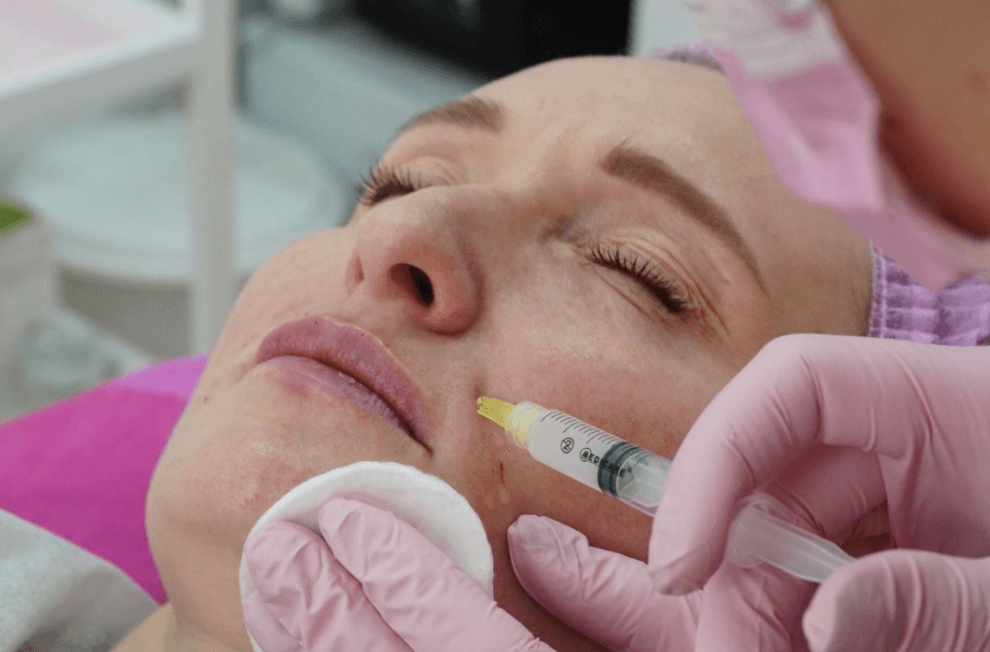
Nasolabial folds are the lines that run from the sides of the nose towards the corners of the mouth. They are a normal part of facial anatomy and can be visible even in younger faces, particularly when smiling.
As we age, however, these folds can become deeper and more noticeable.
It is easy to assume that this happens simply because the skin becomes loose. In reality, nasolabial folds are influenced by several structures beneath and around the skin, including facial fat, connective tissue, muscle, bone and the skin itself. (PubMed Central)
This is why treating a nasolabial fold is not necessarily about filling the line itself.
A proper assessment looks at what is contributing to the fold and how the surrounding midface has changed over time.
What Are Nasolabial Folds?
Nasolabial folds are the natural creases that extend from the area beside the nose down towards the corners of the mouth.
They are sometimes called smile lines because they become more prominent when you smile or make certain facial expressions.
Everyone has some degree of nasolabial folding. Their visibility depends on factors such as:
- Facial anatomy
- Age
- Skin thickness and elasticity
- Facial fat distribution
- Cheek volume
- Bone structure
- Muscle movement
- Genetics
- Changes in body weight
A visible nasolabial fold is therefore not automatically a sign of ageing.
Why Do Nasolabial Folds Become More Noticeable With Age?
Ageing changes several layers of the face at the same time.
The skin gradually loses collagen and elasticity, facial fat compartments can change in volume and position, and the underlying facial skeleton also remodels.
These changes can alter the relationship between the cheek, nose and upper lip and make an existing nasolabial crease appear deeper.
Research into facial ageing has shown that the midface contains multiple superficial and deep fat compartments. Changes in these compartments can contribute to altered cheek projection and increased prominence of the nasolabial region.
What Causes Nasolabial Folds?
There is rarely one single cause.
1. Natural Facial Anatomy
Some people naturally have more prominent nasolabial folds than others.
The fold is partly created by the way different tissues are attached and how the cheek transitions into the upper lip.
This means that someone can have quite noticeable folds without having significant facial ageing.
2. Changes in Facial Fat
Facial fat is divided into different compartments rather than existing as one continuous layer.
With age, some deeper compartments may lose volume while certain superficial compartments can become more prominent or change position. This can alter the contour of the midface and increase the contrast around the nasolabial fold.
This is one reason why a deeper nasolabial fold does not necessarily mean that the fold itself has simply “lost volume”.
3. Changes in the Midface
The cheeks provide important support to the area around the nose and mouth.
When midface volume or projection changes, the transition between the cheek and nasolabial region can become more pronounced.
Some research suggests that restoring appropriate deep cheek volume can improve cheek projection and soften the appearance of the nasolabial crease.
This does not mean that everyone with nasolabial folds needs cheek filler. It means the cheek should be assessed before deciding where treatment, if any, should be directed.
4. Changes in the Skin
As we age, collagen and elastin within the skin change.
The skin gradually becomes less elastic and may not return to its previous position as readily after facial movement.
This can make lines that were previously visible only during expression become more noticeable when the face is at rest.
5. Changes in Bone Structure
The facial skeleton also changes with age.
Changes in the maxilla and the area around the nasal opening can affect the support beneath the midface and upper lip.
Research has linked age-related changes in the maxilla and surrounding structures with changes in the appearance of the nasolabial region.
6. Repeated Facial Movement
Nasolabial folds are dynamic structures.
When you smile, muscles around the upper lip and cheek contract and move the overlying tissues.
Over many years, repeated movement combined with changes in skin elasticity can make an expression line increasingly visible even when the face is relaxed.
Are Nasolabial Folds a Sign of Ageing?
Not necessarily.
Nasolabial folds can be visible in young adults and may simply reflect facial anatomy.
However, changes in their depth, length and prominence can occur with age.
A younger person may notice the fold mainly when smiling, while an older person may see a more defined crease even when the face is at rest.
The important point is to assess the change rather than assuming that any visible fold needs treatment.
Why Does Weight Loss Sometimes Make Nasolabial Folds More Noticeable?
Significant weight loss can change the volume and distribution of facial fat.
When facial volume decreases, the skin and soft tissues may appear less supported, particularly if the skin has also lost elasticity.
This can make existing folds and hollows more visible.
However, weight change affects everyone differently. A change in nasolabial folds after weight loss does not necessarily mean that additional volume needs to be added.
The cause still needs to be assessed.
Are Nasolabial Folds the Same as Marionette Lines?
No.
They are different facial lines.
Nasolabial folds run from the sides of the nose towards the corners of the mouth.
Marionette lines extend downwards from the corners of the mouth towards the chin.
They can become more noticeable at the same time, but they have different anatomical relationships and should not automatically be treated in the same way.
How Are Nasolabial Folds Assessed?
A proper assessment looks at the fold itself as well as the surrounding face.
1. Assessment at Rest
The clinician will first look at the face while it is relaxed.
This helps establish:
- How deep the fold is
- Whether it is present at rest
- Whether there is a shadow beside the nose
- The amount of cheek projection
- The relationship between the cheek and upper lip
2. Assessment During Movement
You may be asked to smile, talk or make different facial expressions.
This helps show how the fold changes with movement.
A fold that is primarily dynamic may require a different approach from one that has become a fixed crease.
3. Assessment of the Midface
The cheeks should be assessed alongside the nasolabial fold.
The clinician may look for:
- Reduced cheek projection
- Midface flattening
- Changes in volume
- Tissue descent
- Hollowing
- Differences between the two sides
This is important because the appearance of the fold can be affected by what is happening above it, not just within the crease itself.
4. Assessment of the Nose and Nasal Base
The area around the nose can influence the appearance of the nasolabial region.
The clinician may consider:
- Nasal shape
- Nasal base
- Paranasal support
- Relationship between the nose and upper lip
This helps distinguish between a fold that is primarily related to midface ageing and one where facial structure is an important contributor.
5. Assessment of the Upper Lip
The upper lip is closely connected to the nasolabial region.
The clinician may assess:
- Upper-lip position
- Lip projection
- Movement
- Skin quality
- Relationship between the upper lip and cheek
This can help establish whether the fold is being influenced by surrounding structures rather than simply being an isolated wrinkle.
What Are the Different Types of Nasolabial Folds?
Nasolabial folds can have different predominant causes.
One recent anatomical classification describes three broad patterns:
Type 1: Structural or Paranasal Depression
In this pattern, reduced support around the paranasal region can contribute to a visible step or depression beside the nose.
Type 2: Soft-Tissue or Fat Changes
Changes in the surrounding fat compartments and soft tissues can create greater fullness above the fold and increase the contrast between the cheek and upper lip.
Type 3: Muscle-Related Creasing
Movement of the upper-lip elevator muscles can accentuate the fold during facial expression. Over time, repeated movement may contribute to a more permanent crease.
These patterns can also overlap.
This is why there is no single treatment that is automatically appropriate for every nasolabial fold.
Why Is It Important to Assess the Cause?
Imagine two people with equally deep-looking nasolabial folds.
One may have:
- Good cheek volume
- Strong facial structure
- Mainly a skin crease
The other may have:
- Reduced midface projection
- Changes in facial fat
- Skin laxity
- A more pronounced fold due to surrounding tissue changes
Treating both people in exactly the same way would not necessarily make sense.
The visible line may look similar, but the underlying anatomy can be very different.
Does a Deeper Fold Always Need Filler?
No.
This is one of the most important points when considering treatment.
A nasolabial fold may be influenced by:
- Midface volume
- Paranasal anatomy
- Skin quality
- Soft-tissue position
- Muscle movement
- Facial structure
Simply placing filler directly into the deepest part of the fold may not address all of these factors.
In some patients, improving support or volume elsewhere may soften the appearance of the fold. In others, the fold itself may be an appropriate treatment target.
The correct approach depends on the assessment.
What Treatment Options Can Be Considered?
Once the cause has been identified, different options may be discussed.
Dermal Fillers
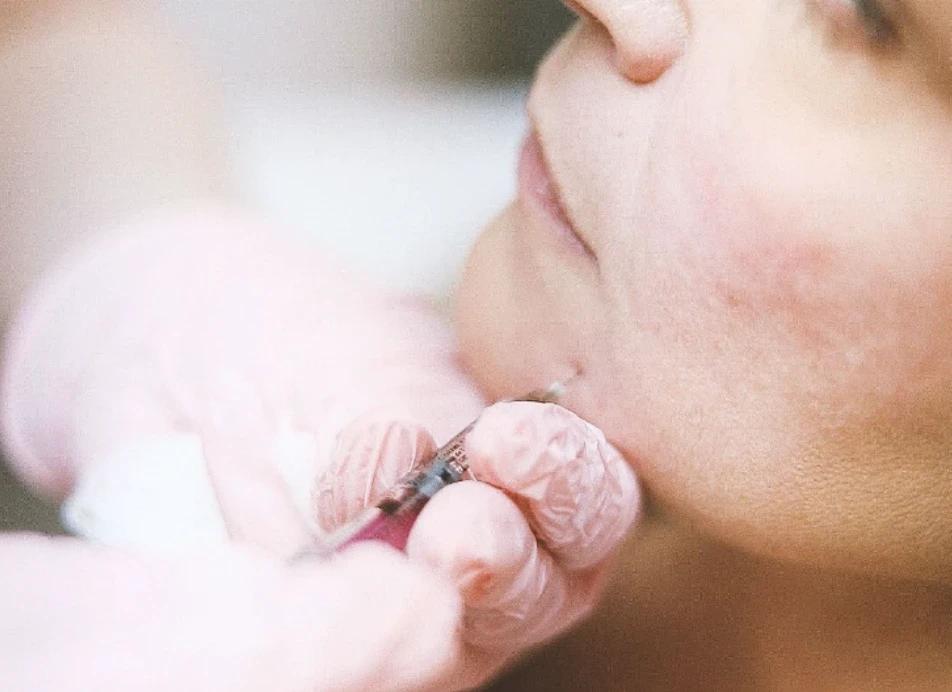
Hyaluronic acid dermal fillers can be used in selected patients to restore volume or support specific areas.
Depending on the anatomy, treatment may focus on the nasolabial fold itself, the cheek, the area beside the nose or a combination.
The aim should be to improve proportion and soften the fold rather than completely erase every natural facial crease.
Skin-Quality Treatments
If the main concern is fine lines and reduced skin quality, treatments that stimulate collagen or improve the skin may be considered.
The appropriate treatment depends on the condition of the skin and the degree of the fold.
Energy-Based Treatments
Treatments designed to improve collagen and skin firmness may be considered where skin laxity is contributing to the appearance.
These are more relevant when the concern is primarily related to skin quality rather than a significant structural volume deficit.
Surgical Rejuvenation
More advanced facial ageing involving significant tissue descent or excess skin may require a surgical assessment.
A facelift or midface procedure addresses anatomy very differently from an injectable or skin treatment.
The appropriate option depends on the extent of ageing and the patient's goals.
Why Is Nasolabial Filler an Area That Requires Careful Assessment?
The nasolabial region contains important blood vessels, and injectable treatments in this area carry potential vascular risks.
Rare but serious complications of facial filler injections can include vascular occlusion and, in severe cases, tissue injury or visual complications. Anatomical knowledge and appropriate injection technique are therefore particularly important.
This is one reason why a medical consultation should precede treatment.
A clinician should be able to explain:
- Why the treatment is being recommended
- Where treatment would be performed
- What product may be used
- Potential risks
- Alternatives
- What result is realistic
What Should You Expect From a Nasolabial Fold Assessment?
A consultation should help answer a few straightforward questions:
What has changed?
Is the fold deeper because of skin ageing, midface changes, facial structure, movement or a combination?
Where is the contributing volume or support missing?
Is the cheek involved? Is there paranasal deficiency? Is the fold itself the main concern?
What can realistically be changed?
Not every anatomical feature can or should be completely removed.
Which treatment, if any, is appropriate?
The answer may involve filler, a skin-quality treatment, an energy-based treatment, surgery or no treatment at all.
Can Nasolabial Folds Be Prevented?
Not completely.
They are part of normal facial anatomy and naturally become more prominent in many people as they age.
However, maintaining overall skin health can help reduce avoidable factors that accelerate visible ageing.
This includes:
- Consistent sun protection
- Avoiding smoking
- Maintaining skin hydration
- Using appropriate skincare
- Managing excessive sun exposure
- Maintaining a stable, healthy lifestyle
These measures cannot stop anatomical ageing, but they can help support the health and quality of the skin.
What Does a Natural Result Look Like?
A natural result does not necessarily mean completely removing the nasolabial fold.
Everyone has facial lines and movement.
The goal may instead be to:
- Soften a deep crease
- Improve the transition between the cheek and upper lip
- Restore appropriate midface support
- Improve skin quality
- Reduce the contrast created by shadows
- Maintain normal facial movement
Trying to completely eliminate a natural fold can sometimes create an overfilled or unnatural appearance.
Book a Consultation at Perfect Eyes Clinic
At Perfect Eyes Clinic, assessing nasolabial folds starts with understanding what is contributing to their appearance.
A fold may be influenced by skin ageing, facial fat distribution, midface volume, facial structure and muscle movement. This means that simply treating the deepest part of the line is not always the most appropriate approach.
During a consultation, the nasolabial area can be assessed alongside the cheeks, nose, lips and lower face from different angles and during facial movement.
If treatment is appropriate, the approach can then be tailored to your individual anatomy and goals.
The aim is not necessarily to remove every line. It is to understand the underlying changes and make proportionate improvements while maintaining natural facial expression.
Frequently asked questions
Still unsure? Our team is glad to talk you through anything before you book.
- Nasolabial folds are the natural creases that run from the sides of the nose towards the corners of the mouth. They are present to some degree in everyone and can become more prominent with age.
- They can be influenced by natural facial anatomy, facial movement, skin ageing, changes in facial fat, midface volume, connective tissue and underlying bone structure.
- They often become more noticeable with age as changes occur in the skin, facial fat compartments, soft tissues and underlying facial structures.
- Not entirely. Skin laxity can contribute, but changes in facial fat distribution, midface support, bone structure and muscle movement can also affect their appearance.
- The terms are often used interchangeably. Nasolabial folds are the anatomical creases extending from the nose towards the mouth and can become more prominent when smiling.
- Significant weight loss can reduce facial volume and change the relationship between the skin and underlying tissues, potentially making existing folds more visible.
- Not necessarily. The cheeks should be assessed to determine whether changes in midface volume or projection are contributing to the fold. Treatment should be based on the individual anatomy rather than automatically adding volume.
- Yes. Depending on the cause, treatment may focus on skin quality, collagen stimulation, energy-based treatments or, for more advanced ageing, surgical options.
- Filler may soften the appearance of a fold in suitable patients, but complete removal is neither always possible nor necessarily desirable. Natural facial movement and anatomy should be preserved.
- Dermal fillers are medical treatments and carry risks. The nasolabial region contains important blood vessels, so appropriate anatomical knowledge, product selection and injection technique are important. Rare vascular complications can be serious.
- Facial asymmetry is common. Differences in bone structure, fat distribution, muscle activity and soft-tissue position can make one side appear more pronounced than the other.
- A clinician may assess the fold at rest and during movement, as well as examining the cheeks, midface, nose, lips, skin quality, facial volume and underlying proportions.
- No. Nasolabial folds are a normal part of facial anatomy. Treatment is generally considered when the appearance has become a personal concern and an appropriate, realistic treatment option is available.
- You should expect an assessment of the fold and the surrounding facial structures, an explanation of the likely contributing factors, and a discussion of appropriate treatment options and realistic expectations.