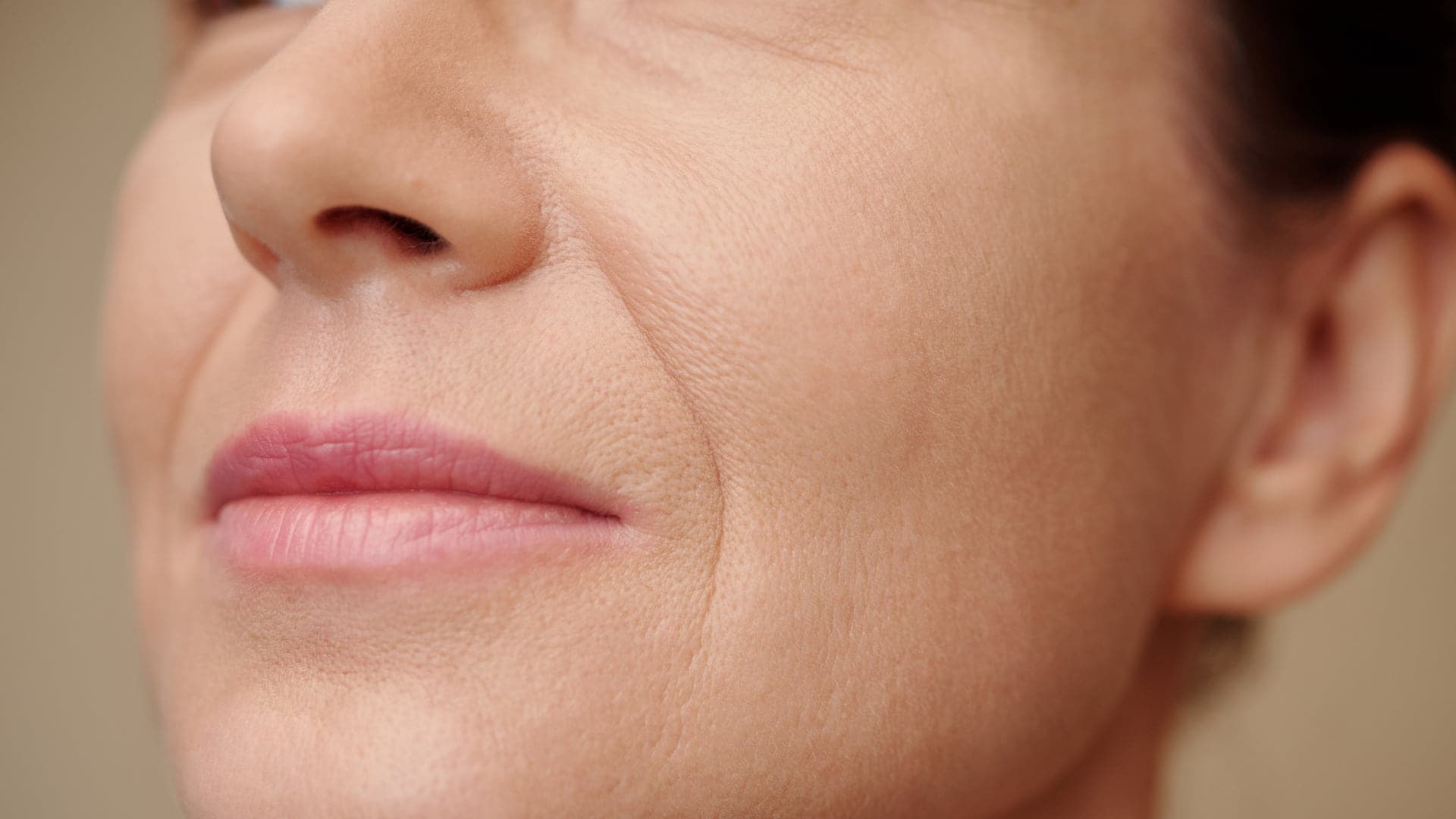
The nasolabial fold is a natural facial characteristic that becomes more pronounced with age. Often known as smile lines, these folds run from the sides of the nose to the corners of the mouth. Although some people consider their nasolabial folds an indication of a life full of smiles and laughter, others may want to minimise their appearance.
This blog will explain the causes of nasolabial folds, various treatments, and ways to prevent them from deepening. We will also describe some bad smile lines, filler concerns, and common pitfalls people face while seeking cosmetic treatment.
What Are Nasolabial Folds?
Nasolabial folds form due to repeated facial expressions, loss of skin elasticity, and natural ageing. Every individual has nasolabial folds, which deepen over time and become more visible. It plays an important role, such as making room for stretching skin when people speak, smile, or exhibit some facial expression. However, some people's appearance may give off an old and tired impression from the deepening of the nasolabial folds.Causes of Nasolabial Fold Formation
- Age- There is a time in a life characterized by decreased collagen and elastin production, thereby leading to loose skin and pronounced nasolabial folds.
- Sun Exposure- Sun exposure leads to collagen degradation by ultraviolet rays, thinning the skin and increasing the likelihood of acquiring smile lines.
- Heredity - The genetic and facial structure leads some people to have deep nasolabial folds naturally.
- Changes in Body Weight- Loss and gain can bring variations to facial fats, resulting in a greater depression in the nasolabial fold
- Smoking-Smoking will result in quicker skin ageing. Skin wrinkles would also worsen the appearance of the nasolabial folds.
- Facial movements: Reworded actions in one's facial skin can eventually increase smile lines with age.
Non-Surgical Treatments for Nasolabial Folds
Many people are looking for ways to reduce the appearance of nasolabial folds without undergoing surgery. Here are some of the most popular options:1. Dermal Fillers
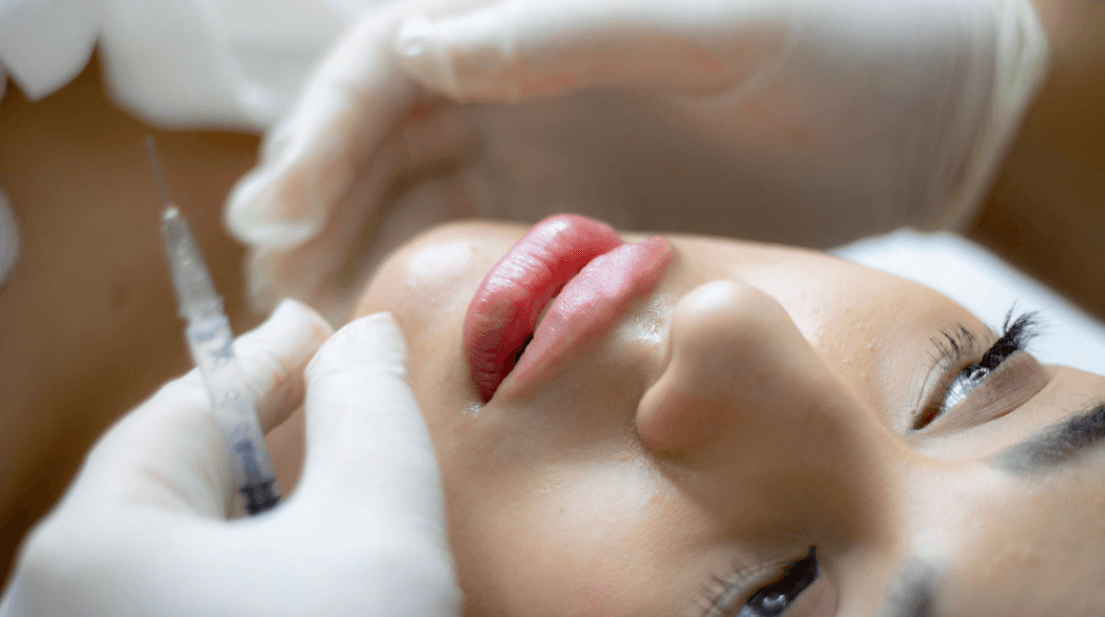
Based on hyaluronic acid, dermal fillers are the most common nonsurgical treatment for nasolabial folds. These hyaluronic acid fillers work by supporting the structures of the cheek and plumping the depressed tissues in front of the nasolabial fold However, working with an experienced injector is key to not experiencing bad results when filling smile lines. Poorly placed filler can create an unnatural appearance or cause lumpiness.2. Neurotoxin injections for Smile Lines
While Anti-wrinkles treatment or neurotoxin is generally not used directly on nasolabial folds, it can smoothen out the surrounding muscles, reducing tension on the skin that contributes to the smile lines.3. Radiofrequency Microneedling with Morpheus8
Microneedling stimulates collagen production, smoothes out the ripples of the skin, and flattens bulky nasolabial folds.4. Laser Treatments
Laser resurfacing treatments, especially CO2 and Ultraclear fractional lasers, stimulate collagen production and improve skin elasticity, smoothing nasolabial folds.5. Threads
Thread lifts represent a noninvasive technique for lifting sagging skin and decreasing the prominence of nasolabial folds.6.Endolift
Endolift Laser can flatten bulky nasolabial folds, by shrinking the nasolabial fatSurgical Treatments for Nasolabial Folds
For those who want permanent fixes, there are surgical options.- Facelift
- Fat Grafting or transfer
How to Avoid Bad Smile Lines Filler
Selecting the right provider is very important to avoid getting bad results from the filler for smile lines. Here is how you can ensure a natural and effective outcome:- Research Your Injector : Select a board-certified dermatologist or plastic surgeon with experience treating nasolabial folds.
- Ask for Before-and-After Photos: This will help you evaluate the injector's skill and see real results.
- Be Cautious: Overfilling can give the face an unnatural appearance. Instead, add extra filler as necessary.
- Choose a Reputable Provider: Ensure your filler provider uses only approved products.
- Adhere to Aftercare Instructions: Complications and improper results can often be avoided if aftercare is followed correctly.
Preventing Nasolabial Folds
While some things that cause nasolabial folds are inevitable, there is much you can do to delay their development.- Apply sunscreen daily to avoid the UV rays, which break collagen in the first place.
- Hydrate sufficiently: hydration prevents skin from shriveling up, making smile lines not noticeable.
- Healthy diet: Consuming antioxidants from foods like berries and leafy greens assists in the production of collagen.
- Apply retinol and vitamin C: They enhance collagen and work on the skin's texture.
- Facial Exercises: The sagging can be prevented by exercising facial muscles.
- Quit smoking: Smoking causes the skin to age fast and deepens nasolabial folds.
- Get Regular Facials: Professional facials can keep the skin firm and smooth.
Conclusion
The nasolabial fold is a natural feature of the face. For those desiring to appear less, many treatment options are available. Depending on what one prefers and how much he can afford, options range from specific dermal fillers and laser treatments to endolift If you’re considering a filler for nasolabial folds, choose a skilled provider to avoid bad smile line filler results. Prevention also plays a crucial role in maintaining youthful skin, so incorporating good skincare habits can help slow the development of smile lines. Knowing the causes and treatments of nasolabial folds can help you decide on your skincare and aesthetic goals. You might love your nasolabial folds or want to reduce them. In any case, the point is to feel comfortable and confident in your skin.Frequently Asked Questions about Nasolabial Folds
- What causes nasolabial folds to deepen?
- Can I get rid of nasolabial folds without surgery?
- How long do dermal fillers for nasolabial folds last?
- How can I avoid bad smile line filler results?
- Can I prevent nasolabial folds from developing?
Good to know
Frequently asked questions
Still unsure? Our team is glad to talk you through anything before you book.
- Nasolabial folds become deeper with time due to various factors, such as aging, sun exposure, genetics, weight fluctuations, and repetitive facial expressions.
- Yes! Dermal fillers, endolift laser treatments, Radiofrequency microneedling, and endoliftt can all help reduce the appearance of smile lines without surgery.
- Most hyaluronic acid fillers last between 6 to 18 months, depending on the product used and individual metabolism.
- Select an experienced injector, begin with a conservative approach, and use high-quality, approved fillers.
- Although you may not totally prevent them, sunscreen use, proper hydration, collagen-boosting skincare, and avoidance of smoking can help slow their development.