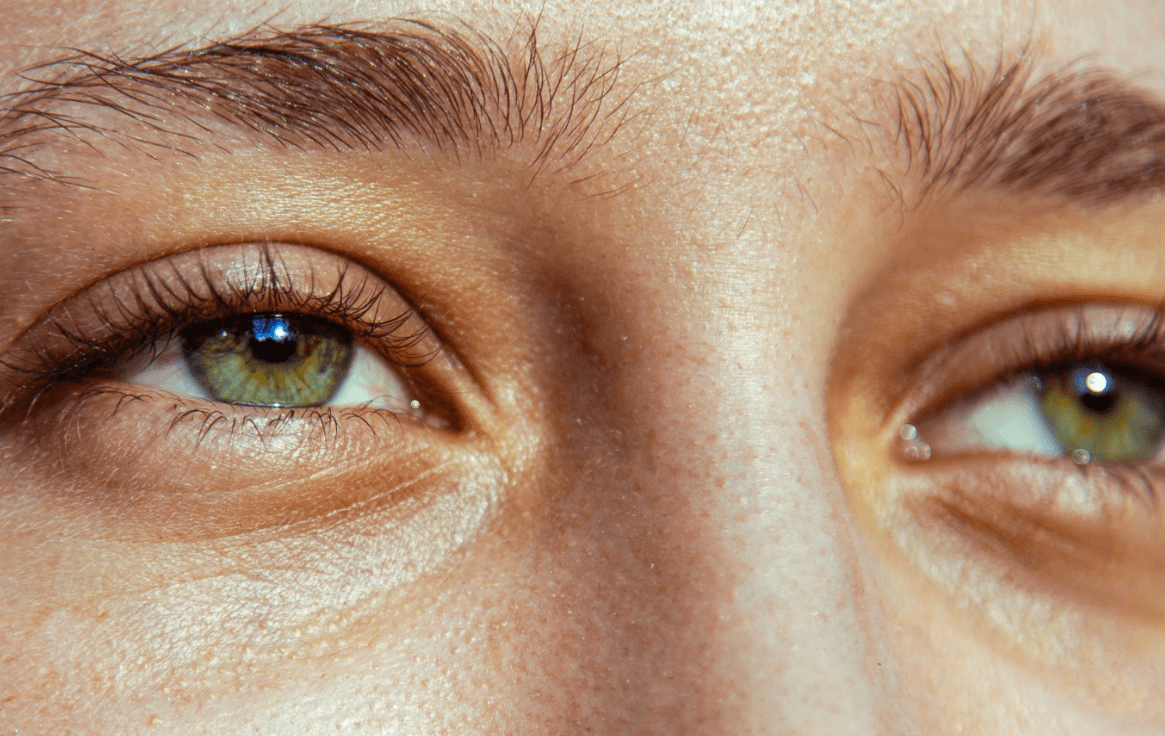
An occasional twitch around the eye is common and usually nothing to worry about. You may notice a small movement in the upper or lower eyelid that comes and goes throughout the day. Sometimes, it lasts for a few minutes. At other times, it may continue for several days.
But when your left eye keeps twitching, it can become distracting, particularly if you are unsure what is causing it.
In most cases, left eye twitching is linked to tiredness, stress, caffeine or eye strain. However, persistent or unusual twitching may sometimes need a specialist assessment, especially when it is accompanied by other symptoms.
What Is Left Eye Twitching?
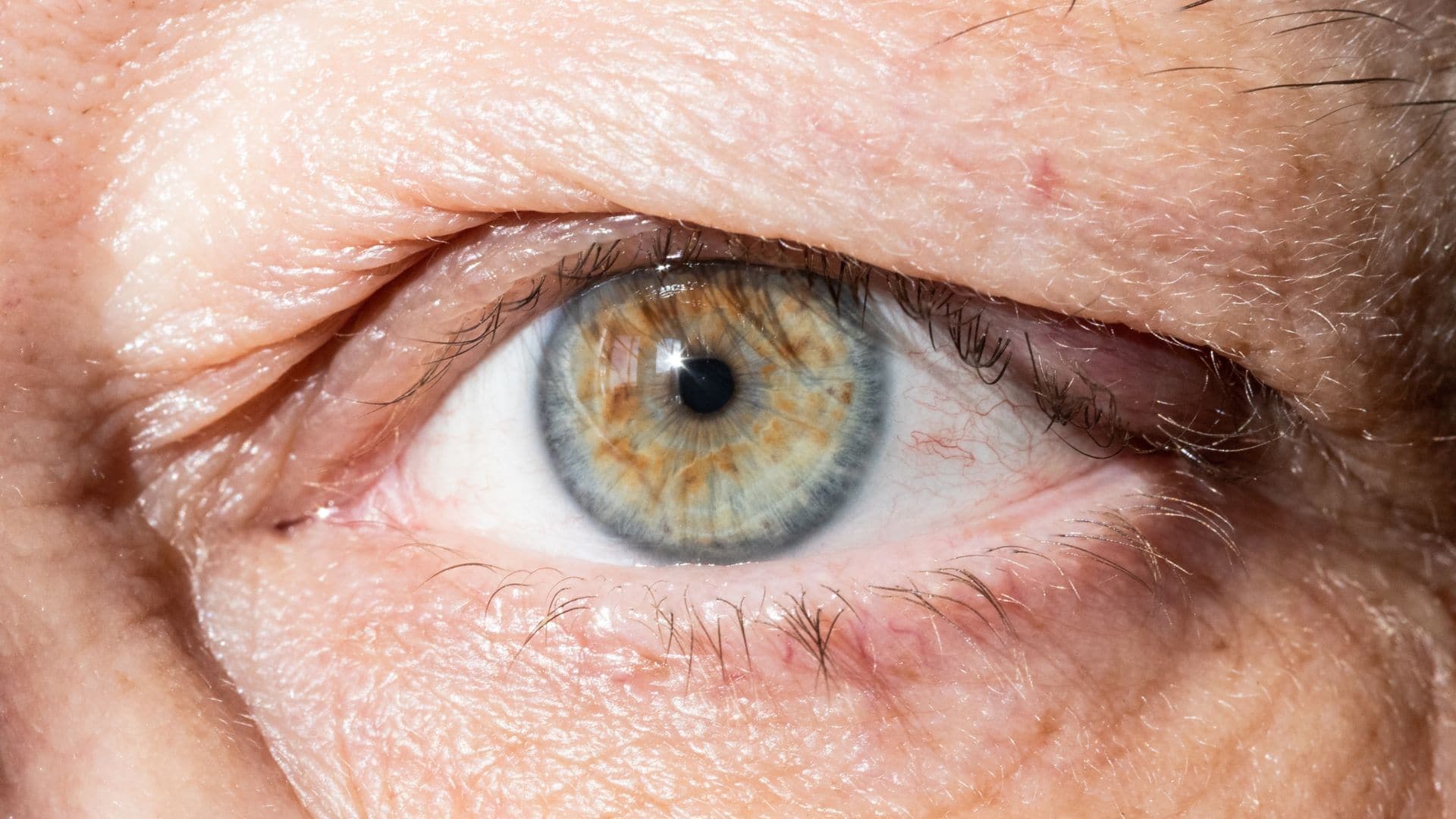
Left eye twitching usually refers to an involuntary movement of the muscles around the left eye. The medical term for a common eyelid twitch is eyelid myokymia.
It often feels like:
- A small fluttering movement in the eyelid
- A repetitive pulsing sensation
- A twitch beneath the eye
- A movement that others may not be able to see
- Twitching that comes and goes during the day
The twitch may affect the upper eyelid, lower eyelid or both. Although it can happen in either eye, some people notice it repeatedly on the same side. If you want a broader overview of the subject rather than one focused on a single side, our guide to why your eye is twitching covers the same ground for either eye.
Most ordinary eyelid twitches are temporary and settle without treatment. The important thing is to understand whether the movement is limited to the eyelid or involves other parts of the face.
Why Does My Left Eye Keep Twitching?
There is no single cause of left eye twitching. It is often the result of temporary irritation or increased sensitivity in the muscles and nerves around the eye.
Common triggers include:
| Possible cause or trigger | How it may affect the eye | What you may notice |
| Tiredness or lack of sleep | Eye muscles become more prone to involuntary movement | Twitching after a poor night’s sleep |
| Stress or anxiety | Increased muscle tension and nervous system activity | Twitching during busy or stressful periods |
| Excess caffeine | May increase muscle activity and sensitivity | Twitching after coffee, tea or energy drinks |
| Eye strain | Prolonged screen use can fatigue the eyes | Twitching after working on a computer or phone |
| Dry eyes | Irritation may trigger eyelid muscle activity | Twitching alongside burning, grittiness or watering |
| Eye irritation | Allergies, smoke or dust may irritate the eyelids | Twitching with itching or redness |
| Alcohol or nicotine | May contribute to muscle irritability in some people | Twitching after increased consumption |
| Certain medications | Some medicines may contribute to involuntary movements | Twitching after starting or changing medication |
These triggers do not necessarily mean that something is wrong with the eye itself. Often, the twitch settles when the underlying trigger is reduced.
Common Causes of Left Eye Twitching
1. Tiredness and Poor Sleep
One of the most common reasons for eyelid twitching is not getting enough sleep.
When you are tired, the muscles around the eyes may become more sensitive and more likely to contract involuntarily. You may notice twitching after:
- A late night
- Several nights of poor sleep
- Long working hours
- Travel or changes in your routine
- Extended periods of concentration
Improving your sleep routine may help the twitch settle.
2. Stress and Anxiety
Stress can affect the body in several ways, including increasing muscle tension and making you more aware of small movements.
If your left eye keeps twitching during a particularly stressful period, the twitch may be linked to changes in your sleep, caffeine intake or general muscle tension.
The twitch itself can also become a source of worry, creating a cycle where you notice it more often.
3. Too Much Caffeine
Coffee, tea, energy drinks and some pre-workout products contain caffeine, which can increase nervous system activity.
For some people, consuming more caffeine than usual may trigger or worsen eyelid twitching. Reducing your intake, particularly later in the day, may help.
It is not always necessary to stop caffeine completely. However, if you notice a clear connection between caffeine and twitching, reducing the amount may be useful.
4. Digital Eye Strain
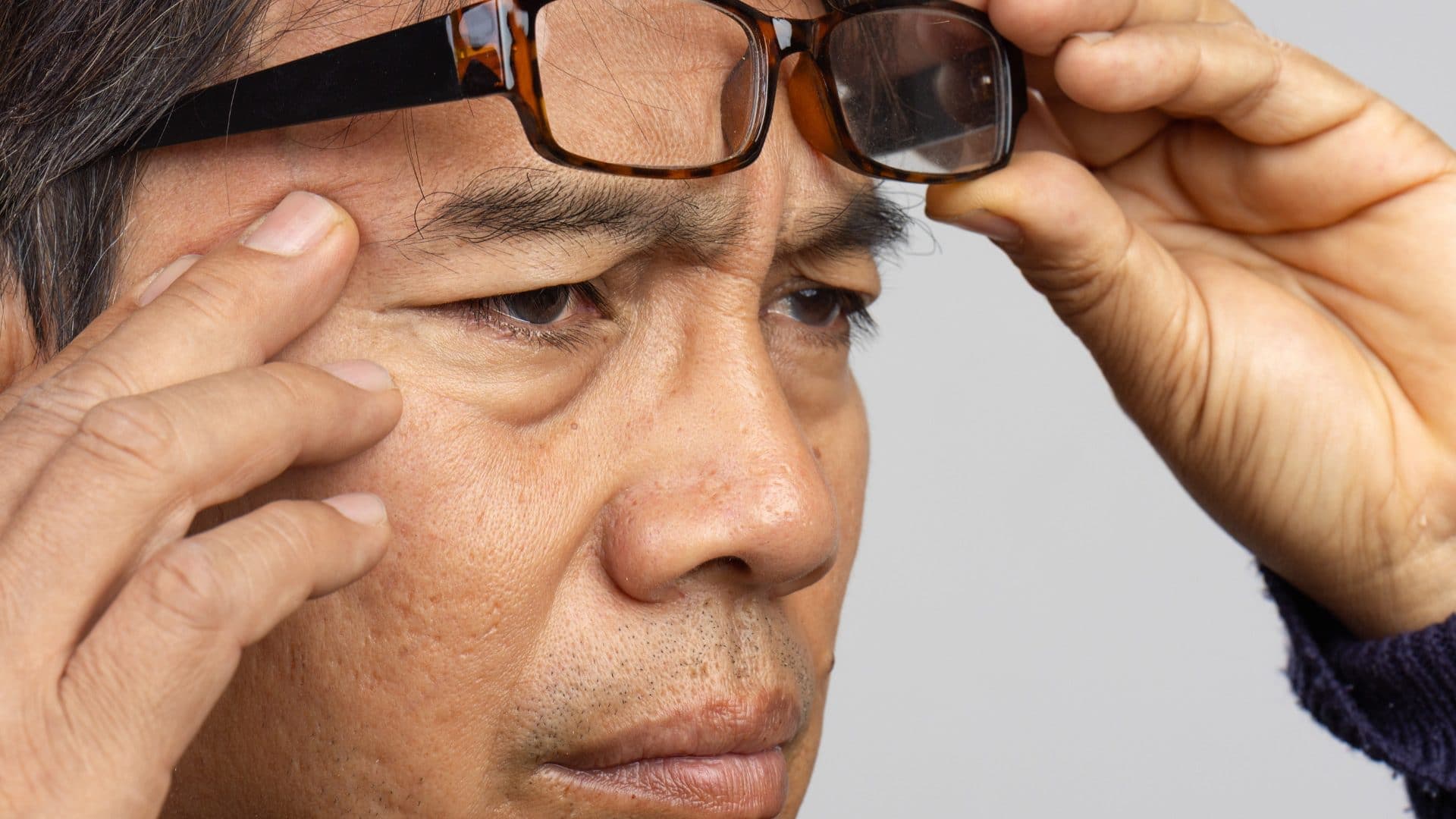
Long periods of screen use can contribute to tired, dry or irritated eyes. This may make eyelid twitching more noticeable.
Digital eye strain may also cause:
- Eye tiredness
- Headaches
- Blurred vision
- Difficulty focusing
- Dryness or watering
- A feeling of heaviness around the eyes
Taking regular screen breaks, adjusting your screen position and remembering to blink can help reduce eye strain.
5. Dry Eyes
Dry eyes can cause irritation around the surface of the eye and eyelids. In some people, this irritation may trigger twitching.
You may also experience:
- A gritty sensation
- Burning or stinging
- Redness
- Watering
- Sensitivity to light
- Fluctuating vision
Dry eyes can be more common with age, prolonged screen use, contact lens wear, certain medications and environmental factors such as air conditioning.
If dryness is persistent, an eye specialist can assess the cause and recommend suitable dry eye treatment.
6. Eye Irritation or Allergies
Allergies, smoke, dust and other irritants can cause the eyelids to become itchy or inflamed.
Rubbing the eyes may make the irritation worse and can contribute to further twitching. Treating the underlying irritation may help reduce the movement.
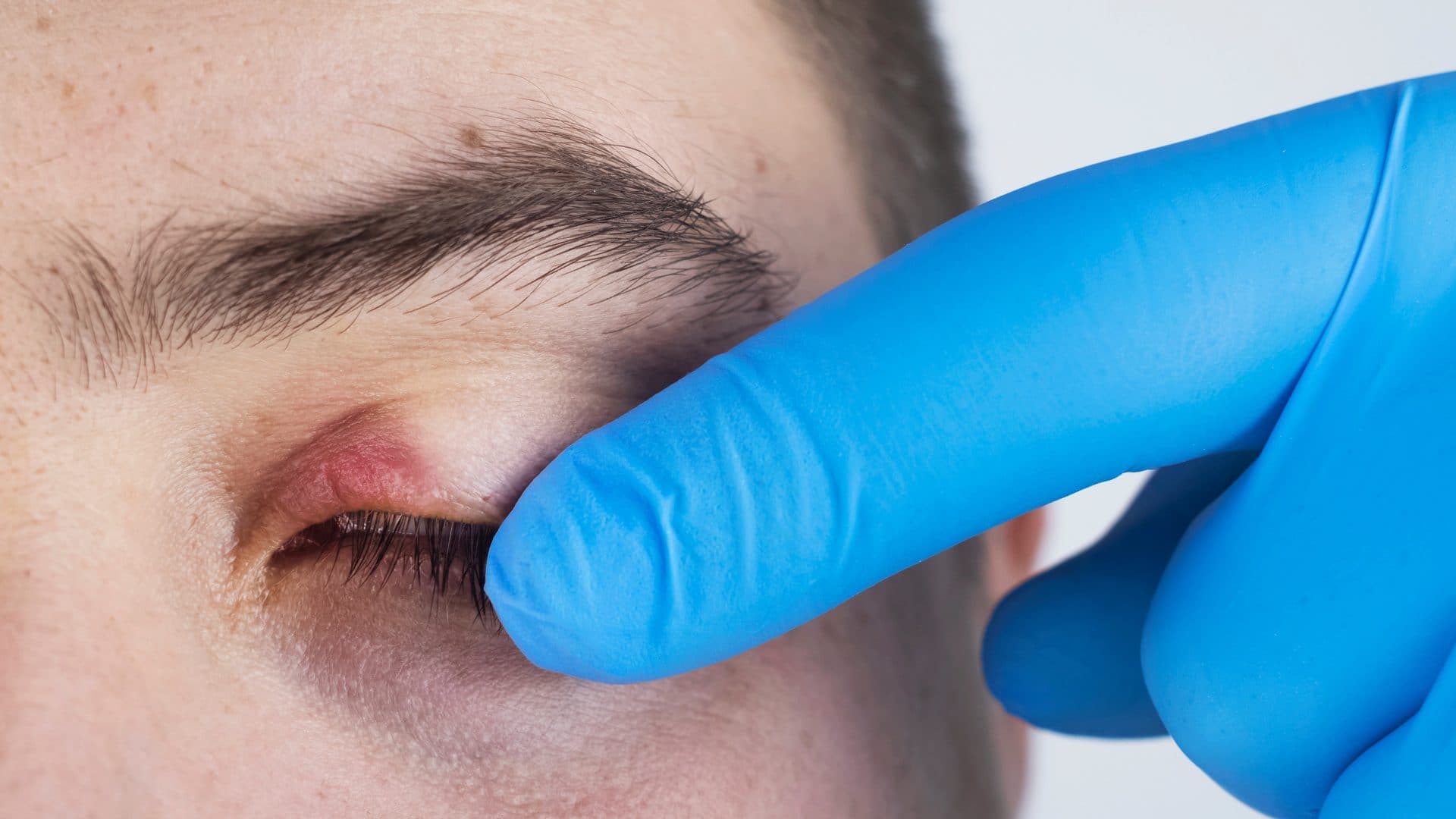
If the twitching is accompanied by significant redness, swelling, discharge or pain, it is important to have the eye assessed rather than assuming it is only a harmless twitch.
7. Blepharitis
Blepharitis is inflammation of the eyelid edges. It can cause irritation around the eyelashes and may be associated with blocked oil glands.
Symptoms may include:
- Crusting around the eyelashes
- Red or swollen eyelid edges
- Itching or burning
- Dry eyes
- A gritty sensation
- Recurrent styes
- Increased sensitivity around the eyelids
Although blepharitis does not always directly cause twitching, irritation from the condition may make eyelid movements more noticeable.
Is Left Eye Twitching a Sign of a Vitamin Deficiency?
People often associate eyelid twitching with a lack of magnesium or other vitamins. However, ordinary eyelid twitching is not usually caused by a vitamin deficiency.
Taking supplements without identifying a deficiency is unlikely to resolve the problem and may not be necessary.
If twitching is persistent, widespread or accompanied by other muscle symptoms, your doctor may decide whether further assessment or blood tests are appropriate.
Can Left Eye Twitching Be Caused by a Nerve Problem?
Most isolated eyelid twitches are not caused by a serious nerve condition. However, persistent or unusual movements can sometimes be associated with irritation or abnormal activity involving the facial nerve.
Two conditions that may need specialist assessment are hemifacial spasm and blepharospasm.
Hemifacial Spasm
Hemifacial spasm causes involuntary contractions on one side of the face. It may begin around the eye and later involve the cheek, mouth or other facial muscles.
Unlike a simple eyelid twitch, the movement may:
- Affect more than the eyelid
- Become stronger over time
- Cause the eye to close involuntarily
- Spread to other muscles on the same side of the face
Blepharospasm
Blepharospasm involves involuntary blinking or forceful closure of the eyelids. It may affect both eyes and can interfere with activities such as reading, driving or working.
These conditions are different from occasional eyelid myokymia and should be assessed by an appropriate specialist.
When Should You See a Specialist About Left Eye Twitching?
Occasional twitching usually does not require urgent medical attention. However, you should arrange an assessment if:
| Symptom or situation | Why assessment may be needed |
| Twitching continues for several weeks | Persistent symptoms may need further investigation |
| The eyelid closes completely during the twitch | This may indicate a more significant involuntary movement |
| Twitching spreads to the cheek, mouth or other facial muscles | It may involve more than the eyelid |
| The eye is red, painful or swollen | There may be an underlying eye condition |
| You have discharge or significant irritation | Infection or inflammation may need treatment |
| Your eyelid becomes droopy | Drooping may have a different cause from a simple twitch |
| You experience double vision or changes in vision | Visual symptoms should be assessed promptly |
| You have facial weakness, numbness or difficulty speaking | These symptoms require urgent medical attention |
| The twitching is affecting daily activities | Treatment may be needed to improve comfort and function |
Seek urgent medical advice if twitching occurs with sudden facial weakness, difficulty speaking, severe headache, loss of vision or other sudden neurological symptoms.
How Is Left Eye Twitching Diagnosed?
A specialist will usually begin by asking about:
- How long the twitching has been present
- Whether it affects the upper or lower eyelid
- How often it occurs
- Whether it happens in one or both eyes
- Whether the eye closes completely
- Any associated pain, redness or vision changes
- Your sleep, stress and caffeine intake
- Previous eye conditions or treatments
- Any medication you are taking
They may examine the eyelids, eye surface, facial movements and surrounding muscles.
In most cases, no complex testing is needed for a typical eyelid twitch. Further investigations may be considered if the movement is persistent, spreads to other parts of the face or is associated with additional symptoms.
How Can You Stop Left Eye Twitching?
The treatment depends on the cause. If the twitch is linked to tiredness, stress or eye strain, simple changes may be enough.
Improve Your Sleep
Aim for a consistent sleep routine and allow yourself enough time to rest. If you have been sleeping poorly, the twitch may improve once your sleep pattern returns to normal.
Reduce Caffeine
Try reducing coffee, tea, energy drinks and other caffeinated products, particularly if you notice that twitching becomes worse after consuming them.
Take Regular Screen Breaks
When using a computer or phone for long periods, take regular breaks and look into the distance. Adjusting screen brightness and position may also reduce eye strain.
Use Warm Compresses
A clean, comfortably warm compress may help relax the eyelid and soothe irritation. Avoid using water that is too hot, particularly around the delicate skin of the eyes.
Manage Dry Eyes
If dry eyes are contributing to the twitching, lubricating eye drops or other dry-eye treatments may help. A specialist can recommend the most suitable option based on the cause.
Avoid Rubbing Your Eyes
Rubbing can increase irritation and may worsen itching, redness and swelling. If allergies are contributing to the problem, treating the allergy may be more helpful than repeatedly touching the eyelids.
Review Your Medication
If the twitching began after starting a new medicine or changing a dose, speak to your doctor. Do not stop prescribed medication without medical advice.
Final Thoughts on Left Eye Twitching
Left eye twitching is usually temporary and often linked to everyday triggers such as tiredness, stress, caffeine, dry eyes or prolonged screen use.
If your left eye keeps twitching, reducing these triggers and giving your eyes time to rest may help. However, persistent or unusual movements should not be ignored, particularly when the twitching spreads beyond the eyelid or is accompanied by pain, swelling, drooping or changes in vision.
At Perfect Eyes Clinic, an assessment can help identify whether the movement is related to an underlying eyelid or eye condition and whether further treatment or specialist referral may be appropriate.
Frequently asked questions
Still unsure? Our team is glad to talk you through anything before you book.
- Eyelid twitching can affect one eye more than the other. This does not necessarily indicate a serious problem. Differences in muscle sensitivity, irritation, fatigue or facial anatomy may make one side more noticeable.
- A simple eyelid twitch may last for a few minutes, several hours or occasionally a few days. If it continues for several weeks, becomes more frequent or is associated with other symptoms, it should be assessed.
- Stress is a common trigger. It may also affect sleep and increase caffeine consumption, both of which can contribute to twitching.
- Occasional twitching is usually harmless. However, persistent twitching, complete eyelid closure, movements involving other parts of the face, pain, redness or vision changes should be assessed by a medical professional.
- Dehydration is not usually the main cause of eyelid twitching, but it may contribute to general muscle irritability in some circumstances. Maintaining adequate fluid intake is sensible, particularly during hot weather or exercise.
- Not necessarily. Most ordinary eyelid twitches are not caused by magnesium deficiency. Supplements should not be taken routinely unless a deficiency has been identified or advised by a healthcare professional.
- Most isolated eyelid twitches are not a sign of a brain condition. However, twitching that spreads across one side of the face or occurs with weakness, numbness, speech changes or vision problems needs prompt medical assessment.
- An optometrist or GP can assess common causes such as dry eyes, irritation or blepharitis. If the twitching is persistent, affects facial muscles or causes the eyelid to close involuntarily, you may be referred to an ophthalmologist, oculoplastic surgeon or neurologist.